
Kenya is often introduced through one image: wildebeest moving across the Maasai Mara. It is a remarkable sight, but it can give first-time travellers the wrong idea about the country.
You do not have to travel during the Great Migration to have a rewarding Kenya safari. You do not have to spend the whole holiday in a safari vehicle either.
Kenya gives you several very different trips in one country. There are the open plains and big cats of the Maasai Mara, elephant country around Amboseli, the drier landscapes of Samburu, the vastness of Tsavo, Nairobi and the Indian Ocean coast.
The important part is working out which version of Kenya suits you.
Yes. Kenya is particularly well suited to travellers who want a classic East African safari, varied wildlife areas and the option of combining the bush with a beach holiday.
The Maasai Mara is the country’s best-known safari area, but Amboseli, Samburu, Tsavo and Lake Nakuru offer quite different landscapes and wildlife experiences.
Kenya can also be visited outside the main Great Migration months. Wildlife remains unpredictable wherever you go, but good safari experiences are possible throughout much of the year.
Choose one main safari region, then add a second place that gives you a different experience. The Maasai Mara is a strong choice for open grasslands and diverse wildlife, while Amboseli has elephants and wetlands and even possible views of Kilimanjaro. If you have more time, add the Rift Valley, Nairobi or the coast.
Travel Question | Quick Answer |
Best known for | Maasai Mara, Great Migration, wildlife safaris, and the Indian Ocean coast |
Main safari areas | Maasai Mara, Amboseli, Samburu, Tsavo, and Lake Nakuru |
Main international gateway | Nairobi |
Good for a first safari? | Yes |
Big Five | Found in Kenya, although sightings are never guaranteed |
Safari and beach combination | Very easy to build into one holiday |
Great Migration | Seasonal and dependent on rainfall and herd movements |
Family travel | Good, with the right lodge and itinerary |
Photography | Strong wildlife and landscape variety |
Ideal trip length | Usually 7–12 days for a more rounded first visit |
Kenya is great for travellers who love variety. Wildlife is a major part of the experience, but a Kenya holiday does not have to begin and end with game drives.
The country’s draws include:
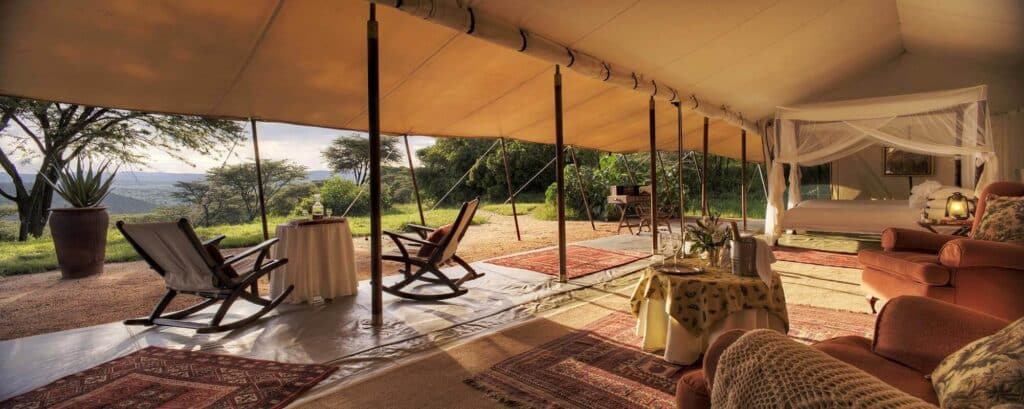
Kenya is different from one region to the next. In the Mara, you wake to grasslands stretching beyond the camp. In the highlands, the mornings are cool and misty. On the coast, the air is warmer and has the weight of the sea.
The best itinerary is the one that gives you enough time to appreciate these changes.

There isn’t one safari area that suits everyone.
Someone visiting Africa for the first time may want the open landscapes and predator viewing associated with the Maasai Mara. A repeat safari traveller may be more interested in Samburu. Families may prefer an itinerary with fewer long transfers.
This is where choosing the right areas matters.
Destination | Known For | Often Suits |
Maasai Mara | Big cats, open plains, Great Migration | First-time safaris, wildlife enthusiasts, photographers |
Amboseli | Elephants, open landscapes, Kilimanjaro views | Photographers, families, shorter safari combinations |
Samburu | Dry-country wildlife and distinctive northern species | Repeat safari travellers, photographers |
Tsavo | Huge landscapes and wilderness | Travellers wanting space and longer safari routes |
Lake Nakuru | Rhino, birdlife and Rift Valley scenery | Multi-stop Kenya itineraries |
Nairobi | Museums, restaurants and wildlife attractions | Arrival/departure stays |
Kenyan Coast | Beaches, Swahili culture and marine activities | Post-safari relaxation, families, couples |
Lamu | Historic Swahili town and island atmosphere | Culture, history and slower travel |
The Maasai Mara National Reserve is in south-western Kenya, forming part of the wider Mara-Serengeti ecosystem shared with Tanzania. This is Kenya’s best-known safari region and the section of the country famous for the Great Migration.
The landscape is a mixture of open grassland and river systems. This makes it possible to scan large areas during game drives, although vegetation and wildlife distribution change through the seasons.
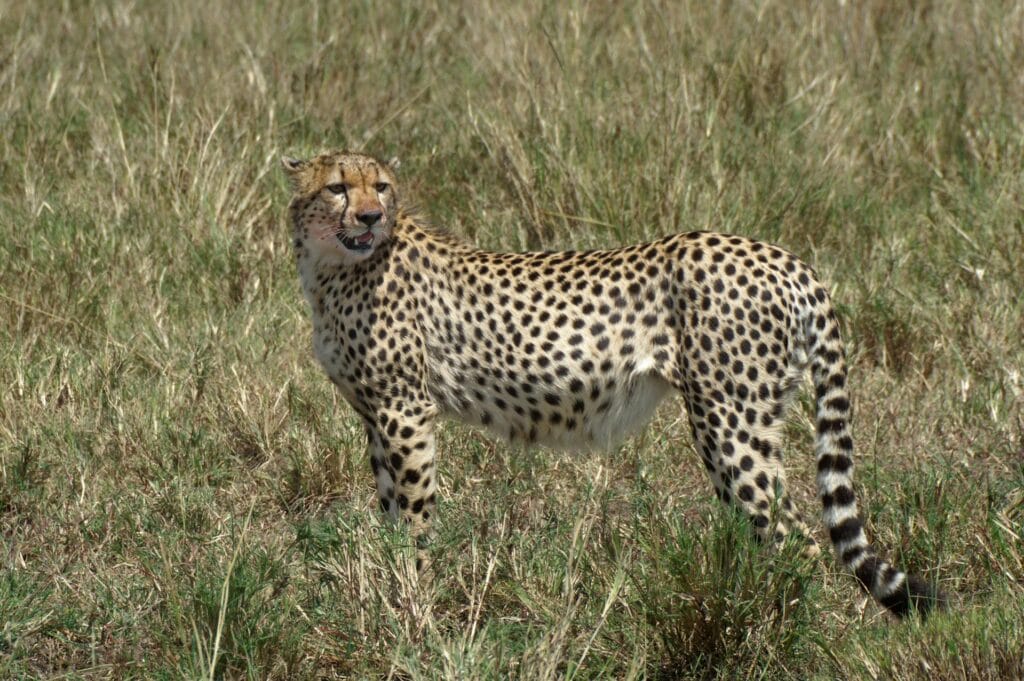
The Mara supports wildlife throughout the year, not only during the migration period. Sightings include lions, elephants, giraffes, buffalo, cheetahs, leopards, hyenas, antelope, and many bird species. Wildlife is unpredictable, and no animal can be guaranteed.
You could stay inside the national reserve, in a neighbouring conservancy or in an area outside the main protected zones. Each option comes with different access arrangements and permitted activities.
The reserve can become busy during popular migration months. Conservancies may offer lower vehicle density and activities that are restricted to the main reserve, but arrangements vary.
The Maasai Mara may suit you if:
Amboseli is in southern Kenya near the Tanzanian border. The park has open plains, wetlands and views towards Mount Kilimanjaro, which rises across the border in Tanzania.
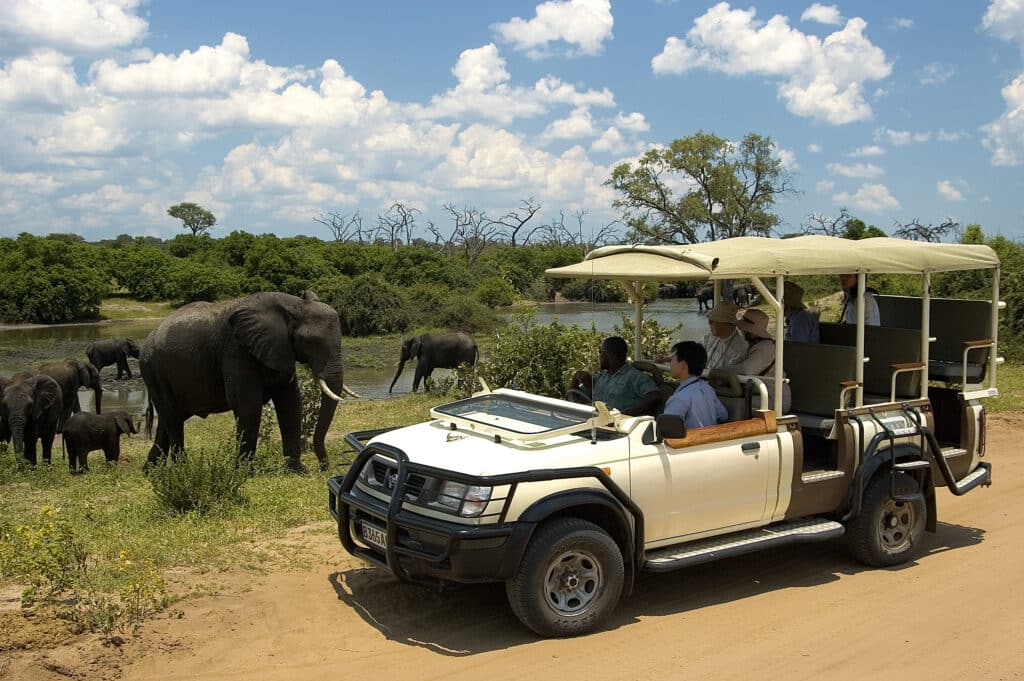
The experience is visually different from the Maasai Mara. Amboseli’s marshes and dusty open ground create a strong contrast, while elephants are an important part of the park’s character.
Mount Kilimanjaro is a remarkable backdrop when the weather is clear. The mountain is most visible in the cooler early morning or late afternoon, but cloud can hide the mountain completely. A Kilimanjaro view should therefore be treated as a possibility rather than a guaranteed part of the trip.
You can reach Amboseli by road or air, depending on your route and budget. It pairs well with Nairobi and can also be part of an overland journey to Tsavo or the coast.
You’ll like Amboseli if:
Kenya’s coast stretches along the Indian Ocean and is a completely different experience from the safari regions. Beaches, coral reefs, mangroves and centuries of Swahili history all form part of its charm.
Mombasa is the main coastal city and transport gateway. The city has a busy urban character with historical attractions and beaches both north and south of the city.
Diani, south of Mombasa, is one of the country’s better-known beach areas. It’s popular with travellers looking for resort accommodation and access to marine or coastal activities.
Further north, destinations such as Kilifi, Watamu, Malindi and Lamu offer their own mix of beaches, marine environments, old towns and Swahili culture. They should not all be treated as identical beach extensions. The accommodation style and atmosphere differ considerably.
Coastal activities include snorkelling, diving, dhow trips, kayaking, fishing and visits to historic sites.
The coast may suit you if:
The central highlands are north of Nairobi around Mount Kenya, the Aberdares and Laikipia. Temperatures can be noticeably cooler than on the coast or lower safari plains, especially in the mornings and evenings.
This region offers forests, farmland, mountains and private or community conservancies. Depending on where you stay, activities include game drives, guided walks, birding, conservation-focused visits or mountain trekking.
Mount Kenya is the country’s highest mountain and Africa’s second highest. Reaching its upper slopes is a serious trek, but you don’t need to climb it to enjoy the surrounding landscape.
Laikipia and the Mount Kenya area appeal to travellers looking for a safari setting that’s different from the Mara. Some conservancies also place a strong emphasis on community partnerships and species conservation.
The wider central and Rift Valley route include destinations like Lake Naivasha, Lake Nakuru or the Aberdare region.
The central highlands are a strong option if:
Samburu is worth considering if you want to see another side of Kenya.
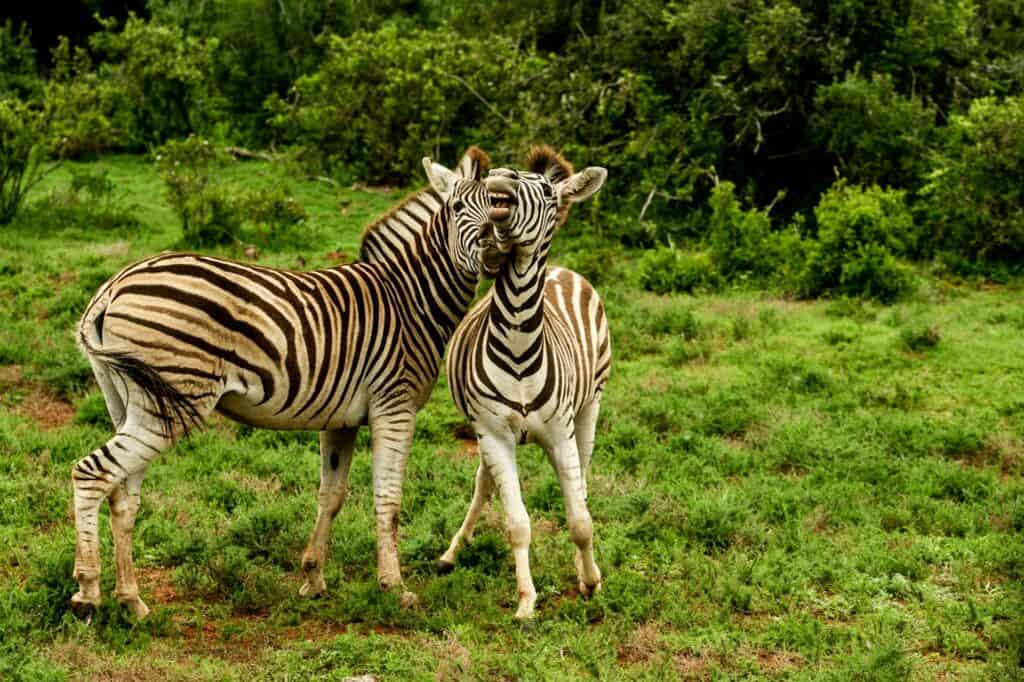
The landscape is drier and more rugged than the Maasai Mara, and the wildlife mix changes too. Species associated with northern Kenya include Grevy’s zebra, reticulated giraffe, gerenuk, and Beisa oryx.
It can be a good addition for travellers who have been on safari before or anyone who wants more variety than a single reserve can provide.
The trade-off is distance. A Kenya itinerary that includes several far-apart regions needs to be planned carefully so that too much of the holiday isn’t lost to transfers.
Tsavo is enormous.
That scale is part of its appeal. Rather than concentrating entirely on ticking off animals, a Tsavo safari can feel more about landscape, distance, and being out in a much larger wilderness.
Tsavo East and Tsavo West also work particularly well for some safari-and-coast itineraries because of their position between Nairobi and Kenya’s Indian Ocean side.
If your main priority is seeing as much wildlife as possible in a very short trip, other combinations may make more sense. If you value space and scenery, Tsavo deserves consideration.
Lake Nakuru National Park is a useful addition to a wider Kenya safari, particularly for travellers moving through the Rift Valley.
The park is known for birdlife and rhino conservation, although the wildlife experience is broader than either of those things.
It is generally included as part of a multi-stop itinerary rather than being the sole reason for travelling to Kenya.
Most international Kenya holidays begin or end in Nairobi, but the city doesn’t have to be treated simply as somewhere to sleep between flights.
Depending on your schedule, Nairobi can add museums, restaurants and local history to a trip otherwise dominated by wildlife.
It can also give you a useful buffer before or after safari. Trying to connect an international flight directly with a long road transfer can make the first or last day harder than it needs to be.
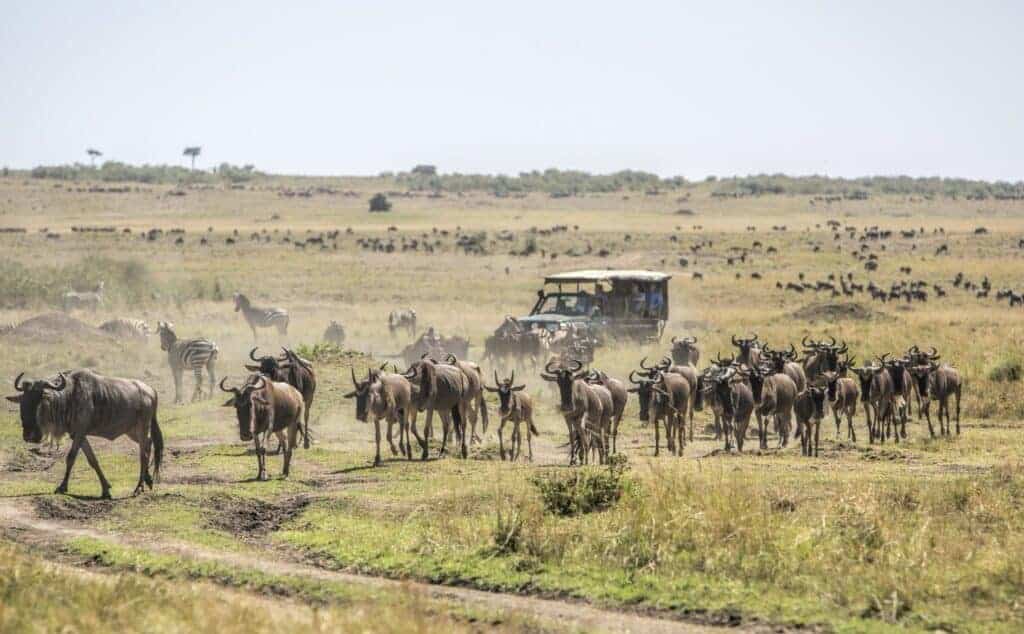
The Maasai Mara and Amboseli both offer wildlife experiences, but they have different strengths.
Consideration | Maasai Mara | Amboseli |
Landscape | Rolling grasslands, rivers and scattered trees | Open plains, wetlands and dry lake-bed scenery |
Known for | Year-round wildlife and the seasonal Great Migration | Elephants and possible views of Mount Kilimanjaro |
Migration | Part of the Mara-Serengeti migration ecosystem | Not a main Great Migration destination |
General feel | Large safari region with several reserve and conservancy areas | More compact park with an open, distinctive landscape |
Who it may suit | First-time safari travellers and those prioritising varied wildlife | Travellers interested in elephants, landscapes and southern Kenya |
Combining destinations | Often paired with Nairobi, Rift Valley areas or Tanzania | Often paired with Nairobi, Tsavo or the Kenyan coast |
With enough time, including both creates a more diverse safari. If you have only three or four nights, however, staying in one region will usually be more satisfying than spending a large part of the trip travelling between two.

The Great Migration is the continuous movement of large herds of wildebeest, zebra and other grazing animals through the Serengeti-Mara ecosystem in Kenya and Tanzania.
This is not a single event that begins on a fixed date. The herds move in response to rainfall and fresh grazing, following a broad annual cycle across a vast terrain.
The Maasai Mara forms the northern part of the migration range. Herds often move into the Mara between approximately July and October, but the timing changes from year to year.
Some may arrive earlier or stay later. Others may stay in northern Tanzania. Rain in an unexpected area can alter the route, while different groups of animals may be spread across several locations at once.
River crossings get much of the attention because of their drama, but they are especially unpredictable. A herd can wait beside a river for hours or days, cross at another point or turn away altogether.
No guide or lodge can guarantee that a crossing will happen during a specific game drive.
Yes. The Mara has resident wildlife throughout the year and doesn’t empty when the migrant herds leave.
Outside the busiest migration period, there may be fewer vehicles, and the region is greener. Depending on the season, you may also see newborn animals and different wildlife behaviour.
If your ambition is to see large migration herds, seasonal timing is important. If you want a different safari experience, the Mara can work at many points in the year.
Yes. This is one of the biggest misconceptions about Kenya.
The country’s resident wildlife doesn’t disappear when the migrating herds move elsewhere. Lions, elephants, giraffes, buffalo, cheetahs, hyenas, and many other species remain across Kenya’s safari areas throughout the year.
Travelling outside the busiest migration period can also mean quieter camps and fewer vehicles in popular wildlife areas.
For some travellers, that trade-off is well worth considering.
There isn’t one obvious best month for every traveller.
Your timing depends on where you are going and what matters most: migration activity, general wildlife viewing, photography, fewer visitors, beach weather or price.
Period | General Travel Experience | Worth Considering For |
January–February | Often drier and warm | Safari, photography, coast |
March–May | Long rains can affect travel | Quieter travel and value, depending on area |
June–October | Generally drier; busy safari period | Wildlife viewing and migration-focused trips |
November–December | Short rains in many areas | Green scenery, birdlife, fewer peak-season crowds |
Seasonal patterns vary across Kenya, and weather is never completely predictable.
Rain should not automatically put you off. Green landscapes, birdlife and quieter reserves can make wetter periods attractive to some travellers.
The important thing is matching the month to the region rather than treating all of Kenya as if it has identical conditions.
Rather than asking for one best month, think about the experience you want.
Kenya has several climate zones. Conditions in the Mara, Nairobi, the Mount Kenya region, and Mombasa will not necessarily be the same during your visit.
A very short Kenya safari is possible, but distance matters.
Trying to combine Nairobi, the Maasai Mara, Amboseli, Samburu, Tsavov and the coast in one week usually means spending too much time moving between places.
For most first-time visitors, 7 to 12 days gives you more room to build a sensible itinerary.
Day | Suggested Plan |
Day 1 | Arrive in Nairobi |
Day 2 | Nairobi to safari region |
Day 3 | Game drives |
Day 4 | Game drives |
Day 5 | Travel to second safari area |
Day 6 | Safari activities |
Day 7 | Safari activities or travel |
Day 8 | Fly or transfer to the coast |
Day 9 | Beach and relaxation |
Day 10 | Departure or extend coast stay |
This is only a framework.
Some travellers would be happier spending almost the entire trip on safari. Others would rather do four or five nights in the bush and spend the rest of the holiday at the coast.
The right split depends on why you’re going.
A Kenya itinerary works best when you decide what matters most before joining destinations together.
Choose two wildlife areas with different landscapes and spend at least two or three nights in each.
The Maasai Mara and Amboseli make a strong contrast, while the Mara and central highlands provide different styles of safari. Avoid adding the coast unless you have enough time to enjoy it properly.
Keep the safari section focused and protect at least three or four nights for the coast.
Amboseli or Tsavo can work naturally with the coast by road or rail connections, while the Maasai Mara usually makes more sense with a flight.
Allow several nights in the Maasai Mara. Even during the broad migration season, the herds may be far from your camp or outside the reserve. More time improves your chances of encountering migration activity but still cannot guarantee it.
Include Nairobi, the central highlands or the coast. Look for experiences developed with local communities, guided by people who can speak for their own history and traditions and structured so that residents benefit fairly.

Kenya’s main travel regions are spread across a large country. How you move between them has a major effect on the pace and cost of the trip.
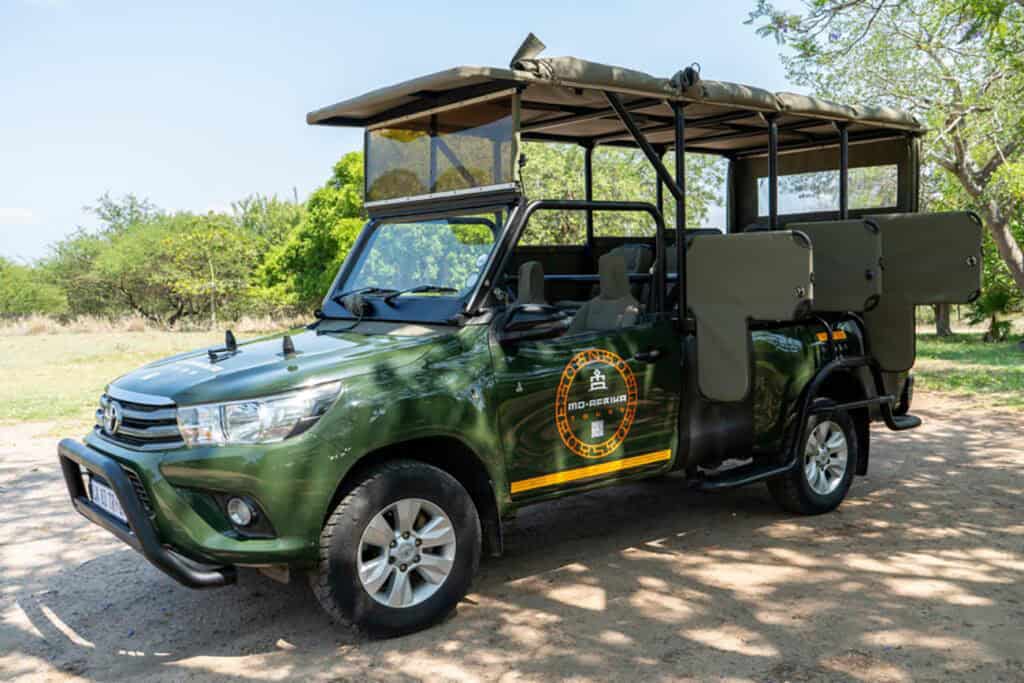
Many safari itineraries use a purpose-built safari vehicle for both transfers and game drives. This keeps the group and luggage together and can be more economical than flying.On the way you see towns and changing landscapes that are invisible from the air.
Scheduled and charter flights connect Nairobi with the Maasai Mara, Amboseli, the coast and other tourism regions.
Many safari flights use Wilson Airport in Nairobi, while most international services arrive at Jomo Kenyatta International Airport. Transferring between the two takes time and should be built into the schedule.
Light-aircraft services can make several stops and commonly have strict baggage limits. Soft-sided luggage is often required, but you should confirm the rules with the airline operating your flight. Flying saves time and provides an aerial view of the landscape.
Passenger rail services connect Nairobi with Mombasa and stops along the route. This can be useful for travellers combining the capital with the coast, although onward transfers may still be required.
Flights are generally the fastest way to connect a remote safari region with the beach. Depending on the schedule, this can involve travelling through Nairobi.
Most first-time safari visitors travel with a guide or driver-guide. This removes the need to coordinate entry arrangements and manage long transfers independently.
The guide’s knowledge is also part of the experience. A good guide interprets animal behaviour and local conditions without pretending that sightings can be predicted.

Kenya is a natural choice for a first safari because the country’s tourism infrastructure is well established and there are several wildlife areas to choose from.
The bigger mistake is trying to see too much.
Two well-chosen safari areas usually give a first-time visitor a better experience than rushing through four or five.
Allow time for repeat game drives too. One quiet morning doesn’t mean an area is poor for wildlife. The next drive can feel completely different.
That’s safari.
Kenya can work very well for families, but itinerary design matters more when children are travelling.
Long road transfers, very early starts, and several consecutive full safari days can be tiring for younger guests.
Parents should consider:
For more detail, see MoAfrika’s Kenya Family Holiday Packages.
Photographers should think about more than which reserve has the most animals.
Vehicle position, number of guests, available light, vegetation, and time at a sighting can matter just as much.
A private vehicle can be useful if photography is a major priority because there is more freedom to wait at a sighting or position the vehicle around your interests where regulations and conditions allow.
The green months can also be rewarding. Fresh vegetation, dramatic skies, and fewer vehicles can produce very different images from the dry-season look many travellers associate with East Africa.
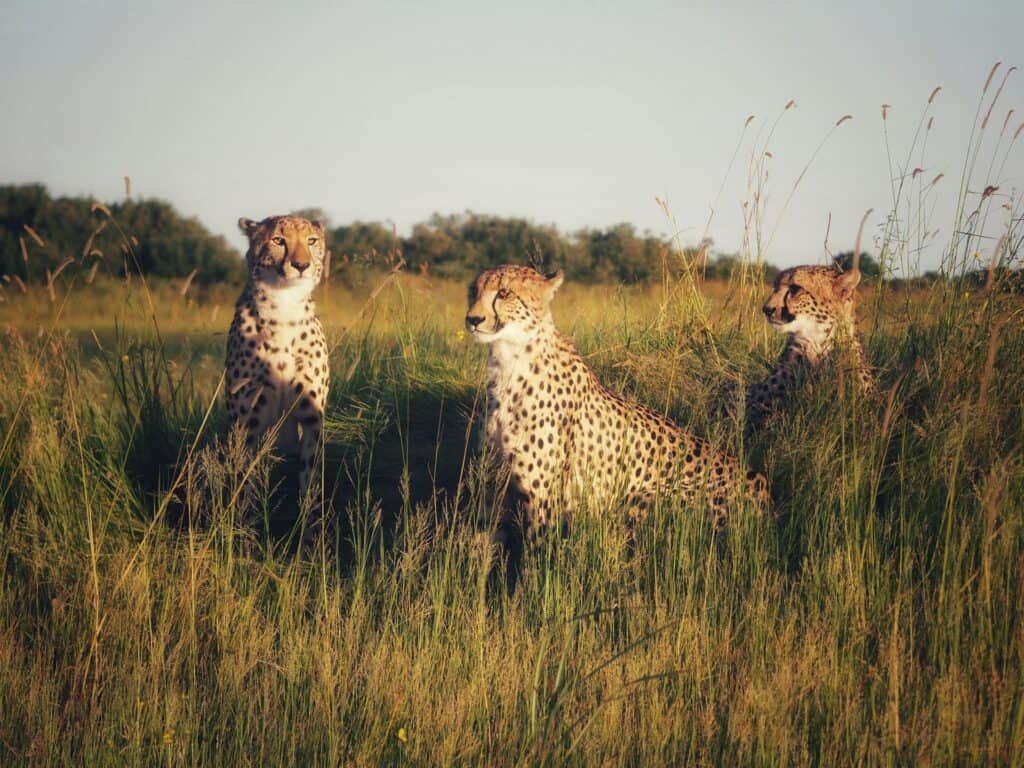
Yes. Kenya is well suited to a safari and beach combination because its major wildlife areas and Indian Ocean coast are linked by road and air services.
The easiest is usually to safari first and finish at the coast. Safari days often begin early and involve several hours in a vehicle, so the beach provides a natural change of pace.
The best connection depends on your final safari destination. Tsavo is relatively close to the coast, while the Maasai Mara is much further west and is usually more practical to connect by air.
When planning the combination, check:
Kenya supports an enormous variety of wildlife.
Depending on where you travel, you may have opportunities to see:
Northern Kenya adds species such as Grevy’s zebra, reticulated giraffe, and gerenuk.
Seeing an animal on a list and actually finding it on safari are two different things. Wildlife sightings never come with certainty, and that unpredictability is part of the experience.
Before booking, work through the details below.
Kenya uses an Electronic Travel Authorisation system, but exemptions now apply to a growing list of nationalities under the 2025 immigration rules. Some travellers must obtain an approved eTA before departure, while others can enter for a limited period without one.
Requirements depend on the passport you hold, not simply the country where you live. Check Kenya’s official eTA website before travelling and do not rely on older advice stating that every visitor needs an eTA or conventional visa.
Your airline may ask for proof of authorisation or exemption before boarding.
Check current passport validity and blank-page requirements. Carry copies of accommodation bookings, return or onward travel details and any documents requested by immigration.
If travelling with children, confirm whether additional consent or identity documents are required.
Health advice depends on the regions you’re visiting and where you arrive from. Yellow fever certificate requirements, malaria considerations and recommended vaccinations are not identical for every traveller.
Consult a suitable travel-health professional and check current official guidance well before departure. Do not leave this until the week you fly.
Conservation fees change and are not administered by one organisation across every destination. Kenya Wildlife Service manages many national parks, while the Maasai Mara National Reserve falls under county administration. Conservancies may have their own fees.
Confirm whether these costs are included in your accommodation or safari price. Do not rely on an old online table.
A Kenya trip can involve cool mornings in Nairobi, dusty game drives in Amboseli, rain in the highlands and humid conditions on the coast.
Useful items include:
Your policy should cover medical treatment, cancellations, internal flights and any activities you plan to undertake. Check whether evacuation from remote safari areas is included.
Safari is not a controlled performance. Animals move freely, weather changes, and migration herds don’t follow hotel calendars.
A well-planned itinerary puts you in suitable habitats with experienced guides and enough time to explore. It cannot promise a lion hunt or a clear view of Mount Kilimanjaro.
Pack for the actual trip rather than the photograph.
Safari mornings can feel cool, afternoons can become hot, and small aircraft may have stricter luggage limits than international flights.
Useful items include:
If your itinerary includes internal flights, check luggage restrictions before packing.
Kenya uses an Electronic Travel Authorisation (eTA) system for many foreign visitors, although exemptions apply to certain travellers.
Travellers who require an eTA need approval before beginning their journey. Requirements can change, so check the official Kenya eTA website and the latest advice applicable to your passport before booking or travelling.
The official Kenya immigration service currently advises travellers to have a passport valid for at least six months after their planned arrival, together with supporting information such as accommodation and travel details where applicable.
Do not rely on old advice about simply obtaining a tourist visa when you arrive. Entry rules have changed.
Many international travellers visit Kenya every year, but sensible precautions still matter.
Conditions vary between safari reserves, coastal areas, Nairobi and other parts of the country. Travellers should check current government travel advice before departure and follow local guidance while in Kenya.
On an organised safari, much of the transport and day-to-day logistics are handled for you. That can make a first trip easier, particularly if you are unfamiliar with East Africa.
A good safari is not only about what you see.
Where you stay, how wildlife is approached, and how tourism supports local communities all matter.
Choose operators and accommodation that respect wildlife-viewing rules. Never pressure a guide to drive too close to an animal or interfere with natural behaviour for a photograph.
Cultural experiences deserve the same respect. Communities are not safari attractions. Look for experiences where local people are active participants, and tourism contributes meaningfully to the community.
MoAfrika Tours has been helping international travellers explore Africa for more than two decades.
Our safari team helps guests compare destinations, travel styles and itineraries, with practical advice around wildlife, seasonality, logistics and combining different parts of Africa.
For travellers considering Kenya, the first question is usually not which lodge to book.
It is what kind of trip you want.
Do you want to focus almost entirely on wildlife? Are you hoping to see migration activity? Would you prefer quieter safari areas? Are you travelling with children? Do you want four days at the coast after the safari?
Once those decisions are clear, choosing the route becomes much easier.
Explore our Kenya Safaris, compare our wider African Safaris, or speak to the MoAfrika safari team if you want help working out which itinerary fits your time and travel style.
Kenya suits travellers who want wildlife to be a major part of the trip without making it the only part.
You can spend your mornings looking for lions on the plains, move between completely different safari landscapes, spend time in Nairobi, and finish beside the Indian Ocean.
Just don’t try to fit the whole country into one holiday.
A few well-chosen places, enough time for repeated game drives, and an itinerary that leaves room to enjoy where you are will usually give you a better trip than racing between names on a map.
View Kenya safari options or speak to MoAfrika’s safari team about building a Kenya itinerary around your time, budget, and interests.
Yes. Kenya has well-established safari areas, experienced guides and a wide range of camps and lodges. The Maasai Mara and Amboseli are particularly popular with first-time safari travellers, although the right choice depends on your itinerary and interests.
There isn’t one best month for everyone. June to October is popular for drier safari conditions and migration-focused travel, while other months can offer greener landscapes, good resident wildlife and fewer peak-season visitors. Where you plan to travel matters as much as the month.
Migrating herds generally move into the wider Maasai Mara ecosystem during part of the middle and later portion of the year, but exact timing varies. Rainfall and grazing influence the animals’ movements, so river crossings cannot be scheduled or guaranteed.
Yes, Kenya is home to lions, leopards, elephants, buffalo, and rhinos. Your chances vary by reserve and season, and no safari operator can guarantee that you will see all five on a particular trip.
Around 7 to 12 days works well for many first-time visitors. That gives you enough time for more than one safari area or a safari-and-beach combination without spending every second day travelling.
Yes. The Maasai Mara has resident wildlife throughout the year. Travelling outside the busiest migration period can also mean fewer visitors, although weather and wildlife conditions change with the seasons.
Yes, provided the itinerary suits the children’s ages. Families should pay particular attention to transfer times, lodge policies, game-drive length and opportunities for downtime.
Road safaris can cost less and let you see more of the countryside. Flying safaris save considerable transfer time between distant areas. If your holiday is short, the time saved by flying can be valuable.
Kenya currently operates an Electronic Travel Authorisation system for many foreign visitors, with exemptions for some nationalities and traveller categories. Check the official Kenya eTA service for the requirements that apply to your passport before travelling.
Yes. This is one of Kenya’s strengths. Safari areas can be combined with destinations such as Diani, Watamu, Mombasa, Malindi or Lamu, giving you time to slow down after several days of game drives.




WhatsApp Now