Many travellers want an authentic Big Five safari without the additional concerns associated with visiting a malaria-risk region. Madikwe Game Reserve offers that combination: excellent wildlife viewing with professionally guided game drives at luxury accommodation and a malaria-free location.
Situated in South Africa’s North West Province near the Botswana border, Madikwe protects approximately 75,000 hectares of grassland, woodland and rocky hills. Madikwe is one of the country’s largest game reserves and supports the Big Five as well as an important African wild-dog population.
Madikwe is a controlled-access, lodge-based safari destination. The reserve’s relatively low visitor density at premium accommodation and lack of general public self-driving create a more intimate experience than many high-volume national parks.
MoAfrika Tours offers two- to five-day Madikwe safari packages at a broad selection of lodges, with scheduled road transfers, fly-in arrangements and tailor-made options available.
Yes. Madikwe is one of South Africa’s leading malaria-free Big Five safari destinations.
The reserve offers professionally guided game drives with excellent predator viewing, luxury lodges and fewer vehicles than many public safari areas. Its malaria-free status makes it particularly attractive to families, international visitors, older travellers and anyone who would prefer to avoid a malaria-risk destination.
Madikwe also offers some of South Africa’s better opportunities to encounter African wild dogs. As with all free-ranging wildlife, no individual species can be guaranteed.
MoAfrika Tours has more than 20 years of experience arranging safaris across South Africa and Southern Africa. Our Johannesburg-based team coordinates accommodation with transfers and safari activities while helping guests compare package durations and inclusions.
Our role is to explain the differences between Madikwe’s lodges and help you find the right balance of location and price.
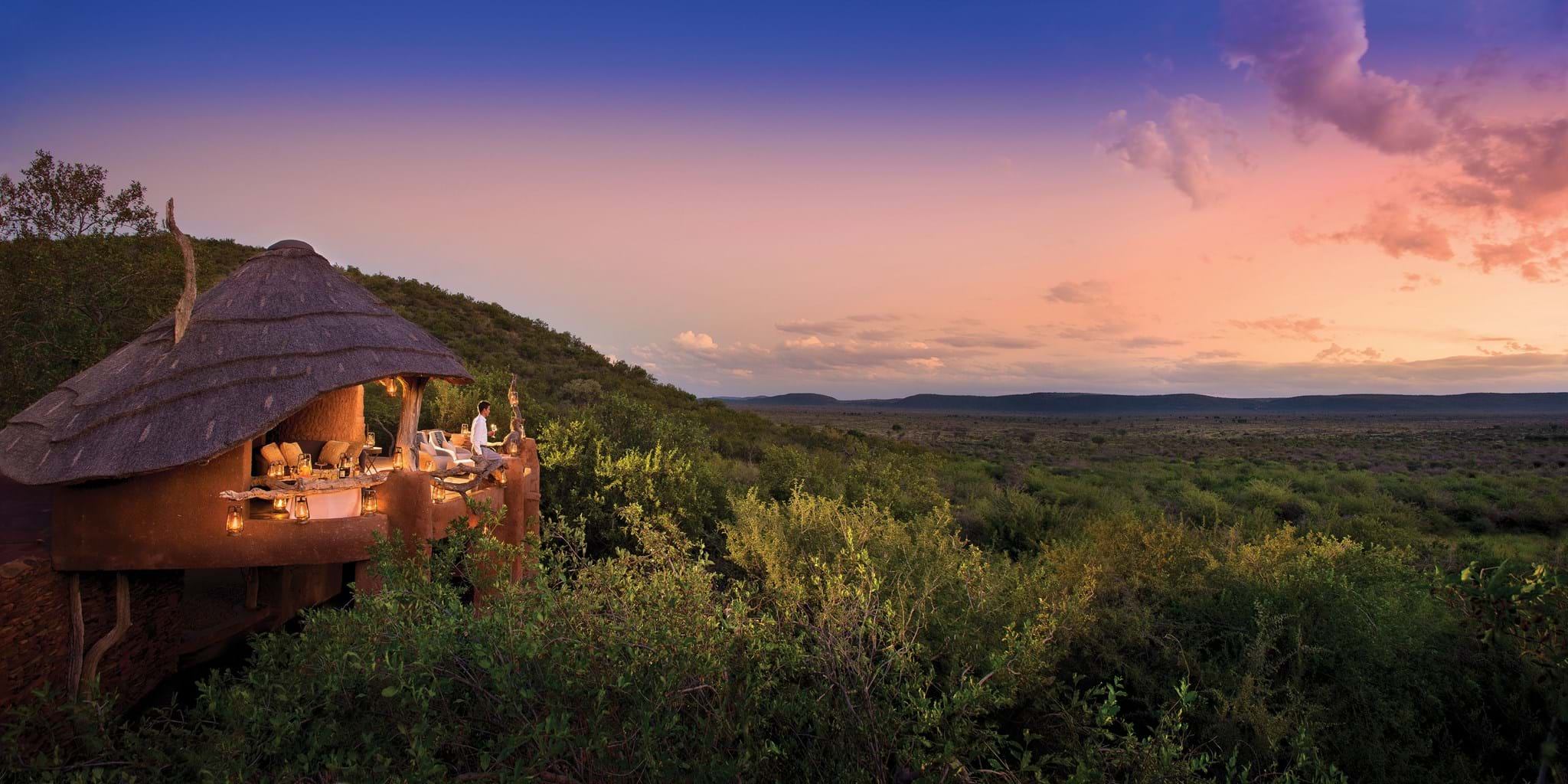
Madikwe Game Reserve is located against the Botswana border in a malaria-free region and only a three-hour drive from Johannesburg and Pretoria. It has grown in stature to become one of South Africa’s premier safari destinations and is home to the Big 5 (elephant, rhino, buffalo, leopard and lion). It spans an area of some 75 000 hectares with twenty luxury lodges nestled in the lush bushveld.
Madikwe Game Reserve has been developed as an ultra-luxury safari destination and most of the lodges and eco-camps are priced above the ordinary safari travellers budget. This means Madikwe Game Reserve is a lot quieter and more exclusive than the more popular reserves like the Kruger National Park and the Pilanesberg Game Reserve.
Madikwe Game Reserve is located on the basin of the Marico River and is known for its spectacular scenery. Riverine nirvana blends with open savanna grasslands and wooded thickets. The river vegetation is lush and game viewing along the banks is excellent. Most guest lodges at Madikwe Game Reserve are positioned for guests to enjoy breath-taking views of the valley and the Dwarsberg Mountains.
The reserve is managed in a three-way partnership where the state protects the land and wildlife; private enterprises run the exclusive lodges and the local community benefit from job creation and money raised through levies.
Places to stay at Madikwe range from privately-owned lodges to high-end luxury resorts. It’s home to the Big 5 and an impressive array of predators, antelope and birds. A Madikwe safari is restricted to guests staying at one of the luxury lodges and day visitors are not allowed.
Madikwe offers a premium safari experience without requiring travellers to enter a malaria-risk region.
The reserve’s principal advantages include:
Madikwe works especially well for travellers who want the principal safari arrangements handled before arrival.
Feature | What to expect |
Location | North West Province, South Africa |
Nearest international gateway | Johannesburg |
Position | Near South Africa’s border with Botswana |
Reserve size | Approximately 75,000 hectares |
Malaria status | Malaria-free safari region |
Wildlife | Big Five, African wild dogs and and varied plains game |
Safari format | Professionally guided lodge game drives |
Public self-driving | Not offered in the same way as Kruger or Pilanesberg |
Accommodation | Safari lodges ranging from family-friendly to ultra-luxury |
Typical road transfer | Approximately 4.5 hours from Johannesburg, depending on conditions |
Fly-in access | Available through scheduled or charter arrangements |
Recommended stay | Three to four days for most first-time visitors |
Dry season | Generally May to September |
Green season | Generally October to April |
Best-known strengths | Malaria-free status, wild dogs, Big Five and family safaris |
Madikwe covers approximately 75,000 hectares, making it South Africa’s fifth-largest game reserve according to current reserve information.
The reserve is located in a transition zone between Kalahari thornveld and more typical South African bushveld. This creates a mixture of open plains, wooded areas, rocky outcrops and mountain views.
Unlike Kruger and many Greater Kruger reserves, Madikwe is situated outside South Africa’s recognised malaria-risk areas.
This gives families and international travellers another way to experience the Big Five without choosing a malaria-region safari.
Madikwe is not open to general day traffic and public self-driving in the same way as Kruger National Park or Pilanesberg National Park. Visitors normally stay at a lodge and explore with professional guides.
This controlled model limits general traffic and contributes to a quieter safari experience.
Lodge game drives are led by trained guides who understand the reserve’s habitats and wildlife patterns. Selected properties also use trackers to help interpret animal signs and locate recent movement.
Madikwe has become well known for family safaris. Several lodges provide family suites, child-friendly meal options, shorter activities and educational programmes.
Madikwe can be reached by road from Johannesburg and Pretoria without a domestic flight. The journey generally takes approximately 4.5 hours, although the final time depends on traffic, road conditions, lodge gate and comfort stops.
Travellers with limited time can also consider flying.
Madikwe was created partly to demonstrate that wildlife tourism could bring greater ecological and economic value to the region than low-yield farming.
The reserve’s model brings together the state, private tourism businesses and neighbouring communities. The state protects the reserve, private operators run safari lodges, and tourism is intended to support local employment and community development.
Madikwe was inhabited almost a million years ago and is an area rich in cultural history. Historical sites with fascinating archaeological finds are found throughout the area. Some have been dated back to the early Stone Age and confirm early man lived and hunted in the Madikwe basin.
Other archaeological finds in Madikwe have been dated to the Iron Age and paint a picture of a larger, more stable civilisation that subsisted on grain and livestock farming, making pottery and smelting metal.
The first Sotho-Twana people to inhabit the Madikwe basin were the Hurutshe who settled on the Marico River. Their main settlement became one of South Africa’s largest towns, although most of its original inhabitants moved further south to the Magaliesberg.
Madikwe has suffered from long periods of tribal conflict and unrest, fuelled by territory wars between the indigenous people and the European settlers. The Difaqane was a period of serious unrest which forced the Sotho-Tswana people to relocated their homes to the top of mountains where they were more protected. The root of the conflict stemmed from the introduction of a maize variety that was easier to cultivate than traditional African maize which led to fights over land that was needed for farming.
In 1810, the region experienced one of the worst droughts in its history. It had a devastating impact on grain farming which led to wide-spread famine that resulted in pillaging and the annihilation of neighbouring clans. Together with the Difaqane period, the Sotho-Tswana culture was virtually illuminated and left the Marico River Valley in ruins.
The name Marico comes from the Tswana word “malico” which means “drenched in blood” and refers to the worst battle that destroyed a large settlement in 1823.
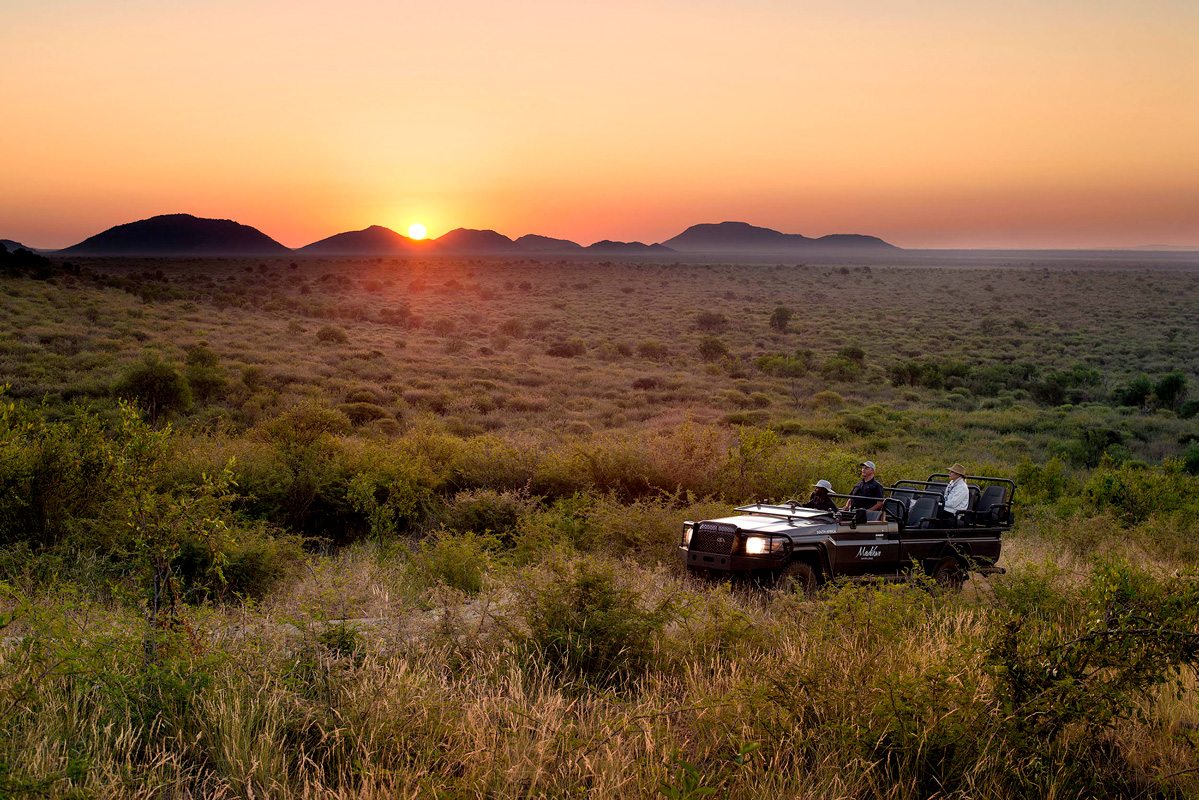
Madikwe Game Reserve lies in a unique location; a transition zone on the edges of the Kalahari Desert where several rare species occur naturally in the indigenous bush. The climate is generally mild to hot with a lush sub-tropical environment.
The game reserve is relatively close to the more famous Pilanesberg Game Reserve and the government has given the go-ahead to develop a protected area that will create a wildlife corridor between the two major national parks.
The game reserve takes its name from the Madikwe or Marico River. It is graded as a river least impacted by environmental litter and is one of the few remaining such rivers in the country. The water is clear and safe to drink and most farms and households along the course source water directly from the river. The waters of the Marico River flow through a few large dams and, at the confluence of the Crocodile River, becomes the mighty Limpopo River.
The catchment area in region is spectacular, made up of wild bushveld area with koppies (small hills), kranse, ancient indigenous trees and lush vegetation. Property owners in the area are dedicated to its preservation and wildlife conservation initiatives, safeguarding its status as a premier safari destination in South Africa.
Madikwe Game Reserve is the only place in Africa where two unique antelope can be found in the same habitat; Springbok usually found in the dry Karoo region and Kalahari Gemsbok from the northern desert region.
Madikwe Game Reserve is located 90 kilometres north of the town of Zeerust on what used to be farm lands. The soil was poor and farming was not successful in the area and after extensive research by the government was declared a national park. The wildlife relocated project started in 1992 under the codename Operation Phoenix and involved relocated entire breeding herds of elephant, Cape buffalo, black and white rhino and species of antelope.
Operation Phoenix was also responsible for the re-introduction of rarer predatory species such as the Transvaal lion, cheetahs, spotted hyenas and Cape wild dogs. When the re-location project was complete, the game count at Madikwe Game Reserve stood at over 10 000 large mammals.
A small group of six wild dogs was introduced into the reserve in the mid-1990s. They were hit by an outbreak of rabies and nearly wiped out in territorial clashes with lions and hyena but the wild dog population is thriving. There are three hunting packs roaming the game reserve to the delight of tourists on a Madikwe safari.
The game reserve has been expanded in recent years by bringing down fences between neighbouring private farms. There are 30 lodges on Madikwe Game Reserve and additional 6 lodges on the neighbouring private farms. Madikwe has also established Community Lodges which local villages own and run for a profit. Madikwe Game Reserve is now the fifth largest game reserve in South Africa but less well-known as its premier safari status precludes it from being accessible to everyone.
Madikwe’s conservation story is unusual because much of its wildlife area was actively restored rather than simply fenced around an existing animal population.
Before the reserve was established, the area consisted largely of degraded livestock farms. Studies concluded that conservation and tourism offered a more sustainable use for the land.
Beginning in the early 1990s, Operation Phoenix reintroduced wildlife to the new reserve. Over several years, thousands of animals representing numerous species were moved into Madikwe.
The programme included herbivores and predators and helped establish the diverse wildlife population found in the reserve today. The project is widely described as one of the largest wildlife translocation projects undertaken at the time.
Operation Phoenix matters because it demonstrates how ecological restoration alongside tourism and local economic goals can be combined. The reserve’s current conservation goals are ongoing and include habitat management, wildlife security and maintaining constructive relationships with neighbouring communities.
Wild dogs are special feature of Madikwe Game Reserve and their numbers have grown through focused conservation efforts. These rare and fascinating predators make up the “Big 7” at Madikwe along with a cheetah.
A century ago, packs of African wild dogs more than 100 members strong roamed free the Serengeti Plains. Over time, African wild dog populations in central and northeast Africa were wiped out, and across Africa their numbers continued to decline. Wild dogs are now an endangered species with fewer than 5 000 wild dogs living behind fences in African reserves.
A founding group of six African wild dogs was introduced to Madikwe Game Reserve in 1994. The small group suffered lion attacks and a rabies outbreak but the good news is the hardy canines survived and established a strong resident clan
Wild dogs are also known as Cape hunting dogs or painted dogs because of their black, white and tan coats. They are formidable hunters and thrive through co-operative hunting and food sharing. They travel long distances while on the hunt which has been a problem in the past where they have crossed over onto livestock farming land. They were almost shot to extinction but valiant attempts to preserve the species have seen the packs of wild dog in South Africa slowly but surely growing.
The quirky canines are highly sociable animals and live in packs ranging from 5 to 15 members. A strict hierarchy exists within the packs which are led by an alpha male or female. The young pups and their “babysitters” are fed regurgitated meat from the hunting dogs and the old and sick are taken care of by the females in the pack. Wild dogs have a kill success rate of 80% compared to lions who manage about 30%.
The close-knit social structure of wild dogs has many advantages but the major issue is an entire clan can be wiped out if there is an outbreak of rabies or distemper. Wild dogs have been cruelly persecuted by man but are now under their protection but disease and loss of habitat are still a threat. Wild dogs need a large area for hunting and are often restricted by the game range fences.
Madikwe supports the Big Five and a wide variety of other mammals and birds.
Wildlife | What travellers should know |
Lion | Several prides and individual lions use the reserve |
Leopard | Present but naturally elusive |
Elephant | Herds and bulls occur across Madikwe |
Rhino | Both conservation and security remain important |
Buffalo | Found in herds and smaller groups |
African wild dog | One of Madikwe’s most important wildlife attractions |
Cheetah | Present in suitable open habitat |
Yes. Lion, leopard, elephant, rhino and buffalo live in Madikwe.
However, no reputable operator can guarantee that every guest will see all five. Animals move freely within the large reserve, and visibility changes with habitat and season.
A longer stay provides more game drives and therefore more opportunities, but sightings are still natural and unpredictable.
African wild dogs are highly endangered and naturally occur at low densities. They require large territories and can travel significant distances in a day.
Madikwe became known for wild-dog conservation following their reintroduction and subsequent management in the reserve. The reserve is now regularly included among South Africa’s important wild-dog destinations.
Even here, sightings are not guaranteed. Packs can move rapidly and may spend time far from a lodge’s usual game-drive area.
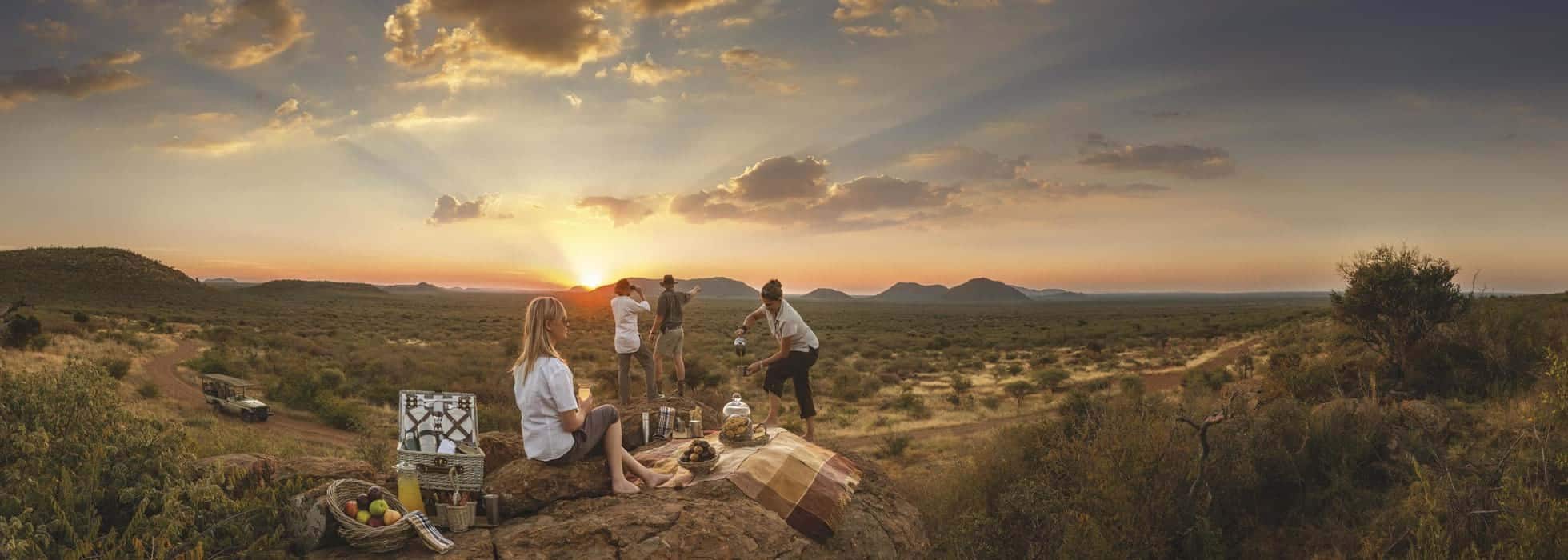
Madikwe offers year-round wildlife viewing. Seasonal conditions affect temperature, visibility, birdlife and lodge rates.
Winter has cooler temperatures and thinner vegetation with higher visibility.
Advantages:
Considerations:
Summer brings rain with warmer temperatures and greener scenery. Migratory birds arrive and many herbivores have young.
Advantages:
Considerations:
View Kruger National Park Dry Season vs Wet Season
There is no guaranteed wild-dog season. Pack movement and denning behaviour affect the likelihood of a sighting.
Madikwe’s family-friendly lodges are popular during South African and international school holidays. Book well in advance if you need family suites or a private vehicle.
Winter offers clearer visibility and wildlife around water. Summer provides green backgrounds and strong bird photography.
Period | Season and conditions | Wildlife viewing | Best suited to | Practical considerations |
January to February | Hot, green and humid, with afternoon thunderstorms | Wildlife viewing remains rewarding, although thicker vegetation can make animals harder to spot | Birdwatchers, photographers and travellers who enjoy lush scenery | These are usually the wettest months. Rain often falls in short, heavy bursts rather than lasting all day |
March to April | Warm days, greener landscapes and gradually decreasing rainfall | Good general wildlife viewing, with fewer dense summer conditions as the season changes | Travellers seeking a balance of pleasant weather, green scenery and quieter lodges | A useful shoulder-season option, although conditions vary depending on the timing of the rains |
May to June | Start of the dry winter season, with mild days and cold mornings | Very good. Vegetation begins thinning, and wildlife becomes easier to locate | First-time safari guests, families and travellers who prefer cooler weather | Pack warm layers for early-morning and evening game drives |
July to September | Dry, sunny winter weather with sparse vegetation | Often the strongest period for wildlife viewing, as animals gather near reliable water sources | Travellers prioritising wildlife sightings and photography | Early mornings can be very cold, and popular lodges may fill well in advance |
October | Hotter temperatures and the transition towards the rainy season | Generally very good, especially before the first substantial rains arrive | Travellers wanting warm weather and strong dry-season viewing | Heat can build during the day, while the timing of the first rains is unpredictable |
November to December | Green season begins, bringing warmer weather, fresh vegetation and summer storms | Good, with strong birding and opportunities to see young animals | Birders, repeat safari travellers and guests who value colourful landscapes | Thicker vegetation can reduce visibility, and festive-season dates may be busy |
View Best Time for a Madikwe Safaris
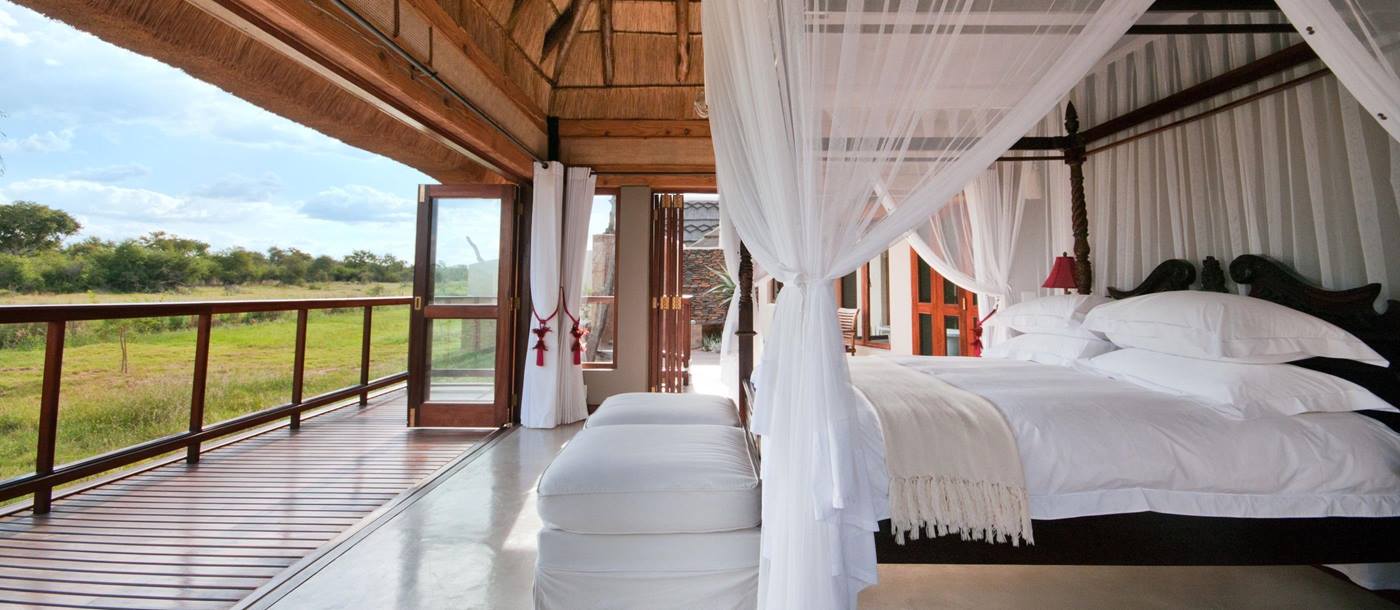
Madikwe lies outside South Africa’s recognised malaria transmission areas. Travellers generally do not face the same malaria exposure considerations associated with Kruger and parts of north-eastern South Africa.
This does not mean that Madikwe is free of mosquitoes or other insects. Normal bite-prevention measures can still make a safari more comfortable.
Parents often prefer Madikwe because it combines:
A malaria-free location does not remove the need to plan carefully for children. Families should still check age restrictions, sun protection, hydration, travel insurance and access to medical care.
International guests can add Madikwe to a Johannesburg itinerary without travelling to the far north-east of South Africa. This makes it a convenient choice for shorter holidays.
Some older travellers and guests with specific health concerns prefer a malaria-free destination. Individual health circumstances differ, so travel decisions should be discussed with a qualified medical professional.
Yes. Obtain personalised travel-health advice before visiting any remote wildlife area, particularly if you are pregnant, travelling with young children, managing a health condition or taking regular medication.
MoAfrika and safari lodges can provide destination information, but they cannot replace medical advice.
Many of the places to stay in Madikwe Game Reserve adhere to the main principles of eco-tourism where the aim is to operate having a minimal impact on the natural environment and working with local communities on sustainable conservation initiatives that are mutually beneficial.
The eco-tourism principles include:
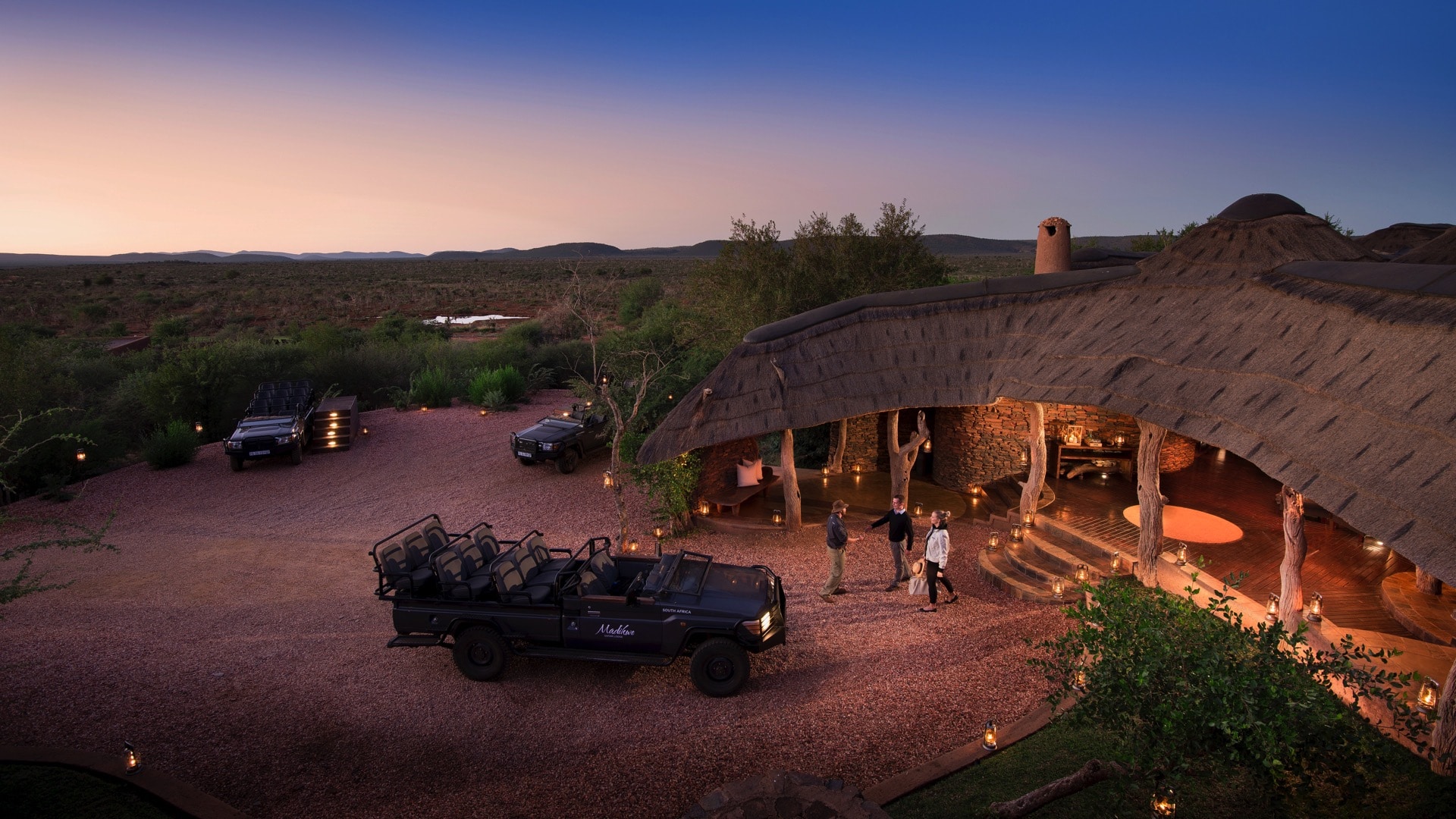
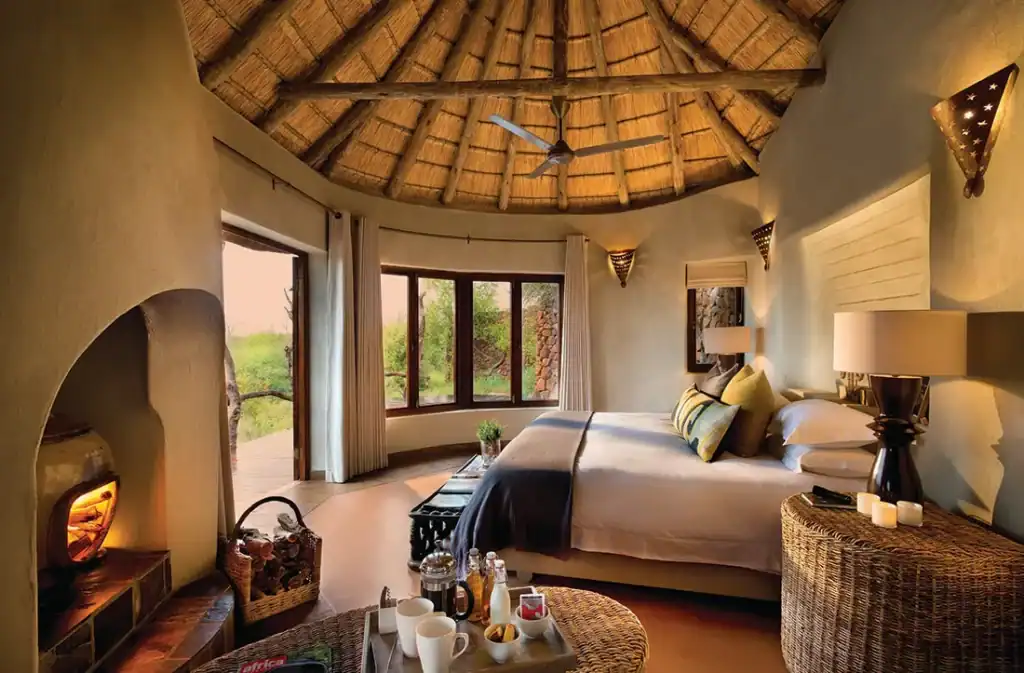
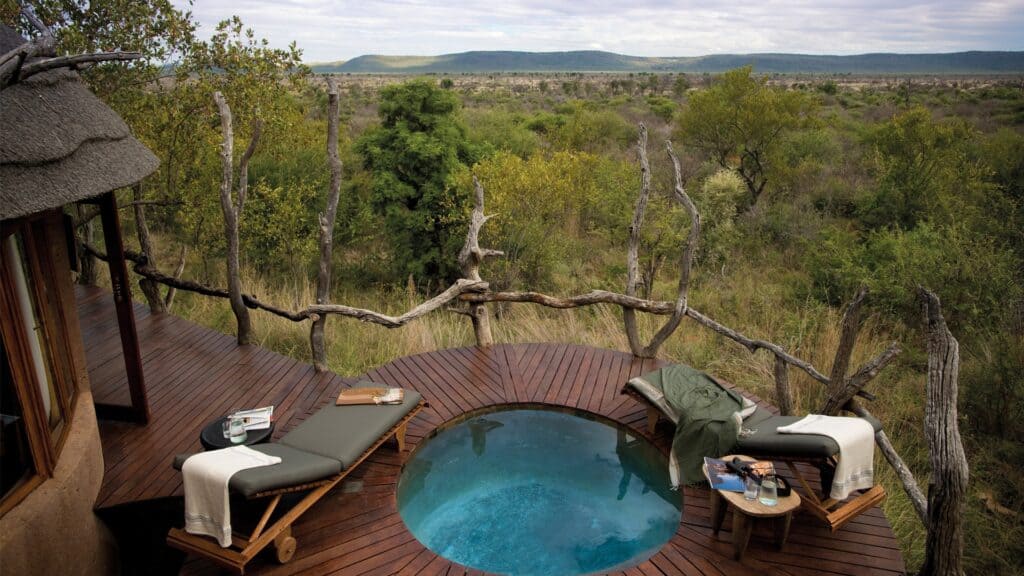
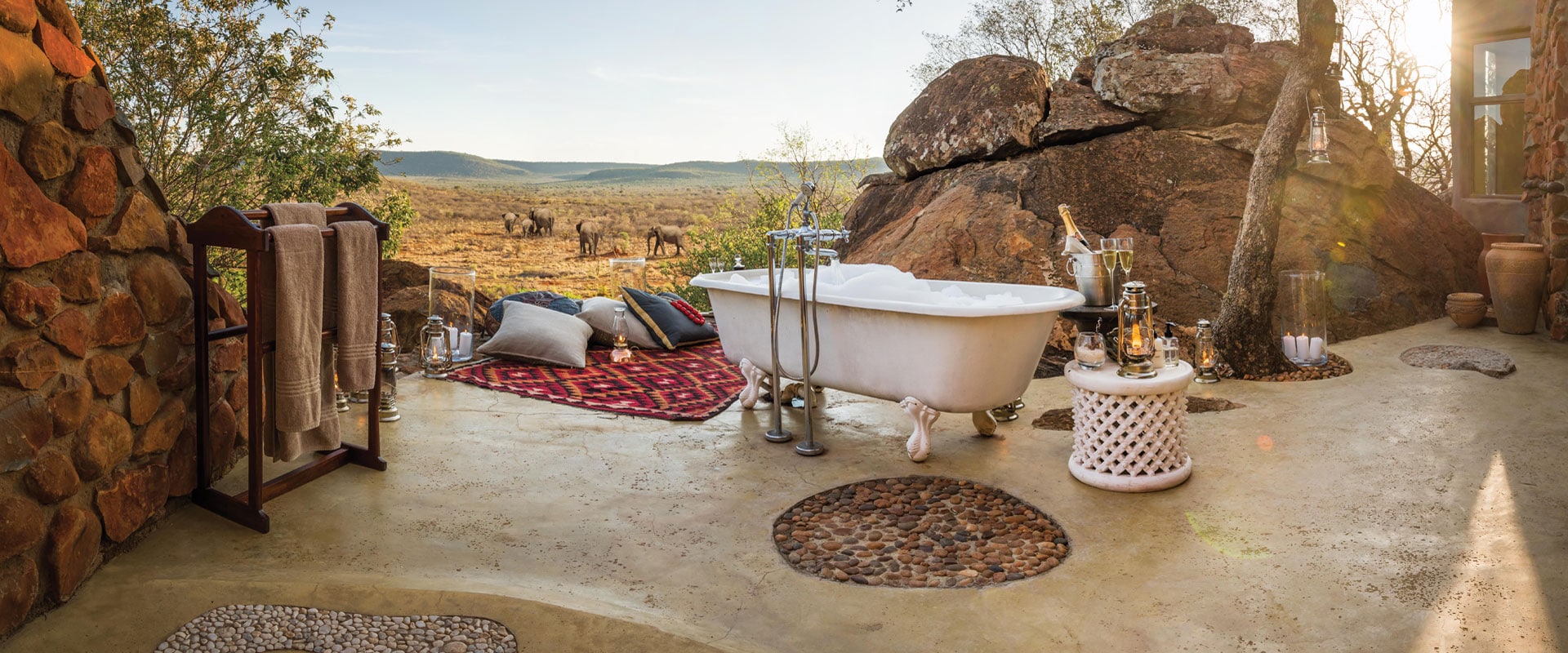
Luxury packages generally include premium accommodation, meals and morning and afternoon game drives. Many lodges offer private decks, pools, spa treatments or rooms overlooking waterholes.
Family packages use lodges with suitable rooms, child-friendly meal options and age-appropriate activities. A private game-drive vehicle may allow greater flexibility for younger children.
Never assume that every Madikwe lodge accepts children of every age.
Travellers can fly from Johannesburg to an airstrip serving the Madikwe region, subject to current schedules and charter availability.
Madikwe’s intimate suites with private decks suit honeymooners and couples. Adults-focused lodges or separate lodge sections may provide more privacy than family-oriented properties.
Wild-dog potential and predator viewing in varied environments make Madikwe attractive to photographers. A private vehicle provides greater control.
A private package may include exclusive road transport, a private vehicle or an entirely customised itinerary. Confirm each private component separately.
Madikwe’s road access from Gauteng makes a two- or three-night weekend possible. Three days generally provides better value than one overnight because it allows more time for game drives.
Duration: Three, four or five days
Accommodation: Luxury lodge overlooking a waterhole
Typical inclusions: Johannesburg transfers, accommodation, meals and scheduled game drives
Best for: First-time visitors, couples and families
Highlight: Lodge-based wildlife viewing between game drives
Duration: Two to five days
Accommodation: Premium suites in separate lodge environments
Typical inclusions: Accommodation, meals, guided game drives and specified transfers
Best for: Families, couples and multi-generational groups
Highlight: A choice of lodge sections suited to different traveller types
Duration: Two to five days
Accommodation: Luxury suites in a more intimate setting
Typical inclusions: Accommodation, meals, scheduled safari activities and listed transfers
Best for: Couples and luxury travellers
Highlight: Small-lodge atmosphere and personal service
Duration: Four or five days
Accommodation: Intimate luxury lodge
Typical inclusions: Accommodation, meals, guided activities and transfers as specified
Best for: Couples, families and small groups
Highlight: Low-key luxury and a relaxed atmosphere
Duration: Three to five days
Accommodation: High-end suites in a rocky hillside setting
Typical inclusions: Accommodation, meals, guided game drives and transfers
Best for: Premium travellers and special occasions
Highlight: Elevated views and exclusive lodge design
Duration: Three to five days
Accommodation: Luxury suites
Typical inclusions: Accommodation, meals, safari activities and specified transfers
Best for: Couples and travellers wanting a smaller lodge
Highlight: Premium accommodation within a malaria-free reserve
Duration: Three to five days
Accommodation: Premium luxury suites
Typical inclusions: Accommodation, meals, guided activities and listed transfers
Best for: Luxury travellers and special occasions
Highlight: High-service lodge experience
Style: Established luxury lodge overlooking a waterhole
Atmosphere: Comfortable, accessible and wildlife-focused
Wildlife experience: Guided drives and lodge-based waterhole viewing
Best for: First-time guests, couples and families
Style: Premium suites arranged across distinct lodge sections
Atmosphere: Varies from family-friendly to more private
Wildlife experience: Guided open-vehicle safaris
Best for: Families, couples and groups needing different room configurations
Style: Intimate luxury property
Atmosphere: Quiet and personal
Wildlife experience: Guided drives and relaxation between activities
Best for: Couples, honeymooners and luxury travellers
Style: Small luxury lodge
Atmosphere: Informal, intimate and relaxed
Wildlife experience: Guided drives with a low-key lodge environment
Best for: Small groups, families and couples
Style: Premium hillside suites
Atmosphere: Exclusive and design-led
Wildlife experience: Guided safaris across lodge traversing areas
Best for: Special occasions and premium-luxury travellers
Style: Luxury lodge with a smaller guest footprint
Atmosphere: Peaceful and private
Wildlife experience: Guided drives and wildlife viewing from lodge areas
Best for: Couples and travellers seeking personal service
Style: High-end suites
Atmosphere: Refined and private
Wildlife experience: Professional guiding and premium lodge facilities
Best for: Luxury travellers and special occasions
Style: Colourful luxury lodge with suites and exclusive-use villas
Atmosphere: Warm, distinctive and family-friendly
Wildlife experience: Professionally guided game drives with dedicated photographic facilities
Best for: Couples, families, photographers and multi-generational groups
Style: Intimate, homestead-style luxury lodge
Atmosphere: Relaxed, personal and family-friendly
Wildlife experience: Twice-daily guided drives and exceptional waterhole viewing
Best for: Families, photographers, older travellers and guests seeking an informal lodge atmosphere