
Tanzania safaris can be varied and diverse across the country’s different regions and experiences.
For example, the Northern Circuit has several famous safari destinations on one route. Nyerere and Ruaha are a different wilderness experience in southern Tanzania. Added to this, the choice of private vehicles or shared departures and flights between safari areas each change the pace and cost of the trip.
This page will help you compare those choices before making an enquiry. MoAfrika’s Tanzania safari packages are currently being developed; specific routes, departure dates and availability need to be confirmed with the team.
Request a Tanzania safari quote: Tell us your dates, approximate budget and wildlife interests using the enquiry form. You don’t need to have your itinerary worked out first.
For most first-time visitors, a 5- to 7-day Tanzania safari covering the Serengeti, Ngorongoro Crater and Tarangire offers a good introduction to the country’s northern wildlife circuit.
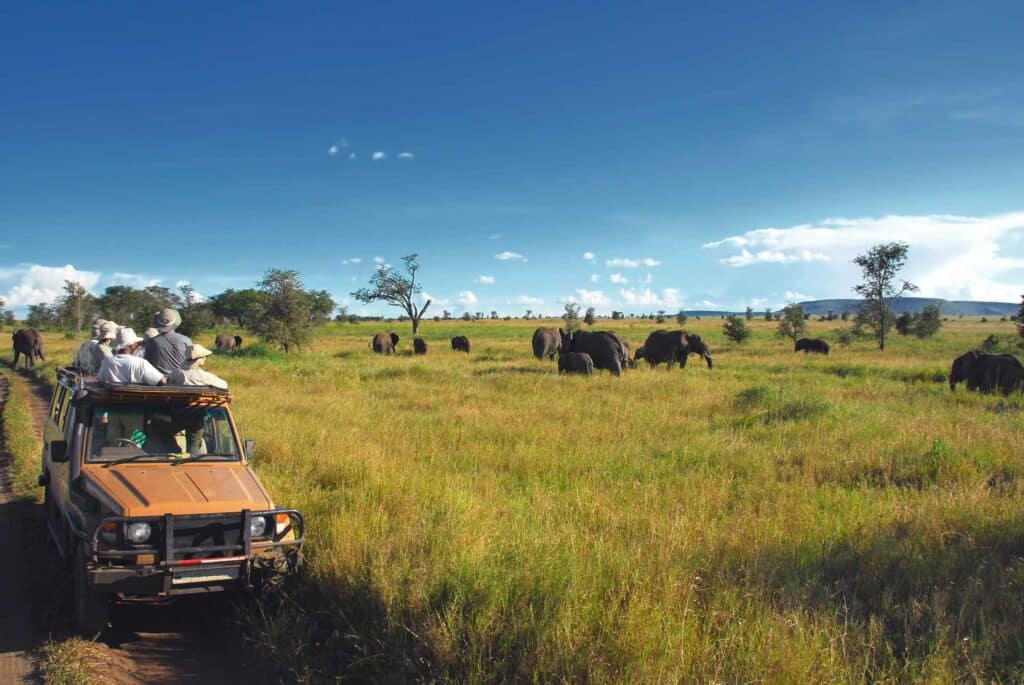
The Serengeti is known for its open plains, predators and the Great Migration. Ngorongoro offers wildlife viewing within a remarkable volcanic caldera, while Tarangire is particularly rewarding for elephants and baobab scenery.
A shorter safari can still be worthwhile, especially around Tarangire and Ngorongoro. Travellers who want to explore the Serengeti at a more relaxed pace should usually allow extra days.
There is no single itinerary that suits everyone. Your travel dates, budget, and interest in particular wildlife experiences will help determine the right route.

If you want… | Consider… | What to weigh up |
A first Tanzania safari | Northern Circuit | Combine complementary parks without spending every day travelling |
The Great Migration | A Serengeti-focused route | Match your dates to the likely location of the herds |
Elephants and baobab scenery | Tarangire | Dry-season wildlife concentrations are a particular attraction |
A short northern safari | Tarangire and Ngorongoro | Keep the route manageable; adding Serengeti introduces more travel |
A remote wilderness setting | Ruaha or Nyerere | Check access, camp location and the activities available |
Wildlife viewing from a boat | Nyerere | Confirm that a Rufiji River boat safari can operate during your stay |
Relaxed Serengeti game drives | A safari of 6–8 days or longer | Allocate several nights to the relevant area of the park |
Safari followed by beach time | A northern or southern safari with Zanzibar | Allow separate time and budget for the beach stay and connections |
Travellers can explore the relevant options through budget Tanzania safaris, luxury Tanzania safaris, fly-in Tanzania safaris and family Tanzania safari holidays.

Most first-time travellers focus on Tanzania’s northern safari circuit. It brings together several well-known wildlife areas within a route that can be explored over a week or longer.
There are also excellent safari destinations farther south and west, although these generally require more travel time or additional flights.
The Serengeti National Park is often the main reason travellers choose Tanzania.
Its wide grasslands, scattered rocky outcrops and extensive wildlife populations create the sort of landscape many people imagine when they think about an African safari.
The Serengeti is particularly known for:
Wildlife viewing is possible throughout the year, but different parts of the park become more relevant as the migration moves.
One common mistake is booking accommodation in the wrong part of the Serengeti for the wildlife experience you have in mind. The park is enormous, and reaching a particular migration area can involve substantial driving.
For travellers who want to spend time watching animal behaviour rather than constantly changing locations, two or three nights in the Serengeti usually make more sense than a rushed overnight stop.
The Ngorongoro Crater offers a very different safari experience.
The crater floor contains grasslands, woodland, wetlands and seasonal water sources within the walls of a large volcanic caldera.
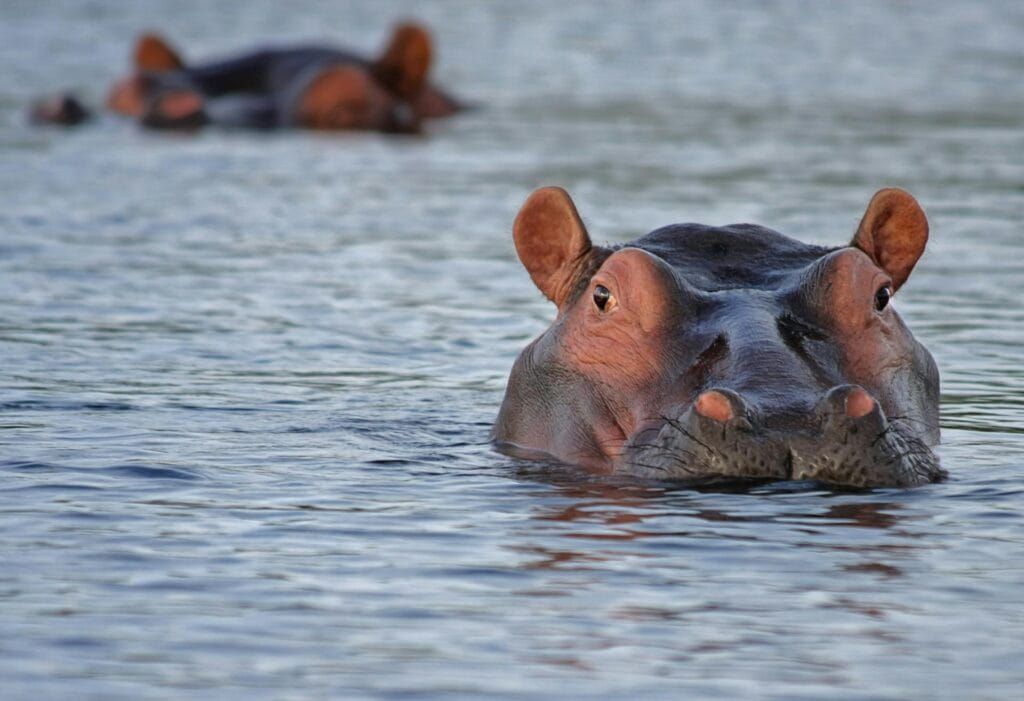
Travellers may encounter lions, elephants, buffalo, hippos and several antelope species. Black rhinos also occur here, although sightings are never certain.
Ngorongoro is particularly popular with first-time safari visitors because wildlife can often be encountered across a relatively compact area.
That does not mean every game drive will produce the same results.
The crater can become busy, particularly during popular travel periods. Access times and vehicle movements are regulated, so guests should expect a structured game drive rather than unrestricted exploration.
For many northern circuit itineraries, one well-planned crater visit is a worthwhile addition.
Tarangire National Park sometimes receives less attention than the Serengeti, but it can be one of the most enjoyable stops on a northern Tanzania safari.
The park is known for its elephants, large baobab trees and seasonal wildlife concentrations around the Tarangire River.
During the drier months, animals often move towards remaining water sources. This can make certain areas particularly productive for game viewing.
Tarangire is a good choice for travellers who enjoy:
It is also relatively convenient for itineraries starting around Arusha.
If you have only a few days available, Tarangire and Ngorongoro can form a sensible shorter safari combination without the longer journey into the Serengeti.
Lake Manyara National Park is smaller than the Serengeti, but its scenery changes noticeably as you move through the park.
Groundwater forests, open areas, wetlands and lake habitats support a variety of wildlife and birdlife.
Travellers may see elephants, giraffes, buffalo, baboons and hippos, depending on conditions and the areas visited.
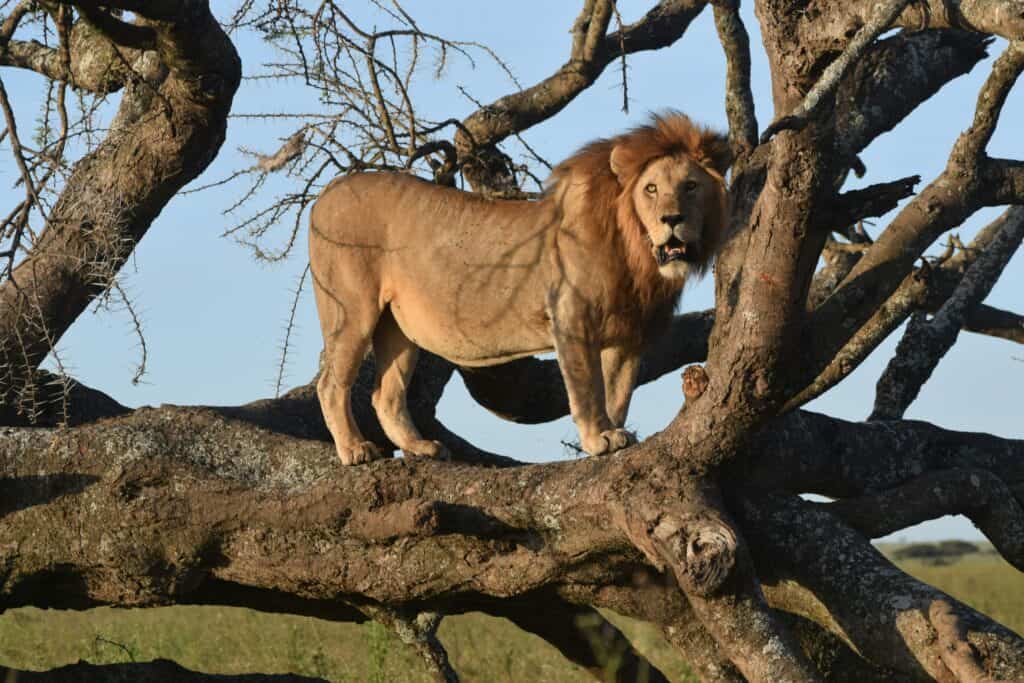
Lake Manyara is sometimes associated with tree-climbing lions. They do occur in the region, but visitors should not plan their entire safari around seeing this behaviour.
For many guests, the appeal is the changing landscape and the opportunity to add a different habitat to a northern circuit safari.
Tanzania’s southern safari areas are worth considering if you have already visited the Serengeti or prefer a different style of safari.
Ruaha National Park is known for its extensive wilderness landscapes, elephants and predators. Nyerere National Park offers a mixture of woodland, river systems and wildlife habitats, with boat-based safari activities available in suitable areas through authorised operators.
These destinations can feel less crowded than the best-known northern parks, although access is often more complicated and fly-in arrangements may be worthwhile.
They are not automatically better than the Serengeti. They simply offer a different experience.
Destination | Main appeal | Typical time to allow | Good for |
Serengeti | Predators, open plains, and migration | 2–4+ nights | First-timers, photographers, migration-focused guests |
Ngorongoro Crater | Diverse wildlife within a caldera | 1 crater game-drive day | Shorter itineraries and first-time visitors |
Tarangire | Elephants, baobabs and seasonal wildlife | 1–2 nights | Families, photographers and elephant enthusiasts |
Lake Manyara | Forests, birdlife and varied habitats | Half to full day | Mixed northern circuit itineraries |
Ruaha | Expansive wilderness and predators | 3–4 nights | Repeat safari travellers |
Nyerere | River habitats and varied safari activities | 3–4 nights | Travellers seeking a southern circuit experience |
The best route is not necessarily the one that includes the most parks.
Spending more time in two or three well-chosen areas can be far more rewarding than rushing through five destinations in the same number of days.
Two separate choices determine your safari: who shares your vehicle and how you travel between destinations. A private safari can be road-based or fly-in, while a fly-in stay can still involve shared game drives.
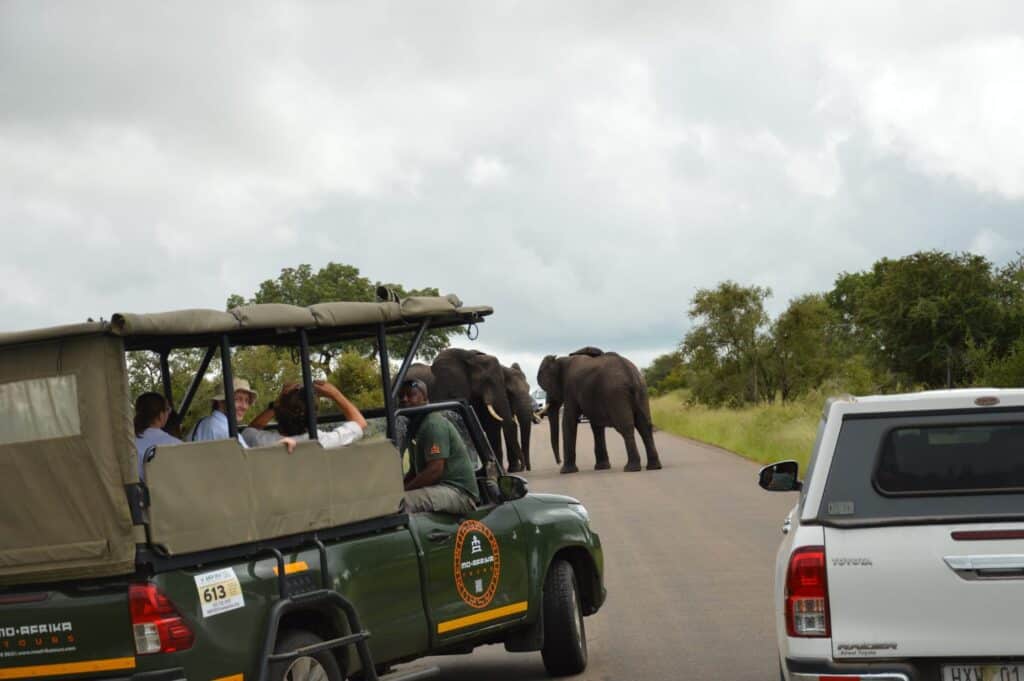
A private road safari gives your party a dedicated vehicle and driver-guide. This can make a real difference if you are travelling with children, enjoy photography or prefer to spend longer at a sighting.
A dedicated vehicle usually costs more for a solo traveller or couple than joining a shared departure, although the comparison changes as your party grows.
Shared departures can spread vehicle and guiding costs across more guests. They usually follow a fixed or semi-fixed route.
A road safari lets the journey between northern parks form part of the holiday. This option also make financial sense when several people share a private vehicle.
Ask for approximate transfer times and a clear distinction between travel days and full game-drive days.
Flying is a good option when you have less time or you want to reach a more distant safari area. A fly-in is especially useful for southern destinations and some Serengeti stays.
Allow for airport connections and luggage restrictions. Flights save time on suitable routes, but their schedules still affect your day. See our Tanzania fly-in safaris page for more on this travel style, then ask the team to confirm current options.
One of the most important decisions is how much time to allow.
Tanzania’s northern safari circuit looks relatively straightforward on a map, but road journeys can take longer than expected. Wildlife stops, gravel roads, weather and park access arrangements all affect the pace of travel.
A shorter safari is worth considering if you are already travelling in Tanzania or have limited time available.
Tarangire, Lake Manyara and Ngorongoro are practical destinations for shorter itineraries from Arusha.
You can fit a visit to the Serengeti into some four-day routes, but there will usually be a trade-off in driving time and the number of game drives.
For travellers who want a relaxed safari, fewer destinations are often better.
Five to seven days is a sensible starting point for many first-time visitors.
This allows you to combine several northern circuit destinations and spend meaningful time on game drives.
A six- or seven-day itinerary can include Tarangire, Ngorongoro and the Serengeti without having to move accommodation every night.
You will still spend time travelling, but the trip usually feels more balanced.
Longer safaris give guests more freedom to explore different regions of the Serengeti or spend additional nights in particularly productive wildlife areas.
This can be valuable for photographers and travellers interested in the Great Migration.
It also creates opportunities to include quieter destinations, provided the route makes geographical sense.
With more than ten days, you can consider combining northern and southern safari areas, adding a beach stay in Zanzibar or including additional cultural experiences.
Longer does not always mean better, though.
A well-paced seven-day safari can be more enjoyable than a twelve-day itinerary that involves constantly changing lodges.
The following example shows how a first-time visitor might combine the northern safari circuit. It is an illustrative route rather than a confirmed MoAfrika package.
Day | Destination | Safari experience |
1 | Arusha | Arrival, transfer, and overnight stay |
2 | Tarangire | Game drive among baobabs and elephant habitats |
3 | Ngorongoro Highlands | Travel via the northern circuit with time for scenery and rest |
4 | Ngorongoro Crater | Crater game drive and onward travel towards the Serengeti |
5 | Serengeti | Full-day wildlife viewing |
6 | Serengeti | Additional game drives in the chosen region |
7 | Arusha | Return by scheduled flight or a long road transfer, depending on arrangements |
A fly-out option on the final day can reduce travel fatigue. Travellers returning entirely by road may prefer an additional overnight stop or a different distribution of days.
The most suitable itinerary will also depend on where the migration herds are expected to be during your visit.
Tanzania offers wildlife viewing throughout the year, although conditions change with the seasons.
Many travellers choose June to October because the weather is generally drier and vegetation is thinner in several safari areas. Others prefer the greener months, when birdlife becomes more noticeable, and some landscapes are particularly attractive.
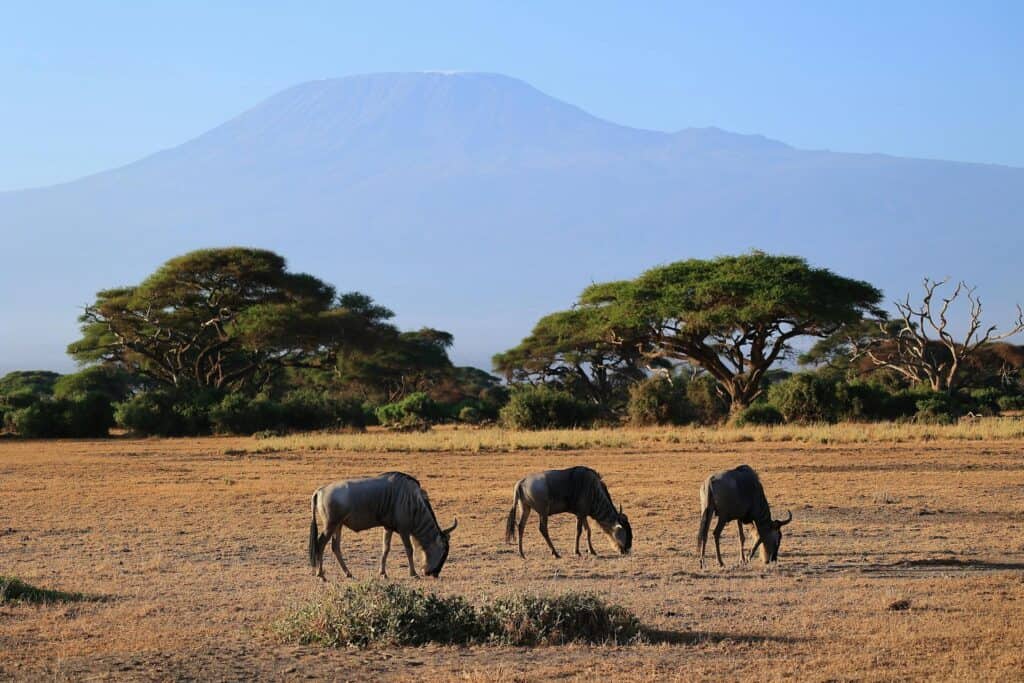
The Serengeti is different from many other safari destinations because the Great Migration moves through different regions over the course of the year.
Period | Typical conditions | Main wildlife interest | Considerations |
January–February | Often green, with variable rainfall | Calving season in the southern Serengeti ecosystem | Popular calving areas can become busy |
March–May | Main rainy period in many northern areas | Green landscapes, resident wildlife and birdlife | Muddy roads, heavier rain and some seasonal closures |
June–July | Generally drier | Migration movement towards western and northern areas | Increasing visitor demand |
August–September | Dry-season conditions | Potential Mara River crossings in the north | High demand and busy migration areas |
October | Late dry season in many areas | Wildlife viewing and changing migration movements | Hotter conditions in some regions |
November–December | Short rains in many northern areas | Greener scenery, birds and returning migration herds | Rainfall and herd locations vary |
These periods are guides, not fixed wildlife schedules. Seasonal timing is supported by Tanzania’s tourism authorities and park information, but actual conditions change from year to year.
For many first-time visitors, the dry season is a good choice.
Vegetation is often thinner, and animals may gather around remaining water sources. This can make wildlife easier to spot, particularly in areas such as Tarangire.
The trade-off is that popular parks and lodges can be busier, especially during school holidays and migration-focused travel periods.
Yes, particularly if you enjoy birdwatching, photography, and greener landscapes
The Serengeti still supports resident wildlife throughout the year. Some travellers prefer the green months because they offer different scenery and, outside popular calving areas, potentially fewer visitors.
Rain can affect roads and travel arrangements, especially during the main wet season. A good itinerary should account for this rather than simply promise lower prices.

The Great Migration is one of Tanzania’s best-known wildlife events, but it is also one of the most misunderstood.
Many people imagine a single enormous herd crossing a river on a particular day. In practice, the migration is a continuous seasonal movement involving large numbers of wildebeest, zebra, and other grazing animals.
Herds follow changing grazing and water conditions through the Serengeti ecosystem and into Kenya’s Maasai Mara.
Approximate period | Region to consider | Wildlife experience |
December–March | Southern Serengeti and Ndutu area | Grazing herds, calving and predator activity |
April–May | Southern and central Serengeti | Herd movements as seasonal conditions change |
May–July | Western and central Serengeti | Moving herds and possible river crossings |
July–October | Northern Serengeti | Potential Mara River crossings |
October–December | Northern, eastern and central areas | Herds moving with changing rainfall and grazing |
These are broad patterns. The migration does not follow a calendar precisely.
No.
Even when large herds are gathered near the Mara River, they may wait for hours or days before crossing. Sometimes they approach the water and turn away.
A guide can position guests in areas where activity is more likely, but nobody can guarantee when or where a crossing will happen.
If river crossings are your main interest, staying several nights in the northern Serengeti during the relevant season gives you more opportunities than making a single short visit.
It is also worth remembering that the migration is about more than river crossings. Watching thousands of animals move across the plains, or seeing newborn calves during the southern calving season, can be equally rewarding.
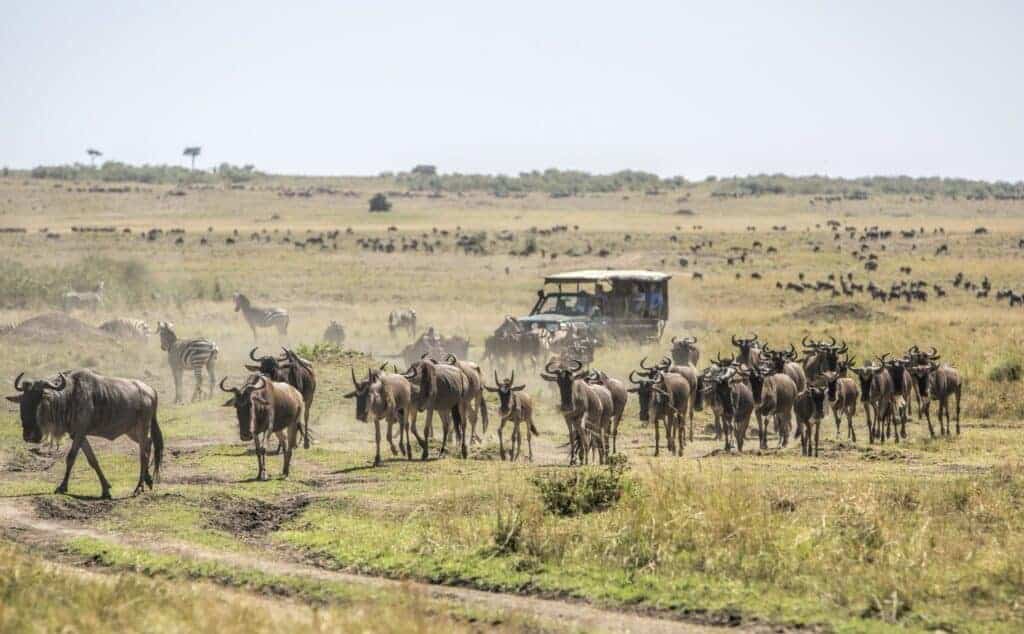
Tanzania safari prices vary considerably. Accommodation standards, national park fees, vehicle arrangements, season, and transport all influence the final cost.
A short camping safari will usually cost less than a private lodge safari, while fly-in itineraries tend to be more expensive because of the additional flights.
Cost factor | How it affects your budget |
Safari duration | More nights generally mean higher accommodation, guiding, and park costs |
Accommodation | Camping, mid-range lodges, and luxury camps have different rates |
Private vs shared safari | Sharing vehicle costs can reduce the price per person |
National park and conservation fees | Fees vary by destination, visitor category, and length of stay |
Season | Popular migration periods can attract higher accommodation rates |
Road vs fly-in transfers | Domestic flights save time but increase costs |
Group size | Private safari costs can become more manageable when shared |
Optional activities | Balloon safaris, cultural visits, and additional excursions cost extra |
Rather than choosing a safari based only on the advertised price, look carefully at what is included.
A lower-priced package may not represent better value if essential transfers, park fees, or meals need to be paid separately.
A budget safari does not mean poor wildlife viewing.
Guests staying in simpler accommodation can explore many of the same national parks as travellers paying for luxury lodges.
The difference is generally in comfort, privacy, service and convenience rather than exclusive access to wild animals.
Luxury camps can offer excellent locations, more spacious accommodation and a quieter atmosphere. However, a good guide and a well-planned route remain important at every price level.
For many travellers, a comfortable mid-range safari offers a sensible balance.
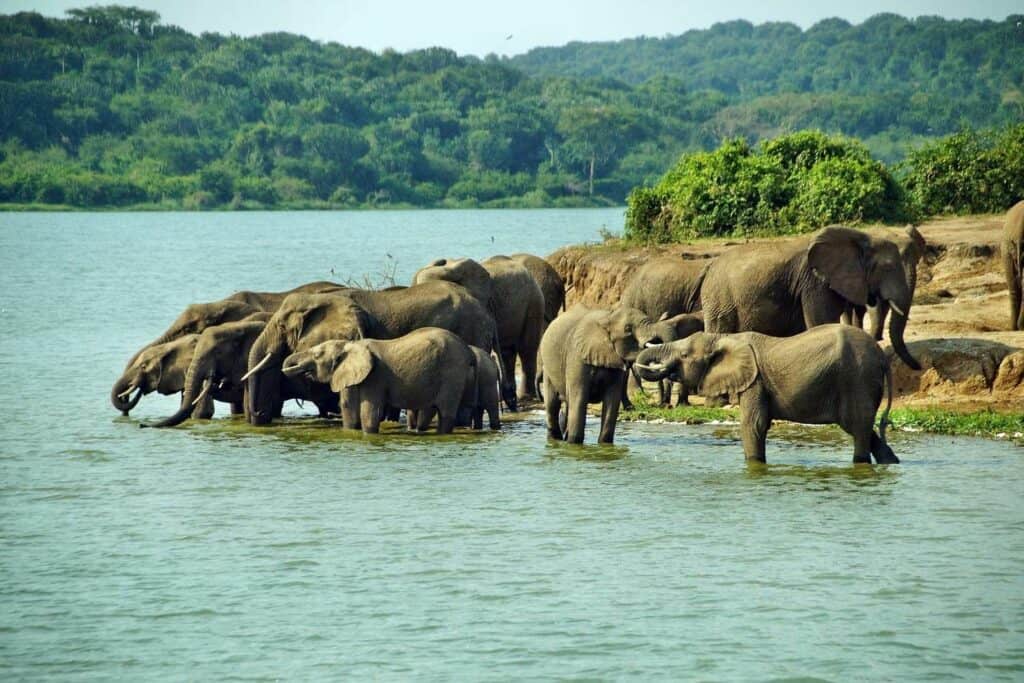
Private and shared safaris can both provide worthwhile wildlife experiences, but they suit different travellers.
Feature | Private safari | Shared safari |
Vehicle | Reserved for your party | Shared with other guests |
Guide attention | Focused on your group | Shared among participants |
Game-drive flexibility | Greater, within park rules | Usually follows a group schedule |
Cost per person | Often higher | Usually more affordable |
Photography | More control over stops and viewing time | Requires some compromise |
Social experience | More personal | Opportunity to meet other travellers |
Families | Often convenient | Depends on ages and group arrangements |
For families, couples and photographers, a private safari can be worth the additional expense.
You can spend longer at sightings that interest you and avoid negotiating every stop with a larger group.
Shared safaris remain a good option for solo travellers and guests who prefer a more affordable, social experience.
Neither option guarantees better wildlife sightings.

One of the biggest surprises for first-time Tanzania visitors is how much time can be spent travelling between parks.
Road safaris offer the chance to experience changing landscapes and local areas along the route. They can also be more affordable.
Fly-in safaris reduce long transfers, particularly when visiting remote camps or travelling between distant regions.
A flight does not necessarily remove every road journey. Guests may still need transfers between airstrips and lodges, and flight schedules can change.
For a shorter safari, paying extra for a flight may be worthwhile if it gives you more time on game drives.
For a longer trip, travelling by road can be part of the experience.
Explore Tanzania fly-in safari options if reducing travel time is a priority.
Tanzania can be a rewarding destination for families, particularly when the itinerary is planned around the ages and interests of the children.
Long drives can become tiring, especially for younger guests.
Families often benefit from staying more than one night at each lodge and choosing accommodation with suitable facilities.
Private safari vehicles can also make it easier to manage rest breaks and different interests.
Before booking, check age restrictions for game drives, walking activities, and particular lodges.
A Tanzania honeymoon can combine wildlife viewing with comfortable lodge accommodation and time on the coast.
Many couples enjoy spending several nights in the Serengeti before travelling to Zanzibar.
Private game drives, intimate tented camps and scenic lodge settings can add to the experience, although these arrangements depend on the package and property selected.
The most important thing is leaving enough time to enjoy the trip together rather than trying to visit every destination.
Explore Tanzania honeymoon safari options.
For a first safari, the northern circuit is often the most straightforward choice.
The combination of Tarangire, Ngorongoro and the Serengeti offers different habitats and a wide variety of wildlife.
You do not need to see every national park on your first visit.
Choose a manageable route, spend enough time on game drives, and allow the unexpected moments to be part of the experience.
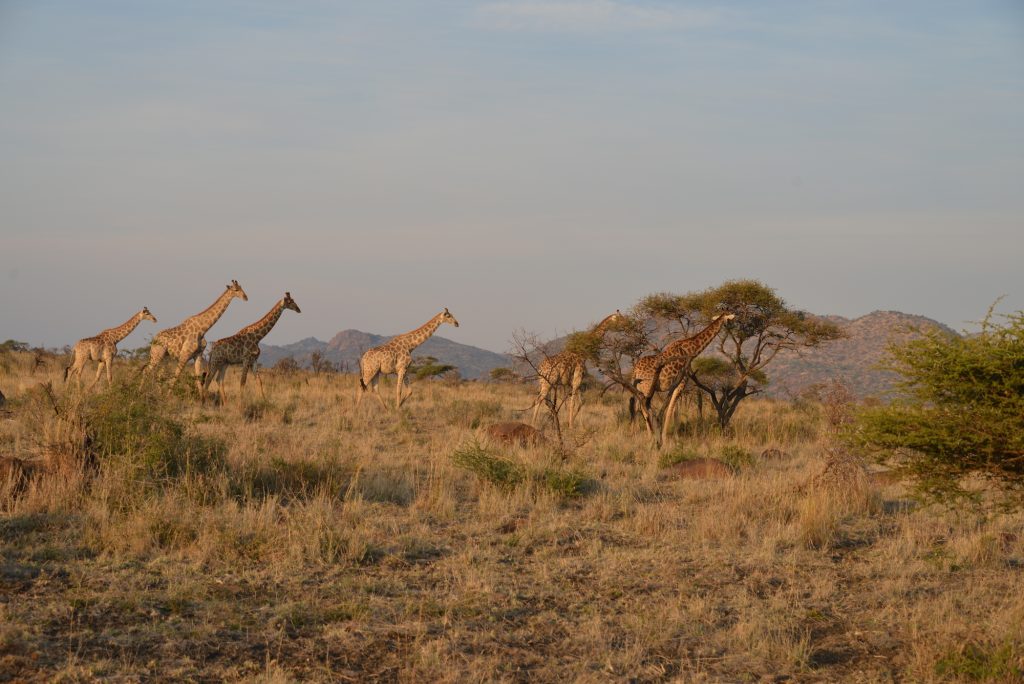
Tanzania supports a remarkable range of wildlife, from large predators to elephants, antelope, and hundreds of bird species.
What you see will depend on the destination, season, habitat, and a fair amount of luck.
Wildlife | Where travellers may encounter it |
Lions | Serengeti, Ngorongoro, Tarangire, Ruaha and Nyerere |
Leopards | Serengeti, Tarangire, Ruaha and other suitable habitats |
Cheetahs | Particularly associated with open Serengeti habitats |
Elephants | Tarangire, Serengeti, Ngorongoro and southern parks |
Buffalo | Ngorongoro, Serengeti, Tarangire and other reserves |
Black rhinos | Ngorongoro Crater and limited protected areas |
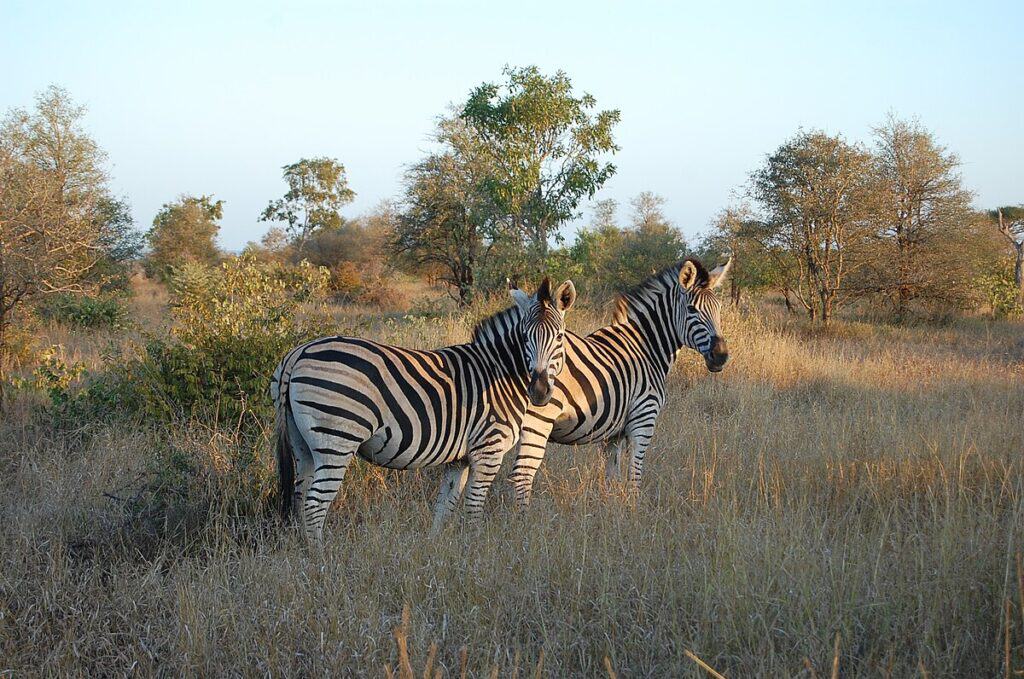
Wildebeest and zebra | Serengeti migration ecosystem and other grassland areas |
Giraffes | Serengeti, Tarangire, Lake Manyara and other parks |
Hippos | Ngorongoro, Serengeti river systems and suitable wetlands |
Birdlife | Across Tanzania, with seasonal changes in activity |
A Big Five safari is possible in Tanzania, but seeing all five animals on one trip is never guaranteed.
Rhinos are particularly difficult to find in many areas, while leopards can remain hidden even when they are nearby.
Good guides understand habitats, tracks, and animal behaviour, but wildlife remains unpredictable.
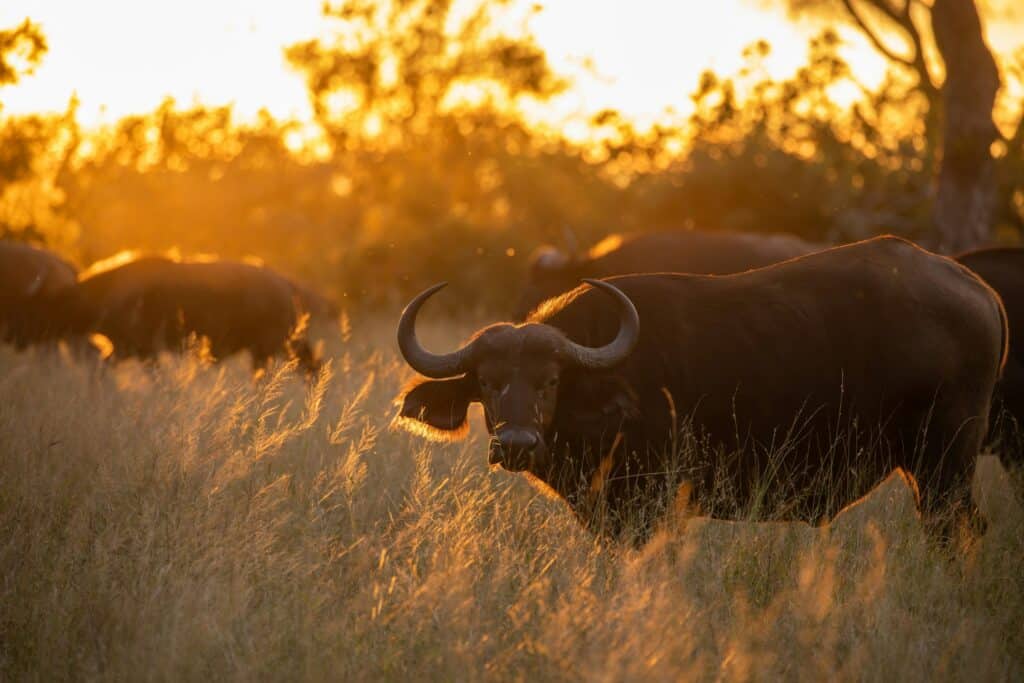
Packing for Tanzania is mostly about comfort and practicality.
Early mornings can be cold, particularly around the Ngorongoro Highlands, while afternoons may become warm.
A small selection of suitable clothing is generally more useful than packing for every possible occasion.
Recommended items include:
If you are taking domestic safari flights, check baggage limits carefully. Smaller aircraft may require soft-sided luggage and have stricter weight allowances.
Travellers should also check current entry requirements and obtain appropriate travel-health advice before departure.
MoAfrika Tours has been introducing travellers to Southern Africa’s wildlife destinations for more than two decades. Our safari specialists help guests compare destinations, accommodation, and travel arrangements according to their interests and budgets.
For Tanzania, the important decisions often involve where to stay, how much time to allow, and whether a road or fly-in itinerary makes more sense.
A safari should be planned around what you want to experience, not simply how many places can be fitted onto a route.
Our team can help travellers consider:
Wildlife sightings cannot be promised, and travel arrangements will depend on availability and local operating conditions.
The aim is to help you choose a safari that fits your expectations before you travel.
Traveller | What to focus on |
First-time visitor | A manageable northern route with contrasting parks |
Migration traveller | Seasonal camp location and enough time near the likely herds |
Photographer | Vehicle space and several nights in a desired area |
Couple or honeymoon traveller | Privacy, comfortable pacing and easy beach connections |
Family | Shorter transfers, suitable rooms and activities appropriate to children’s ages |
Luxury traveller | Camp location, service and clarity on private vehicle arrangements |
Budget-conscious traveller | Shared transport where available, simpler stays and a focused route |
Traveller with 3–5 days | One accessible area or a compact northern combination |
Repeat safari traveller | Ruaha or Nyerere for a different wilderness setting and activity mix |
For most first-time visitors to Tanzania, we would start with the northern circuit rather than trying to explore the entire country in one trip.
If you have around a week, the Serengeti, Ngorongoro and Tarangire make a sensible combination.
If your time is limited, concentrate on fewer parks. A shorter safari with enough time to enjoy the game drives is usually better than a rushed itinerary with long transfers every day.
For guests interested in the Great Migration, travel dates and accommodation location deserve particular attention.
Booking a Serengeti lodge without considering where the herds may be can leave you spending more time travelling than watching wildlife.
And if you have already visited Tanzania’s northern parks, consider Ruaha or Nyerere for a different safari experience.
The right choice is not always the most expensive package or the longest itinerary. It is the one that gives you enough time in the places that matter most to you.
⭐⭐⭐⭐⭐
Danielle K. – United Kingdom
Whether you are considering a shorter northern circuit safari, a private wildlife holiday, or a longer trip combining the Serengeti with Zanzibar, MoAfrika Tours can help you compare the options.
Tell our safari team when you would like to travel, how many days you have available, and what matters most to you.
We can help you explore safari arrangements that suit your interests, comfort preferences and budget.
Choose a Tanzania safari that gives you enough time to enjoy the wildlife, the landscapes and the journey itself.
Explore Tanzania Safari Options or speak to MoAfrika’s safari team for assistance with your itinerary.
The cost depends on the length of the safari, accommodation, park fees, transport, and whether you travel privately or with a group. Budget camping safaris are generally more affordable, while private luxury and fly-in safaris cost more. Compare the full inclusions before choosing a package.
Five to seven days is a good starting point for a first Tanzania safari. This allows time to visit the Serengeti, Ngorongoro Crater, and another northern circuit destination without rushing every day. Shorter trips are possible, while photographers and migration-focused travellers may prefer longer stays.
June to October is popular for drier weather and wildlife viewing. January and February can be particularly interesting for the wildebeest calving season in the southern Serengeti ecosystem. The best month depends on the parks you want to visit and the wildlife you hope to see.
Yes. Tanzania is home to lions, leopards, elephants, buffalo, and rhinos. However, these animals are not equally common in every park. Black rhinos can be particularly difficult to see, and no safari operator can guarantee sightings of all five.
Both are worthwhile, but they offer different experiences. The Serengeti has extensive plains, large wildlife populations, and seasonal migration activity. Ngorongoro offers wildlife viewing within a volcanic caldera. If your itinerary allows, visiting both provides a more varied safari.
The migration moves throughout the year. Calving generally takes place around January and February in the southern Serengeti ecosystem, while northern Serengeti river crossings are often associated with July to October. Rainfall and grazing conditions influence the actual movements, so exact timing cannot be guaranteed.
Yes. Many families enjoy Tanzania safaris, especially when the itinerary includes manageable driving distances and suitable accommodation. Private vehicles can provide more flexibility. Some lodges and activities have minimum age requirements, so these should be checked before booking.
A private safari can be worthwhile for families, photographers and couples who value flexibility. You generally have more control over stops and the time spent watching wildlife, within park regulations. Shared safaris are usually more affordable and can still provide very good wildlife experiences.
Yes. Many travellers combine a northern Tanzania safari with several nights in Zanzibar. This allows time for wildlife viewing followed by a beach holiday. Domestic flights can connect safari regions with Zanzibar, although schedules and transfers need to be considered when planning the itinerary.
Packages often include accommodation, guided game drives, safari transport, and specified meals. National park fees, airport transfers and domestic flights may be included or charged separately. Always check the detailed itinerary, exclusions and booking conditions before confirming your safari.




WhatsApp Now