
Need more Info?
4-Day Luxury Call of the Wild Panorama and Safari Experience
ZAR 19,760
ZAR 19,760
1
Full Day Panorama Route Tour - Depart from Hoedspruit
ZAR 2,250
ZAR 2,250
1
No results available Reset filters?
Although it is one of the largest canyons on Earth, it is significantly smaller than the canyons found in Asia, the Grand Canyon in Arizona, USA, and the Fish River Canyon in neighbouring Namibia.
In contrast to the Grand Canyon and the Fish River Canyon, the Blyde River Canyon is known as the “green canyon” due to the preponderance of subtropical vegetation. The canyon is included in the Blyde River Canyon Nature Reserve.

Experience the unique blend of geology, flora, and fauna as you journey through this remarkable landscape. Along the way, learn about the fascinating history behind the canyon’s name and the cultural heritage of the region.
Our guided tours offer an immersive encounter with nature, providing insights into the canyon’s formation and the diverse wildlife that calls it home. Whether you’re a seasoned adventurer or a curious traveller, this is the perfect opportunity to experience South Africa’s natural beauty in a truly unforgettable way.
What stops are on a Blyde River Canyon tour? A typical itinerary provides a well-planned journey through South Africa’s iconic green canyon, allowing visitors to experience its stunning natural and geological features.
Below is a detailed itinerary highlighting each must-see stop along the route:
A full-day tour of the Blyde River Canyon usually lasts around eight hours. The journey begins with a scenic drive along the panoramic Panorama Route, where expert guides provide fascinating insights into the region’s history, geology, and diverse flora and fauna.
As you traverse winding roads, you’ll encounter several key attractions that make this tour a memorable adventure.
These three distinctive rock formations, named for their resemblance to traditional African dwellings, are the first major stop on the tour. Enjoy stunning views of the canyon and learn about the cultural stories behind their names.


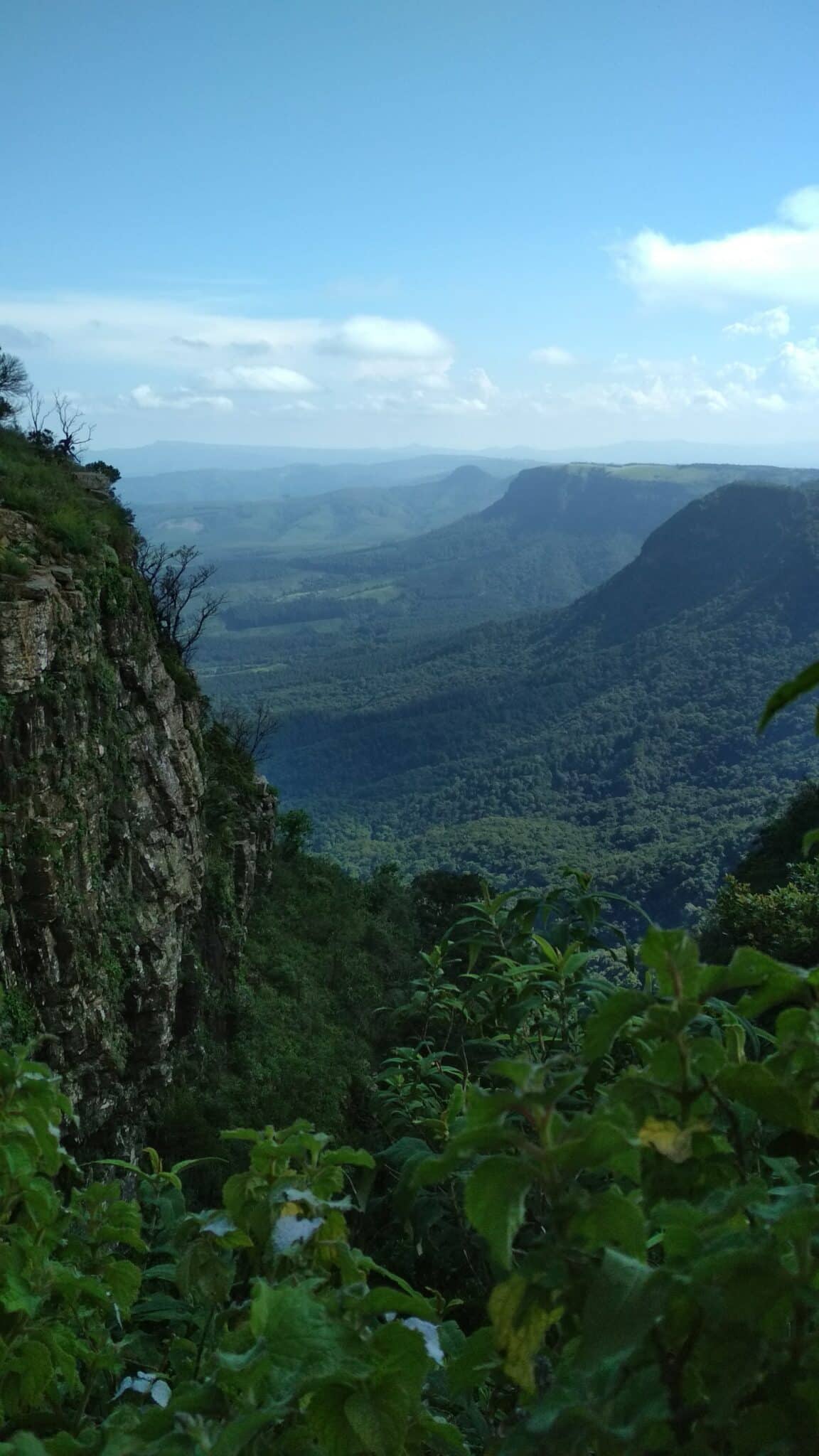
Situated on the edge of the Drakensberg escarpment, God’s Window offers expansive vistas over the Lowveld. Capture panoramic images and absorb the serene ambience of this elevated viewpoint.
The Kadishi tufa waterfall in the Blyde River Canyon is a beauty that is often overshadowed by the overwhelming scenic wonder of the Blyde River Canyon itself. It is considered to be the second highest tufa waterfall in the world, tumbling 200 metres from its limestone shelf to the water of the Blydepoort Dam, and it is hidden at the end of the Blyde Dam.
Living tufa waterfalls are extremely unusual, and there are only a few of them in the entire globe. The Kadishi waterfall is known as “the weeping face of nature.”
The development of a tufa waterfall takes place when water that is flowing over dolomite rock absorbs calcium and deposits rock formations at a rate that is greater than the rate at which it erodes the surrounding rock. The formation that was generated as a result of the Kadishi Tufa fall closely resembles a face that is weeping excessively, and as a result, it is commonly referred to as “the weeping face of nature.”
Tufal waterfalls do not appear until after millions of years have passed. When water passes over dolomitic rocks, the water picks up calcium from the rocks.
As a byproduct of their photosynthesis, the mosses that also grow on these rocks produce carbon dioxide, which in turn causes the calcium in the water to deposit layers of tufa on the surface of the waterfall (this process is analogous to the crystallisation of water).
The water continues to flow over and under the coating of calcium as it makes its way downstream.


This impressive quartzite column rises dramatically from the canyon floor. Listen to your guide’s explanation of its geological formation and appreciate the unique natural artistry of this landmark.
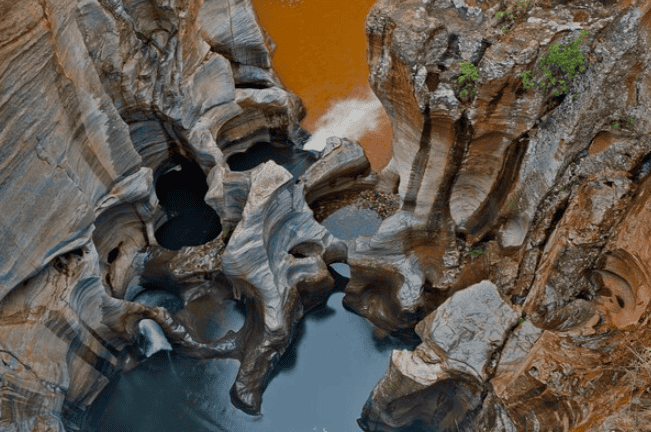
At this stop, the powerful forces of nature are on full display. Here, the swirling water has carved cylindrical potholes into the rock over centuries. Stroll along safe pedestrian bridges to observe these fascinating formations up close and learn about the erosional processes that shaped them.
With MoAfrika Tours you can explore the majestic beauty of the Blyde River Canyon without breaking the bank. Our affordable tour packages cater to every traveller, whether you’re looking for a quick half-day adventure or a comprehensive full-day experience.
With carefully curated inclusions and competitive pricing, you can enjoy a memorable day out while learning about the rich history and geology of this unique South African landmark.
The price range of a half-day tour is approximately R950 – R1500 (£40 – £60 or $50 – $90) per person and include comfortable transportation on a modern coach, a knowledgeable local guide, entrance fees to selected viewpoints and light refreshments or a snack.
A half-day tour is ideal for those with limited time who still wish to see key stops like the Three Rondavels and God’s Window.
A full-day tour costs approximately R1600 – R2500 (or £70–£100 or $90 – $140) per person.
This tour can include return transportation in an air-conditioned vehicle, expert commentary throughout the journey and visits to all major attractions like the Three Rondavels, God’s Window, Pinnacle Rock, Bourke’s Luck Potholes, a special boat trip on the Blyde Dam to view the Kadishi Tufa Waterfall, a hearty lunch or meal package and all entrance fees and guide services.
This tour is ideal for travellers who want an immersive experience and a detailed exploration of the canyon’s many natural features.
Prices of customised and longer tours vary based on group size and specific requirements.
Inclusions that are possible:
This option is ideal for families, corporate groups, or anyone seeking a personalised tour experience.
These comparison-friendly tiers ensure you have a choice that fits your schedule and budget while offering a comprehensive insight into one of South Africa’s most remarkable natural attractions. Book your tour today and experience the wonder of the Blyde River Canyon.
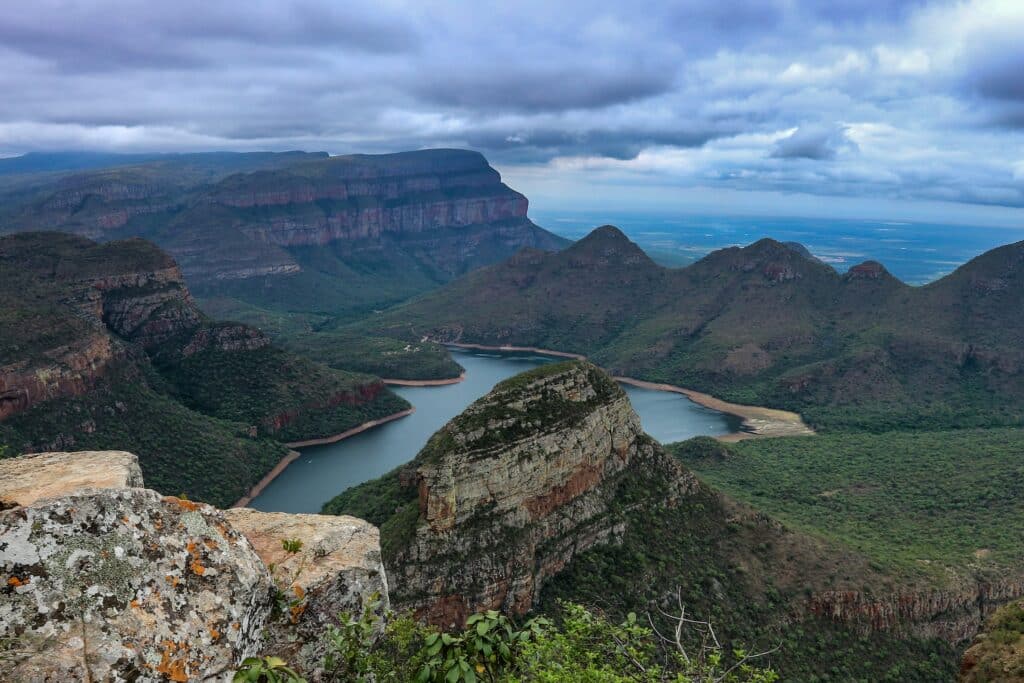
Exploring the natural wonders of Blyde River Canyon reveals a captivating blend of rich biodiversity, unique geological formations, and intriguing history. Often referred to as the “green canyon”, this South African gem is cloaked in lush subtropical vegetation that paints the rugged cliffs and meandering riverbanks with vibrant hues.
The canyon’s dense foliage gives rise to its popular moniker, “green canyon”.
Indigenous trees, colourful wildflowers, and hardy shrubs thrive in this environment, creating a habitat that supports a diverse range of wildlife. Visitors can encounter a variety of primate species, including vervet and Samango monkeys, that navigate the rocky outcrops with ease.
Additionally, an impressive array of birdlife – from the elegant Narina trogon to various species of eagles and vultures – fills the skies above.
Small mammals like klipspringers and dassies also find shelter here, contributing to the canyon’s reputation as a haven for nature enthusiasts.
Carved by the persistent flow of the Blyde (or Motlatse) River, the canyon is a living record of millions of years of geological evolution. Its layered sedimentary rocks and striking erosional features offer insights into the natural forces that have shaped the landscape.
The name “Blyde” itself is derived from an old Dutch word meaning “happy”. This term commemorates an event during a Voortrekker expedition, when the return of a supposedly lost party filled the group with relief and joy.
Such historical narratives add a fascinating cultural layer to the natural beauty of the canyon.
A consolidated highlight of the canyon is the Kadishi Tufa Waterfall.
Best experienced during a boat trip on the Blyde Dam, this waterfall is formed when water flowing over dolomite rock deposits mineral layers at a faster rate than erosion occurs. The result is an unusual tufa formation that has earned the moniker “the weeping face of nature”.
This serene and unique feature offers a striking contrast to the surrounding greenery, making it a must-see stop on any Blyde River Canyon tour.
Exploring the natural wonders of Blyde River Canyon offers a comprehensive glimpse into South Africa’s diverse heritage – a journey through vibrant ecosystems, ancient geological tales, and memorable historical moments.
The Blyde River Canyon Nature Reserve, which covers 29,000 hectares of the canyon and its surroundings, protects the biodiversity and cultural heritage of the area. The reserve also offers various activities for tourists, such as hiking, birdwatching, boat trips, and wildlife viewing.
The Blyde River Canyon Reserve extends along the winding path of the Blyde River Canyon, which at every turn offers increasingly more magnificent views.
The Blyde River Canyon is a World Heritage Site. The Bourke’s Luck Potholes, the Three Rondavels, Pinnacle Rock, and God’s Window are all located within the Blyde River Canyon Reserve, which is located against the escarpment of the Greater Drakensberg.
The canyon and the Drakensberg escarpment that surrounds it are both very popular tourist destinations, and the region features a well-developed tourism industry that is supported by an excellent public infrastructure.
When planning a trip to Mpumalanga, many tourists choose to combine the breath-taking scenery of the Panorama Route and Blyde River Canyon with an unforgettable safari experience in Kruger National Park.
Preparing properly for your Blyde River Canyon Tour will make the experience even more worthwhile.
Here are some essential tips on what to pack, how to dress, and factors to consider during the planning of your tour:
Wear light, moisture-wicking layers for warm days and pack a fleece or light jacket for cooler mornings and evenings. Comfortable walking shoes or hiking boots are essential due to uneven terrain.
A wide-brimmed hat, sunglasses, and sunscreen to protect against the sun.
Remember a reusable water bottle to stay hydrated throughout the day. A small backpack to carry snacks, a camera, and any personal items is essential and don’t forget binoculars for bird watching and enjoying distant views.
Check weather forecasts in advance as conditions can change quickly, especially on the escarpment.
Be prepared for some walking and moderate physical activity, so assess your fitness level and plan accordingly.
The dry winter months (May to September) usually offer clear skies and cooler temperatures, ideal for photography and hiking.
The summer months (October to April) can be warmer and more humid, with occasional showers; however, this is when the canyon’s flora is most lush.
Keep to designated walkways and avoid venturing off alone. Always follow the instructions of your guide, especially around steep drops and slippery paths.
Carry a basic first aid kit and ensure your mobile phone is fully charged for emergencies.

Using these tips will help you prepare efficiently for your tour, ensuring a safe and enriching experience exploring the natural wonders of Blyde River Canyon.
What is the history of the Blyde River Canyon Reserve? The story of this remarkable reserve begins millions of years ago, when the persistent flow of the Blyde River carved out a vast, verdant canyon that has come to be known as the “green canyon”.
The name “Blyde” originates from the Dutch word meaning “happy” or “joyful”. In 1844, a Voortrekker expedition led by Hendrik Potgieter experienced a moment of relief when a group thought to be lost returned safely. This joyful reunion inspired the naming of the river, which has since lent its name to the canyon.
The reserve has since become a living archive of natural and cultural heritage. Over the years, tourism has played a vital role in conserving this extraordinary landscape.
Guided tours and visitor centres help fund conservation projects and support local initiatives, ensuring that the unique flora and fauna, as well as the geological wonders, are preserved for future generations.
Local communities benefit from the influx of tourists through employment opportunities and the promotion of traditional crafts and culinary delights. Cultural highlights in the region include indigenous rock art and stories that reflect the deep historical roots of the area.
These narratives are shared by knowledgeable local guides, offering visitors insights into the traditional lifestyles and customs of the region’s early inhabitants.
The synergy between tourism, conservation, and local community development makes the Blyde River Canyon Reserve a prime example of how natural wonders and cultural heritage can work together to create lasting benefits for all.
Most tours last around 8 hours, including convenient pickup, drop-off, and stops at all the key attractions.
The tour involves some hiking and walking, so a moderate level of physical fitness is recommended.
The package generally includes comfortable, air-conditioned transportation, a knowledgeable local guide, entrance fees to major attractions and depending on the package, light refreshments or a meal.
Essentials to pack include appropriate clothing (light layers and a jacket for cooler mornings or evenings), comfortable walking shoes, a hat, sunglasses, and sunscreen, a reusable water bottle and a camera for capturing the scenic views, and a small backpack for personal items.
Yes, the tour is designed to accommodate families. However, families with very young children should consider the amount of walking and the terrain involved.
The tour involves some walking and light hiking, so a moderate level of fitness is recommended. The routes are safe and well-marked for all visitors.
Booking is simple through the MoAfrika Tours website. The online system is secure and user-friendly, or you can contact customer support directly for assistance.
The dry season (May to September) offers clear skies and comfortable temperatures. However, the lush scenery during summer also provides a unique experience.




WhatsApp Now