
South Africa brings together wildlife, coastlines, mountains, cities and diverse cultures, with experiences ranging from Kruger National Park and the Garden Route to Cape Town, Johannesburg and the country’s quieter regional destinations.
Need more Info?
2-Day Pilanesberg and Black Rhino Reserve Combo
ZAR 14,495
ZAR 14,495
1
11 Day Affordable Cape Town, Kruger & Victoria Falls Tour
ZAR 86,995
ZAR 86,995
1
17 Luxury Cape Town, Johannesburg, Kruger & Victoria Falls Tour
ZAR 205,995
ZAR 205,995
1
3 Day Exclusive Luxury Manyeleti Fly-In Safari from Johannesburg
ZAR 27,995
ZAR 27,995
1
3 Day Exclusive Luxury Manyeleti Fly-In Safari from Cape Town
ZAR 31,995
ZAR 31,995
1
2 Day Exclusive Luxury Manyeleti Fly-In Safari from Cape Town
ZAR 23,995
ZAR 23,995
1
2 Day Exclusive Luxury Manyeleti Fly-In Safari from Johannesburg
ZAR 19,995
ZAR 19,995
1
13-Day Luxury Kruger, Victoria Falls & Cape Town Tour
ZAR 110,995
ZAR 110,995
1
7-Day Fly-in Radisson & Greenfire Kruger Safari from Cape Town
ZAR 46,995
ZAR 46,995
1
7-Day Fly-in Radisson & Greenfire Kruger Safari from Johannesburg
ZAR 43,995
ZAR 43,995
1
6-Day Kruger & Manyeleti Safari – Fly-in from Johannesburg
ZAR 38,995
ZAR 38,995
1
6-Day Kruger & Manyeleti Safari – Fly-in from Cape Town
ZAR 41,995
ZAR 41,995
1
4-Day Exclusive Manyeleti Ndzhaka Tented Camp Safari
ZAR 21,995
ZAR 21,995
1
No results available Reset filters?
You can come to South Africa for the wildlife and find yourself just as taken with a city or a meal that turns into a long afternoon. The country is famous for its sheer variety: mountains and beaches, busy urban centres and wild nature reserves, scenic roads and places where the country’s history still informs modern life.
The challenge is deciding what belongs in your trip. South Africa is large, and the places you want to visit can be far apart. You’ll enjoy it more if you choose a few priorities than if you try to see the whole country at once.
You can travel independently or join a guided trip to connect different destinations. Whichever approach appeals to you, start with where you want to go, when you can travel, and the experiences you’d most like to have.
You can experience different sides of South Africa in one trip, but you’ll need to choose where to spend your time. Cape Town, the Garden Route, Johannesburg, and Kruger are spread across a large country. Start with the two experiences you’d most regret missing, check the distance between them and build your route from there. A first visit might pair a city with a safari, while a slower trip could stay within one region.
For many first-time travellers, Kruger National Park and Cape Town make the strongest starting combination. Add Johannesburg and Soweto if history and culture matter to you, or the Garden Route if you have around two weeks.
Seven to ten days works for a focused trip, while 12–14 days gives you a more relaxed itinerary.
South Africa offers different kinds of holidays in one country. You can explore Cape Town’s neighbourhoods and surrounding mountains, spend time learning about Johannesburg’s history, travel through wine-growing regions or set out on a safari. There are coastal journeys, hiking areas, small towns and food traditions that change as you move between regions.
This range is also a bonus when you’re travelling with someone whose interests differ from yours. A trip can include both city sightseeing and time in nature. Your holiday can be built around food and wine with a few outdoor days, or focus on wildlife with a city stop at either end.
South Africa’s diversity also means there isn’t one experience that defines a visit. For some travellers, the highlight is an early morning in the bush. For others, it’s the freedom of following a coastal road. The best starting point is to decide which of those experiences you’d be disappointed to miss.
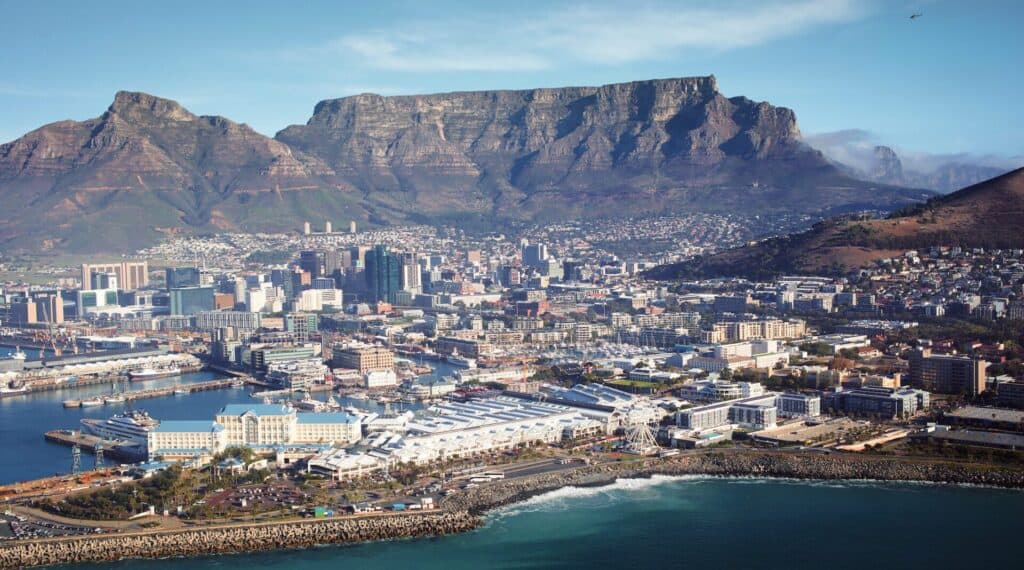
Cape Town combines city life with easy access to mountains, beaches and coastal scenery. You can spend time in its neighbourhoods, explore the Cape Peninsula or head into the nearby Winelands. The wider Western Cape also has smaller towns and different environments beyond the city.
The Western Cape is a fantastic destination for travellers want variety without changing accommodation every day. If Cape Town is a priority, give yourself enough time to see more than its most famous landmarks on a tour.
The Kruger area is a major destination for travellers who want the quintessential safari. Trips can be taken in Kruger National Park or in wildlife areas within the broader region, and the experience can differ according to where you stay and how you explore.
Safari days follow the pace of the bush, with time set aside for drives and the quieter hours between them. You can see a wide range of wildlife, but sightings are never guaranteed.
Johannesburg is the place to engage with South Africa’s history and present-day city life. Many visitors pass through on their way to a safari, but this city deserves attention as a destination in its own right. Guided experiences can offer useful context if it’s your first visit.
The city is also an important starting point for journeys elsewhere. If you’re flying into Johannesburg, consider whether you want to spend time there before moving on instead of treating it only as a connection.
The Garden Route appeals to travellers who enjoy the journey as much as the stops. The forested coastline dotted with historic towns and villages lends itself to a road-trip-style holiday, with choices about where to pause and how long to stay.
It’s tempting to cover the route quickly, but the pleasure comes from having time to get out of the car. If you’re considering it, compare Garden Route travel options with the rest of your itinerary and decide whether you want a few selected stops or a slower journey.
KwaZulu-Natal has wildlife areas and a warm coastline, as well as the Drakensberg mountains and places of cultural and historical interest. This region is a great option if you want a holiday with more than one setting but don’t necessarily want to cross the country.
The coast and mountains offer quite different experiences, so think about which draws you most. If KwaZulu-Natal is part of a larger trip, check how the route fits with your other destinations.
Kruger is only one way to include wildlife in a South Africa itinerary. Other regions, including Pilanesberg, offer different options for wildlife viewing depending on where you start and what else you want to see.
There’s no need to add a safari because it appears on a first-time visitor’s checklist. But if wildlife matters to you, look at the location of each area and how it connects to the rest of your journey.

There is no single best month to visit all of South Africa. The right time depends on your destinations and what you hope to do there. Cape Town and the northeastern safari regions, for example, have different rainfall patterns.
South Africa is in the southern hemisphere, so summer falls around December to February and winter around June to August. Summer is a popular time for coastal holidays and outdoor days in the Cape, though it can also bring heat and busy travel periods. Winter in the Western Cape is generally cooler and wetter, while many northeastern areas have drier conditions.
For a safari, the seasons can change the bush experience. Drier periods make wildlife easier to spot in some areas, while wetter months bring greener scenery. Neither season guarantees sightings, and conditions vary between reserves.
If you’re travelling during school holidays or other popular periods, book the parts of your trip that matter most with enough lead time. Quieter dates give you more flexibility, though they won’t necessarily offer your preferred weather everywhere. For a multi-region itinerary, choose the season that suits your main priority and be prepared for differences in climate along the way.
If you’re visiting a malaria-risk area, check current health advice for your specific destination. South Africa’s National Institute for Communicable Diseases broadly associates higher malaria transmission in affected areas with the warmer, wetter months, generally September to May. Guidance and local conditions can change, so consult official malaria information and a qualified travel-health professional before departure.
South Africa’s weather varies too much by region for a single forecast to tell you what to pack. The southwest, much of the interior, the northeast and the coast can be quite different on the same day.
The Western Cape generally gets much of its rain in winter. Many inland and northeastern regions receive more rain in summer, sometimes in showers or thunderstorms. Summer can be hot in lower-lying areas, while inland nights and mornings are cold in winter. Higher-altitude places can also be noticeably cooler than nearby lower areas.
Coastal conditions vary as well. Don’t assume that a beach day near Cape Town will feel like one on the KwaZulu-Natal coast.
The best approach is to check the weather for each stop on your itinerary, especially if you’re combining regions. Pack layers for cool mornings and evenings, sun protection for time outdoors, and suitable clothing for the activities you’ve planned. A safari start and an afternoon in the city call for different clothes even on the same holiday.

A shorter stay can work well when you focus on one area. You might base yourself in Cape Town and explore nearby attractions and then go on to spend your available time in a safari region.
With around a week, you can combine a couple of destinations. The question is whether you’ll have enough time in each to do what brought you there. Look at the nights available after travel days are accounted for.
A longer trip gives you more room to combine city, coastline, scenery and wildlife. An extra night in a place you care about can do more for the holiday than another transfer.
Domestic flights make sense when you’re combining regions that are far apart. Flying between major destinations can leave you more time for the places you came to see. Remember to allow for airport transfers and the time spent checking in and collecting luggage.
Car hire and self-drive travel offer freedom to stop and travel at your own pace. This is a good option for scenic journeys or for exploring around one base. South Africans drive on the left. Before hiring a car, check your licence requirements and the conditions you’re comfortable driving in.
Guided tours and organised transfers take the planning off your hands. Tours are a great option if you’d rather leave navigation and connections to someone else, or if you value the local context a guide can add to a visit.
Road travel between nearby destinations is often a useful part of an itinerary. For a longer journey, though, look at the route on a map before deciding to drive. Distances can be greater than they seem at first, and a road day should leave room for stops and changing conditions.
Many travellers use a combination: flights to connect distant regions, then road transfers, guided outings or a hire car locally. Choose transport after you’ve settled on your destinations. It’s easier than building a trip around a route that doesn’t serve what you actually want to do.
For a first visit, don’t try to fit the whole country into one trip. South Africa is bigger than many travellers expect, and too many stops can mean spending more time in airports and vehicles than actually enjoying the places you came to see.
A good first trip usually combines Kruger National Park with Cape Town. Kruger gives you the classic safari experience, while Cape Town adds scenery, food, coastline and culture. With more time, Johannesburg and Soweto or the Garden Route can be added without making the itinerary feel rushed.
As a rough guide, allow 7–10 days for a focused trip and 12–14 days if you want to see several parts of the country at a more comfortable pace.
The important thing is not how many places you can fit in. It’s giving each one enough time to be worth the journey.
If it’s your first time in South Africa, a 10–14 day trip gives you enough time to combine a safari with Cape Town and one or two other stops without rushing between destinations.
Days | Where to go | What to focus on |
Days 1–3 | Johannesburg & Soweto | Arrive, recover from your flight, and explore Johannesburg, Soweto, and some of the country’s recent history |
Days 4–7 | Kruger National Park | Spend three to four nights on safari, with early morning and afternoon game drives giving you several opportunities to experience Kruger’s wildlife and landscapes. |
Days 8–11 | Cape Town | Explore the city, Cape Peninsula, Table Mountain and nearby wine regions at a comfortable pace. |
Days 12–14 | Garden Route or extra Cape Town/Kruger time | Add the Garden Route if you want more scenery and coastline, or use these days to slow the trip down with extra time in Cape Town or on safari. |
Keep it simple. Johannesburg, Kruger and Cape Town make a sensible first-time combination. Adding too many destinations usually means more transfers, more packing and less time enjoying each place.
With 12–14 days, you have more flexibility. You can add the Garden Route, spend longer in Kruger, or simply build in a slower day or two between the major highlights.
There is no single itinerary that suits every traveller. Your available time, budget, interests and preferred pace should decide how much of South Africa you try to cover in one trip.

If this is your first visit, begin with what you most want to experience. Is it wildlife? Cities and history? Coastline and scenery? Food and wine? You can enjoy more than one of these, but choosing a top priority makes the other decisions easier.
Start by marking your arrival and departure points and the number of nights you’ll have in the country. Then choose one or two places you would genuinely regret missing. See where they are on the map before adding anything else.
A traveller drawn to city life and safari might combine time in a major city with a wildlife destination. Someone more interested in scenery and food could spend their holiday in Cape Town and the Western Cape. If a road journey appeals to you, the Garden Route deserves a few days.
Next, consider the pace. How many times are you willing to pack up and move? Do you want guided days or free afternoons? Would you rather see a little of several places or get to know a smaller area? Two people can visit the same destinations and have very different holidays depending on how they answer those questions.
Finally, check how your travel dates affect each stop. Weather, availability, and the activities you want to do can affect the order of your trip.
A little preparation can make arriving in a new country much easier.

⭐⭐⭐⭐⭐
Ahmad H. India
“We had a wonderful day on the Mo Afrika Full-Day Cape Peninsula Tour, and we were truly blessed to have Alfred as our guide. From the moment the tour started, his friendly personality, professionalism, and extensive knowledge made the experience even more memorable. Alfred shared fascinating insights about Cape Town and the attractions we visited, making every stop meaningful and enjoyable. The places included in the tour were absolutely awesome — from seeing the adorable penguins at Boulders Beach, to the breathtaking views at Seal Island, the iconic Cape of Good Hope, and the stunning lighthouse at Cape Point. What made the day even more special was Alfred himself. He was engaging, caring, and passionate about what he does. By the end of the tour, we felt like we had made a new friend, and as we talked after the trip, we realized we already missed him! Thank you, Alfred and Mo Afrika Tours, for an unforgettable experience. We highly recommend this tour to anyone visiting Cape Town.”
You can explore South Africa independently, travel with a guide for selected days or choose an organised trip across different destinations. Each approach has a different balance of freedom and planning.
Independent travel will appeal if you enjoy choosing your own stops and setting your own pace. A guided tour is helpful on a first visit, especially when you want someone else to arrange transport or provide context in places you don’t yet know. You can also mix the two, keeping some days free while booking guided experiences where they add the most.
A safari is a more focused experience. You spend time in a wildlife area, often going out at times when animals are active. What you see is always uncertain, and that’s part of the nature of the experience.
A good South Africa itinerary begins with four questions: Where do you want to go? When can you travel? How long do you have? What do you most want to experience?
Answer those first, then look at how the destinations connect. Give your priorities enough time, leave room for travel between regions, and check seasonal conditions for the places you’ve chosen. You’ll have a much clearer sense of which routes or organised trips are right for you.
Let your interests lead. Cape Town and the Western Cape offer city life, coastline and food and wine experiences. The Kruger region is a strong choice if wildlife is your goal. Johannesburg is worth considering if you want to engage with South Africa’s history and contemporary culture. You can combine regions if you have enough time for the journey between them.
They’re in different parts of the country, so you should plan a journey between them. If you want both in one holiday, compare flights and transfers before deciding how many nights to spend in each place.
No. South Africa has several wildlife areas, including Pilanesberg and Madikwe. The right choice depends on where else you’re going and the kind of safari experience you want.
The Garden Route is a strong option if a scenic road trip is one of your reasons for travelling. Give yourself time to stop along the way, though. If your short holiday already includes distant destinations, you may enjoy the Garden Route more on a separate trip.
Domestic flights can connect far-apart regions, while a hire car works well for a scenic route or local exploring. Guided outings and transfers are useful when you’d prefer someone else to handle the driving. Many trips combine these options.
There isn’t one season that gives every region the same conditions. Cape Town and northeastern safari areas have different rainfall patterns. Decide which experience you want most, then check what the weather is generally like at each stop during your travel dates.
Pack for your activities and each destination, not for a single idea of “South African weather”. Layers are useful for cool mornings and evenings, especially on safari. Add comfortable shoes and sun protection, then check the forecast for each stop shortly before you leave.
Yes. You can plan your own route and book a guided city visit, day trip or safari for the parts where you’d value local knowledge or arranged transport.
Johannesburg can be a worthwhile stop for its history and cultural experiences. If your holiday is short and your interests lie elsewhere, you may prefer to use it as a connection.
Check the passport and entry requirements that apply to your nationality, along with health advice for the specific places you’ll visit. Confirm how you’ll get between destinations, keep your booking details accessible, and check the weather for every region on your route.



WhatsApp Now