
South Africa welcomes millions of international visitors every year, and most enjoy trouble-free holidays. Like many popular travel destinations, it has areas where visitors should be more cautious, but the country’s leading tourist attractions are well prepared for international travellers.
The key is understanding where to go, how to get around safely, and taking the same sensible precautions you would in any unfamiliar destination. Most incidents involving tourists can be avoided by using reputable transport, staying in well-reviewed accommodation, and avoiding isolated areas after dark.
For many visitors, South Africa offers a mix of experiences that are difficult to find anywhere else. You can spend the morning exploring Cape Town, enjoy a world-class wine estate in the afternoon, and watch elephants on safari the next day. With good planning, it’s a rewarding destination that feels both adventurous and accessible.
Yes. South Africa is generally safe for tourists who follow practical travel advice and stick to well-known visitor areas. Guided tours, organised safaris, and established tourist routes offer a comfortable way to experience the country, while simple precautions such as avoiding displaying valuables and using trusted transport can significantly reduce risks.
Travel Situation | Safety Level | Practical Advice |
Guided safaris | Excellent | One of the safest ways to explore South Africa |
Popular tourist attractions | Very Good | Stay aware of your surroundings |
Self-drive holidays | Very Good | Plan routes and avoid driving at night where possible |
City sightseeing | Good | Stay in busy tourist areas and use reputable transport |
Walking alone after dark | Lower | Use taxis or ride-hailing services instead |
No destination is completely risk-free, but visitors who prepare well usually leave South Africa with memories of its wildlife, landscapes, and hospitality rather than safety concerns.
Traveller | Recommendation |
First-time visitor | Guided tour or organised itinerary |
Families | Guided safari and reputable accommodation |
Couples | Self-drive or guided |
Solo travellers | Group tours or organised transfers |
Photographers | Guided safaris |
Luxury travellers | Private transfers and lodges |

For more than two decades, MoAfrika Tours has helped travellers explore South Africa safely and confidently. Our local travel specialists, professional guides, and experienced drivers welcome thousands of guests every year on safaris, city tours, airport transfers, and multi-day holidays across Southern Africa.
Because we’re based in South Africa, we understand the questions first-time visitors ask before they arrive. Whether you’re planning your first safari, exploring Johannesburg, visiting Cape Town, or travelling the Garden Route, our advice comes from years of helping guests experience the country firsthand.
We also know that every traveller has different priorities. Some are visiting with young children, others are travelling solo, while many are combining a safari with time in South Africa’s cities. Rather than offering one-size-fits-all advice, we prefer to explain the trade-offs so you can make informed decisions that suit your travel style.
Our approach is simple:
The goal isn’t to make travellers worry about safety. It’s to help them arrive well prepared so they can focus on everything that makes South Africa such a memorable destination.
Many people researching South Africa for the first time quickly come across headlines about crime. While these reports reflect genuine challenges in some parts of the country, they rarely tell the whole story from a visitor’s perspective.
South Africa is a large and diverse country. Conditions vary considerably between neighbourhoods, cities, and regions. Areas that tourists regularly visit are often very different from places where most crime statistics originate.
Understanding that distinction helps explain why millions of people continue to visit South Africa every year.
Crime is one of South Africa’s biggest social challenges, and travellers should take it seriously. However, most visitors spend their time in established tourism areas where accommodation providers, guides, tour operators, and local businesses work hard to create safe experiences.
Popular destinations such as:
welcome visitors from around the world every day.
Being informed is far more valuable than being alarmed.
Many first-time visitors choose organised tours because they remove much of the uncertainty around transport, navigation, and local knowledge.
Experienced guides know:
This allows guests to spend more time enjoying their holiday and less time worrying about logistics.
Most experienced travellers would agree that preparation makes a noticeable difference.
Simple decisions such as:
can go a long way towards reducing risk.
Like anywhere else, good planning creates a more relaxed travel experience.

Most safety advice for South Africa isn’t complicated. Small habits often make the biggest difference, especially if you’re visiting for the first time.
These tips are followed by experienced travellers and are equally useful whether you’re exploring cities, heading out on safari, or travelling between destinations.
Arrange airport transfers before you arrive or use recognised ride-hailing services where available.
If you’re hiring a car:
For longer journeys, try to travel during daylight whenever possible.
There’s no need to travel with expensive jewellery or large amounts of cash.
Instead:
Most visitors find these habits become second nature after the first day or two.
Well-reviewed accommodation often offers:
Reading recent guest reviews before booking can provide valuable insight into both the property and its surrounding area.
You don’t need to be constantly on edge, but it’s worth paying attention to what’s happening around you.
If an area feels unusually quiet, isolated, or uncomfortable, trust your instincts and move somewhere busier.
Many travellers find that joining guided tours helps them explore with greater confidence while also learning more about the places they visit.
Hotel staff, safari guides, and local tour operators spend every day helping visitors enjoy South Africa safely.
If they recommend avoiding a particular area, changing your plans because of weather, or using a different route, it’s usually worth listening. Their advice is based on current local conditions rather than general travel information.
Safety Tips at a Glance
Situation | Recommended Approach |
Carrying money | Use cards where possible and carry limited cash |
Walking in cities | Stay in busy, well-known tourist areas |
Using transport | Book reputable transfers or recognised ride-hailing services |
Exploring at night | Use transport rather than walking long distances |
Valuables | Keep cameras, phones, and jewellery discreet |
Asking for directions | Speak to hotel staff, guides, or official tourism information centres |
Travelling with realistic expectations and following practical advice allows most visitors to explore South Africa comfortably. The country rewards those who prepare well, and many travellers leave wishing they had stayed longer rather than worrying they had come at all.

One of the reasons South Africa appeals to so many travellers is the variety of experiences available in a single trip. You might spend time in vibrant cities, coastal towns, wine regions and wildlife reserves, each with its own character and practical considerations.
The advice below reflects what local guides and regular travellers generally recommend.
Johannesburg is often where international visitors begin their South African holiday. Like any major city, some neighbourhoods are safer than others.
Most tourists spend their time visiting attractions such as:
These are best enjoyed with a guided tour or by using reputable transport between attractions.
Many visitors only spend one or two nights in Johannesburg before continuing to Kruger National Park or Cape Town.

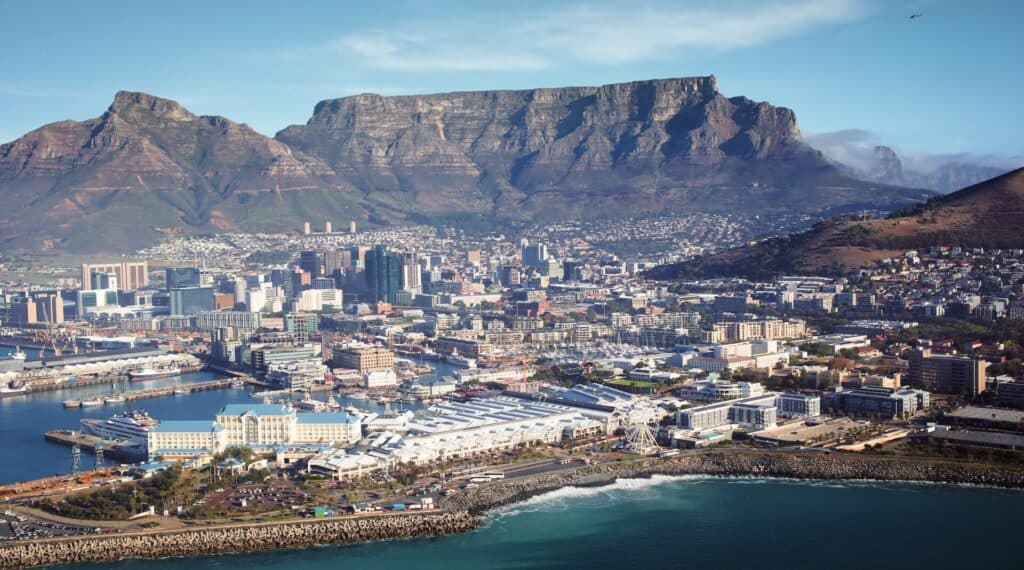
Cape Town is consistently ranked among the world’s most beautiful cities and is one of South Africa’s most popular destinations.
Most tourist attractions have excellent infrastructure, including:
As with any large city, it’s sensible to stay aware of your surroundings, particularly after dark or in unfamiliar neighbourhoods.
Cape Town Safety Tips
Millions of visitors explore Cape Town safely every year by following straightforward travel advice.
For many people, Kruger National Park feels very different from South Africa’s cities.
The park is professionally managed, and visitors follow clearly defined rules designed to protect both people and wildlife.
Safari Safety Rules
Wild animals may appear calm, but they remain unpredictable. Respecting park regulations helps ensure a safe and enjoyable safari for everyone.

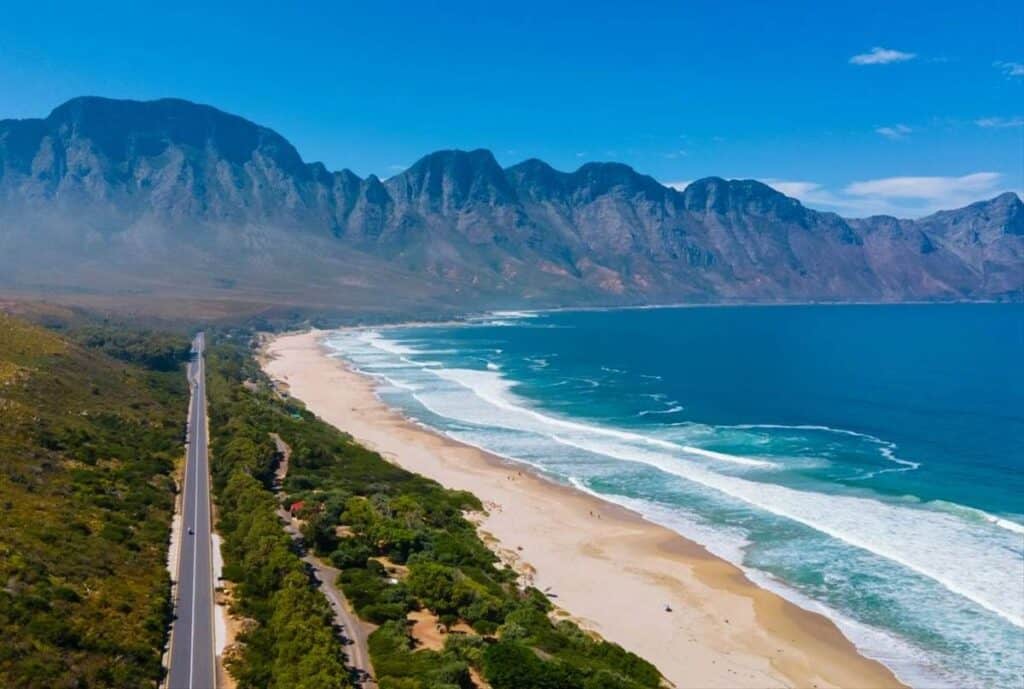
Stretching along South Africa’s southern coastline, the Garden Route is popular with families, couples and self-drive travellers.
The region is generally relaxed, with well-developed tourism infrastructure and excellent road conditions.
When driving:
Many visitors choose to spend several days exploring the Garden Route at a leisurely pace.
Durban combines warm beaches, cultural attractions and a subtropical climate.
Busy beachfront areas are generally well monitored, although the same precautions apply as they would in other coastal cities around the world.
Visitors should:

Destination | Overall Tourist Safety | Best Advice |
Kruger National Park | Excellent | Follow safari rules and guide instructions |
Cape Town | Very Good | Stay aware of your surroundings and use trusted transport |
Garden Route | Excellent | Ideal for self-drive holidays |
Johannesburg | Good | Stay in tourist areas and pre-arrange transport |
Durban | Very Good | Stay in busy beachfront areas and avoid isolated beaches after dark |
Most travellers experience no health problems during their visit, especially when they prepare before arriving.
Your doctor or travel clinic can advise you about vaccinations, travel insurance and any medication you may need.
Malaria is present in some parts of north-eastern South Africa, including sections of Kruger National Park and neighbouring private reserves.
Risk varies throughout the year and depends on exactly where you’re travelling.
Many visitors reduce their risk by:
If you’re travelling with children, elderly relatives or during pregnancy, seek medical advice before your trip.
Tap water is generally considered safe to drink in most major cities and towns.
Some visitors still prefer bottled water while travelling, particularly in remote areas or if they have a sensitive stomach.
Most hotels, lodges and restaurants provide safe drinking water.
South Africa has excellent private healthcare facilities in major cities.
Travel insurance is strongly recommended because private medical treatment can be expensive without adequate cover.
Before travelling, make sure your insurance includes:
South Africa’s sunshine can be much stronger than many visitors expect.
Remember to pack:
Even during winter, the African sun can be surprisingly intense.

Most travellers don’t experience problems because they ignored official advice. More often, small oversights create unnecessary risks.
Fortunately, they’re easy to avoid.
Large cameras, jewellery and expensive electronics can attract unwanted attention.
Keep valuables discreet whenever possible.
Even in busy tourist areas, it’s usually better to use transport rather than walk long distances after dark.
Ride-hailing services are widely available in many cities.
Never leave luggage, handbags or cameras where they can easily be seen through vehicle windows.
This applies even during short stops.
Reception staff, guides and tour operators understand current local conditions far better than online travel forums.
If they suggest an alternative route or recommend avoiding a particular area, it’s worth listening.
One of the most common mistakes on safari is assuming wild animals are comfortable around people.
Remember:
Respecting wildlife makes the experience better for everyone.
Common Mistake | Better Choice |
Carrying large amounts of cash | Use cards where possible |
Walking at night | Use trusted transport |
Leaving valuables visible | Store them securely |
Ignoring local advice | Ask guides and accommodation staff |
Standing too close to wildlife | Observe from a safe distance |
Planning too much in one day | Travel at a comfortable pace |

One of the questions many first-time visitors ask is whether they should travel independently or join organised tours.
There’s no single right answer. It depends on your experience, confidence and travel style.
Guided tours are popular because they remove much of the planning.
Advantages include:
This makes them particularly appealing for first-time visitors.
South Africa is also an excellent self-drive destination.
Many travellers enjoy:
Planning ahead becomes more important, especially on longer journeys.
Feature | Guided Tour | Independent Travel |
Local knowledge | Excellent | Depends on research |
Flexibility | Moderate | Excellent |
Planning required | Minimal | Higher |
Navigation | Included | Self-managed |
Stress level | Lower | Moderate |
Best suited for | First-time visitors | Experienced travellers |
Packing thoughtfully makes travelling more comfortable and helps you avoid unnecessary purchases once you arrive.
Fortunately, you don’t need specialist equipment for most holidays.
Bring:
Pack:
South Africa’s weather varies by season and region.
A practical packing list includes:
If you’re planning wildlife viewing, these items are well worth bringing:
Essential | Recommended |
Passport | Binoculars |
Travel insurance | Camera |
Credit cards | Power bank |
Sunscreen | Reusable water bottle |
Insect repellent | Daypack |
Comfortable shoes | Light jacket |
Packing sensibly won’t eliminate every travel challenge, but it does make the journey smoother. Most visitors discover they need less than they expected, especially when travelling on organised tours where many logistics are already taken care of.

One of the questions we hear most often is whether travellers felt safe during their trip. While every journey is different, many guests tell us that careful planning, knowledgeable guides and good local advice helped them relax and enjoy South Africa from the moment they arrived.
⭐⭐⭐⭐⭐
Sarah – United Kingdom
“Before travelling, I’d read plenty of mixed opinions online, so I wasn’t sure what to expect. MoAfrika organised our airport transfer, Kruger safari and hotel bookings, and everything ran smoothly. Our guides shared practical advice throughout the trip, which made us feel comfortable wherever we travelled.”
⭐⭐⭐⭐⭐
Michael & Emma – Australia
“We spent ten days in South Africa visiting Johannesburg, Kruger and Cape Town. The safari was definitely the highlight, but we also appreciated the local tips about transport, restaurants and sightseeing. We never felt unsafe because we followed the advice our guides gave us.”
⭐⭐⭐⭐⭐
Daniel – Canada
“As a solo traveller, safety was one of my biggest concerns before booking. Looking back, I probably worried more than I needed to. Staying in good accommodation, using reputable transport and joining organised tours made the trip straightforward. I’d happily return.”
South Africa has earned its reputation as one of the world’s great travel destinations for good reason. From unforgettable wildlife encounters and spectacular coastlines to welcoming people and diverse cultures, there’s an enormous amount to experience.
Like many countries, it also requires travellers to use common sense and plan ahead. Understanding local conditions, choosing reputable operators and following practical safety advice will help you travel with confidence.
Many people arrive feeling slightly uncertain after reading headlines online. They leave talking about sunrise game drives, penguins at Boulders Beach, mountain views in Cape Town and the warmth of the people they met along the way.
The country rewards travellers who arrive prepared and open to the experience.
Whether you’re planning your first safari, a family holiday or a multi-day journey across Southern Africa, the right local advice can make all the difference.
MoAfrika Tours has been helping travellers explore South Africa for more than two decades through professionally guided safaris, city tours, airport transfers and tailor-made travel experiences.
Our local team can help you:
Explore our South Africa tours or speak with one of our safari specialists to start planning your trip with confidence.
Yes. Many first-time visitors travel around South Africa without any problems. Planning your itinerary carefully, using reputable accommodation and transport, and following local advice will help you enjoy a safe and memorable holiday.
Johannesburg can be safely explored when visitors stay in established tourist areas, use reputable transport and avoid walking alone after dark. Many travellers choose guided tours to learn more about the city while travelling with experienced local guides.
Both cities welcome large numbers of international visitors every year. Cape Town’s main tourist attractions are generally easy to explore, while Johannesburg often benefits from a little more planning, particularly when choosing transport and accommodation.
Yes. Guided safaris are among the safest ways to experience South Africa’s wildlife. Professional guides follow strict safety procedures, and visitors are expected to follow park rules and remain inside vehicles unless instructed otherwise.
Both are good options. Confident travellers often enjoy self-drive holidays, while first-time visitors appreciate the convenience and local knowledge that guided tours provide. Many holidays combine both approaches.
Uber is widely used in major cities such as Johannesburg, Cape Town and Durban. Many travellers prefer it because fares are tracked through the app and drivers can be identified before the journey begins.
Yes. South Africa is a popular family destination, particularly for wildlife safaris and the Garden Route. Choosing family-friendly accommodation, planning activities in advance and using reputable tour operators helps create a relaxed holiday.
Tap water is generally safe in most major towns and cities. Some visitors still prefer bottled water when travelling through remote areas, but hotels and lodges usually provide safe drinking water.
If you’re visiting malaria-risk areas such as parts of Kruger National Park, speak to your doctor before travelling. They can recommend whether preventative medication is appropriate for your itinerary and time of year.
Many solo travellers enjoy visiting South Africa. Joining organised tours, staying in reputable accommodation and using trusted transport providers can make travelling easier and help you meet other visitors along the way.
South Africa has several emergency numbers depending on the service required. Your accommodation, guide or tour operator can also assist if you need medical, police or roadside assistance during your trip.
Stay aware of your surroundings, avoid displaying valuables, use reputable transport and don’t be afraid to ask locals or your guide for advice. Small precautions usually make the biggest difference.



WhatsApp Now