
Need more Info?
11 Day Affordable Cape Town, Kruger & Victoria Falls Tour
ZAR 86,995
ZAR 86,995
1
3 Day Exclusive Luxury Manyeleti Fly-In Safari from Johannesburg
ZAR 27,995
ZAR 27,995
1
3 Day Exclusive Luxury Manyeleti Fly-In Safari from Cape Town
ZAR 31,995
ZAR 31,995
1
2 Day Exclusive Luxury Manyeleti Fly-In Safari from Cape Town
ZAR 23,995
ZAR 23,995
1
2 Day Exclusive Luxury Manyeleti Fly-In Safari from Johannesburg
ZAR 19,995
ZAR 19,995
1
7-Day Fly-in Radisson & Greenfire Kruger Safari from Cape Town
ZAR 46,995
ZAR 46,995
1
7-Day Fly-in Radisson & Greenfire Kruger Safari from Johannesburg
ZAR 43,995
ZAR 43,995
1
6-Day Kruger & Manyeleti Safari – Fly-in from Johannesburg
ZAR 38,995
ZAR 38,995
1
6-Day Kruger & Manyeleti Safari – Fly-in from Cape Town
ZAR 41,995
ZAR 41,995
1
5-Day Luxury Ivory Moon Safari – Fly in from Cape Town
ZAR 29,295
ZAR 29,295
1
4-Day Luxury Ivory Moon Safari - Fly in from Cape Town
ZAR 26,295
ZAR 26,295
1
3 Day Luxury Ivory Moon Safari - Fly in From Cape Town
ZAR 21,295
ZAR 21,295
1
5 Day Kapama Southern Camp Fly-In From Johannesburg
ZAR 74,100
ZAR 74,100
1
4 Day Kapama Southern Camp Fly-In From Johannesburg
ZAR 57,800
ZAR 57,800
1
3 Day Kapama Southern Camp Fly-In Safari from Cape Town
ZAR 47,600
ZAR 47,600
1
3 Day Kapama Southern Camp Fly-In Safari from Johannesburg
ZAR 41,500
ZAR 41,500
1
2 Day Kapama Southern Camp Fly-In Safari in Cape Town
ZAR 31,300
ZAR 31,300
1
2 Day Kapama Southern Camp Fly-In Safari in Johannesburg
ZAR 25,200
ZAR 25,200
1
No results available Reset filters?
Fly-in safaris are a convenient way to reach some of Africa’s leading safari destinations, reducing long road transfers and leaving more time for game drives, wildlife viewing and the lodge experience.
MoAfrika Tours offers 2 to 7-day fly-in safari packages, with options departing from Johannesburg and Cape Town.
Depending on the package, you can fly into Hoedspruit and continue by road transfer to Kruger National Park, Manyeleti Game Reserve, Kapama Private Game Reserve and lodges in the Greater Kruger area.
Some packages include return domestic flights in the advertised price, while others depend on current airfare. Always check the individual safari inclusions before booking.
A fly-in safari replaces a long road journey with a flight to an airport closer to your safari destination. On many of our Greater Kruger packages, guests fly from Johannesburg or Cape Town to Hoedspruit, where they are met and transferred to their lodge or camp.
The main advantage is time. If you only have a few days for safari, flying can leave considerably more of your trip available for game drives, meals at the lodge, and time in the bush rather than travelling between cities and safari areas.

MoAfrika Tours has 20 years of experience planning safaris and tours in South Africa and the wider Southern African region. Our team coordinates accommodation with regional transport and safari activities while working with established aviation and ground-handling partners.
Flights are subject to the operating carrier’s conditions and aviation requirements. Our role is to build the itinerary around these realities and explain what travellers should expect before departure.

Flying reduces long overland transfers. Depending on flight schedules, you might arrive in time for lunch and an afternoon game drive rather than spending most of the day in a vehicle.
Some of Africa’s most rewarding camps are far from major roads. Light aircraft provide practical access to places such as Botswana’s Okavango Delta and remote concessions elsewhere in Southern Africa.
A well-designed flight network makes it possible to combine two or more reserves without returning to a large city after every stay.
Flights over the Okavango Delta, the Lowveld or the Zambezi region offer a broader view of rivers and wilderness areas that cannot be appreciated in the same way from the road.
A fly-in itinerary can make a three- or four-day safari worthwhile by reducing transfer time. This approach is also useful when combining a safari with Cape Town or Johannesburg.
Flying avoids a lengthy road journey, although light-aircraft cabins are compact. Travellers should still be comfortable boarding smaller aircraft and landing on regional or bush airstrips.
Scheduled and charter flights can help link South Africa, Botswana, Zimbabwe and Zambia. Border formalities and flight schedules must still be allowed for in the itinerary.
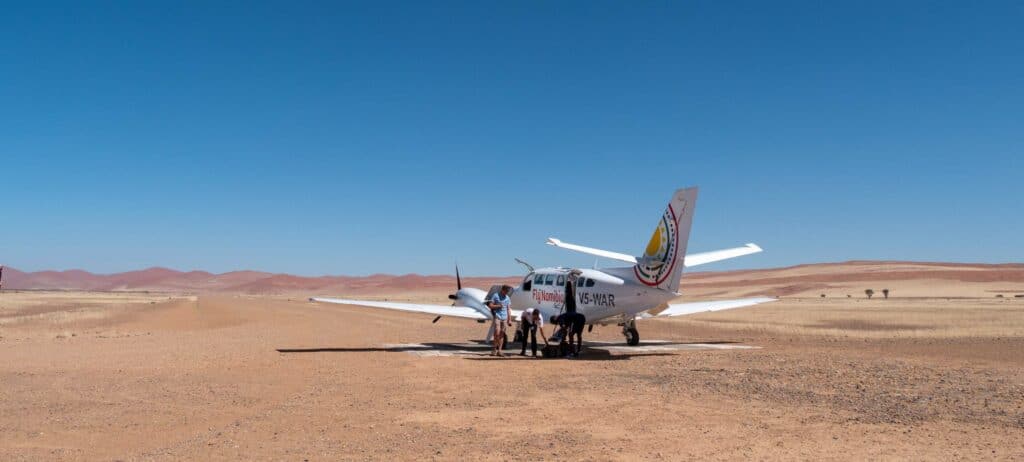
Are flights included? | In selected packages; always check the written inclusion list |
Where do flights depart? | Common hubs include Johannesburg, Cape Town, Maun, Kasane, Victoria Falls and Harare |
Where do they land? | Regional airports or lodge-access bush airstrips |
What aircraft are used? | Commercial airliners and light aircraft |
How much luggage is allowed? | Carrier and aircraft dependent; light-aircraft limits are generally stricter |
Are hard suitcases permitted? | Often on commercial flights, but frequently unsuitable for light-aircraft transfers |
Are flights private? | Only when a private charter is specifically booked |
Can flights stop en route? | Yes. Scheduled bush flights may collect or drop off other guests |
What happens after landing? | A lodge representative normally completes the final transfer by safari vehicle |
Who benefits most? | Time-conscious travellers and guests visiting remote lodges |
Neither option is right for everyone.
Feature | Fly-In Safari | Road Safari |
Travel time | Shorter | Longer |
Cost | Usually higher | Usually lower |
Best for | Short trips and city-safari combinations | Travellers with more time |
Johannesburg departures | Convenient | Practical for many Kruger trips |
Cape Town departures | Particularly useful | Long overland journey |
Safari time | More time available in the destination | More holiday time spent travelling |
Luggage | Airline limits apply | Usually more flexible |
Scenery en route | Limited | More of South Africa seen by road |
Lodge transfer | Airport-to-lodge transfer usually required | Direct road arrival may be possible |
If you have two or three days available, the time saved by flying becomes particularly valuable.
If you have a week or longer and enjoy seeing more of the country between destinations, travelling by road may suit you just as well.

Choosing the right number of days matters more than many first-time safari travellers expect.
A two-day safari can work when time is tight, but it moves quickly. Four or five days gives you more time to settle into the rhythm of morning and afternoon game drives.
Safari Length | What to Expect | Usually Suits |
2 days | A quick introduction to the bush | Travellers with very limited time |
3 days | More game-drive opportunities without a long stay | First-time safari travellers and short breaks |
4 days | A more relaxed safari pace | Couples, families and wildlife-focused trips |
5 days | More time for game drives and lodge downtime | Travellers who don’t want to rush |
6 days | Longer itineraries can combine different safari areas and activities | Travellers wanting more variety |
7 days | A slower, more complete safari holiday | Longer stays and travellers who enjoy time in the bush |
A 2-day fly-in safari works when a safari is only one part of a larger South African holiday.
The schedule is naturally quite tight. Flying instead of driving helps make a short stay practical because you can reach the safari region without using most of the first and final day on the road.
Explore our 2-Day Fly-in Safaris
Three days gives you more breathing room.
For many travellers combining Cape Town or Johannesburg with the bush, this is a useful middle ground between keeping the trip short and still having several opportunities to head out on game drives.
Explore our 3-Day Fly-in Safaris
Four days change the pace of the safari.
You have more time to enjoy early morning and afternoon game drives without feeling that every hour needs to produce a major sighting. Wildlife remains unpredictable, so additional time in the bush is always useful.
Explore our 4-Day Fly-in Safaris
A five-day safari suits travellers who want wildlife to be a major part of the holiday rather than a quick addition.
There is usually more time to enjoy the lodge between drives, return to productive wildlife areas, and appreciate smaller sightings without constantly watching the clock.
Explore our 5-Day Fly-in Safaris
Six-day options can offer more variety.
Some itineraries combine different Greater Kruger experiences rather than keeping you in one place for the entire stay. MoAfrika’s current Kruger and Manyeleti option, for example, combines private reserve game drives with Kruger National Park and the Panorama Route.
Explore our 6-Day Fly-in Safaris
Seven days gives you time to settle into safari properly.
There is less pressure to treat every game drive as your only chance to see a particular animal. That matters. Some drives are busy with wildlife, while others are quieter, and sightings never come with certainty.
Explore our 7-Day Fly-in Safaris

The exact journey depends on whether you use a commercial flight, scheduled bush service, or private charter.
Your documents should state the airport, terminal, flight number, and recommended check-in time. A flight from Johannesburg to Hoedspruit follows a different procedure from a light-aircraft departure from Maun to an Okavango camp.
The carrier weighs and accepts luggage according to the booked aircraft and fare. Light-aircraft services may also need passenger weights for safe load planning. Information should be supplied accurately.
You may travel on:
Airstrips range from established regional airports to short gravel or earth runways near safari camps. Bush arrivals are functional rather than conventional airport experiences.
A lodge guide or driver usually meets the aircraft. The final vehicle transfer may take a few minutes or become a short game drive, depending on the lodge’s location.
After check-in and a briefing, guests may have lunch or refreshments before joining an afternoon activity. Actual timing depends on the flight and lodge schedule.

Destination | Access and convenience | Wildlife and scenery | Best suited to | Typical accommodation |
Kruger National Park | Scheduled flights to Skukuza or nearby regional airports | Big Five, varied habitats and extensive road network | First-time visitors and short South African trips | Rest camps and lodges |
Sabi Sands | Regional flight plus transfer, or light aircraft to selected airstrips | Strong predator viewing and private-reserve guiding | Luxury travellers and photographers | High-end private lodges |
Timbavati | Convenient from Hoedspruit; selected charter access | Big Five and open Greater Kruger ecosystem | Couples and experienced safari travellers | Private safari lodges |
Manyeleti | Usually accessed through Hoedspruit with a road transfer | Quieter private-reserve experience | Travellers seeking fewer vehicles | Tented camps and lodges |
Madikwe | Charter or scheduled services where available | Big Five in a malaria-free reserve | Families and shorter Johannesburg combinations | Family and luxury lodges |
Okavango Delta | Light aircraft from Maun or Kasane to camp airstrips | Wetlands, floodplains and diverse wildlife | Remote-wilderness and luxury travellers | Tented camps and concession lodges |
Chobe National Park | Flights to Kasane, followed by road or boat transfer | Large elephant populations and the Chobe River | Botswana and Victoria Falls combinations | Riverside hotels and lodges |
Victoria Falls | Regional commercial flights and onward road transfers | Waterfall, Zambezi activities and regional connections | Multi-destination travellers | Hotels and safari lodges |
Hwange National Park | Road or light-aircraft access from Victoria Falls | Large park, elephants and varied habitats | Zimbabwe safari combinations | Camps and private concessions |
Mana Pools | Light aircraft from Harare or regional hubs | Zambezi landscapes, walking and seasonal wildlife | Experienced and adventurous safari travellers | Remote seasonal camps |
South Luangwa | Regional flights through Lusaka to Mfuwe | Riverine wildlife, leopards and walking safaris | Walking-safari and repeat Africa visitors | Bush camps and lodges |
A fly-in Kruger safari is one of the easiest ways to add wildlife viewing to a South African holiday.
Scheduled flights connect Johannesburg and Cape Town with regional airports such as Hoedspruit and Skukuza, subject to route schedules. From there, guests transfer to accommodation near Kruger National Park or within private Greater Kruger reserves such as Sabi Sands, Timbavati, Manyeleti and Kapama.
It is important to distinguish between Kruger National Park and Greater Kruger. A lodge in a neighbouring private reserve may share the wider ecosystem but is not necessarily inside the national park.
Botswana is particularly well suited to fly-in safaris because many Okavango Delta camps are separated by water, seasonal floodplains and large areas without conventional roads.
Travellers commonly fly from Maun or Kasane to airstrips serving individual camps. Combining two or three camps by light aircraft allows guests to experience different habitats without returning to the original hub after each stay.
Victoria Falls works well as part of a larger fly-in itinerary. Travellers can combine the waterfall with Chobe National Park in Botswana or Hwange National Park in Zimbabwe.
Some connections are completed by road rather than air because the destinations are relatively close. A good itinerary uses flying where it saves meaningful time rather than adding unnecessary flights.
Fly-in packages to remote destinations such as Mana Pools can reduce difficult overland travel and provide access to camps operating in highly seasonal wilderness areas. Flight schedules and camp-opening dates should be checked carefully.

Both cities work well, but the traveller logic is slightly different.
Johannesburg is the traditional gateway for many Kruger trips.
Flying becomes especially useful on short itineraries where you would rather avoid spending several hours travelling each way by road.
Johannesburg fly-in safaris work particularly well for international travellers connecting through OR Tambo International Airport or guests adding a safari to a Johannesburg stay.
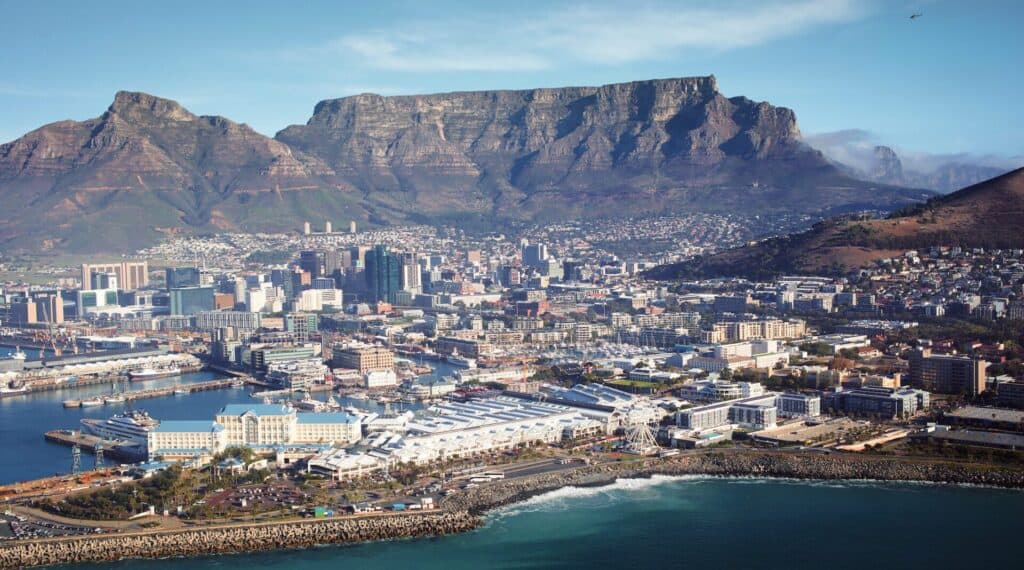
If you are combining Cape Town and Kruger, flying is usually the practical choice.
The two destinations are far apart. A flight allows you to enjoy Cape Town and then move into the bush without turning the journey between them into a multi-day road trip.
This combination is popular with first-time visitors because it brings together two very different sides of South Africa in one holiday.

Routes between major cities and airports such as Hoedspruit, Skukuza, Maun, Kasane and Victoria Falls use regional jets. These flights operate much like other scheduled airline services.
A private charter reserves the aircraft for one travelling party. This can provide greater privacy and scheduling flexibility, but it is generally the most expensive option.
Bush airstrips may be gravel, compacted earth or grass. Facilities can be minimal. The pilot assesses weather and runway conditions before operating.
Flights are operated by appropriately licensed commercial aviation companies under the requirements of the relevant national civil aviation authority. Aircraft type, maintenance, pilot qualifications, weather and runway conditions all form part of operational decision-making.
MoAfrika arranges the safari itinerary but does not operate or control the aircraft unless explicitly stated. The appointed carrier remains responsible for aviation operations and final safety decisions.
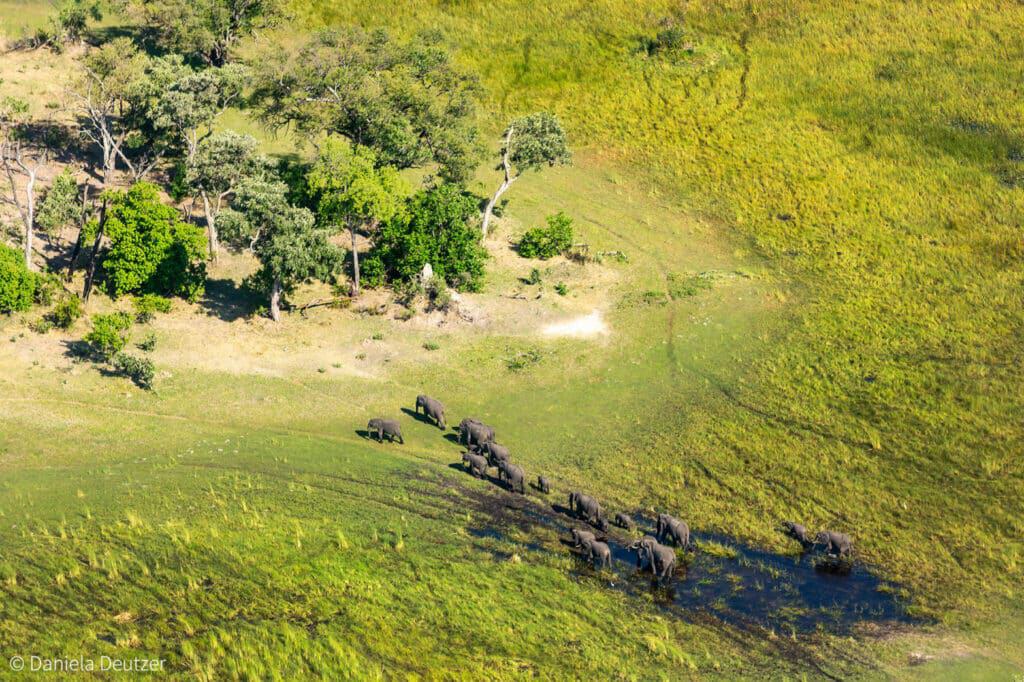
Commercial bush flights are operated under national aviation regulations by licensed carriers and qualified pilots. The aircraft are selected for regional routes and airstrip conditions.
As with any flight, operations can be affected by weather and runway conditions. The pilot and carrier make the final decision about whether a flight can operate safely.
Luggage rules are one of the most important parts of fly-in safari planning.
There is no single allowance covering every African fly-in safari. A scheduled commercial airline may allow a conventional checked suitcase, while a light-aircraft operator may impose a much lower total weight and require a soft-sided bag.
Camera bodies, lenses, binoculars and laptop equipment may count toward the total allowance. Photographers should provide details before the flights are booked.
In some cases, an additional seat or excess-baggage arrangement may be available. This must be confirmed in advance and may involve an extra charge.

The dry season generally runs from May to September across much of Southern Africa. Vegetation becomes thinner and wildlife often gathers near water.
This is a popular period for Kruger, Greater Kruger, Botswana and Zimbabwe. Demand and lodge rates can be high, so flights and camps should be booked well in advance.
The warmer, wetter months usually bring lush scenery with migratory birds and young animals. Green-season views are especially attractive from the air.
Rates may be lower at selected lodges, but seasonal rain can affect airstrips, roads and flight schedules. Some remote camps close during part of the rainy season.
The Okavango Delta’s flood cycle does not correspond exactly with local rainfall. Water arriving from Angola can transform areas of the delta during Botswana’s dry months. The best time depends on whether you prioritise water activities, dry-land wildlife viewing or a combination.
Dry conditions can make animals easier to locate, while the green season offers dramatic skies, strong colour and fewer dust-heavy landscapes. Photographers should choose according to the images they want rather than assuming there is one perfect month.
Regional and bush flights operate year-round on many routes, but weather can cause delays or itinerary changes. Build sensible connection time into international departures, particularly where a bush flight and long-haul flight would otherwise occur on the same day.
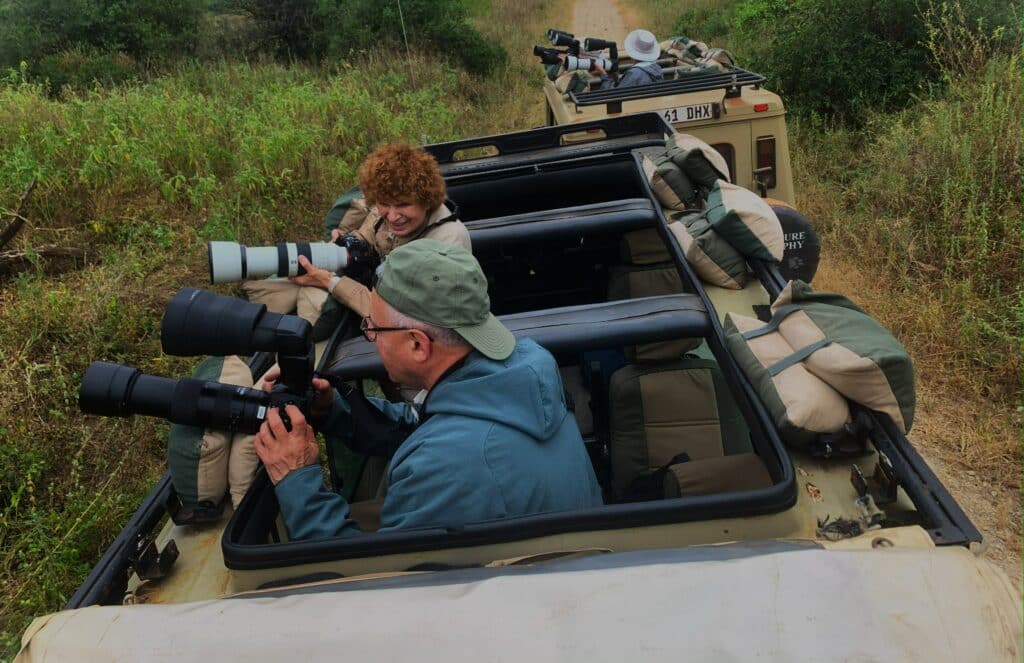
Flying removes a long transfer and makes the journey into the safari area fairly simple.
For somebody visiting South Africa for the first time, that convenience can be useful when the holiday already includes several destinations.
Many couples prefer to spend their holiday time at the lodge rather than on the road.
A fly-in safari can also combine naturally with Cape Town, the Cape Winelands or another part of a longer Southern African itinerary.
Flying can reduce the amount of time children spend in a vehicle between destinations.
Families should still check the individual lodge’s child policies, room configurations and minimum ages for activities before booking.
This is where fly-in safaris make the most obvious sense.
If you only have two, three or four days available, saving several hours on a transfer can make a noticeable difference to the trip.
More time in the safari area means more opportunities to head out on game drives.
Photographers should check airline baggage allowances before travelling, particularly when carrying larger camera bodies and lenses.
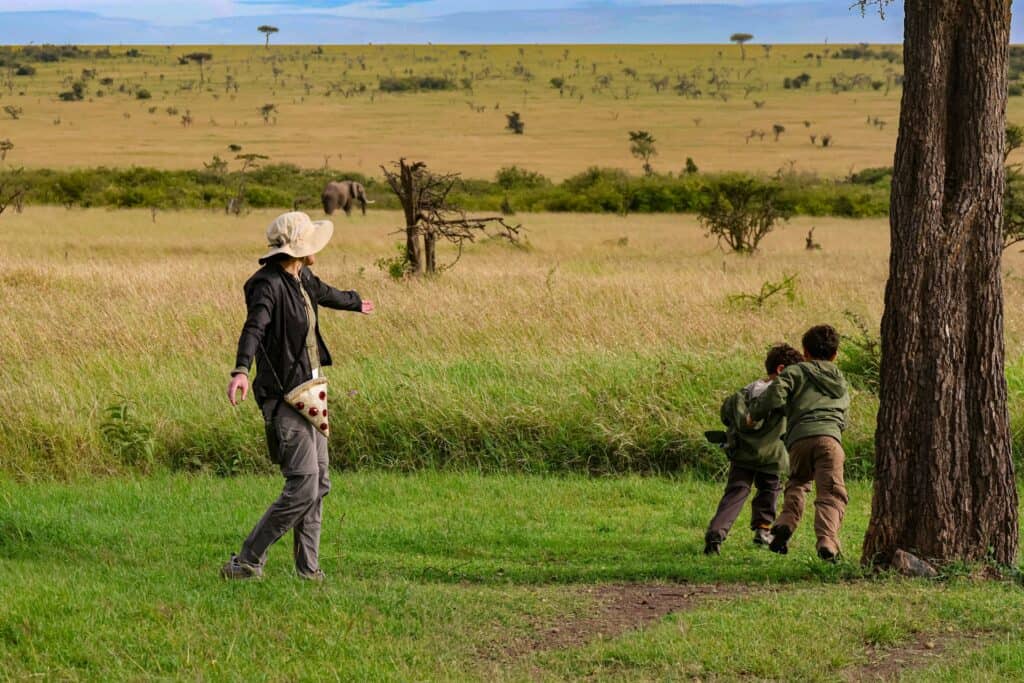
Destination: Kruger and the Greater Kruger region
Typical duration: Three days
Accommodation: Full-service hotel near the safari region
Typical inclusions: Return regional flights on selected packages, Hoedspruit airport transfers, accommodation, breakfast and dinner, and specified game drives
Best for: First-time visitors and travellers combining Kruger with Johannesburg or Cape Town
Check carefully: Some meals, drinks and optional activities may be excluded
Destination: Kapama Private Game Reserve, Greater Kruger
Typical duration: Two to four days
Accommodation: Luxury private-reserve lodge
Typical inclusions: Selected flights, Hoedspruit transfers, accommodation, meals, reserve fees and scheduled game drives
Best for: Couples, families and luxury travellers
Highlight: Easy transfer from Hoedspruit to a Big Five private reserve
Destination: Kapama Private Game Reserve
Typical duration: Four days
Accommodation: Luxury permanent safari tents
Typical inclusions: Flights on selected packages, airport transfers, accommodation, meals and game drives
Best for: Travellers wanting a tented safari without sacrificing comfort
Highlight: An intimate camp environment in Greater Kruger
Destination: Kapama Private Game Reserve
Typical duration: Two to four days
Accommodation: Premium luxury suites
Typical inclusions: Regional flights on specified packages, transfers, accommodation, meals and guided reserve activities
Best for: Luxury travellers and special occasions
Check carefully: Rates vary significantly by season, room type and flight origin
Destination: Okavango Delta, Chobe and other Botswana regions
Typical duration: Package dependent
Accommodation: Remote tented camps and safari lodges
Typical inclusions: Light-aircraft transfers, accommodation, meals and lodge activities where specified
Best for: Remote-wilderness travellers and multi-camp itineraries
Highlight: Access to areas that cannot be reached conveniently by conventional road transfer
Destination: Mana Pools National Park, Zimbabwe
Typical duration: Five or six days
Accommodation: Remote safari camp
Typical inclusions: Flights from the stated Zimbabwean departure point, camp accommodation, meals and listed safari activities
Best for: Experienced safari travellers
Highlight: Efficient access to a remote Zambezi wilderness

Every package is different, but a short fly-in safari might look something like this:
Day | Typical Experience |
Day 1 | Fly from Johannesburg or Cape Town, transfer to the safari lodge, and join an afternoon game drive where flight times allow |
Day 2 | Morning and afternoon game drives or a full-day safari, depending on the itinerary |
Day 3 | Morning safari, breakfast, airport transfer and return flight |
Check in for a morning flight from Johannesburg or Cape Town to Hoedspruit or another appropriate regional airport.
Meet the lodge representative and complete the road transfer. After check-in and lunch, join an afternoon game drive if arrival time permits. Return to the lodge for dinner.
Depart before sunrise with a professional safari guide. Explore the reserve while temperatures are cool and animals are active.
Return for breakfast and spend the middle of the day relaxing. After lunch or afternoon refreshments, join a second game drive before dinner.
Join another morning drive, exploring a different area where possible. Depending on the package, the day may include a guided walk, additional lodge activity, or afternoon game drive.
Wildlife sightings are never guaranteed, but repeated drives offer opportunities to experience different habitats and animal behaviour.
Take a final early activity if the flight schedule allows. Return for breakfast, check out and transfer to the airport or airstrip. Fly back to Johannesburg, Cape Town, or continue to the next destination.
Longer packages may include additional game drives, different reserves, Kruger National Park, lodge downtime or regional attractions such as the Panorama Route.
Always check the individual itinerary because activities and timings vary.

Packing light makes fly-in travel easier.
Useful items include:
Morning game drives can feel surprisingly cold, particularly during the South African winter.
Airline baggage limits should also be checked before departure. Safari luggage allowances can differ from those on long-haul international flights.
Pack lightly and confirm the carrier’s rules before departure.
Inclusions vary between lodges and packages, but a fly-in safari may include:
Some packages are more inclusive than others.
Drinks, gratuities, optional activities, travel insurance, and personal expenses may be excluded. Flight arrangements can also differ between packages.
The individual itinerary should always be the final reference.
This is one detail worth checking carefully.
Some MoAfrika fly-in safari packages include return domestic flights in the package price. On others, airfare may vary according to the flight, season and availability.
Do not assume that a package called a “fly-in safari” automatically includes every flight at the displayed price.
Check the Included and Excluded sections on the individual tour page before booking. If anything is unclear, ask the safari team to confirm exactly what is included in your quote.

Fly-in safaris normally cost more than equivalent road packages because aircraft seats or a private charter must be added to the lodge and safari costs.
The final price is influenced by:
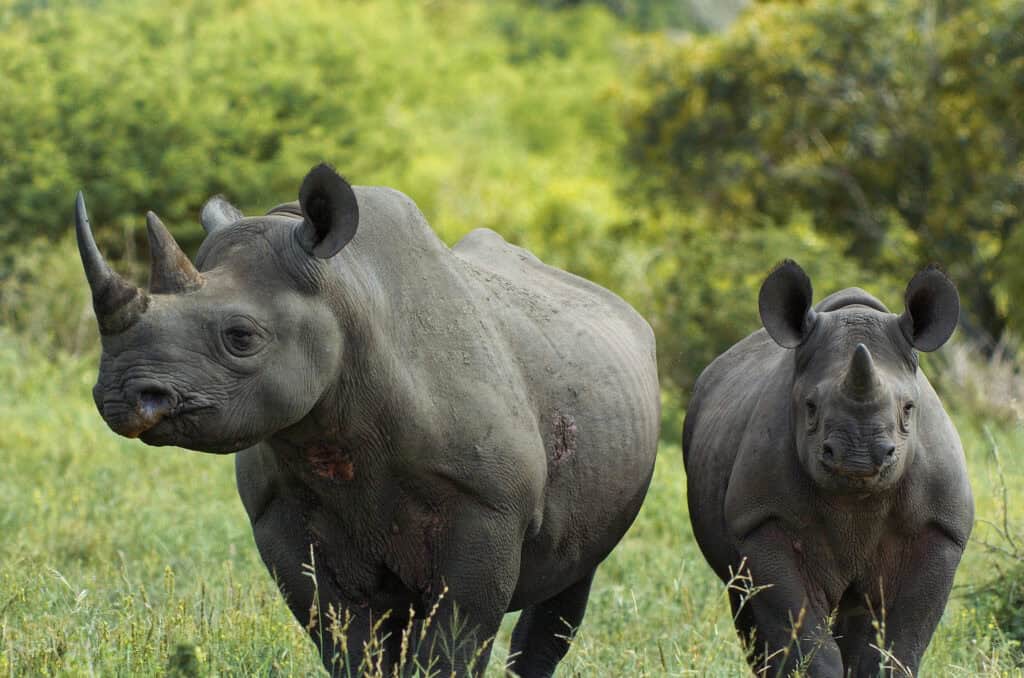
If your schedule is very tight, a 2-day fly-in safari gets you into the bush without using most of the trip on road transfers. Just understand that it moves quickly.
Three days gives you more time on safari without adding too much to a South African itinerary.
If wildlife is one of the main reasons for your holiday, four or five days is easier. There is more time for different game drives, quieter moments at the lodge, and those stretches where nothing seems to happen before the bush suddenly gets interesting again.
Six or seven days suits travellers who want safari to be a bigger part of the holiday.
More time never guarantees particular wildlife sightings. It simply gives you more opportunities to be out there when something happens.
Advantages | Possible limitations |
More time at the lodge or on safari | Higher cost than most road transfers |
Access to remote camps | Strict light-aircraft luggage limits |
Useful for short holidays | Compact aircraft cabins |
Efficient multi-destination connections | Weather can affect operations |
Aerial views of wilderness landscapes | Shared bush flights may make several stops |
Less time on long roads | Schedules are not completely flexible |
Convenient access to luxury lodges |
|
Can reduce travel fatigue |
|
⭐⭐⭐⭐⭐
Hilary B. – United Kingdom
MoAfrika Tours is an owner-operated South African tour company based in Johannesburg, with more than 20 years of experience helping travellers explore South Africa and the wider region.
Our safari team works with guests travelling from around the world, helping coordinate the practical details that matter on a fly-in trip: flights, airport transfers, safari accommodation and onward arrangements.
That local knowledge is useful when you are trying to decide whether two days are enough, which departure city makes sense, or whether flying is worth the extra cost for your itinerary.
The right safari isn’t simply the most expensive option. It is the one that works with your available time, budget and the way you like to travel.
The main reason to choose a fly-in safari is simple: more time in the destination and less time getting there.
For a short South African holiday, or a trip combining Cape Town, Johannesburg and the Greater Kruger area, this can make a real difference.
If you have more time and want to keep costs down, a road safari may suit you better. If your holiday days are limited, flying lets you get into the bush sooner.
Compare MoAfrika’s 2-, 3-, 4-, 5-, 6-, and 7-day fly-in safaris, or speak to our safari team if you are unsure which option fits your itinerary.
A fly-in safari uses a flight to reach an airport close to the safari area instead of completing the main journey by road. Guests are usually collected from the airport and transferred to their lodge or camp.
They can be, particularly when you have limited time or are travelling from Cape Town. You generally pay more for the flight, but spend less of your holiday on long road transfers.
Two days can work for a very short safari, while three to five days gives you more time for game drives and a less hurried stay. Six or seven days suits travellers who want safari to form a larger part of their holiday.
Yes. MoAfrika currently offers a range of fly-in safari packages departing from Cape Town. These are particularly useful for travellers combining Cape Town with the Greater Kruger area.
Yes. Fly-in packages from Johannesburg can use flights to Hoedspruit and other relevant regional airports, depending on the itinerary. You are then transferred to the lodge or safari area.
They are included on some packages, but not necessarily every package or fare. Check the individual tour’s inclusion list carefully because flight prices and arrangements can vary.
Hoedspruit Airport is commonly used for MoAfrika’s Greater Kruger fly-in packages. Your exact arrival airport will be shown in the itinerary for the safari you choose.
No. Fly-in trips often cost more than comparable road options, but the main reason to fly is usually convenience and time rather than luxury alone. There are different lodge and price levels available.
Yes, depending on the chosen lodge and safari. Check child policies carefully because some accommodation, game drives, and other activities have age restrictions.
No. Flying simply gets you to the safari area faster. Wildlife sightings are never guaranteed, regardless of how you reach the reserve. What flying can give you is more time available for game drives, particularly on a short trip.


WhatsApp Now