
Need more Info?
Budget Lesotho Overnight Tour From Underberg
ZAR 6,250
ZAR 6,250
1
No results available Reset filters?
You don’t need to spend a week travelling through Lesotho to get a feel for its mountains, villages and remarkable scenery. For many travellers visiting South Africa, a guided trip over Sani Pass is the easiest introduction to the Mountain Kingdom.
The journey takes you from the green foothills of KwaZulu-Natal into the rugged highlands of Lesotho, where winding mountain roads, traditional Basotho communities and wide-open views make the experience quite different from a typical South African day tour.
MoAfrika Tours offers Lesotho day trips, Sani Pass 4×4 tours and overnight experiences, with departures from Underberg and Durban. Some focus on the mountain drive and scenery, while others allow more time to explore the highlands and learn about local life.
Choosing the right tour comes down to where you’re staying, how much time you have, and whether you want a scenic day out or a more involved cultural experience.
For most first-time visitors, a guided Sani Pass day tour is a good introduction to Lesotho. It combines the dramatic Drakensberg scenery with a 4×4 mountain crossing and time in the Kingdom of Lesotho.
Travellers staying near Underberg can start closer to the pass, leaving more time for sightseeing. Those based in Durban can join a full-day tour with a longer road transfer.
If you’d prefer to explore beyond the immediate border area, a two-day overnight tour towards Mokhotlong gives you more time in Lesotho’s highlands.
Our general recommendation:

Choose your departure point first, then compare the route and inclusions.
Tour | Departure point | Duration | Main focus | Displayed starting price |
Sani Pass Day Tour from Durban | Durban hotel or address, by arrangement | 1 day | Sani Pass ascent and summit visit | R3,500 |
Full Day Sani Pass and Lesotho Tour from Durban | Durban; confirm your collection address | 1 day | Sani Pass and a Basotho village visit | R3,845 |
Lesotho Day Trip from Underberg | Underberg | 1 day | Sani Pass and the highlands towards Mokhotlong | R1,680 |
1 Day Lesotho Immersive Tour | Himeville meeting point | 1 day | Mokhotlong and Basotho cultural experiences via Sani Pass | R1,800 |
Budget Lesotho Overnight Tour from Underberg | Underberg/Himeville | 2 days, 1 night | Sani Pass, Mokhotlong accommodation and highland activities | R6,250 |
Compare tour options or open the tour that best matches your plans to check availability.
A day trip from Underberg is often the most practical option if you’re already staying in the southern Drakensberg.
You avoid the longer Durban transfer and can concentrate on the mountain journey itself.
A Durban departure is convenient if you don’t have your own transport or don’t want to organise an overnight stay near Sani Pass. The trade-off is a longer day on the road.
The overnight option is worth considering if you’d like to see more than the immediate Sani Pass area. Staying near Mokhotlong gives you time to experience the highlands without having to return to South Africa on the same afternoon.

Sani Pass is one of the most recognised mountain routes in Southern Africa. It climbs from the KwaZulu-Natal side of the Drakensberg towards the Lesotho border, following a steep mountain road with sharp bends and striking views.
The journey is as much a part of the experience as the destination.
As you climb, the landscape changes from grassy valleys and mountain streams to exposed slopes and high-altitude terrain. On a clear day, the views stretch across the surrounding Drakensberg.
Most guided excursions include a combination of:
The exact itinerary depends on the tour selected, weather conditions and border procedures.
The mountain road deserves respect. Steep gradients, loose surfaces, tight bends and changing weather can make it challenging, particularly for drivers unfamiliar with the area.
This is one of the main reasons many visitors prefer a guided 4×4 tour rather than attempting the route independently.
Sani Pass appeals to travellers who enjoy mountain scenery, adventurous road journeys, and visiting places that feel quite different from busy tourist centres.
It may be less comfortable for guests who are particularly nervous on steep mountain roads or who struggle with long periods in a vehicle.
The high altitude can also affect some visitors. If you have a medical condition that may be aggravated by altitude, speak to your healthcare professional before travelling.
For most guests, understanding the nature of the drive beforehand makes the experience more enjoyable.

A Lesotho day trip lets you cross the border and return to your South African accommodation that evening. This is a great option when you want to add a mountain excursion to a KwaZulu-Natal holiday without changing hotels.
A Durban departure saves you arranging your own journey to Underberg. The Sani Pass Day Tour includes hotel or address pickup, with a schedule of 06:00 to 18:30. Keep the whole day free and confirm collection when booking.
There are two Durban products to compare. The Sani Pass Day Tour includes refreshments, with lunch optional at an additional cost. The Full Day Sani Pass and Lesotho Tour includes a village visit and excludes snacks and beverages. Confirm the final route and meal arrangements for your departure.
Starting locally avoids the return journey to the coast. This makes sense if your holiday already includes the southern Drakensberg or you can spend the previous night nearby.
The Underberg day trip continues beyond Sani Pass towards Mokhotlong and includes lunch, snacks and refreshments.
The Himeville immersive tour also travels towards Mokhotlong. The schedule is approximately 08:00 to 18:00, with arrival at the meeting point by 07:45. Transfers to and from the tour are excluded, so ask about any accommodation pickup and its cost separately.
Compare the Underberg day trip with the Himeville immersive tour. Both are journeys into the highlands around Mokhotlong, rather than returning immediately after visiting the summit.
The immersive option includes guided 4×4 transport, a picnic lunch, refreshments and a Basotho cultural experience. The Underberg itinerary includes pony trekking or a cultural experience.
Staying in Lesotho gives you an evening in the highlands and a second day for activities before returning over the pass.
The Budget Lesotho Overnight Tour starts in Underberg/Himeville and stays near Mokhotlong. The package includes a guide, 4×4 transport, accommodation, meals and itinerary activities, with drinks and personal purchases excluded. The second day offers hiking or horseback riding options. Ask about the activity demands and arrangements for your group before booking.
Sani Pass is the mountain route linking the southern Drakensberg with Lesotho’s highlands. A Sani Pass excursion concentrates on the climb, the border crossing and time around the summit. A deeper Lesotho tour uses the pass as the entry route, then continues into the country.
The pass is a steep gravel route with sharp hairpin bends, and it needs suitable 4×4 transport and experienced driving. Expect a mountain journey with slower sections rather than a smooth highway transfer. If heights or winding roads worry you, speak to the team before choosing a tour.

Feature | Day Tour | Overnight Tour |
Time required | 1 day | 2 days |
Accommodation | Not required | Included on the published MoAfrika overnight itinerary |
Sani Pass experience | Yes, on relevant routes | Yes |
Time in Lesotho | Limited | More extensive |
Cultural experiences | Tour dependent | More time available |
Cost | Generally lower | Higher |
Travel pace | More concentrated | Less rushed |
Best for | Short visits | Travellers wanting more depth |
What we usually recommend: If you have just one day and are staying near Underberg, a Sani Pass excursion is a sensible choice. If you’re particularly interested in Lesotho itself, rather than only the mountain crossing, two days is worth considering.
Durban is best for travellers based on the coast who want collection and a return transfer included in their day excursion.
Underberg is the departure point for the Lesotho day trip and one of the starting locations for the overnight tour. Plan how you will reach the meeting point and where you’ll stay afterwards.
Himeville is the departure location for the immersive day tour and another starting point for the overnight option. This is convenient for travellers staying locally, but accommodation pickup must be agreed separately where applicable.
If you’re coming from elsewhere, tell MoAfrika where you’ll be staying.

You need a valid passport for this international journey, even if you’re returning the same day. Check the passport validity and blank-page requirements that apply to your nationality before booking.
Visa requirements depend on your passport. Confirm your position with Lesotho’s official consular services, and arrange any required visa before departure. International visitors should also check that their South African immigration permission allows re-entry after the excursion.
Every child needs their own valid passport. Additional documents depend on nationality and who is accompanying them. Birth certificates, parental consent or guardianship documents may be required. Check South African government guidance for travelling with children and confirm Lesotho’s requirements for your family circumstances.
From 1 July 2026, SARS requires online traveller declarations for journeys entering or leaving South Africa, including through land borders. This applies to the South African exit and return legs of a Lesotho tour.
Follow the current SARS instructions, submit within the prescribed 24-hour window and keep your confirmation accessible. Children and infants must also be covered, with an adult able to submit on their behalf.
The crossing will be part of your itinerary, but queues and document checks can affect timing. Confirm meeting times and avoid a tight onward connection immediately after your return.
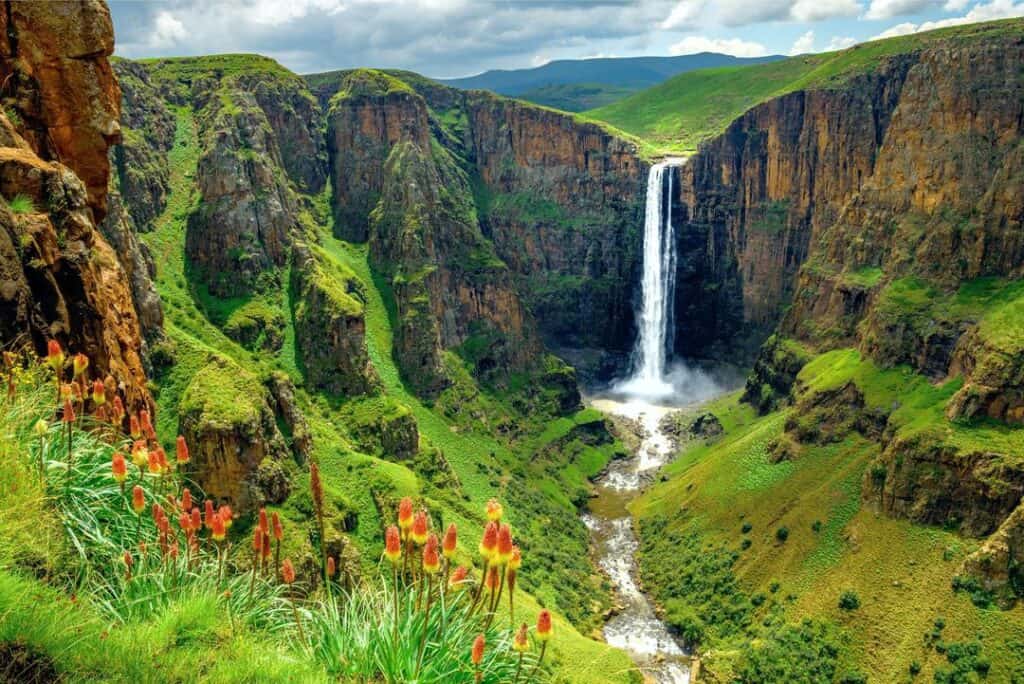
Inclusions vary between tours, so it’s important to check the individual itinerary rather than assume every package covers the same services.
Depending on the package, inclusions may cover:
Some tours exclude:
For example, the published two-day overnight itinerary includes accommodation and scheduled meals but excludes additional drinks and personal purchases.
Before confirming your booking, ask for a written breakdown of the inclusions and exclusions.
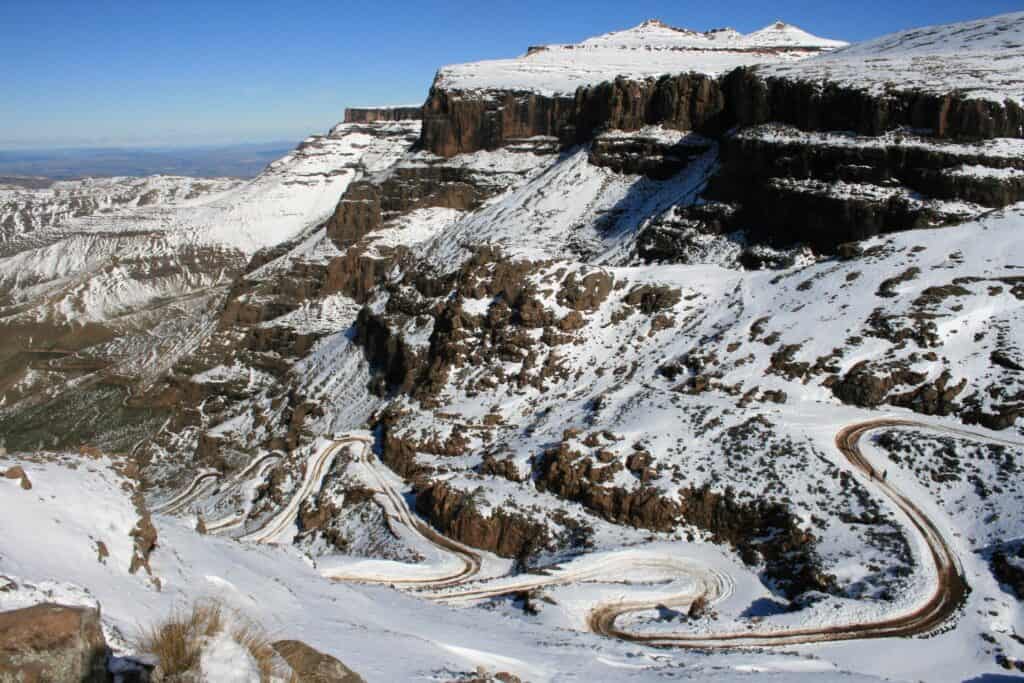
Lesotho can be visited throughout the year, but mountain conditions change considerably between seasons.
Its high altitude means temperatures are often cooler than travellers expect, particularly around Sani Pass and the eastern highlands.
Season | Typical Conditions | What Travellers Should Know |
Summer (December–February) | Warmer days, greener mountains, afternoon rain | Wet roads, clouds, and storms can affect mountain travel |
Autumn (March–May) | Cooling temperatures and changing landscapes | Often pleasant for scenery, with cold mornings becoming more common |
Winter (June–August) | Cold, dry periods with possible snow and ice | Beautiful mountain conditions, but road closures and delays are possible |
Spring (September–November) | Gradually warming weather and variable conditions | A mixture of clear days, wind, and returning rain |
Yes. Snow falls in parts of Lesotho during winter, particularly at higher elevations.
However, snowfall is unpredictable. Some winter visits offer snowy scenery, while others have clear skies and dry mountain roads.
Snow and ice can also make Sani Pass difficult or unsafe to travel.
It’s better to regard snow as a possibility rather than the reason to book a particular date.
For travellers mainly interested in mountain scenery and comfortable sightseeing, autumn and spring are often appealing.
Summer brings green landscapes and dramatic cloud formations, although rain can affect visibility and road conditions.
Winter has its own appeal, but guests should be prepared for freezing temperatures and the possibility of weather-related changes.
There isn’t one season that suits everyone.
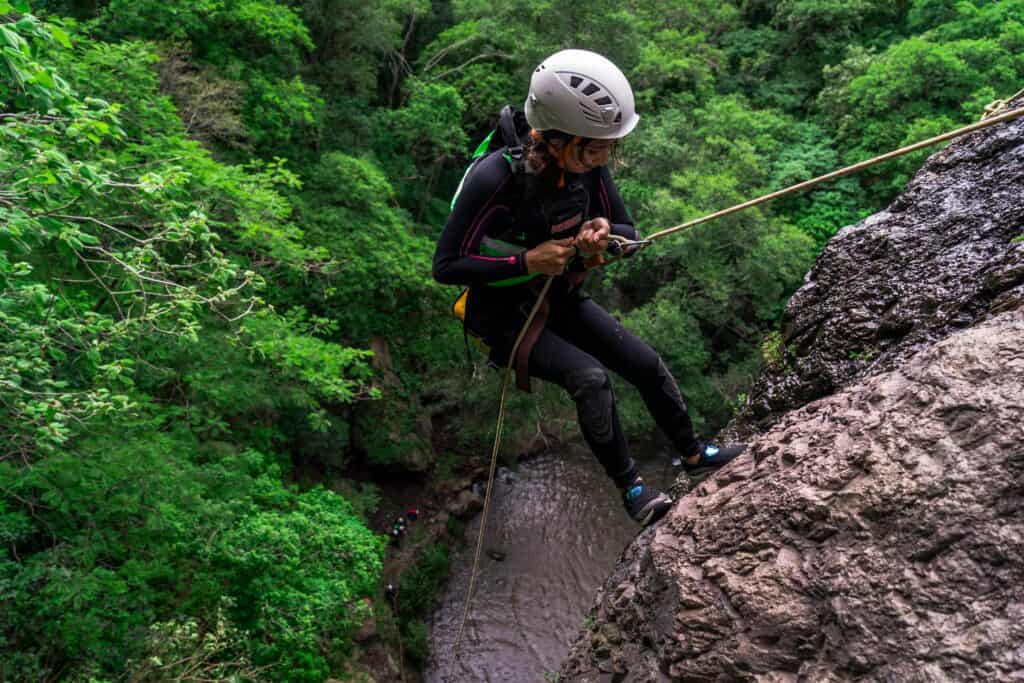
Lesotho is surrounded by South Africa and is often called the Kingdom in the Sky because of its high elevation.
Unlike many Southern African destinations known primarily for wildlife safaris, Lesotho attracts travellers for its mountains, traditional communities, hiking opportunities and cultural heritage.
The mountain landscapes are central to the Lesotho experience.
The Drakensberg forms part of the dramatic border region between South Africa and Lesotho, while the Maloti Mountains extend through much of the country.
These highlands contain deep valleys, mountain streams, grazing areas and settlements that can feel remarkably remote.
For visitors coming from Durban or the KwaZulu-Natal Midlands, the change in scenery is one of the most memorable parts of the journey.
The Basotho people have a strong cultural identity shaped by the country’s history, language, and mountain environment.
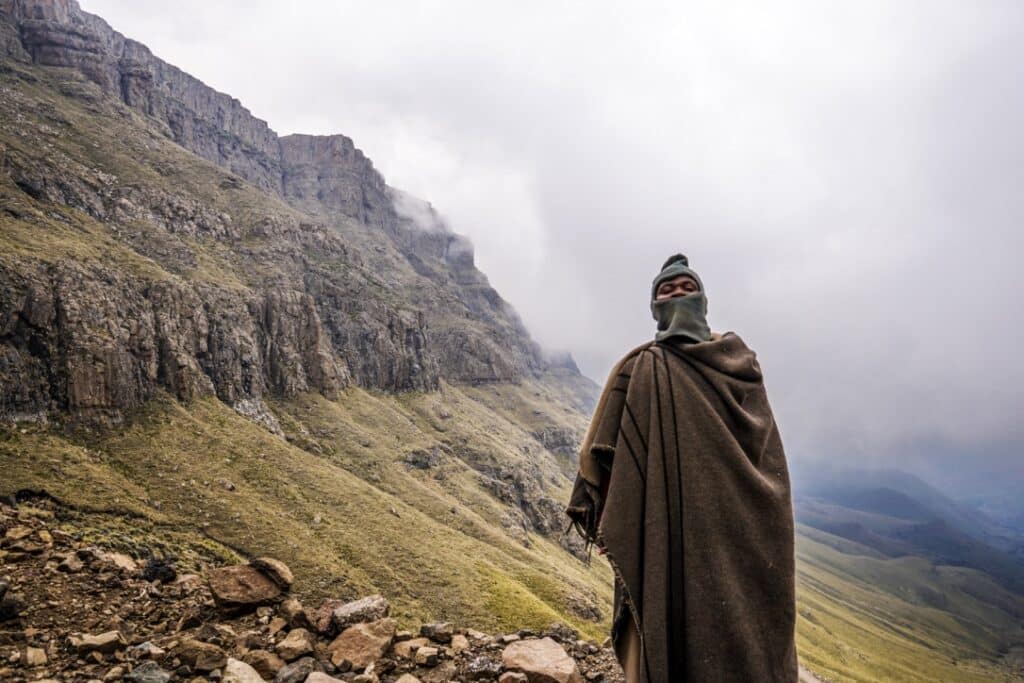
Traditional blankets, conical hats, pony transport and stone-built or rondavel-style homes are among the cultural features visitors may encounter.
Not every community follows the same traditions or way of life. Lesotho has modern towns, rural villages and many different lifestyles.
A good cultural visit should help travellers understand this diversity rather than treat local communities as tourist attractions.
When visiting villages, follow your guide’s advice, respect residents’ privacy, and ask permission before photographing people.
Travellers planning a longer visit may also be interested in:
These destinations are not automatically included in MoAfrika’s Sani Pass day tours. They are better suited to longer Lesotho itineraries.
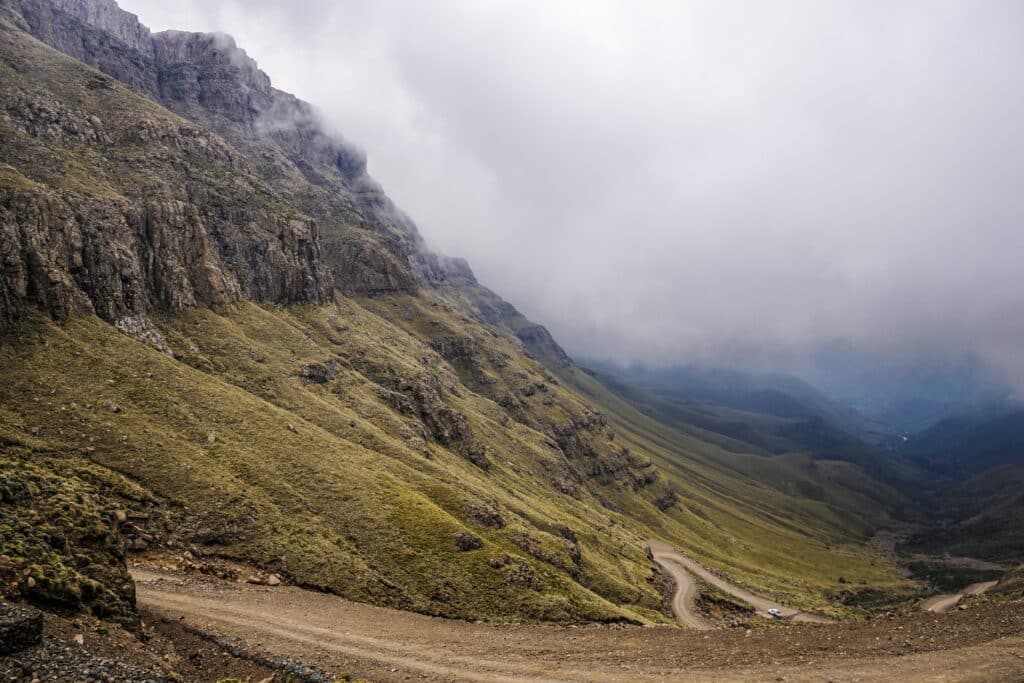
Sani Pass can be travelled in suitable conditions, but it is a demanding mountain route that requires proper preparation.
The road has steep sections, sharp bends, and exposed areas. Weather can change quickly, and visibility may deteriorate when clouds or mist move across the mountains.
For most visitors unfamiliar with the route, travelling with an experienced guide in an appropriate 4×4 vehicle is the more sensible option.
A guided tour helps with:
However, guided travel does not remove every risk.
If conditions make the route unsafe, a responsible operator may need to delay, amend, or cancel the excursion.
Check the tour’s cancellation and weather policy before departure.

Packing for Lesotho is slightly different from packing for a coastal South African holiday.
Even when Durban is warm, the highlands can be cold and windy.
Lesotho Day Tour Packing Checklist
In winter, add gloves, a warm hat, and extra layers.
For overnight trips, bring suitable clothing for cold evenings, personal toiletries and any additional items recommended by your accommodation provider.
Avoid packing more than you need. Vehicle space may be limited, particularly on shared tours.
The most common mistake when planning a Lesotho tour is underestimating how much time mountain travel takes.
A route that looks short on a map can involve slow driving, stops for photographs, border procedures, and changing weather.
If you’re staying in Durban and have only one day, a guided excursion is convenient. Just be prepared for a full day of travelling.
If you have the flexibility to stay near Underberg, you’ll generally enjoy a more relaxed start and spend less time getting to the mountains.
For travellers who want to understand more about Lesotho rather than simply see Sani Pass, we would lean towards an itinerary that continues into the highlands or includes an overnight stay.
The important thing is choosing a tour that gives you enough time to enjoy the experience without feeling rushed.
MoAfrika Tours is an owner-run South African tour operator with more than two decades of experience introducing travellers to destinations across Southern Africa.
Our team works with professional guides and local service providers to help guests experience the region through organised tours, transfers and multi-day journeys.
For Lesotho, that means helping travellers understand their options before booking, from choosing the right departure point to preparing for the mountain journey and border crossing.
Not every traveller wants the same experience. Some are happy with a scenic day over Sani Pass, while others prefer to spend longer exploring the highlands.
Our role is to help you choose the option that makes sense for your time, interests, and budget.

⭐⭐⭐⭐⭐
Maple T. – United Kingdom
“We had the most amazing experience with Moafrika Tours for our trip to Lesotho. A fantastic day with Duma as our fantastic driver. Even though Sani Pass is not for the faint hearted he drove us safely up and down. A day filled with wonderful views, nature and culture, plus a great meal in Africas highest pub. Thank you so much Duma for making our day!”
Lesotho is one of those destinations where the journey matters just as much as the places you visit.
The climb over Sani Pass, the mountain air, the changing scenery, and the opportunity to experience a different part of Southern Africa make it a worthwhile addition to many South African itineraries.
For some travellers, one day is plenty. Others find that spending a night in the highlands gives them a much better sense of the country.
Explore MoAfrika’s Lesotho tours and choose the experience that fits your travel plans.
If you’re unsure whether to depart from Durban or Underberg, or whether a day tour or overnight trip would suit you better, speak to our tour team. We can help you compare the available options and understand what to expect before you travel.
A guided Sani Pass day tour is a good starting point for most first-time visitors. It combines mountain scenery, a 4×4 journey, and an introduction to Lesotho without requiring several days of travel.
Yes. Guided day tours depart from Durban and travel inland towards Underberg and Sani Pass. Expect a long day because of the road journey, mountain ascent, and border procedures.
MoAfrika’s published Lesotho day tours start from approximately R1,680 per person, while the listed two-day overnight tour starts from R6,250 per person sharing. Prices depend on the tour, departure point, date, and booking conditions.
Yes, a suitable 4×4 vehicle is required for the Sani Pass border route. The steep gradients, bends, and road surface make it unsuitable for ordinary passenger cars. A guided 4×4 excursion is a practical option for visitors unfamiliar with mountain driving.
Yes, international travellers need a valid passport and must meet Lesotho’s entry requirements. Visa rules depend on nationality, and you should also check the requirements for returning to South Africa.
One day is enough for an introduction to Sani Pass and part of the eastern highlands. If you want to explore more of Lesotho, visit communities at a slower pace, or travel beyond the border region, an overnight tour is usually a better choice.
Families can enjoy Sani Pass, but the steep mountain road and long driving times may not suit every child. Check age restrictions, child seating arrangements, and the duration of the tour before booking.
Yes, but winter temperatures can be very cold at higher elevations. Snow and ice are possible, and severe conditions may affect road access. Pack warm clothing and allow for potential itinerary changes.
It depends on the package. Some tours include refreshments or meals, while others have optional meal stops. The published overnight tour includes accommodation and scheduled meals. Check the individual itinerary for the exact inclusions.
Underberg is usually the better starting point if you’re already in the Drakensberg and want to spend more of your day exploring. Durban departures are more convenient if you’re staying in the city and prefer organised return transport.




WhatsApp Now