
Uganda offers an extraordinary blend of adventure, wildlife, and culture. Known as the “Pearl of Africa,” this East African gem invites you to trek among mountain gorillas, cruise along shimmering lakes, explore vast savannahs, and meet some of the friendliest people on the continent.
With its diverse landscapes, abundant wildlife, and welcoming communities, Uganda promises a journey filled with discovery, wonder, and genuine connection.
Need more Info?

Despite its compact size, it offers an astonishing array of landscapes, from mist-clad mountains and dense rainforests to sprawling savannahs and shimmering lakes.
Bwindi Impenetrable Forest is home to nearly half of the world’s remaining mountain gorillas. Kibale Forest boasts the highest concentration of chimpanzees in Africa, and Queen Elizabeth National Park is famed for its rare tree-climbing lions.
Ugandans are celebrated for their friendly nature. Village visits, cultural performances and homestays offer a glimpse into rich traditions and community life that blend seamlessly with Uganda safari adventures.
You can white-water raft on the Nile near Jinja, hike the Rwenzori Mountains, fish in Lake Victoria, or explore the equator at neighbouring Entebbe.
The two main locations for gorilla trekking are Bwindi Impenetrable National Park and Mgahinga Gorilla National Park, both in the south-west of the country. Bwindi is home to around 459 of the estimated 1 063 mountain gorillas left on Earth, making it the most significant sanctuary for this endangered species.
Bwindi offers more than 20 habituated gorilla families, spread across four trekking sectors: Buhoma, Ruhija, Rushaga and Nkuringo. Treks can last anywhere from two to eight hours, depending on the gorillas’ location, and the terrain ranges from steep hills to dense rainforest. Mgahinga has one habituated group and is less crowded.
Gorilla trekking permits are issued by the Uganda Wildlife Authority and are limited and should be booked months in advance. It allows you one hour with the gorillas. Although the treks require moderate to high fitness levels, porters are available to assist with backpacks and offer a helping hand.


Uganda’s national parks offer some of the most varied and rewarding safari experiences in East Africa.
One of the Queen Elizabeth National Park’s highlights is the tree-climbing lions in the Ishasha sector, a rare behaviour observed in only a few places worldwide. In the northern Mweya sector, you’ll find large herds of elephants, buffalo and antelope, along with leopards and hyenas.
For primate lovers, Kyambura Gorge offers chimpanzee trekking in a sunken forest surrounded by savannah.
Getting to Queen Elizabeth National Park is straightforward, with a six to seven-hour drive from Kampala or Entebbe. Alternatively, domestic flights are available from Entebbe to Kasese, which is just an hour from the park.
Safari costs vary depending on the type of accommodation and activities chosen. A game drive with a private guide typically costs R 1 100 to R 1 500 (US$60 to US$80), while boat safaris on the Kazinga Channel cost around R 950 (US$50) per person. Park entrance fees are R 470 (US$25) per person per day.
Accommodation options range from budget guesthouses to luxury lodges, with prices from R 850 (US$45) to R 6 000 (US$325) per night.

The Kazinga Channel is a 32-kilometre waterway connecting Lake Edward and Lake George, cutting through the heart of Queen Elizabeth National Park.
Expect to see hundreds of hippos lounging in the shallows and crocodiles basking on the mudflats. Elephant herds regularly come to the water’s edge to drink and cool down, while buffaloes graze in the tall grasses nearby. The channel is also a hotspot for birdwatchers, with species like African fish eagles, kingfishers, herons and the rare shoebill stork.
Most boat safaris operate from the Mweya Peninsula and last around two hours. Boats are usually equipped with guides. Morning and late afternoon departures are most popular, with the latter offering golden lighting ideal for photography.
The Kazinga Channel provides guaranteed sightings of large numbers of animals, especially during the dry season. The calm waters and close proximity of animals make it suitable for travellers of all ages.
Unlike gorilla trekking, trekking chimpanzees and golden monkeys are often shorter, more active, and feature highly social primates that move quickly and interact dynamically with each other.
Kibale Forest National Park is the premier destination for chimpanzee tracking. It is home to over 1 500 chimpanzees and boasts the highest density of primates in East Africa. Tracking usually starts in the morning, led by expert guides.
Budongo Forest, near Murchison Falls, offers another chimpanzee tracking site. The terrain is less dense than Kibale, making sightings often easier for older travellers or families.
The best place to see golden monkeys is Mgahinga Gorilla National Park in Uganda’s Virunga Mountains. These playful primates are endemic to this region and live in high-altitude bamboo forests.
Unlike gorillas, chimps and golden monkeys are more mobile, and visitors should be prepared for some fast walking through uneven terrain.
Uganda offers a wide range of accommodation options, from rugged backpacker stays to luxury safari lodges with all the comforts of home.
Budget travellers will find hostels, campsites, and simple guesthouses in most towns and near national parks. Dormitory beds start from around R 270 (US$15) per night, while private rooms go from R 540 to R 900 (US$30 to US$50).
Mid-range lodges and tented camps are widely available near parks such as Queen Elizabeth, Murchison Falls, and Kibale. Expect hot showers, comfortable beds, and hearty meals, often in scenic locations. Rates range from R 1 800 to R 3 600 (US$95 to US$190) per night per person, usually including breakfast and sometimes dinner.
Luxury lodges and eco-resorts provide a more exclusive experience, often with private verandas, en suite bathrooms, gourmet cuisine, and panoramic views. Some properties, particularly in Bwindi or Kidepo, offer all-inclusive packages with guided activities and transfers. Prices typically start at R 5 000 (US$260) per night and can exceed R 9 500 (US$500) for top-tier properties.
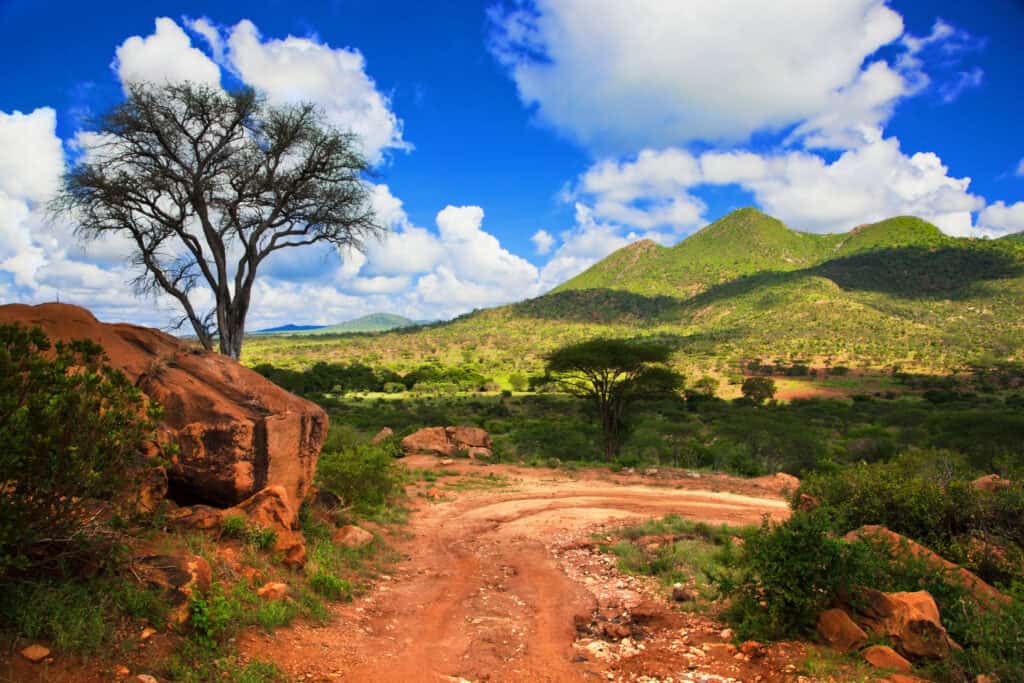
Generally, the most popular months are during the two dry seasons: from December to February and June to September. These periods are ideal for gorilla trekking, chimpanzee tracking, and game viewing.
For gorilla trekking, dry weather improves trail conditions and visibility, making it easier to track the primates through the forest. Permits also sell out fastest during these times, so early booking is recommended. Gorilla trekking is possible in the rainy months as well, but expect wet, slippery trails and challenging conditions.
Wildlife viewing in parks like Queen Elizabeth, Murchison Falls, and Kidepo is best during the dry seasons too. Vegetation is thinner and water sources are limited, making animals easier to spot. These months also offer better road conditions, and fewer delays due to weather.
Birdwatchers prefer the wetter months of March to May and October to November, when migratory birds are present, and forests are at their greenest. While some areas become muddy, birdlife is abundant, and the scenery is lush.
Temperatures remain consistent throughout the year, ranging from 20°C to 30°C in most regions. Higher altitudes such as Bwindi and the Rwenzoris are cooler, with temperatures dipping to 10°C or lower.
Travelling in the low season also means fewer tourists and often better lodge rates, with discounts of up to 25%. Park entrance fees stay the same, but quieter trails and more personal service can make for a more intimate and peaceful trip.
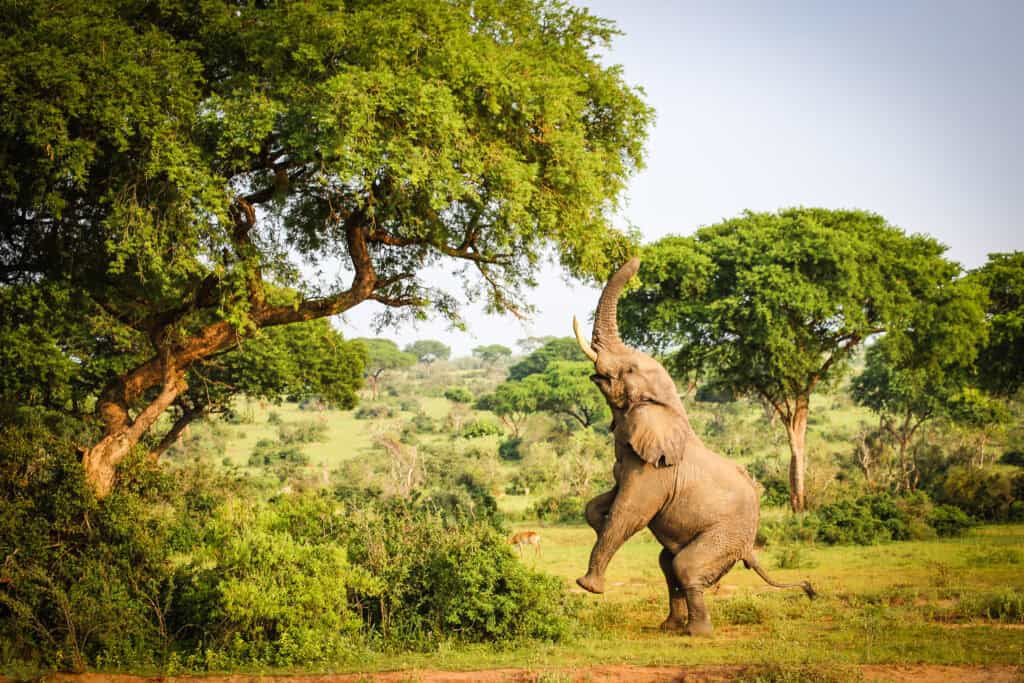
In Queen Elizabeth National Park, visitors can expect to see lions, elephants, buffalo, Uganda kob (a type of antelope), hippos, crocodiles, and many bird species. The Kazinga Channel boat cruise offers close encounters with hippos, crocodiles, and water birds.
Murchison Falls National Park is home to large elephant herds, giraffes, hartebeest, and the rare shoebill stork. The waterfall itself is a spectacular sight and attracts various wildlife to the riverbanks.
Lake Mburo National Park is smaller but known for zebras, impalas, elands, and bushbucks. It is one of the best parks for walking safaris, where you can spot smaller mammals and birdlife on foot.
In the remote Kidepo Valley National Park, a more rugged safari destination, you can find cheetahs, leopards, ostriches, and packs of African wild dogs.
Birdwatchers will appreciate Uganda’s more than 1,000 recorded bird species, including many endemics. Look for the colourful shoebill, great blue turaco, and African fish eagle.
Uganda is a country rich in cultural diversity, with over 50 ethnic groups, and visitors have many opportunities to engage with local communities and experience authentic Ugandan culture.
For example, the Batwa community near Bwindi offers insightful experiences about their forest-based heritage and survival skills. Visitors can learn about traditional hunting techniques, basket weaving, and dance rituals.
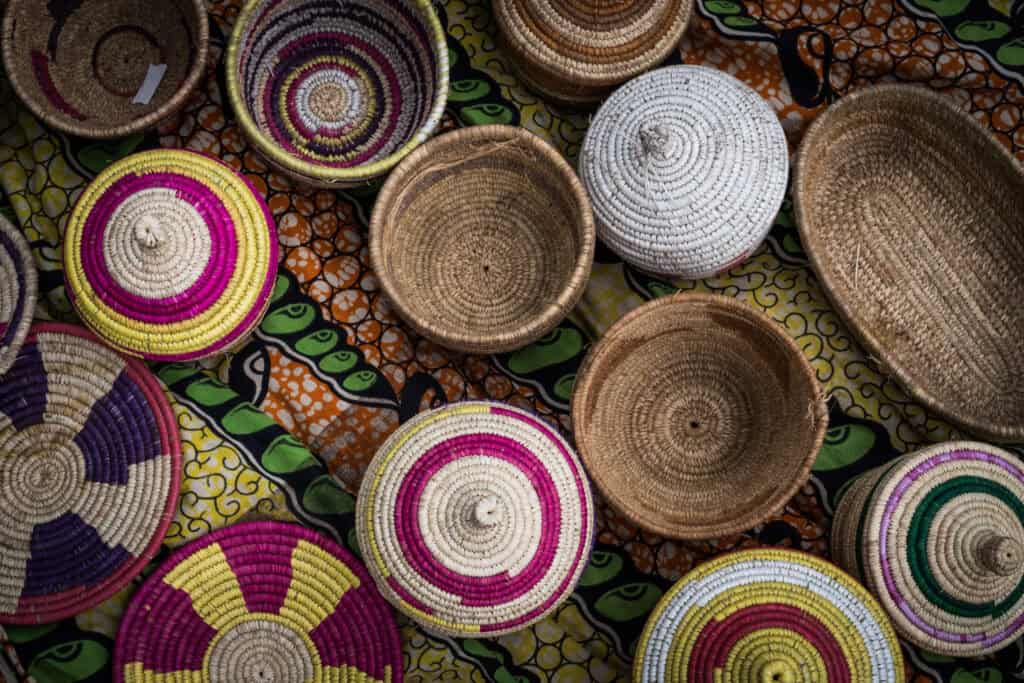
In Kampala and other towns, you can explore vibrant markets such as the Nakasero Market or Owino Market, where local artisans sell colourful fabrics, beadwork, wood carvings, and jewellery. Sampling Ugandan cuisine is a must — dishes like matoke (steamed plantains), posho (maize porridge), and fresh fish from Lake Victoria are widely enjoyed.
Many lodges and cultural centres arrange live performances showcasing traditional drum dances, storytelling, and singing. Some communities celebrate festivals and ceremonies that tourists can attend.
Craft workshops provide hands-on experiences, allowing visitors to try bead making, pottery, or drum crafting under local guidance.
Uganda is generally considered safe for tourists, and the majority of visitors enjoy trouble-free trips. Security is tight in national parks, airports, and major tourist areas. Tourism police units are deployed across key destinations, and lodges often have their own private security.
Most parts of the country, including Entebbe, Kampala, Jinja, Bwindi, Kibale, and Queen Elizabeth National Park, are stable and welcoming. Road conditions have improved on major routes, and reliable guides and transport services reduce travel risks significantly.
However, visitors should avoid travel near the borders with South Sudan and eastern parts of the Democratic Republic of Congo due to potential unrest.
Petty theft and scams can occur in urban areas, just as they do in any large city. It’s advisable to keep valuables secure, avoid walking alone at night in unfamiliar places, and use registered taxis or transfers arranged through your hotel or lodge. Hiring a local guide or going through a reputable tour company is the best way to ensure a safe and smooth experience.
Health-wise, Uganda requires a yellow fever vaccination certificate for entry and is located in a malaria zone, so antimalarial medication is recommended. Bottled or filtered water should be used for drinking, and travel insurance that covers medical evacuation is highly advisable.
With the right planning, Uganda can be an excellent destination for families and older visitors. Many lodges and parks offer comfortable amenities, accessible activities, and friendly staff who cater to different needs.
Six years old is the minimum age for gorilla trekking permits. Parks like Lake Mburo and Queen Elizabeth are ideal for game drives with young children due to relatively gentle terrain and abundant wildlife. Boat cruises, nature walks, and cultural visits to local communities can be engaging for all ages.
While gorilla trekking involves hiking steep, muddy trails and can be physically demanding, many lodges offer alternative activities such as scenic boat safaris, cultural visits, and shorter forest walks. Some parks, like Bwindi, have less strenuous treks with guides who can adjust pace.
Medical facilities are good in Kampala and Entebbe but limited in remote areas, so travellers with health concerns should travel with their medications and travel insurance.
Family-friendly accommodation options range from tented camps with family tents to luxury lodges offering connecting rooms and child-friendly menus. Most places offer guides who speak English and are skilled at engaging younger visitors.
Self-driving in Uganda is possible but not always straightforward, and many travellers prefer hiring a guide or driver for convenience, safety and local knowledge. The road network has improved considerably, especially between major towns and national parks, but some routes remain challenging with rough, unpaved surfaces, potholes and limited signage.
If you are an experienced off-road driver comfortable with African conditions, self-driving can offer flexibility and cost savings. A 4×4 vehicle is essential, especially for reaching Bwindi, Kidepo Valley, and other remote parks.
However, hiring a professional driver-guide remains the most popular and practical option for many visitors. Guides are familiar with local roads, wildlife behaviour, and cultural etiquette, enhancing your safari experience. Their expertise helps avoid delays, spot animals, and arrange permits or community visits.
Some national parks require visitors to be accompanied by a ranger guide for trekking or game drives. For example, gorilla and chimpanzee trekking always includes official park rangers to ensure safety and conservation.
On average, a mid-range safari of 7 to 10 days costs around R 45 000 to R 75 000 (US$2 400 to US$4 000) per person, excluding international flights.
The biggest cost is often the gorilla trekking permit, which is R 11 500 (US$600) per person. Chimpanzee tracking in Kibale costs about R 1 800 (US$95), while golden monkey tracking is around R 1 000 (US$55). Park entrance fees for other destinations like Queen Elizabeth or Murchison Falls average R 470 (US$25) per day.
Budget travellers can find basic lodges or campsites from R 370 to R 750 (US$20 to US$40) per night. Mid-range lodges generally charge R 1 800 to R 3 700 (US$95 to US$195) per person per night, often including meals. Luxury lodges range from R 5 600 to R 11 200 (US$295 to US$590) per night, offering all-inclusive packages with guides, game drives, and bush meals.
Transport is a key expense. Most visitors hire a 4×4 vehicle with a driver-guide, which costs around R 1 700 to R 2 800 (US$90 to US$150) per day. Shared group tours reduce the cost, while private safaris are more flexible but pricier. Flights within Uganda, such as from Entebbe to Kihihi (near Bwindi), range from R 3 700 to R 5 600 (US$195 to US$295) one way.
Meals at restaurants cost about R 75 to R 190 (US$4 to US$10), while tips for guides and trackers typically add R 190 to R 370 (US$10 to US$20) per day. Visa fees for most travellers are R 940 (US$50).
Packing for a Uganda safari involves preparing for a mix of climates, activities and terrain.
Clothing should be lightweight, breathable, and quick-drying, but also offer good coverage. Long sleeves and trousers help protect against insect bites and sunburn. Neutral colours like khaki, green, and brown are best, as they blend into the environment and don’t attract insects. For gorilla or chimp trekking, a long-sleeved shirt, sturdy hiking boots, and garden gloves are essential. Trails can be muddy, steep, and full of nettles or brambles.
Temperatures can vary, so pack in layers. Mornings and evenings in Bwindi or the Rwenzoris can be chilly, dropping below 10°C, so bring a warm fleece or light jacket. In contrast, the savannah can be hot by midday. A wide-brimmed hat, sunglasses, and high-SPF sunscreen are must-haves.
Rain is always a possibility in Uganda, so carry a lightweight rain jacket or poncho, especially if travelling during the wet season.
Health and hygiene items include insect repellent with DEET, antimalarial medication, hand sanitiser, and a basic first-aid kit with plasters, antiseptic wipes, and painkillers.
Don’t forget your yellow fever vaccination certificate, which is required for entry. A reusable water bottle and electrolyte sachets are also helpful for staying hydrated, especially on hikes.
For photography, bring a camera with a zoom lens, extra memory cards and batteries. Binoculars are useful for birding and game drives.
The best time to visit Uganda is during dry seasons, especially June to September and December to February, which are ideal for trekking and wildlife viewing.
Yes you can combine gorilla trekking in Bwindi or Mgahinga with chimpanzee tracking in Kibale or Queen Elizabeth NP.
You need yellow fever vaccination and you must be up to date with routine immunisations and consider malaria prevention.
Most travellers require a visa to enter Uganda, which costs about R 940 (US$50). Many nationalities can obtain an e-visa before arrival or get a visa on arrival.
Yes, Uganda offers family-friendly activities and lodges, though gorilla trekking requires a good level of fitness. Alternative activities are available for those who prefer less strenuous options.
Yellow fever vaccination is mandatory. Malaria is prevalent, so antimalarial medication is advised along with routine vaccinations.
Visitors can enjoy village visits, traditional dances, local markets, craft workshops, and sample authentic Ugandan cuisine.
A mid-range safari typically costs between R 45 000 and R 75 000 (US$2 400 to US$4 000) for 7 to 10 days, excluding international flights.


WhatsApp Now