Big 5 Kruger Park Safaris: Everything You Need to Know Before You Go
Watching a lion emerge from the grass at sunrise or finding a leopard resting in a marula tree is what draws many travellers to Kruger National Park. It’s one of the few places in the world where seeing all of the Big Five during a single trip is a realistic possibility, although wildlife always follows its own timetable.
Many first-time visitors assume that simply entering the park guarantees remarkable sightings. The reality is a little more nuanced. Where you stay, how many days you spend in the park, the season you travel, and whether you choose a guided safari or self-drive all influence the experience, so it helps to plan your Kruger safari carefully.
This guide explains what to expect from a Big Five Kruger safari, how to improve your chances of memorable wildlife sightings, and how to choose the safari that suits your travel style.
Can You See the Big Five in Kruger National Park?
Yes. Kruger National Park is one of Africa’s premier Big Five destinations. Lions, leopards, elephants, rhinos, and buffalo all occur naturally throughout the park. While sightings are never guaranteed, spending three to four days in productive areas of southern Kruger with experienced guides usually gives travellers an excellent opportunity to see several—or even all—of the Big Five during one safari.
Why Trust MoAfrika Tours?
MoAfrika Tours has been introducing travellers to Southern Africa’s most iconic wildlife destinations for over two decades. Our local safari specialists and professional guides help thousands of guests experience authentic African safaris every year.
Because our team works in and around Kruger regularly, we understand how seasons, wildlife movements, safari routes, and accommodation choices affect the overall experience. Our advice is based on practical experience rather than unrealistic promises.

What Are the Big Five?
The Big Five originally referred to the five most challenging animals to track on foot. Today, they are the wildlife species most visitors hope to see on safari.
Animal | What Makes It Special |
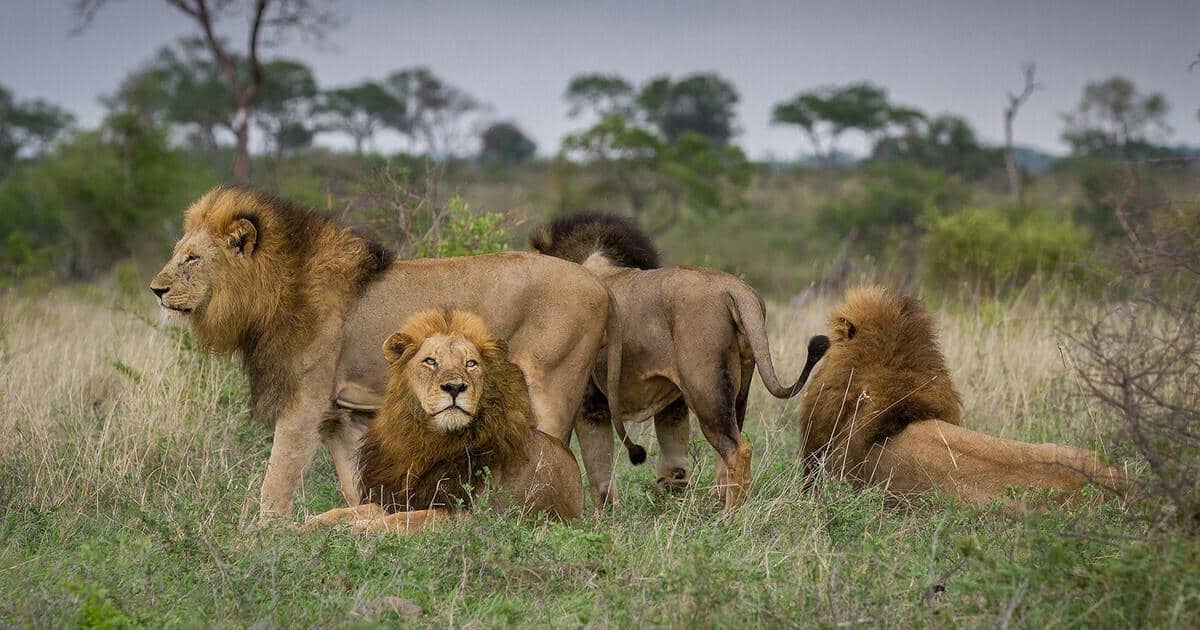
Lion | Africa’s iconic apex predator, often seen resting in prides |
Leopard | Secretive and elusive, usually spotted near rivers and large trees |
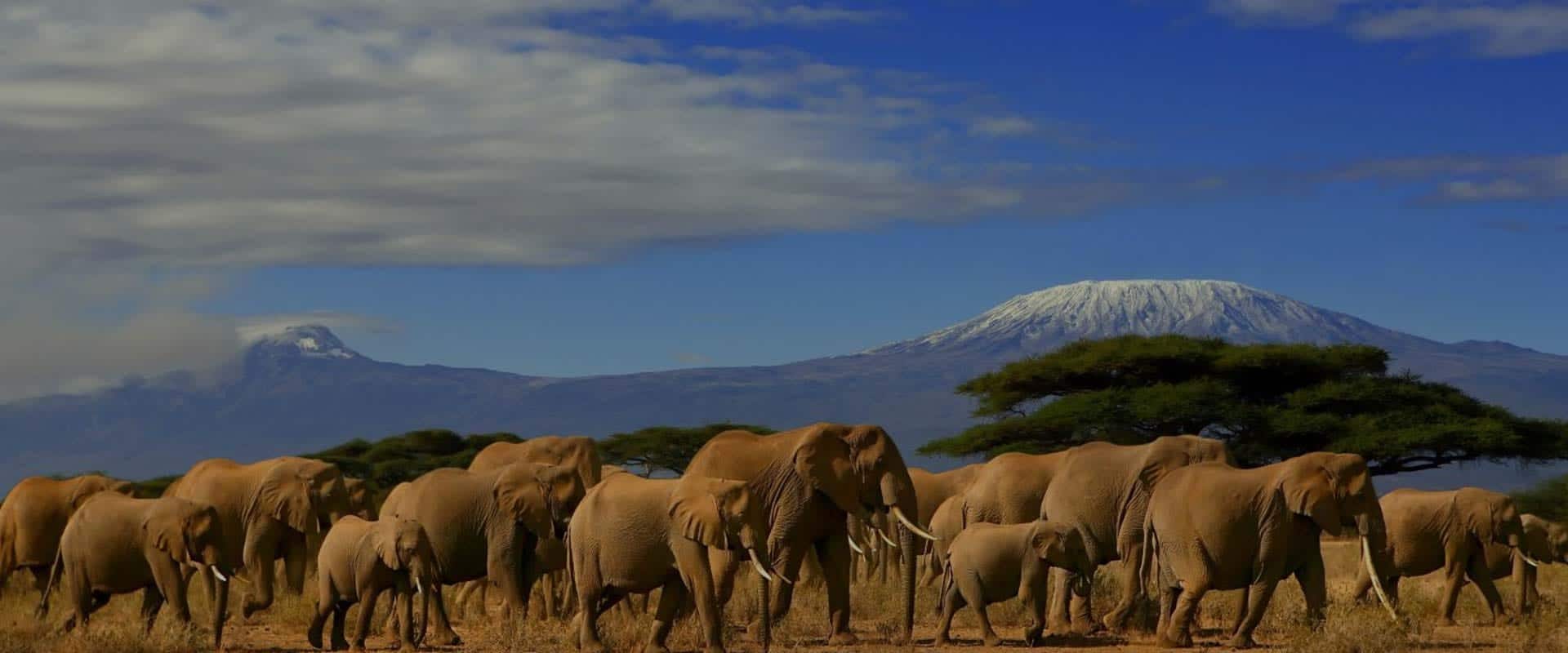
Elephant | The largest land mammal, commonly seen throughout Kruger |
Buffalo | Frequently found in large herds around grasslands and water |
Rhino | One of Africa’s most endangered animals and an unforgettable sighting |
Although the Big Five are the main attraction, many travellers leave talking just as much about wild dogs, giraffes, hyenas, birds, or memorable moments that weren’t on their original checklist.

Why Kruger National Park Is One of the Best Big Five Destinations
Kruger National Park covers almost 20,000 square kilometres and protects one of Africa’s richest wildlife ecosystems.
Several factors make it particularly rewarding for Big Five safaris:
- Large populations of wildlife
- Diverse habitats
- Excellent road network
- Professional safari guides
- Well-developed accommodation options
- Year-round safari opportunities
Unlike smaller reserves, Kruger allows every safari to unfold differently. Wildlife remains unpredictable, which is part of what keeps people returning.
Where Are the Best Areas for Big Five Sightings?
While the Big Five occur throughout Kruger, some regions consistently offer more productive wildlife viewing.
Region | Wildlife Highlights | Best For |
Skukuza | Big Five, leopards, elephants | First-time visitors |
Lower Sabie | Lions, leopards, buffalo | Predator safaris |
Satara | Lions, elephants, hyenas | Big cat enthusiasts |
Crocodile Bridge | Lions, cheetahs, buffalo | Multi-day safaris |
Berg-en-Dal | Rhino, leopard, elephant | Scenic game drives |
Southern Kruger generally has higher wildlife densities, making it a popular choice for travellers on shorter itineraries.

Which Safari Is Right for You?
Choosing the right safari often matters more than simply choosing the destination.
Safari Type | Best For | Experience |
Guided Group Safari | First-time visitors | Great value and expert guiding |
Private Safari | Couples, families, photographers | Personalised experience and flexibility |
Luxury Safari | Honeymooners and comfort seekers | Premium lodges and exclusive service |
Self-Drive Safari | Independent travellers | Maximum flexibility at a lower cost |
Each option has advantages. The best choice depends on your budget, travel style, and expectations.
Best Big Five Safari by Traveller Type
Traveller | Recommended Safari |
First-time visitor | 3-Day Guided Safari |
Family | 4-Day Family Safari |
Couple | Private Safari |
Photographer | Private Multi-Day Safari |
Budget traveller | Group Safari |
Luxury traveller | Lodge-Based Safari |

When Is the Best Time for a Big Five Safari?
There isn’t one perfect season.
Dry Season (May to September)
Usually offers:
- Easier wildlife spotting
- Thinner vegetation
- Better predator visibility
- Cooler temperatures
Green Season (October to April)
Often provides:
- Beautiful landscapes
- Fewer visitors
- Baby animals
- Outstanding birdwatching
- Better accommodation availability
Many first-time visitors prefer the dry season, while repeat travellers often appreciate the quieter atmosphere and lush scenery of the green season.

How Many Days Should You Spend in Kruger?
One of the most common mistakes is trying to fit everything into a single day.
Safari Length | Experience |
1 Day | Introduction to Kruger |
2 Days | Good wildlife viewing |
3–4 Days | Excellent balance |
5+ Days | Outstanding safari experience |
Three or four days gives guides time to revisit productive areas, adjust routes based on wildlife activity, and lets travellers experience the park at a more relaxed pace.
What Can You Expect on a Typical Big Five Safari?
No two game drives are the same, but a typical day often includes:
Time | Activity |
Sunrise | Morning game drive |
Mid-morning | Breakfast at camp |
Afternoon | Leisure time |
Late afternoon | Evening game drive |
After sunset | Return to lodge and dinner |
Early mornings and late afternoons are often the most productive periods for wildlife activity.

Guided Safari vs Self-Drive
Guided Safari | Self-Drive |
Professional wildlife tracking | Complete flexibility |
Local safari knowledge | Lower overall cost |
Better interpretation | Independent exploration |
No navigation required | Travel at your own pace |
Many first-time visitors appreciate having an experienced guide who can recognise animal behaviour, identify tracks, and interpret what is happening around them.
Wildlife Sightings: Setting Realistic Expectations
The Big Five are wild animals living in a natural ecosystem.
Some days seem effortless, with elephants around every corner and lions relaxing beside the road.
Other days require patience.
Experienced guides often notice subtle clues before animals appear:
- Alarm calls from birds
- Fresh tracks
- Buffalo movement
- Vultures circling overhead
- Changes in animal behaviour
Those small details often lead to the most rewarding sightings.

What Guides Usually Recommend
After years in Kruger, certain patterns become clear.
Travellers often enjoy their safari more when they:
- Stay at least three nights
- Leave camp early
- Spend time in southern Kruger on a first visit
- Focus on the overall safari rather than chasing a checklist
- Trust their guide’s local knowledge
- Accept that wildlife never follows a schedule
Ironically, the people who enjoy Kruger the most are often the ones who stop worrying about seeing every animal.
Safari Guide Insight
After years of guiding safaris in Kruger National Park, certain patterns become familiar. Wildlife sightings are rarely just a matter of luck. Small decisions—when you leave camp, how quickly you drive, and how much patience you have—can shape the experience far more than many travellers expect.
The First Hour Often Sets the Tone
The period just after sunrise is usually the most rewarding time to be out in the park. Predators are often still active before the day warms up, elephants move between feeding areas, and the bush is generally quieter.
It’s not unusual for a morning drive to produce more wildlife activity than several hours spent on the road later in the day.
Slow Drives Usually Lead to Better Sightings
Many first-time visitors focus on covering as much ground as possible. Experienced guides tend to do the opposite.
Driving slowly allows time to notice fresh tracks, listen for alarm calls from birds and antelope, and watch how other animals are behaving. These subtle clues often point towards predators or other interesting wildlife before they come into view.
What to Pack for a Big Five Safari
Use a practical safari packing list rather than filling your suitcase with unnecessary items.
Essentials include:
- Neutral-coloured clothing
- Comfortable walking shoes
- Hat
- Sunglasses
- Sunscreen
- Camera
- Binoculars
- Reusable water bottle
- Light jacket for early morning drives
- Insect repellent
Layering works well because mornings can be surprisingly cool before warming up later in the day.

Sample 3-Day Big Five Safari Itinerary
Day | Activities |
Day 1 | Arrival, afternoon game drive, overnight in Kruger |
Day 2 | Sunrise game drive, leisure time, sunset safari |
Day 3 | Morning safari, breakfast, departure |
Longer safaris usually provide more opportunities to revisit productive wildlife areas and experience different parts of the park.
Safari Guide Insight
Every Game Drive Is Different. Even when following the same route on consecutive days, the experience can be completely different.
A road that seems quiet in the morning may produce lion sightings that afternoon. A waterhole that was empty yesterday could be full of elephants today. Wildlife moves constantly, which is why experienced guides remain flexible rather than following the same plan every day.
A Little Patience Goes a Long Way
Kruger rewards travellers who slow down and let the safari unfold naturally. Wildlife sightings are never guaranteed, but patience, realistic expectations, and time spent with experienced guides usually create a richer and more memorable safari than simply trying to tick animals off a list.
Guest Review
⭐⭐⭐⭐⭐
Emma – Australia
“We saw four of the Big Five during our first two days, but what really stood out was our guide explaining animal behaviour throughout the drives. Even when nothing dramatic was happening, there was always something interesting to learn. By the end of the trip we realised the safari was about far more than ticking animals off a list.”
⭐⭐⭐⭐⭐
Jamie and Olivia – United Kingdom
“We’d hoped to see the Big Five, but the real highlight was learning from our guide. Every drive felt different, and by the third day we realised there was so much more to Kruger than ticking animals off a list.”
Plan Your Big Five Kruger Safari
Every traveller imagines their safari a little differently. Some are hoping for their first lion sighting, while others want time to photograph elephants at a waterhole or simply enjoy being surrounded by the African bush.
The right safari depends on your priorities, your budget, and how you like to travel.
Whether you’re planning your first visit or returning to Kruger for another adventure, MoAfrika’s safari specialists can help you compare Kruger National Park safari packages and choose an experience that matches what you’re looking for.
Frequently Asked Questions
Can you see all the Big Five in one safari?
It’s possible, especially on a multi-day safari, but sightings are never guaranteed.
Which area of Kruger is best for the Big Five?
Southern Kruger, including Skukuza, Lower Sabie and Satara, is usually the preferred region for first-time visitors.
How many days improve my chances of seeing the Big Five?
Three to four days generally provide a much better opportunity than a single-day visit.
Is a guided safari better than self-driving?
Many first-time travellers find guided safaris more rewarding because guides know animal behaviour and seasonal wildlife patterns.
What is the best season for a Big Five safari?
The dry season usually offers easier wildlife viewing, while the green season provides beautiful scenery, fewer crowds and excellent birdlife.
Can children join a Big Five safari?
Yes. Many Kruger safari packages are suitable for families, although age restrictions may apply to certain lodges and activities.
Are private safaris worth the extra cost?
Private safaris offer more flexibility, personalised guiding and additional time at sightings, making them popular with photographers, families and couples.
What happens if I don't see all the Big Five?
Most travellers still leave with an unforgettable safari. Kruger is home to hundreds of bird species and countless other animals, and many of the most memorable moments happen when you least expect them.
Is Kruger National Park suitable for first-time safari travellers?
Yes. Its excellent infrastructure, variety of accommodation and experienced guides make it one of Africa’s most accessible safari destinations.
How far in advance should I book?
Booking several months ahead is recommended during the dry season and school holidays, particularly if you have specific lodges or travel dates in mind.