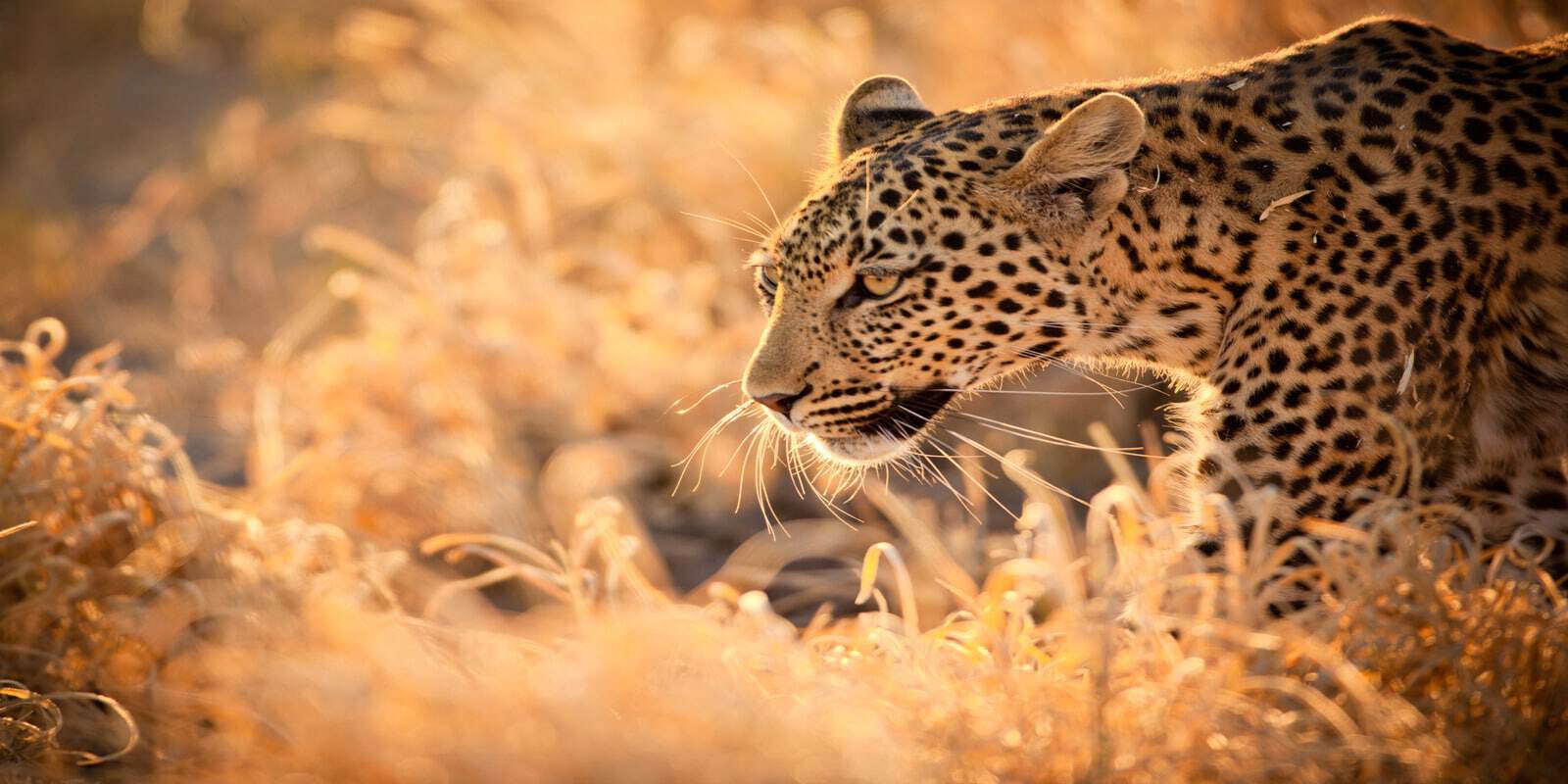
Planning a Kruger safari is exciting, but there are a few decisions that can make a bigger difference to your trip than most people realise. Choosing the right area, allowing enough time for game drives, and understanding how the seasons affect wildlife viewing are all worth thinking about before booking.
Many first-time visitors focus on finding the best lodge or seeing the Big Five. Those things matter, of course, but a good safari also comes down to timing, realistic expectations, and not trying to squeeze too much into a short stay.
Kruger National Park covers an enormous area, and the experience can be quite different depending on where you go. Southern Kruger has busy wildlife routes and established camps, while the north offers quieter roads and a more remote atmosphere.
Whether you’re arranging a guided safari, planning to self-drive, or considering a private lodge, this guide will help you work through the decisions that matter.
Quick Answer: How Do You Plan a Kruger Safari?
The easiest way to plan a Kruger safari is to choose your travel dates, decide how many days you can spend in the park, select the region you want to visit, and then choose between a guided safari and self-driving.
For most first-time travellers, three to four nights in southern Kruger is a good starting point. It gives you several opportunities to go on game drives without spending the entire trip travelling between camps.
A simple Kruger safari planning checklist:
- Choose your travel dates and preferred safari season.
- Allow at least three days, preferably four or five.
- Decide between southern, central, or northern Kruger.
- Choose a guided, self-drive, or private safari.
- Select accommodation that suits your budget.
- Arrange flights, transfers, or a rental vehicle.
- Check park entry fees, gate times, and booking requirements.
- Pack for changing temperatures and outdoor game drives.
- Get medical advice about malaria prevention.
- Leave enough flexibility in your itinerary to enjoy unexpected wildlife sightings.
You don’t need an expensive safari to have a rewarding experience in Kruger. Good planning and time spent in the bush often matter more.
How many days do you need for a Kruger safari?
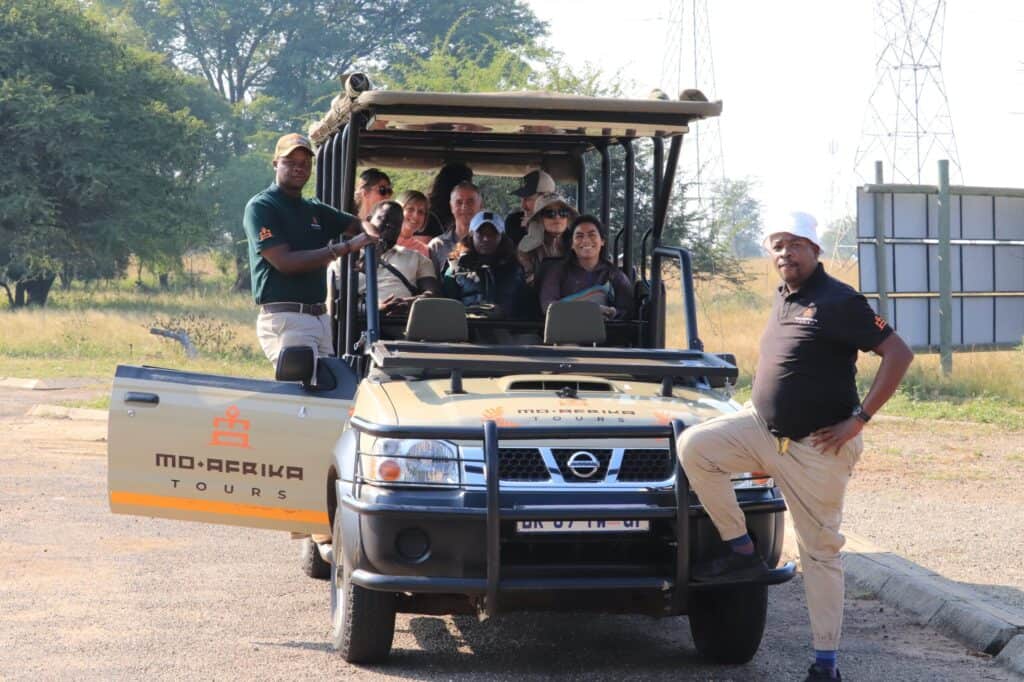
Three or four days is a good start for a first visit. You’ll have time for multiple game drives without needing every outing to deliver a specific sighting. The important detail is how much of that time you’ll realistically spend on safari.
One or two days: a brief introduction
A day visit makes sense if you’re already staying nearby. A two-day trip can also work when your wider itinerary is tight, but travelling from Johannesburg and back will take up a share of the experience.
Read the itinerary carefully. A two-day safari doesn’t always mean two full days in the park. Check the departure time and game-drive schedule before deciding whether it gives you enough time.
Three or four days: room to settle in
This gives you more options to revisit a promising road and take a break during the hottest part of the day. For many first-time visitors, one base is enough.
For example, a three-night stay with arrival on the first afternoon and departure on the fourth morning leaves two full days between transfers. That’s a very different version from a three-day trip with long road journeys at either end.
Five days or longer: more variety, with less pressure
A longer stay gives you room to use two bases and explore different habitats or include a rest afternoon without feeling you’re missing your only opportunity to go out.
You still don’t need to cover Kruger from south to north. Moving accommodation every night means more packing and less freedom to unwind. Choose extra nights for the time they give you instead of treating them as a reason to add more kilometres.

Should you choose a self-drive or guided Kruger safari?
The choice comes down to how you enjoy travelling. Do you like deciding when to leave and where to stop? Or would you prefer someone else to handle the driving and help you understand what you’re seeing?
Planning consideration | Self-drive safari | Guided safari |
Daily freedom | You choose your route and pace within park rules | Shared departures follow an agreed schedule; private arrangements may offer more flexibility |
Driving and navigation | You handle both, including arrival deadlines | Your guide handles the safari driving; confirm who provides transfers |
Wildlife interpretation | You rely on your own knowledge and reference material | A guide helps interpret behaviour, tracks and the surrounding bush |
Budget | Add vehicle costs, fuel, accommodation, fees, food and activities | Compare the complete itinerary and its stated inclusions |
Travelling with others | You control your own vehicle and breaks | Shared vehicles require consideration for the wider group |
Likely fit | Travellers who enjoy independent planning and driving | Travellers who value interpretation or help coordinating their trip |
Self-drive can offer good value if you already have a comfortable vehicle and a group sharing costs. This option isn’t always cheaper once rental charges, insurance, fuel and separately booked activities are included.
A guided safari can ease the daily workload, especially on a short visit. You can also combine the two. Arrange your own accommodation and driving, then book a guided activity where available. Check departure points and age restrictions before building it into your plans.
Where should you stay in Kruger National Park?
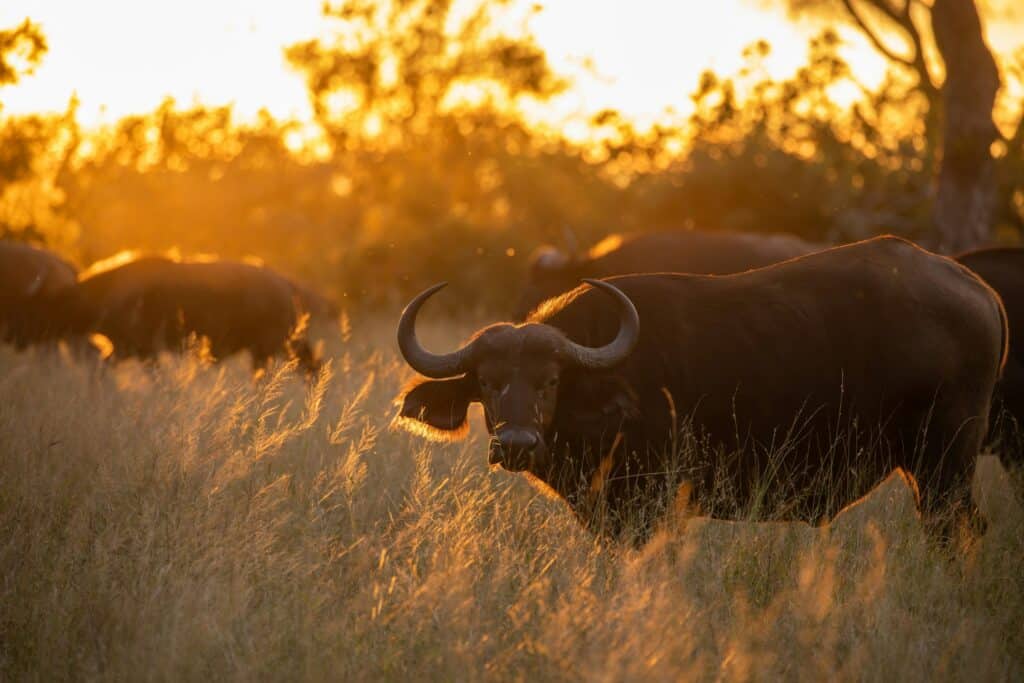
Start with location, then compare rooms. A beautiful place to stay can become an awkward choice if it puts you far from the gate or camp you want to use.
Staying inside the national park
An overnight base inside Kruger lets you begin your morning drive from camp without first travelling to an entrance gate. This also makes returning for lunch or a rest easier.
SANParks accommodation varies by camp and unit. Before booking, check whether you’ll have a private bathroom and the beds you need. Confirm the camp’s current shops and restaurants as well.
This option is often favoured by travellers who want their days centred on the park and are comfortable organising meals and drives themselves. Keep camp closing times in mind when planning an afternoon outing.
Staying outside the park
Accommodation outside Kruger can suit visitors who want a wider choice of guesthouses or hotels, or who are combining safari days with nearby attractions.
The trade-off is the daily journey to the gate, followed by entry formalities. Ask for the realistic driving time to your intended entrance. “Near Kruger” doesn’t tell you how early you’ll need to leave for a morning drive.
Day-visitor capacity limits are also important, particularly around holidays and long weekends. Check SANParks’ day-visit booking information before relying on entry without a reservation.
Choosing a region
For a short first visit, the southern region is often the best place to start, especially when your transport and accommodation already lead you there. Camps like Skukuza, Lower Sabie and Berg-en-Dal give you different bases in the south; choose between them by checking access and facilities.
The central region, including the Satara area, is a good option for visitors who want to spend time exploring the more open grasslands. It can also form a second base on a longer trip, provided the move fits your available time.
The north, including Shingwedzi and Punda Maria, deserves a deliberate place in your itinerary. If your journey begins in the south, allow for the distance rather than adding a northern camp as a quick detour. Birding interests and a desire to explore different habitats can make that extra travel worthwhile.
No region guarantees certain sightings. Pick a base you can explore comfortably, then let the wildlife encounters happen naturally.
Is a Greater Kruger lodge the same thing?
Private reserves in the Greater Kruger area have their own access arrangements and lodge-based safari programmes. A stay there could focus on guided drives inside that reserve, instead of visits to the national park’s public roads.
Ask where each game drive takes place and whether entry into Kruger National Park is included. The answer affects both your budget and the experience you’re booking.
Which Kruger gates and regions should you consider?
Choose your gate around your accommodation and direction of travel.
Useful pairings to investigate include Malelane Gate for Berg-en-Dal, Paul Kruger Gate for Skukuza and Orpen Gate for Satara. Phalaborwa, Punda Maria and Pafuri are other access points to consider when planning farther north.
The gate you choose can make a big difference, as it’s approximately 20 minutes from Paul Kruger Gate to Skukuza and one hour 15 minutes from Orpen Gate to Satara. These are minimum travel estimates along the shortest routes, with extra time needed for stops.
Use the official gate information and camp-to-gate travel times to check your arrival plan. Entrance and camp opening times can differ, and hours change through the year.
Allow a comfortable margin before closing. A late flight or elephants in the road can all affect the last part of your journey.

Should you drive to Kruger or fly in?
Driving – useful flexibility, but allow a travel day
Driving can be a good option for families, visitors with their own vehicle, and travellers who want to include other stops. You’ll have more control over luggage and departure times, and a vehicle available for self-drive outings.
From Johannesburg, treat the journey as a large part of the day, as it’s approximately 428 km to Malelane Gate and 490 km to Orpen Gate; those distances end at the entrance, not right at your accommodation. Stops, traffic, and the drive inside the park all add time.
If you land after a long international flight, an overnight stop before driving may be more comfortable than trying to reach camp that afternoon.
Flying – compare the whole journey
Flying is a good option for a short stay or a trip combining Kruger with Cape Town or another distant destination. Relevant airports include Skukuza, Kruger Mpumalanga International Airport near Mbombela and Hoedspruit. Choose according to your accommodation and confirmed transfer arrangements.
Airlink serves Skukuza, but check routes and schedules for your dates. Don’t choose a flight purely by fare: a cheaper arrival airport can mean a longer or more expensive transfer.
Before paying, confirm the transfer’s cost, pickup arrangements and expected arrival time at your accommodation. Also check baggage allowances and whether your return journey leaves enough time for airport check-in.

When is the best time to plan a Kruger safari?
The best time to visit Kruger National Park depends partly on what you’re comfortable with. Cooler mornings and thinner vegetation appeal to some travellers; others enjoy summer greenery and birdlife.
The drier months – April to September
Vegetation tends to become sparser as the dry season progresses, which can make animals easier to spot. Days are generally warm and dry, while early mornings and evenings can be cold. Pack warm layers, especially for an open safari vehicle.
This can be a good time if you prefer to avoid the heat, although weather and sightings still vary.
The warmer, wetter month – generally October to March
Summer brings heat, rain and greener bush. The thicker bush can make spotting wildlife more challenging, but birdlife brings another reason to spend time looking and listening.
Plan for drinking water and breaks instead of a full day in a vehicle. Check current weather and road notices, especially after heavy rain.
Make health advice part of your planning
Kruger is in a malaria-risk area. Seek advice from a healthcare professional about prevention for your dates and circumstances, including whether preventive medication is needed. This is important when travelling with young children, during pregnancy, or any other relevant health conditions.
Use mosquito-bite precautions even if you take preventive medication. A winter visit doesn’t replace individual medical advice. If you develop a fever or flu-like illness during or after the trip, seek prompt medical attention and mention your travel to a malaria-risk area.

How much does a Kruger safari cost?
A useful budget starts with the whole trip. Accommodation is only one part of your Kruger safari cost, and the cheapest room won’t always produce the cheapest itinerary.
For a self-drive visit, add up:
- Accommodation for everyone travelling, including any nights before or after the safari.
- Vehicle hire, insurance, fuel and tolls where applicable.
- Conservation fees for the applicable visitor category and chargeable days.
- Meals, groceries and drinks.
- Guided activities and any separately arranged transfers.
For a guided tour, ask for a written list of inclusions and exclusions. Confirm the number and length of game drives, accommodation location, meals, conservation fees and collection point. Check whether the quoted rate is per person sharing and whether a single supplement applies.
Conservation fees from 1 November 2026
SANParks has published the following daily Kruger conservation fees for 1 November 2026 to 31 October 2027. These are park conservation fees, not complete safari prices.
Visitor category | Adult, 12 years and older | Child, 2–11 years |
South African citizens and residents, with qualifying identification | R140 | R70 |
SADC nationals, with passports | R296 | R147 |
Standard rate for all other nationalities | R692 | R345 |
The schedule provides a Kruger-specific concession for Mozambique and Zimbabwe nationals, who qualify for the South African conservation-fee rate. Confirm the documentation required for your category.
These rates are subject to change. For visits before 1 November 2026, use the earlier applicable schedule. Check the official SANParks tariff information for your dates and confirm whether your tour already includes these charges.
If you’re considering a Wild Card, compare the current price and eligibility with your planned park visits.
When comparing quotes, use the same dates, room arrangements, and included services. Booking periods and availability can affect the cost.

What should you book first?
Accommodation availability usually forms the basis for the rest of a Kruger safari itinerary. Check this before committing to transport that only works with one particular camp or lodge.
- Set your dates, duration and overall budget. Include travel days and any overnight stops.
- Choose your safari style. Decide between self-drive, a shared guided trip or a private arrangement.
- Choose a region and accommodation type. Check location, facilities, meals and your group’s needs.
- Secure the key booking. Confirm accommodation or the safari itinerary, payment deadlines and cancellation terms.
- Arrange transport around it. Coordinate flights, transfers or vehicle hire with arrival and departure requirements.
- Confirm documents, fees and health advice. Have identification and booking confirmations ready, and check any applicable travel requirements.
- Plan manageable days. Leave space for meals, rest and relaxed drives.
You can check flights and accommodation together before paying for either. The aim is to make sure the pieces fit, especially during busy travel periods or when your dates are fixed.
For families, confirm bed arrangements, children’s meal options and activity age restrictions early. A schedule that works well for two adults could need adjusting for a toddler who still naps.

Common mistakes to avoid when planning a Kruger safari
- Counting travel days as full safari days. Check when you’ll enter the park and how many outings are scheduled.
- Choosing accommodation without checking access. Map the airport, entrance gate and overnight base together before booking.
- Using ordinary road-trip estimates inside Kruger. Game viewing is slow by nature. Allow for stops rather than planning every journey at the legal maximum speed.
- Changing camps too often. Staying longer in one area gives you time to explore beyond a transfer route.
- Comparing incomplete prices. Meals, park fees, transfers and optional activities can change the total significantly.
- Booking a flight before checking the onward transfer. Confirm that your arrival leaves enough time to reach your accommodation within the relevant access hours.
- Planning around guaranteed sightings. A guide can help you notice and understand more, but wildlife remains unpredictable.
Before your departure, check the latest SANParks Kruger information and notifications, road conditions and gate hours. Keep to park rules, stay in your vehicle except at authorised places, and give wildlife space. Current notices should take priority over an old route description or saved itinerary.
What Our Safari Team Usually Recommends
For most first-time visitors, we recommend keeping things simple.
Choose southern Kruger, allow three to four nights if your schedule permits, and focus on enjoying the game drives rather than trying to cover the entire park.
A guided safari is often the easiest introduction, particularly for international travellers who aren’t familiar with South African roads or park logistics.
Self-driving is a good alternative for those who enjoy independent travel and are comfortable managing their own arrangements.
If you’re travelling with children or have a particular interest in photography, a private safari may be worth considering.
Not everyone needs to spend more for a private vehicle or luxury lodge.
What matters is choosing a safari that suits your expectations, available time, and budget.
The best-planned trips leave room for the unexpected. In Kruger, that is often where the most memorable wildlife moments happen.

Why Plan Your Kruger Safari with MoAfrika Tours?
MoAfrika Tours has been introducing travellers to Southern Africa’s wildlife destinations for more than two decades.
Our local safari specialists and professional guides help guests choose experiences suited to their travel dates, interests, and budgets.
Whether you’re planning your first visit or returning to explore another part of Kruger, practical local advice can help you avoid unnecessary travel and choose a more suitable itinerary.
Our safari team can help you compare accommodation, travel arrangements, game drives, and different safari styles.
The aim is to find a trip that works for you, not simply the most expensive option.
Ready to Start Planning Your Kruger Safari?
A good Kruger safari doesn’t need to be complicated.
Choose the right season, give yourself enough time, and find accommodation and game drives that suit the way you like to travel.
If you’re unsure where to start, MoAfrika’s safari team can help you compare the options and work out a realistic itinerary.
Explore our Kruger safari packages or speak to our team for practical advice on planning your trip.
The wildlife will do its own thing once you’re there. That’s part of what makes Kruger worth visiting.
Frequently Asked Questions
How far in advance should I book a Kruger safari?
Booking several months ahead is sensible, especially if you’re travelling during school holidays or the popular winter season. Some lodges and rest camps fill up much earlier. If your dates are flexible, you may have more options closer to departure.
How many days do you need for a Kruger safari?
Three to four nights is a good starting point for most first-time visitors. You can enjoy several game drives without feeling rushed. Two days can still be worthwhile, but you’ll have less time in the bush.
What is the best month to visit Kruger National Park?
There isn’t one best month for everyone. May to September usually offers easier wildlife visibility, while the warmer months bring greener landscapes and more active birdlife. Your choice depends on what you’d most like to experience.
Is Kruger better with a guide or on a self-drive safari?
Guided safaris are often easier for first-time visitors because guides handle the driving and help interpret wildlife behaviour. Self-driving offers more independence and can cost less. Both can provide rewarding wildlife experiences.
Is Kruger National Park safe for tourists?
Kruger is a well-established national park with designated roads, camps, and visitor facilities. Visitors should follow park regulations, keep a safe distance from wildlife, and plan travel carefully. Normal travel precautions are also important outside the park.
How much does a Kruger safari cost?
Costs depend on accommodation, duration, transport, and whether you choose a guided, private, or self-drive safari. Budget for park conservation fees, meals, fuel or transfers, and any activities not included in your package. Always compare the total cost.
Can you see the Big Five in Kruger National Park?
Yes. Kruger is home to lions, leopards, elephants, rhinos, and buffalo. However, sightings depend on wildlife movement, weather, habitat, and time spent in the park. Seeing all five is never guaranteed.
Which part of Kruger is best for first-time visitors?
Southern Kruger is usually a good choice. Areas around Skukuza, Lower Sabie, and Crocodile Bridge offer established roads, accommodation, and varied wildlife habitats. The region can be busy during popular travel periods.
Do you need malaria medication for Kruger?
Kruger is a malaria-risk area. Speak to a travel doctor or healthcare professional before your visit about appropriate prevention, including whether medication is recommended. Mosquito-bite precautions remain important.
Can you visit Kruger without staying inside the park?
Yes. Many travellers stay in towns such as Hazyview, Malelane, or Komatipoort and enter Kruger for day safaris. Staying inside the park can reduce daily travelling time, but accommodation outside the gates may offer more choice.