Kruger National Park Facts: Everything You Should Know Before You Visit
Planning a safari in Kruger National Park often starts with one simple question: what makes it so special? You might already know it’s one of Africa’s most famous wildlife destinations, but many first-time visitors are surprised by its size, biodiversity, and the sheer variety of experiences it offers.
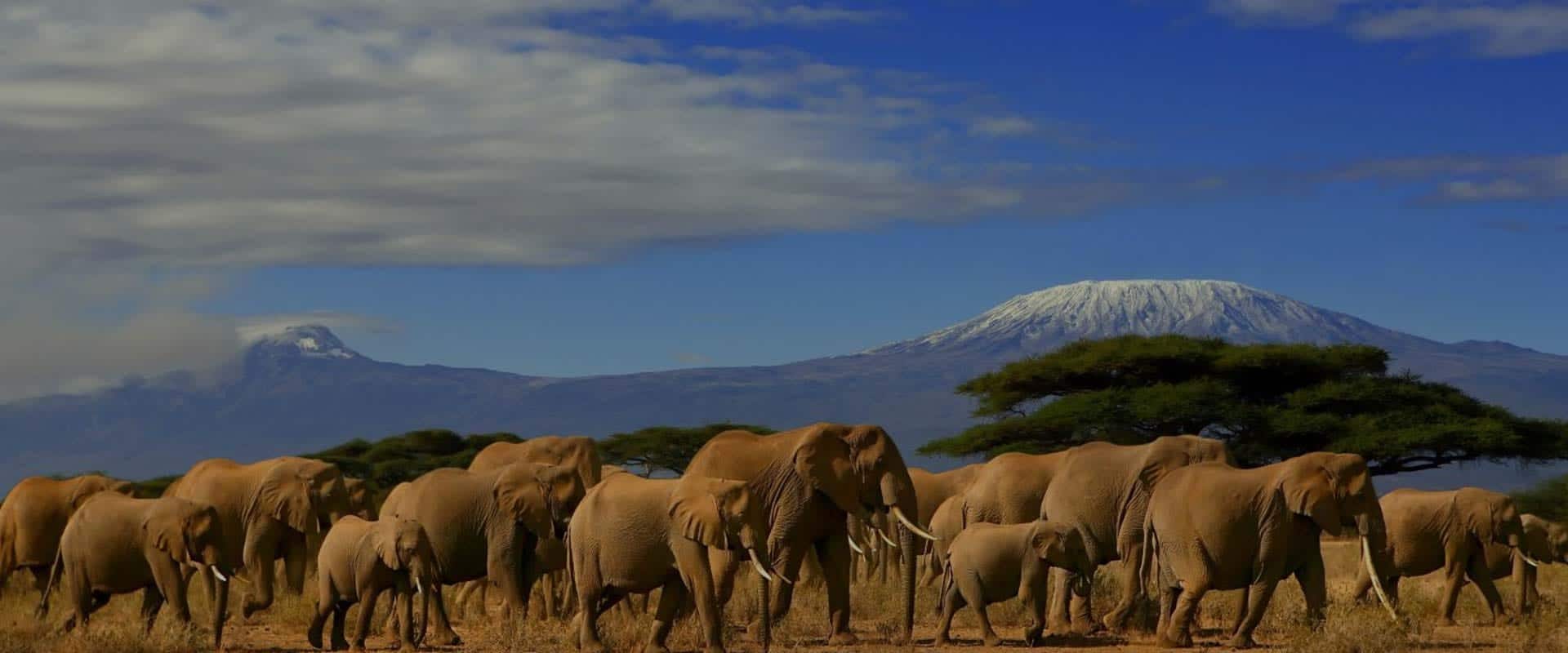
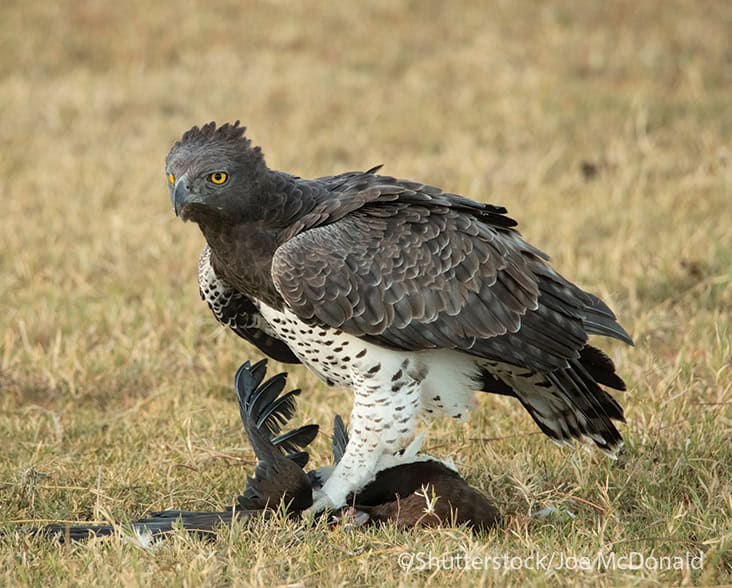
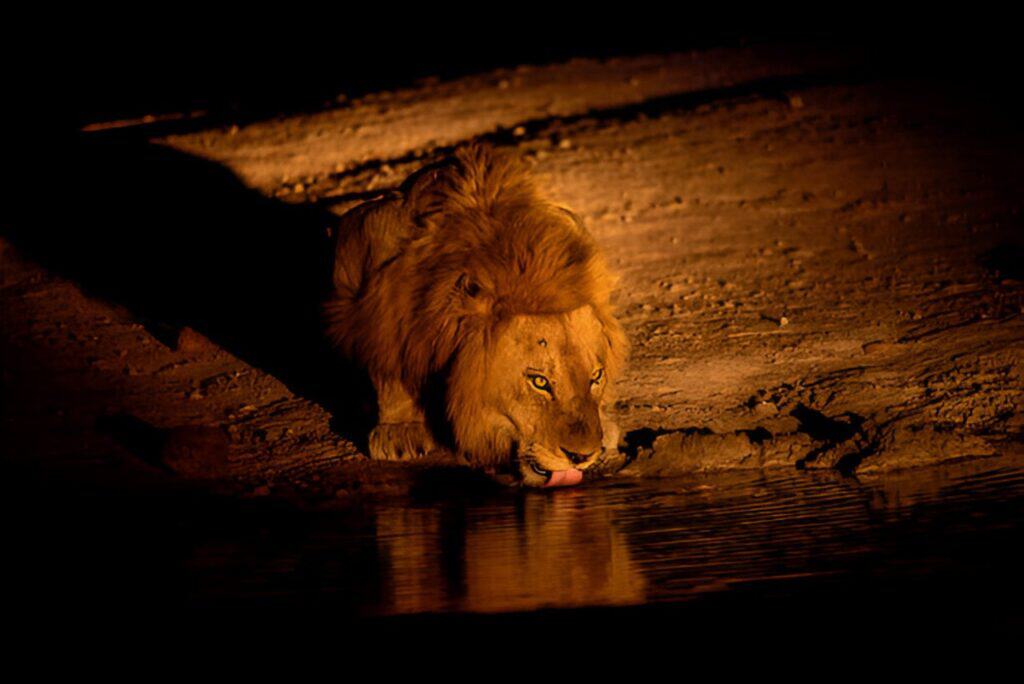
Kruger isn’t just a place to tick the Big Five off your wildlife list. It’s a protected wilderness where every game drive can be different. One morning might bring a pride of lions resting beside the road, while the next is all about elephants at a waterhole or the sight of a martial eagle circling overhead. Wildlife never follows a schedule, and that’s part of what keeps people coming back.
Understanding a few key facts before you visit can make planning much easier. Knowing how large the park is, when to travel, where to stay, and what to expect from a safari helps you make informed decisions and avoid common first-time mistakes.
Whether you’re planning a Kruger day tour or spending a week exploring different regions, this guide brings together the essential Kruger National Park facts every traveller should know before setting off on safari.
What Should You Know About Kruger National Park?
If you’re short on time, here are the most important facts about Kruger National Park.
Fact | Details |
Location | Northeastern South Africa, across Limpopo and Mpumalanga provinces |
Size | Approximately 19,485 km² (7,523 square miles) |
Established | 1898 as the Sabie Game Reserve; became Kruger National Park in 1926 |
Managed By | South African National Parks (SANParks) |
Famous For | Big Five safaris, exceptional biodiversity and self-drive safaris |
Number of Gates | 9 main entrance gates |
Rest Camps | 12 main rest camps, plus bush camps and wilderness camps |
Mammal Species | Around 147 |
Bird Species | More than 500 |
Reptile Species | More than 110 |
Tree Species | Around 336 |
Best Time for Wildlife | Dry season (May to September) usually offers easier wildlife viewing |
Best Time for Birding | Green season (October to April) attracts migratory birds and lush landscapes |
Kruger National Park is South Africa’s largest and most famous national park. Covering almost 20,000 square kilometres, it protects an extraordinary range of habitats and wildlife, including the Big Five, hundreds of bird species, reptiles, fish, and thousands of plant species.
Most first-time visitors choose the southern part of the park because wildlife is often easier to find there and driving distances between popular attractions are shorter. Repeat visitors often explore central and northern Kruger for quieter roads and different landscapes.
The best safari isn’t simply about choosing the right park—it’s about choosing the right season, the right area, and allowing enough time for wildlife to reveal itself.
Why Trust MoAfrika Tours?
Choosing reliable safari advice matters just as much as choosing the right safari.
MoAfrika Tours has been introducing travellers to Southern Africa’s most iconic wildlife destinations for over two decades. Our local safari specialists and professional guides help thousands of guests experience authentic African safaris every year.
Our team spends time in Kruger throughout the year, guiding visitors through different seasons and regions of the park. That experience has shown us something many first-time travellers only discover once they arrive: no two safaris are ever the same.
Wildlife sightings always remain unpredictable, but understanding seasonal patterns, animal behaviour and the park’s layout can improve your chances of having a rewarding safari.
Throughout this guide, you’ll find practical advice based on real safari experience rather than exaggerated promises, helping you plan a trip with realistic expectations and greater confidence.
Kruger National Park at a Glance
Before exploring the park in more detail, these headline facts provide a useful overview of one of Africa’s greatest conservation success stories.
Category | Fact |
Country | South Africa |
Provinces | Limpopo and Mpumalanga |
Area | Approximately 19,485 km² |
Length | About 360 km north to south |
Maximum Width | Approximately 65 km |
Founded | 1898 (Sabie Game Reserve) |
National Park Status | 1926 |
Management Authority | SANParks |
Main Wildlife | Big Five, cheetahs, wild dogs, giraffes, zebras, hippos, crocodiles and hundreds more |
Bird Species | 500+ |
Mammal Species | Around 147 |
Reptile Species | 110+ |
Fish Species | Around 50 |
Tree Species | Around 336 |
Main Entrance Gates | 9 |
Popular Rest Camps | Skukuza, Lower Sabie, Satara, Berg-en-Dal, Letaba, Olifants and others |
Did You Know?
- Kruger National Park is almost the same size as the country of Eswatini.
- It forms part of the Great Limpopo Transfrontier Conservation Area, linking protected areas across South Africa, Mozambique and Zimbabwe.
- More than two million people visit Kruger in a typical year.
- The park contains an extraordinary mix of rivers, grasslands, forests and rocky hills, creating habitats for an incredible variety of wildlife.
These numbers help explain why many visitors return several times. One trip is rarely enough to experience everything the park has to offer.
Where Is Kruger National Park?
Kruger National Park stretches across the northeastern corner of South Africa, bordering Mozambique to the east and Zimbabwe to the north. It spans the provinces of Mpumalanga and Limpopo, making it easily accessible from Johannesburg and several regional airports.
Its long north-to-south layout means different parts of the park offer noticeably different safari experiences.
Southern Kruger
Many travellers begin here because it offers:
- Higher wildlife densities
- Excellent Big Five opportunities
- Well-developed road networks
- Popular camps such as Skukuza and Lower Sabie
- Shorter driving distances between attractions
This region is often recommended for first-time safari visitors.
Central Kruger
Central Kruger is known for its open grasslands and large herbivore populations.
Travellers often visit this area hoping to see:
- Lions
- Elephants
- Buffalo
- Large zebra and wildebeest herds
Satara has earned a strong reputation as one of the park’s best areas for predator sightings.
Northern Kruger
Northern Kruger feels very different.
Many repeat visitors enjoy it because it offers:
- Quieter roads
- Excellent birdwatching
- Ancient baobab trees
- Remote wilderness
- Fewer vehicles at sightings
Wildlife can sometimes take more patience to find here, but the sense of space and solitude appeals to many experienced safari travellers.
How Big Is Kruger National Park?
One of the most surprising facts for first-time visitors is just how enormous Kruger National Park really is.
At approximately 19,485 square kilometres, it is one of Africa’s largest protected wildlife reserves.
To put that into perspective:
Comparison | Approximate Size |
Kruger National Park | 19,485 km² |
Wales | 20,779 km² |
New Jersey (USA) | 22,600 km² |
Eswatini | 17,364 km² |
The park stretches for around 360 kilometres from north to south. Driving from one end to the other can take an entire day without allowing for wildlife sightings or rest stops.
This is why experienced guides often encourage visitors to focus on one region rather than trying to see the whole park in a single trip.
After years of helping guests plan Kruger safaris, one pattern stands out. People who try to cover too much ground often spend more time driving than enjoying the wildlife. Those who stay in one or two neighbouring regions usually have a more relaxed safari and leave with stronger memories of the bush.
For most first-time visitors, three or four nights in southern or central Kruger offers a comfortable balance between wildlife viewing, driving time and enjoying the overall safari experience.
Why Is Kruger National Park Famous?
Kruger National Park has earned its reputation as one of the world’s great safari destinations, but it isn’t famous for just one reason. Its appeal comes from a combination of exceptional wildlife, outstanding conservation, and the freedom it gives visitors to experience the African bush in different ways.
Many travellers arrive hoping to see the Big Five. They often leave talking about something else entirely—a pack of African wild dogs on the hunt, elephants crossing the road in front of the vehicle, or a sunrise that transformed an ordinary game drive into something unforgettable.
The park is also one of the few places where visitors can choose between guided safaris and self-drive adventures, making it accessible to a wide range of travel styles and budgets.
What Makes Kruger National Park Unique?
Feature | Why It Matters |
Big Five wildlife | Home to lions, leopards, elephants, rhinos and buffalo |
Exceptional biodiversity | Hundreds of mammals, birds, reptiles, fish and plant species |
Self-drive safaris | One of the world’s easiest parks to explore independently |
Guided game drives | Experienced guides help interpret wildlife behaviour |
Size | Nearly 20,000 km² of protected wilderness |
Conservation history | More than a century of wildlife protection |
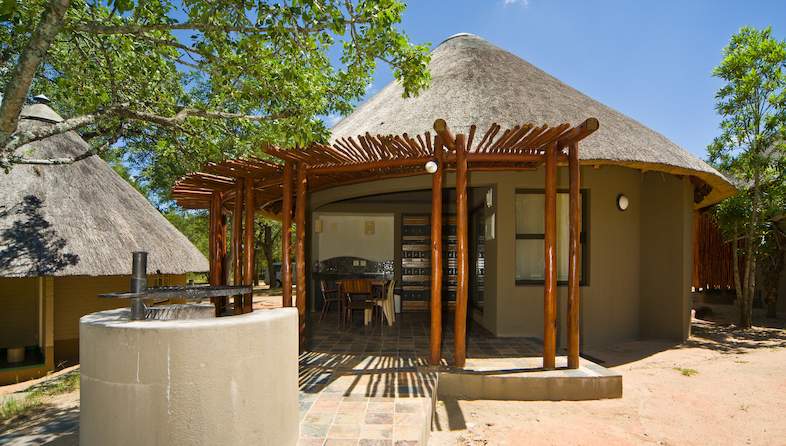
Variety of accommodation | Camps, lodges, bush camps and luxury safari lodges |
Accessibility | Easily reached from Johannesburg and regional airports |
A Landscape That Keeps Changing
Kruger isn’t one continuous landscape.
As you travel through the park, you’ll encounter:
- Open grasslands
- River systems
- Granite hills
- Mopane woodlands
- Acacia savannah
- Dense riverine forests
Each habitat supports different wildlife, which is why a safari in southern Kruger can feel completely different from one in the north.
A Safari for Every Traveller
Kruger appeals to many different visitors, including:
- First-time safari travellers
- Families
- Couples
- Wildlife photographers
- Birdwatchers
- Experienced safari enthusiasts
Not everyone visits for the same reason, and that’s one of the park’s greatest strengths. Some travellers are hoping for their first lion sighting, while others are happy spending an hour watching elephants interact around a waterhole.

Wildlife Facts: Animals You Can See in Kruger
Wildlife is the reason most people visit Kruger National Park, and the diversity is remarkable.
According to SANParks’ official Kruger biodiversity overview, the park supports hundreds of tree and animal species, including 147 mammal and 507 bird species.
Because habitats vary across the park, wildlife also changes from one region to another. Southern Kruger generally has higher game densities, while northern Kruger rewards patient visitors with quieter wilderness areas and excellent birdlife.
Wildlife at a Glance
Wildlife Group | Approximate Number of Species |
Mammals | Around 147 |
Birds | 500+ |
Reptiles | 110+ |
Fish | Around 50 |
Trees | Around 336 |
Mammals You May Encounter
Some of the park’s best-known mammals include:
- African elephant
- Lion
- Leopard
- Black and white rhinoceros
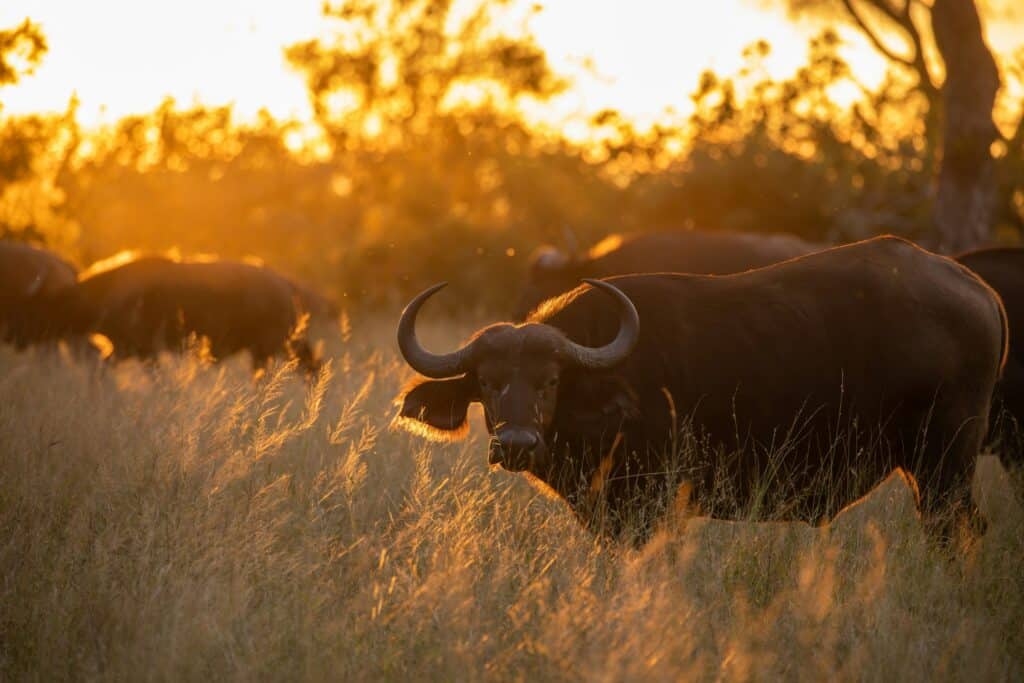
- African buffalo
- Cheetah
- African wild dog
- Giraffe
- Zebra
- Hippopotamus
- Spotted hyena
- Warthog
- Kudu
- Impala
- Waterbuck
Wildlife sightings are never guaranteed, but spending several days in the park usually allows visitors to see a wide variety of species.
Birdlife Beyond Expectations
Even travellers who don’t consider themselves birdwatchers often find themselves noticing Kruger’s birdlife.
Look out for:
- Lilac-breasted rollers
- Southern ground hornbills
- Martial eagles
- Saddle-billed storks
- Kingfishers
- Bee-eaters
- Vultures
- Owls
During the green season, migratory birds arrive from Europe and other parts of Africa, making this one of the best times of year for birding.
Wildlife Behaviour Changes Throughout the Day
Animals don’t remain equally active throughout the day.
Generally speaking:
Time of Day | Wildlife Activity |
Sunrise | Outstanding |
Early morning | Excellent |
Midday | Usually quieter |
Late afternoon | Excellent |
Sunset | Very good |
This is why most game drives begin early in the morning or later in the afternoon when temperatures are cooler.
The Big Five and Other Remarkable Species
For many first-time visitors, seeing the Big Five is a major goal.
The term originally referred to the five most challenging animals to hunt on foot, but today it has become synonymous with African safaris.
The Big Five include:
- Lion
- Leopard
- African elephant
- Rhinoceros
- African buffalo
Each species behaves differently, which means patience is often rewarded.
The Big Five at a Glance
Animal | Where Often Seen |
Lion | Southern and central Kruger |
Leopard | River systems around Skukuza and Lower Sabie |
Elephant | Throughout the park |
Buffalo | Widespread, especially near water |
Rhinoceros | Selected areas across the park |
Wildlife movements change with the seasons, and sightings remain unpredictable.
Beyond the Big Five
Many experienced safari travellers will tell you that some of Kruger’s most memorable moments involve animals that rarely appear on safari wish lists.
These include:
- African wild dogs
- Cheetahs
- Honey badgers
- Servals
- Bat-eared foxes
- Hippos
- Crocodiles
- Hyenas
Watching a family of elephants interact or spending time at a busy waterhole can often be just as rewarding as seeing one of the Big Five.
After a few days in the bush, many visitors find themselves paying more attention to animal behaviour than simply adding another species to their list.

Interesting Kruger National Park Facts You Might Not Know
Some of Kruger’s most fascinating facts have very little to do with wildlife.
The park’s history, geography and conservation work make it one of Africa’s most significant protected areas.
Did You Know?
Interesting Fact | Why It’s Remarkable |
Kruger is almost the size of Wales | One of Africa’s largest national parks |
It stretches around 360 km from north to south | Driving the full length takes most of a day |
There are 9 main entrance gates | Visitors can explore different regions of the park |
The park has 12 main rest camps | Accommodation ranges from camping to comfortable bungalows |
Around 336 tree species grow here | Different habitats support different wildlife |
More than 500 bird species have been recorded | One of Africa’s premier birdwatching destinations |
Kruger forms part of the Great Limpopo Transfrontier Conservation Area | Wildlife moves across international boundaries |
Every Visit Is Different
Unlike a zoo, Kruger is a functioning ecosystem.
Seasons change.
Rainfall changes.
Animal movements change.
A road that was quiet yesterday could produce remarkable sightings today.
That’s one reason why so many travellers return. No two safaris are ever exactly alike.

Kruger’s History and Conservation Legacy
Kruger National Park has protected wildlife for well over a century.
Its story began in 1898, when President Paul Kruger established the Sabie Game Reserve to safeguard wildlife that was under increasing pressure from hunting and settlement.
In 1926, the reserve officially became Kruger National Park, making it South Africa’s first national park.
Today, it is managed by South African National Parks (SANParks) and remains one of the country’s most important conservation success stories.
A Brief Timeline
Year | Milestone |
1898 | Sabie Game Reserve established |
1926 | Kruger National Park officially created |
1927 | First tourists welcomed |
Present day | One of Africa’s leading conservation areas |
Conservation Beyond Wildlife
Modern conservation involves much more than protecting animals.
Park management also focuses on:
- Habitat restoration
- Scientific research
- Fire management
- Water resource protection
- Anti-poaching initiatives
- Community partnerships
- Biodiversity monitoring
Kruger also forms part of the Great Limpopo Transfrontier Conservation Area, linking protected landscapes across South Africa, Mozambique and Zimbabwe to support wildlife movement on a regional scale.
The park continues to play an important role in protecting species and habitats for future generations.
When Is the Best Time to Visit Kruger?
There isn’t one perfect time to visit Kruger National Park.
The best season depends on the kind of safari you’re hoping to experience.
Many first-time visitors choose the dry season because wildlife is often easier to spot around rivers and waterholes. A detailed guide to the best months for a Kruger safari can help travellers compare this with the quieter green season, dramatic landscapes and excellent birdwatching.
Comparing the Seasons
Feature | Dry Season (May–September) | Green Season (October–April) |
Wildlife viewing | Excellent visibility | Very good, but more vegetation |
Birdwatching | Very good | Outstanding |
Landscapes | Dry and open | Green and lush |
Photography | Easier wildlife images | Dramatic scenery and skies |
Visitor numbers | Higher | Generally lower |
Accommodation prices | Often higher | Often lower |
Dry Season
Many travellers choose the dry season because:
- Animals gather around permanent water
- Grass is shorter
- Visibility improves
- Cooler temperatures make game drives comfortable
This is often the easiest season for first-time safari visitors.
Green Season
The green season offers a different experience.
Visitors can enjoy:
- Lush landscapes
- Migratory birds
- Baby animals
- Afternoon thunderstorms
- Fewer safari vehicles
- Better accommodation availability
Wildlife can take a little more patience to find, but many repeat visitors appreciate the quieter roads and changing scenery.
What Guides Usually Recommend
There isn’t a single “best” month for everyone.
If your priority is seeing as much wildlife as possible on your first safari, the dry season is usually the safer choice.
If you’ve already visited Kruger or enjoy photography, birdwatching and quieter camps, the green season can be equally rewarding. The right time to visit is the one that matches the kind of safari you want to experience.

What First-Time Visitors Often Get Wrong
Most people don’t leave Kruger disappointed because they chose the wrong camp or packed the wrong camera. More often, expectations are the problem.
It’s easy to arrive expecting constant action after watching wildlife documentaries or scrolling through social media. In reality, a safari moves at nature’s pace. Some game drives are filled with memorable sightings, while others are quieter and give you time to appreciate the landscape, birdlife and smaller animals that make the ecosystem so fascinating.
After years of helping travellers plan Kruger safaris, one pattern stands out. Avoiding common Kruger safari mistakes and allowing the experience to unfold naturally usually leads to a more rewarding visit.
Common Misconceptions About Kruger National Park
Expectation | Reality |
You’ll see the Big Five in one game drive | Wildlife sightings depend on animal movements and a little luck |
Animals are active all day | Early mornings and late afternoons are usually the busiest times |
You can explore the whole park in a weekend | Kruger is enormous and is best enjoyed one region at a time |
Every road offers the same wildlife | Different habitats support different species |
More driving means more sightings | Slower, patient game drives often produce better results |
Don’t Try to See Everything
One of the biggest mistakes first-time visitors make is trying to cover too much ground.
Because Kruger stretches for around 360 kilometres, driving long distances every day can become tiring. You may spend more time behind the wheel than enjoying wildlife.
Instead, choose one area of the park and explore it properly.
Returning to productive roads over several mornings often leads to better sightings than constantly moving between different camps.
Wildlife Doesn’t Follow a Schedule
Animals move according to weather, food availability and their own natural behaviour.
Some mornings lions may still be active after sunrise.
On another day they may disappear into the shade before breakfast.
That’s part of what makes every safari unique.
Take Time to Notice the Smaller Things
The Big Five deserve their reputation, but they aren’t the whole story.
Many travellers remember:
- A family of elephants crossing the road
- A leopard resting in a marula tree
- Lilac-breasted rollers flashing brilliant colours in the morning light
- Dung beetles rolling perfectly shaped balls across the road
- Hippos grunting from a river pool at sunset
These quieter moments often become the memories that last the longest.
Kruger National Park by the Numbers
Sometimes the easiest way to appreciate the scale of Kruger National Park is through its numbers.
From its wildlife diversity to its conservation history, the park continues to rank among Africa’s most significant protected areas.
Kruger National Park Statistics
Category | Approximate Figure |
Size | 19,485 km² |
Length | 360 km |
Maximum Width | 65 km |
Established | 1898 |
National Park Status | 1926 |
Main Entrance Gates | 9 |
Main Rest Camps | 21 |
Mammal Species | Around 147 |
Bird Species | 500+ |
Reptile Species | 110+ |
Fish Species | Around 50 |
Tree Species | Around 336 |
Annual Visitors | More than 2 million in a typical year |
Provinces | Limpopo and Mpumalanga |
What These Numbers Mean for Visitors
Large numbers are impressive, but they also help explain why planning matters.
For example:
- A park this size means you should avoid trying to explore everything in one visit.
- Hundreds of bird species make Kruger rewarding even between major wildlife sightings.
- Multiple entrance gates allow travellers to choose an area that suits their itinerary, and comparing the best Kruger gates can help first-time visitors choose where to enter.
- A wide choice of camps means there’s accommodation for most budgets and travel styles.
Rather than treating Kruger as a single destination, it’s helpful to think of it as several distinct safari regions, each with its own landscapes, wildlife patterns and atmosphere.
A Park Worth Returning To
Many guests discover that one visit simply isn’t enough.
A safari in southern Kruger feels very different from one in the central grasslands or the remote northern wilderness. Visiting in different seasons also changes the experience, from the dry winter months when wildlife gathers around water to the lush green season with colourful birdlife and newborn animals.
That’s one reason Kruger continues to attract repeat visitors from around the world.
Planning Your Visit: Practical Safari Tips
Good planning won’t guarantee wildlife sightings, but it can make your safari more enjoyable, more comfortable and less stressful.
Whether you’re joining a guided tour or exploring on a self-drive adventure, checking Kruger road conditions before setting out can make planning easier.
How Long Should You Stay?
Length of Stay | What to Expect |
1 Day | A good introduction, but limited time for wildlife viewing |
2 Days | Enough time to experience several game drives |
3–4 Days | Ideal for most first-time visitors |
5+ Days | Allows a slower pace and exploration of multiple regions |
What Should You Pack?
Bring practical clothing and equipment rather than overpacking.
Safari Essentials
- Neutral-coloured clothing
- Comfortable walking shoes
- Wide-brimmed hat
- Sunglasses
- Sunscreen
- Insect repellent
- Binoculars
- Camera with spare batteries or memory cards
- Reusable water bottle
- Light jacket for early morning game drives
During winter, mornings can be surprisingly cold before warming up later in the day, so dressing in layers is usually the most comfortable option.
Helpful Tips for First-Time Visitors
- Start game drives as early as possible.
- Drive slowly and stop often to scan the bush.
- Allow extra travel time between camps.
- Listen to your guide if you’re on a guided safari.
- Be patient—some of the best sightings happen when you least expect them.
- Respect wildlife by keeping a safe distance and following park rules.
- Enjoy the whole safari experience, not just the search for the Big Five.

Self-Drive or Guided Safari?
Both options offer memorable experiences, and the right choice depends on your travel style.
Feature | Self-Drive Safari | Guided Safari |
Flexibility | Excellent | Fixed departure times |
Wildlife Knowledge | Self-guided | Professional guide interpretation |
Navigation | Your responsibility | Guide handles routes |
Wildlife Spotting | Depends on experience | Often improved through local knowledge |
Ideal For | Independent travellers | First-time visitors, families and photographers |
Many first-time visitors appreciate the insight that experienced guides bring. They not only help locate wildlife but also explain animal behaviour, tracks, bird calls and the smaller details that are easy to overlook when driving yourself.
Planning the Right Safari
There isn’t one safari that suits everyone.
Some travellers prefer the independence of a self-drive holiday, while others enjoy the convenience of a fully guided experience with accommodation, transport and game drives already arranged.
If you’re unsure which option is right for you, MoAfrika Tours’ safari specialists can help you compare itineraries, choose the best region of Kruger for your interests, and recommend a safari that matches your budget and travel style.
Whether it’s your first visit or your fifth, planning around your interests rather than trying to do everything usually leads to a more rewarding experience.

Guest Review
⭐⭐⭐⭐⭐
Sarah M. – United Kingdom
“We’d read plenty about Kruger before our trip, but nothing really prepared us for seeing wildlife in its natural habitat. Our guide explained why animals behaved the way they did instead of just trying to find the Big Five. We ended up seeing four of the Big Five, countless elephants, giraffes and birds, but what we remember most is simply spending time in the bush. It never felt rushed, and every game drive was different.”
Plan Your Kruger Safari with MoAfrika Tours
Learning the facts about Kruger National Park is a great place to start, but choosing the right safari is what turns that knowledge into an unforgettable journey.
Whether you’re dreaming of your first Big Five safari, travelling with family, celebrating a special occasion or looking for a private wildlife experience, the right itinerary can make all the difference. The size of the park, the time of year you travel and the region you choose all shape the experience.
At MoAfrika Tours, our local safari specialists help travellers find the safari that best matches their interests, budget and travel style. From fully guided Kruger safaris to private game drives and tailor-made itineraries, we’ll help you make the most of your time in one of Africa’s greatest wildlife destinations.
Start Planning Your Safari
If you’re ready to experience Kruger National Park for yourself, browse MoAfrika Tours’ Kruger safari packages or speak with one of our safari specialists. We’ll help you choose an itinerary that fits the way you like to travel, so you can spend less time planning and more time enjoying the African bush.
The best safari isn’t about seeing everything in one trip. It’s about giving yourself the time to experience the bush properly. Many travellers arrive hoping to tick animals off a list. They leave remembering the atmosphere, the guides, and the unexpected moments that happened in between. That’s what keeps people coming back to Kruger.
What Guides Notice After Years in Kruger
Experienced guides often pay as much attention to impala alarm calls and bird behaviour as they do to the road ahead. Those small clues sometimes lead to the day’s most memorable sightings.
Frequently Asked Questions
Is Kruger National Park worth visiting?
For most travellers, absolutely. Kruger combines outstanding wildlife, beautiful landscapes and a wide choice of accommodation with one of Africa’s best safari infrastructures. Whether it’s your first safari or a return visit, there’s always something new to experience.
How large is Kruger National Park?
Kruger National Park covers approximately 19,485 square kilometres, making it South Africa’s largest national park and one of the biggest protected wildlife areas in Africa.
Can you see the Big Five in Kruger?
Yes. Kruger is one of the best places in Africa to see the Big Five—lion, leopard, elephant, rhinoceros and buffalo. While sightings are often excellent, wildlife remains unpredictable, and no safari can guarantee seeing every species.
How many days should I spend in Kruger?
Most safari specialists recommend spending three to four nights in the park. This gives you enough time to enjoy multiple game drives and increases your chances of experiencing different wildlife activity throughout your stay.
What is the best time of year to visit Kruger National Park?
The dry season, from May to September, is generally the easiest time for wildlife viewing because vegetation is thinner and animals gather around water sources. The green season, from October to April, offers lush scenery, migratory birds and fewer visitors.
Is a self-drive safari a good option?
Yes. Kruger is one of the few major safari destinations where self-driving is straightforward. Well-maintained roads, clear signage and excellent facilities make it popular with independent travellers, while guided safaris remain a great choice for those wanting local expertise.
Which part of Kruger is best for first-time visitors?
Southern Kruger is often recommended because wildlife densities are generally higher, driving distances are shorter and popular camps such as Skukuza, Lower Sabie and Berg-en-Dal are easily accessible.
Is Kruger National Park suitable for families?
Yes. Many families choose Kruger because of its excellent facilities, family-friendly accommodation and variety of safari options. Guided tours can also make the experience more relaxed by allowing parents to focus on enjoying the wildlife instead of navigating.
Can I visit Kruger in one day?
A day trip offers a taste of the park, but it only scratches the surface. Spending several nights gives you a much better opportunity to explore different areas and enjoy early morning and late afternoon game drives when wildlife is often most active.
Why do so many people return to Kruger?
Every safari is different. Seasons change, wildlife moves, and no two game drives are ever the same. Many visitors return to explore different regions of the park or experience Kruger during another time of year.