
Zimbabwe is one of those countries that often surprises travellers. Many arrive with Victoria Falls at the top of their list, only to discover that the country has some remarkable wildlife areas, beautiful river landscapes, and historical places that deserve just as much attention.
You can stand beside the thundering Victoria Falls, watch elephants gathering around waterholes in Hwange National Park, or spend a quiet afternoon looking across Lake Kariba. In Mana Pools, the experience feels different again, with walking and canoe safaris bringing you closer to the sights and sounds of the bush.
The challenge is deciding what to include. Zimbabwe’s main attractions are spread across the country, and getting between them can take longer than many first-time visitors expect.
A little planning makes a difference, especially when you’re trying to combine Victoria Falls with a proper wildlife safari.
Yes. Zimbabwe is well worth visiting if you enjoy wildlife, natural scenery, outdoor activities, and places with a strong sense of history. Victoria Falls is the country’s most famous attraction, while Hwange National Park and Mana Pools are particularly rewarding for safari travellers.
For a first visit, Victoria Falls and Hwange make a sensible combination. Travellers with more time can explore Lake Kariba, Mana Pools, Matobo National Park or the ancient ruins of Great Zimbabwe.
Allow three to five days for Victoria Falls alone, or around seven to ten days if you want to include a substantial safari experience.
Zimbabwe offers quite a different travel experience from some of Southern Africa’s busier destinations.
There are well-established tourism areas around Victoria Falls, but much of the country’s appeal lies in its national parks, rivers, and quieter wilderness regions.
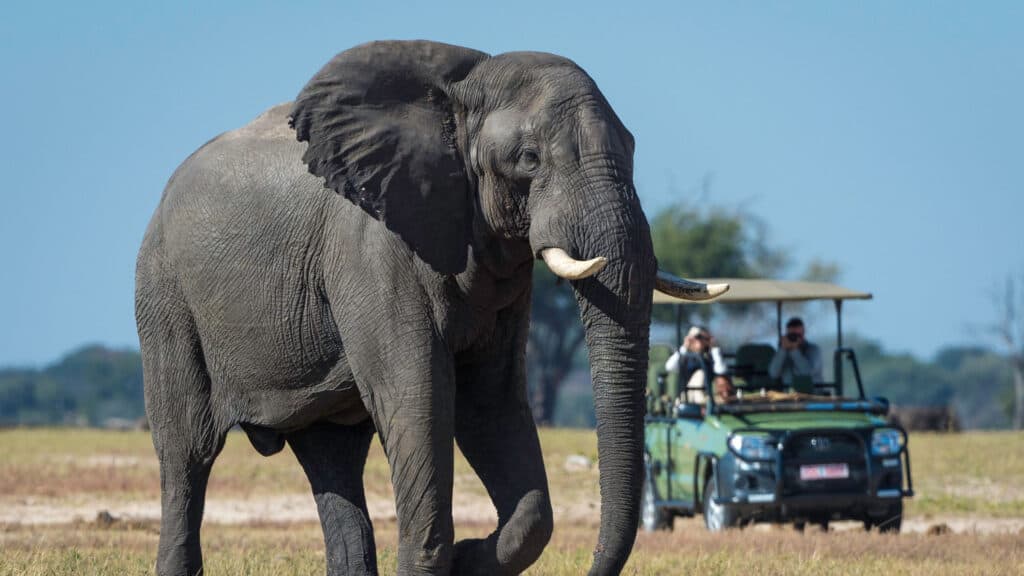
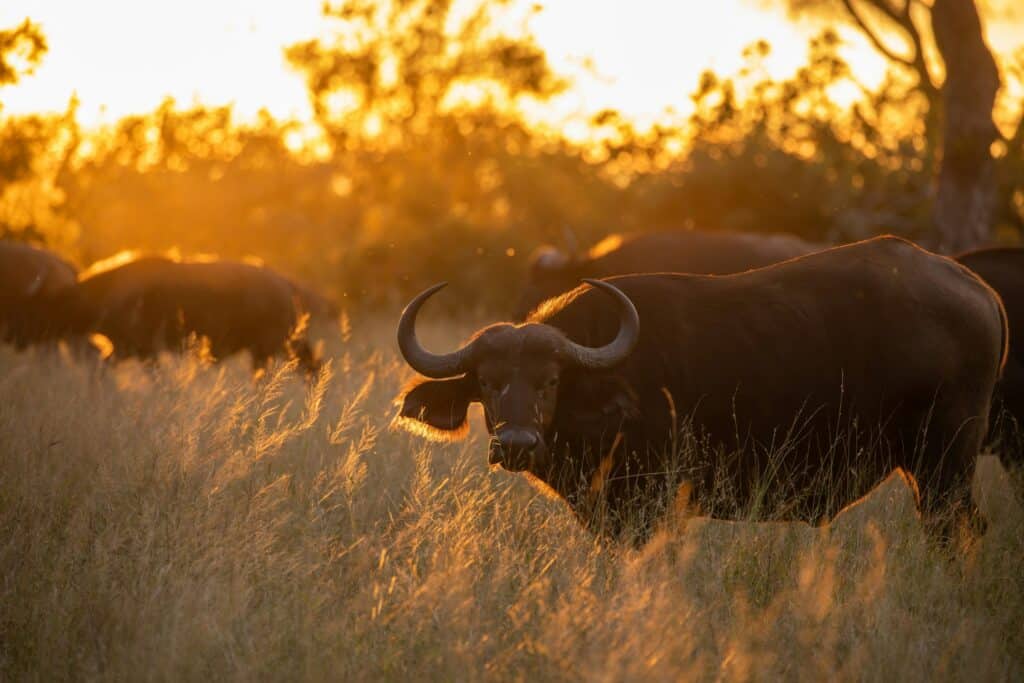
Zimbabwe is home to elephants, lions, leopards, buffalo, giraffes, zebras, antelope, and many other animals. Rhino populations are protected in selected conservation areas, although sightings should never be assumed.
Hwange is especially well known for its elephants and varied wildlife habitats. Mana Pools offers a different style of safari, with walking and canoeing opportunities in a remarkable Zambezi River setting.
You can enjoy traditional game drives, but Zimbabwe also appeals to travellers who want to experience the bush on foot or from the water.
Victoria Falls is one of Africa’s great natural landmarks.
Known locally as Mosi-oa-Tunya, or “The Smoke That Thunders”, the waterfall lies on the border between Zimbabwe and Zambia.
The surrounding area offers guided walks, river cruises, scenic flights, adventure activities, and access to nearby wildlife destinations.
Zimbabwe’s history extends far beyond its national parks.
Great Zimbabwe preserves the remains of an important medieval African city. Matobo Hills is known for its granite formations, rock art, and cultural significance.
In towns and villages, local markets, crafts and community-led experiences offer another side of the country.
These experiences are worth making time for rather than treating Zimbabwe purely as a safari destination.

The places you include in your Zimbabwe itinerary should reflect what you most want to experience. Some destinations combine naturally, while others use flights or longer road transfers.
Victoria Falls is the most common entry point for international leisure travellers. The town has an airport and a wide range of accommodation.
The falls themselves are the main attraction, but visitors can also take sunset cruises, join guided walks, explore viewpoints or book selected adventure activities. Water levels and spray vary through the year, so the appearance of the falls changes between seasons.
Victoria Falls works well for a short standalone trip, as the beginning or end of a safari, or as part of a route that includes nearby Botswana and Zambia.
Hwange is one of Zimbabwe’s principal safari destinations. Hwange can be conveniently combined with Victoria Falls, making the pairing a sensible choice for travellers who want both the falls and a wildlife experience.
The park covers a large area with different habitats and extensive wildlife populations. Game drives are the most familiar way to explore, while some camps and lodges offer walking.
Accommodation ranges from national-park camps to private safari lodges. The location of your accommodation matters because different areas of Hwange can create quite different itineraries and transfer arrangements.
Mana Pools is situated along the lower Zambezi in northern Zimbabwe, and is known for floodplains and a safari style that includes walking, canoeing, boating and game drives, depending on the operator and season.
The area is more remote than Victoria Falls or the most accessible parts of Hwange. Reaching Mana Pools may require a charter flight or a carefully planned road journey, and seasonal conditions can affect access.
Mana Pools is a great option for travellers who are comfortable in wilder, less urban surroundings and who are prepared to devote more time and budget to reaching the destination.
Matobo National Park, near Bulawayo, is known for its granite hills, balancing rocks, cultural sites and historical associations. The landscape is quite unlike the open plains or woodland of Zimbabwe’s major safari parks. The area also supports wildlife, including rhino.
Matobo is a strong option if you want your Zimbabwe trip to include history and landscape rather than focusing entirely on game drives.
The Great Zimbabwe ruins, near Masvingo, are the remains of a major stone-built city that flourished between the eleventh and fifteenth centuries. The site gave modern Zimbabwe its name and is central to understanding the country’s precolonial history.
The ruins are located away from the main Victoria Falls–Hwange tourism route, so including them takes additional planning. This excursion will fit naturally into a longer overland itinerary through southern or eastern Zimbabwe.
Harare is Zimbabwe’s capital and a major transport and business centre. Some travellers use it primarily as an arrival point before continuing to Mana Pools, Great Zimbabwe or another region.
The city bustles with markets, restaurants, galleries, gardens and cultural experiences. Whether you should allocate time to Harare depends on your flight route and interest in seeing a contemporary urban side of Zimbabwe.
Lake Kariba can be included in longer itineraries built around water and wildlife for slower travel. Matusadona National Park is located along the lake and offers safari experiences that combine game viewing with boating.
This region takes more logistical planning than Victoria Falls and Hwange. Check current access, transfer options and lodge operations before adding it to your route.
Victoria Falls and Zimbabwe’s safari parks serve different purposes within an itinerary.
Victoria Falls is popular with travellers interested in seeing the falls and spending time beside the Zambezi. The town is an active tourism centre with hotels and restaurants.
Safari destinations focus on wildlife and time spent away from towns. Days are structured around early morning and late afternoon activities, with quieter periods at the lodge or camp.
You don’t have to choose between them. Victoria Falls and Hwange are commonly combined because they are in the same part of the country. A short stay at the falls followed by several nights in Hwange gives you two distinct experiences without trying to cover all of Zimbabwe.
Mana Pools or Matusadona require more time and usually more complex transport. These destinations make greater sense when safari is the focus of the trip rather than an addition to a short Victoria Falls holiday.

Destination | Main experience | Suggested stay | Suits |
Victoria Falls | Waterfall, cruises, activities | 3–5 days | First-time visitors |
Hwange | Wildlife and game drives | 3–4 nights | Safari travellers |
Mana Pools | Walking, canoeing, wildlife | 3–5 nights | Wilderness enthusiasts |
Lake Kariba | Houseboats and scenery | 2–4 nights | Relaxed holidays |
Great Zimbabwe | Archaeology and history | 1–2 days | History enthusiasts |
These are planning guidelines, not fixed itinerary requirements. Travel times, accommodation availability, and the season can influence how long you should stay.
The best time to visit Zimbabwe depends on where you are going and what you want to do. Safari conditions and Victoria Falls water levels don’t follow exactly the same pattern.
Zimbabwe’s dry season runs from around May into October. Vegetation gradually thins and animals gather near permanent water sources.
These conditions can make wildlife easier to spot in places like Hwange. The middle of the dry season often brings comfortable daytime temperatures, although mornings and nights can be cold.
Temperatures rise towards the end of the dry season. September and October can be very hot in lower-lying areas like the Zambezi Valley.
At Victoria Falls, water levels generally fall as the dry season progresses. Lower water can reveal more of the rock face and reduce heavy spray, but sections of the falls carry less water. The Zimbabwean side often still has flowing viewpoints for longer, although conditions vary each year.
The rainy season falls between November and March, although its timing and intensity vary. Landscapes become greener and young animals can be spotted.
Thicker vegetation can make wildlife harder to see. Rain can also affect roads and access to remote camps. Some properties operate seasonally, particularly in areas where wet-season travel is difficult.
At Victoria Falls, water volume usually begins increasing after rainfall in the Zambezi catchment. The river’s response is delayed because much of the water travels from farther upstream.
The months between the main seasonal peaks can offer a useful compromise. You’ll enjoy temperatures and fewer visitors than during the busiest periods.
Victoria Falls needs special planning because its highest water volume and clearest views don’t necessarily occur at the same time. Heavy spray can obscure parts of the falls, while lower water reveals the gorge more clearly.
Choose your travel period according to your priority.

A short Zimbabwe trip of two to four days usually centres on Victoria Falls. This gives you time to see the falls and choose a small number of Zambezi or adventure activities.
With around a week, you can combine Victoria Falls with one safari destination. Hwange is the most straightforward pairing for many first-time visitors because it can be reached without crossing the country.
A trip of ten days or longer gives you more scope to include two wildlife areas or add a historical destination such as Matobo or Great Zimbabwe. Mana Pools and Matusadona are easier to incorporate when you have enough time for internal flights or longer transfers.
A longer itinerary doesn’t need to include as many places as possible. Zimbabwe’s safari experiences benefit from spending several nights in one area rather than changing camps every day.
When deciding how many days you need, consider:
Zimbabwe’s tourism regions are separated by substantial distances. A route that looks straightforward on a national map can involve a full travel day.
Flights reduce the travel time between Victoria Falls, Harare and remote safari areas. Scheduled services don’t connect every destination directly, and smaller camps may rely on charter or light-aircraft transfers.
Luggage restrictions on small aircraft can differ from those on international flights. Soft-sided bags and lower weight limits may be required, so check this before packing.
Road transfers are widely used between Victoria Falls and Hwange as well as between airports and lodges. The vehicle may be private or shared depending on the package.
An organised Zimbabwe tour coordinates accommodation, transfers and activities across several destinations. This is useful if you do not want to arrange domestic flights and park activities separately.
Self-driving takes more preparation. Road surfaces, fuel availability, mobile coverage and driving conditions vary by route.
Check whether your rental agreement permits travel on the roads you intend to use. If you are crossing into Botswana, Zambia or South Africa, confirm the vehicle documents and border requirements in advance.
Avoid planning long, unfamiliar road journeys after dark. Ask local accommodation providers about current road conditions.

Zimbabwe has a long safari tradition, with experienced professional guides and several different wildlife environments.
The main safari areas offer different experiences. Some focus on traditional game drives, while others are particularly well suited to walking, boating, or canoeing.
Hwange is a natural choice for travellers looking for a traditional safari.
Game drives explore woodland, grassland and waterhole areas, with guides watching for wildlife movement and signs of animal activity.
Elephants are a major attraction, but there are opportunities to see lions, buffalo, giraffes, zebras, antelope and other species.
The quality of a drive depends on the season, the area being explored, and what the animals happen to be doing.
Mana Pools offers something many safari travellers find particularly rewarding: the chance to experience the bush on foot with a qualified professional guide.
Walking changes what you notice.
Instead of concentrating only on large animals, you begin paying attention to tracks, birds, vegetation, sounds and smaller details that are easily missed from a vehicle.
These experiences must be conducted under appropriate guiding and safety arrangements. They are not suitable for everyone, and minimum ages or fitness requirements may apply.
Canoeing offers another perspective on the landscape.
From the river, travellers may see hippos, crocodiles, elephants, waterbirds and other wildlife along the banks.
Conditions, water levels and safety restrictions determine where canoeing is possible.
A canoe safari should always be arranged through a suitably qualified operator familiar with the river.
You don’t necessarily need to travel far from Victoria Falls to enjoy wildlife.
Zambezi National Park lies close to town, while Chobe National Park in neighbouring Botswana is a popular option for travellers who want to add a game drive or river safari.
A Chobe day trip is useful when time is limited. However, it involves an international border crossing, and a full day can feel quite busy.
For a more relaxed wildlife experience, consider staying overnight in a safari destination rather than trying to fit everything into one excursion.
Experience | Victoria Falls | Hwange | Mana Pools |
Main attraction | Waterfall and activities | Traditional wildlife safari | Wilderness and river safaris |
Game drives | Available nearby | Main activity | Available |
Walking safaris | Limited options | Lodge-dependent | Major attraction |
Canoeing | Selected river activities | Not a main activity | Major attraction |
Ease of access | Relatively straightforward | Moderate | More involved |
Accommodation | Budget to luxury | Safari camps and lodges | Primarily safari camps and lodges |
Recommended stay | 3–5 days | 3–4 nights | 3–5 nights |
What would we recommend?
For a first visit to Zimbabwe, Victoria Falls and Hwange are often the most practical combination.
You get two quite different experiences without needing to travel across the entire country.
Mana Pools is worth considering if you’ve already enjoyed a few traditional safaris and want something more focused on walking, rivers, and wilderness.

Visa requirements depend on your nationality, passport, and travel arrangements.
Some visitors can enter without a visa, while others may qualify for a visa on arrival or need to arrange one in advance.
Zimbabwe and Zambia also offer a KAZA UniVisa for eligible travellers, subject to current availability and entry conditions. This can be useful when visiting both sides of Victoria Falls.
Check the latest requirements through the Zimbabwe Ministry of Tourism’s visa guidance and the relevant immigration authority before travelling.
Zimbabwe uses the Zimbabwe Gold currency, commonly called ZiG, while US dollars are also widely used in parts of the tourism industry.
Payment arrangements can vary between hotels, restaurants, shops and safari operators.
Many tourism services quote prices in US dollars, but travellers should confirm the accepted payment methods before departure.
Carrying a combination of suitable payment cards and some small-denomination cash can be useful.
Avoid relying entirely on card payments, particularly when travelling outside major tourism centres.
Many travellers visit Zimbabwe’s established tourism destinations without serious problems, especially when using reputable accommodation, guides and transfers.
As with travel elsewhere, it is sensible to take normal precautions.
Keep valuables secure, use recognised transport providers and avoid unnecessary travel after dark in unfamiliar areas.
When visiting national parks, follow your guide’s instructions and never approach wild animals.
Travel conditions and official advice can change. Check your government’s current travel advisory before departure.
Malaria is a consideration in several Zimbabwean safari regions, including areas around Victoria Falls, Hwange and the Zambezi Valley.
Risk varies by location and season.
Speak to a qualified travel-health professional before departure about malaria prevention, vaccinations and any other health requirements relevant to your itinerary.
Bring any prescribed medication, insect repellent and appropriate sun protection.
English is widely used in Zimbabwe’s tourism industry.
Shona and Ndebele are among the country’s major local languages, alongside several others.
In Victoria Falls and established safari lodges, international visitors will generally find it straightforward to communicate with guides, accommodation staff, and tour operators.
Mobile coverage and internet access are more limited in remote wildlife areas.

You don’t need an entirely new wardrobe for a Zimbabwe holiday, but a few practical items can make the trip more comfortable.
If you’re visiting Victoria Falls during high-water season, expect spray near some viewpoints.
A waterproof bag or protective cover for your camera and phone can be useful.
For fly-in safaris, check luggage weight and bag-type restrictions before packing. Smaller aircraft may have stricter requirements than commercial airlines.
Begin with the experience you most want.
If Victoria Falls is the priority, choose your accommodation and trip length before adding river cruises or guided falls visits.
If wildlife is the priority, choose the reserve first. Hwange is practical to combine with Victoria Falls, while Mana Pools and Matusadona suit longer and more safari-focused trips.
If you want both Victoria Falls and safari, decide how to divide your nights. Avoid giving the falls most of the itinerary if game drives and time in the bush are what you want.
Then compare:
MoAfrika Tours has been introducing travellers to Southern Africa’s wildlife destinations for more than two decades.
Our safari specialists help guests compare destinations, accommodation and activities, taking into account their interests, travel dates and budgets.
Zimbabwe is a good example of why this matters. A short Victoria Falls holiday and a multi-day safari in Hwange may both be worthwhile, but they offer very different experiences.
MoAfrika’s published Zimbabwe and Victoria Falls itineraries include a range of accommodation options, organised transfers, guided activities and combinations with other Southern African destinations. Specific inclusions vary by package.
We aim to help you choose a trip that makes sense for the time you have, rather than encouraging you to fit in more than you can comfortably enjoy.
⭐⭐⭐⭐⭐
Savvy M. – USA
“My husband and I had the trip of a lifetime thanks to MoAfrika Tours. We are seasoned travelers but had never been to this part of the world (South Africa, Zimbabwe, and Zambia). The various packages had options offered by this tour company gave us a lot to think about while also making the task of planning a trip like this quite manageable. The main liaison for the trip (Ruben) was very responsive and went as far as to contact us while the trip was underway to ensure everything was going well. The sister company that assisted us in Zimbabwe (Wild Horizons) was also excellent (especially Wilma). Every tour guide and driver we encountered on this trip truly added something positive and something special. I cannot possibly thank everyone enough for making this a wonderful experience.”

Zimbabwe has five properties on the UNESCO World Heritage List, recognising both its natural landscapes and cultural heritage.
They include:
These sites show how much more Zimbabwe offers beyond a single waterfall or safari park.
Victoria Falls and Mana Pools are recognised for their natural significance, while Great Zimbabwe, Matobo Hills and Khami Ruins preserve important aspects of the country’s cultural and historical heritage.
For more information, see UNESCO’s official Zimbabwe World Heritage listing.
Zimbabwe is worth exploring at a pace that gives you time to enjoy it.
For some travellers, that means three days at Victoria Falls. Others prefer a longer journey that includes Hwange, a few days beside the Zambezi River, or a combination of destinations across Southern Africa.
There is no need to see everything in one trip.
Start with the experiences that matter most to you, then build an itinerary around the time and budget available.
Yes. Hwange National Park is a good choice for first-time safari travellers, with traditional game drives and a variety of wildlife habitats. Combining Hwange with Victoria Falls gives you both a wildlife experience and one of Africa’s best-known natural attractions.
Zimbabwe is best known internationally for Victoria Falls. The country is also recognised for Hwange National Park, Mana Pools, Lake Kariba, Great Zimbabwe and Matobo Hills.
August and September are often good months for wildlife viewing because dry-season conditions make animals easier to spot around water sources. However, travellers wanting to see Victoria Falls at high water may prefer the earlier months of the year.
Allow at least three to five days for Victoria Falls. Seven to ten days is a more comfortable length for combining the waterfall with Hwange National Park. Longer holidays make it easier to include remote destinations such as Mana Pools.
Zimbabwe is home to all five species associated with the Big Five: lion, leopard, elephant, buffalo and rhino. However, they are not equally common or easily seen in every national park. Rhino sightings are particularly dependent on the destination and conservation area. No wildlife sightings can be guaranteed.
Zimbabwe can accommodate different travel budgets, particularly around Victoria Falls. Costs increase when you include remote safari lodges, private transfers, charter flights and specialist guiding. The most useful comparison is the total cost of a trip, including transport, park fees and activities.
Yes. Victoria Falls is often included in longer Southern African itineraries with Botswana’s Chobe National Park, Kruger National Park or Cape Town. Some routes require flights and border crossings, so allow enough time for connections.
Both sides offer worthwhile views, but they are different. The Zimbabwe side has an extensive network of viewpoints overlooking the main waterfall, while the Zambia side offers a different perspective and seasonal activities. Water levels affect what you can see and which activities are available.
Yes, particularly around Victoria Falls, where families can choose from a variety of accommodation and sightseeing activities. Safari lodges may have minimum ages for game drives, walking safaris and other activities, so check these before booking.
Yes. Travellers interested in scenery, history, and culture can visit Victoria Falls, Great Zimbabwe, Matobo Hills, Lake Kariba and other destinations without making wildlife viewing the main focus of their trip.




WhatsApp Now