Kruger National Park in South Africa is one of the most celebrated wildlife destinations on Earth. Covering nearly 20 000 square kilometres, it offers an astonishing range of animals that roam free in their natural habitats, waiting to be discovered on safari.
Whether you are planning your first visit or returning for a deeper wildlife adventure, understanding which animals you can see and where to find them will help you make the most of your time in this legendary reserve.
The Big Five Icons of the African Safari
No visit to Kruger is complete without seeking out the Big Five, a group of iconic species that includes lion, leopard, elephant, rhino and buffalo. These animals have become symbolic of African wildlife and are among the most sought-after sightings for visitors.
Lion
The lion is one of the best-known residents of Kruger. Estimates suggest there are around 1 500 lions in the park, and they are often found in the grasslands of the southern and central regions. Areas around Satara, Skukuza and Lower Sabie offer excellent chances to see prides resting under trees during the day or moving toward water at dawn and dusk.
Leopard
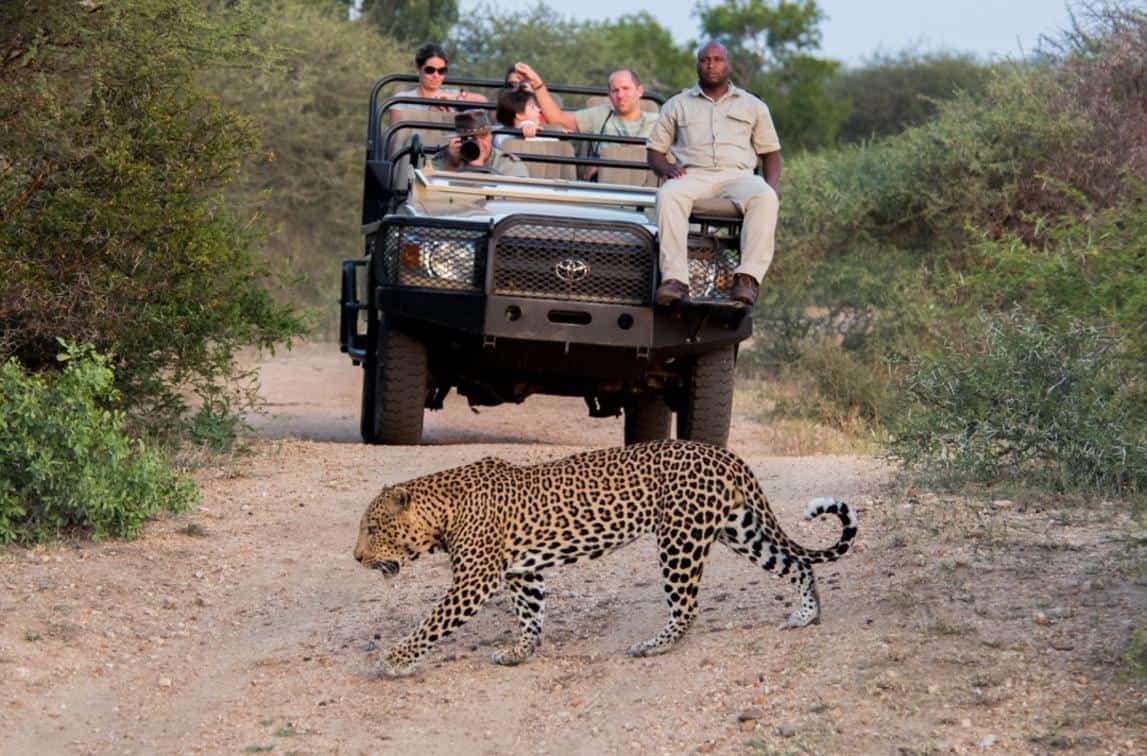
Leopards are the most elusive of the Big Five, blending into dense bush and riverine woodlands. While they are harder to spot, they are present throughout the park, especially near the Sabie and Sand river systems. The best opportunities often come from patient game drives during early morning or late afternoon.
Elephant
Africa’s largest land mammal is a highlight on many safaris. Elephants roam widely across Kruger, often in family groups. They frequent areas with plentiful vegetation and water, such as along the Olifants River or around Letaba, where their frequent presence makes sightings likely on most game drives.
Rhinoceros
Both black and white rhinos inhabit Kruger, though numbers are lower due to ongoing conservation challenges. Rhinos prefer savanna and woodland habitats and are often seen grazing in open areas or near water sources, particularly in the southern reaches of the park.
Buffalo
Buffalo herds are highly visible across Kruger and often congregate near rivers and permanent waterholes. The grasslands around Satara and the valleys around Skukuza and Lower Sabie are typical locations where large bachelor herds or mixed groups can be spotted.

Other Majestic Mammals
Beyond the Big Five, Kruger is home to an extraordinary range of other mammals that add richness to every safari itinerary.
Cheetah
Although less common than lions or elephants, cheetahs inhabit open savannas and woodland plains, especially in central and southern Kruger. Roads like the S100 between Satara and Orpen and routes south of Lower Sabie are known for cheetah sightings, typically during cooler parts of the day or in the early morning.
Giraffe
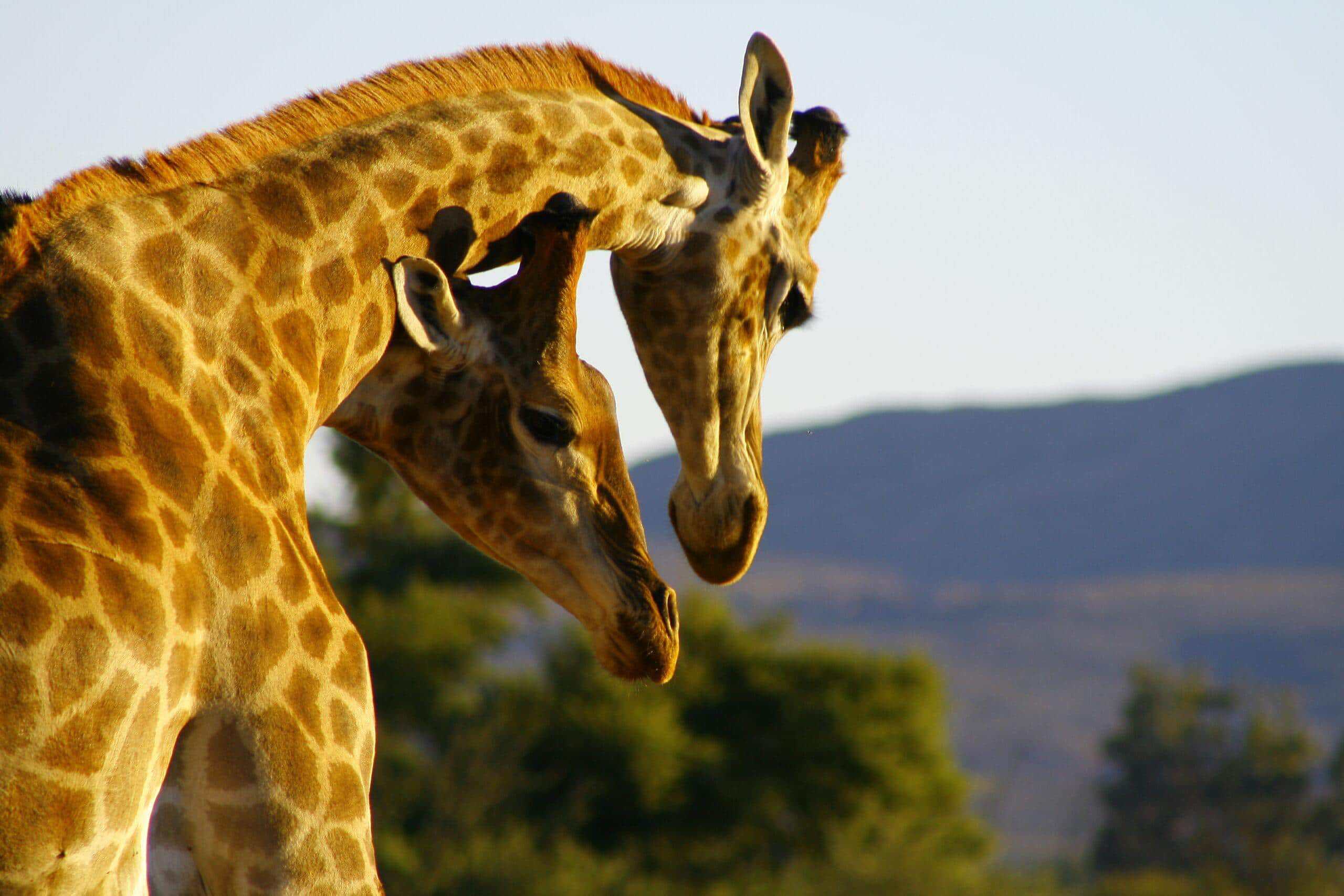
Giraffes are easy to spot thanks to their incredible height and graceful movements. They browse tall trees throughout the park, with frequent sightings around Satara, Olifants and Lower Sabie. As they move between trees and waterholes, they are a delight to see against the wide savanna horizons.
Zebra and Impala
Zebras and impalas are abundant in Kruger and often spotted in large herds grazing the open grasslands. Impala, one of the most common antelope, can be seen throughout the park, while zebras use their striking stripes to blend into long grass, often near waterholes.
Hippo and Crocodile
Life in and around Kruger’s perennial rivers supports large populations of hippopotami and Nile crocodiles. Hippos tend to spend daylight hours in water and venture onto land at night to feed, while crocodiles can often be seen lying on riverbanks or cruising slowly through the shallows.
Rare and Unique Wildlife
For those seeking animals beyond the most famous, Kruger rewards with surprises. Smaller carnivores like servals can appear in grasslands near Satara or Lower Sabie, though sightings are rare. Less common antelope such as roan or sable, may be spotted by keen observers in specialised habitats.
Birdlife and Other Species
Kruger’s wildlife experience is not limited to mammals. The park hosts over 500 bird species, from raptors riding thermal updrafts to colourful kingfishers along waterways. Whether you are tracking large game or examining the canopy above, the birds add another dimension to the safari experience.
Where and When to Look
The dry winter months (June to September) are widely considered the best time for wildlife viewing in Kruger. With limited water sources, animals gather around rivers and waterholes, making them easier to locate. Early morning and late afternoon game drives are ideal because this is when many animals are most active before the midday heat, offering prime opportunities for sightings.
Kruger National Park is a destination that rewards patience and curiosity. Whether you are seeking the mighty Big Five, families of elephants at dawn, or the elegant silhouette of a giraffe on the horizon, this remarkable reserve promises wildlife encounters that will stay with you long after your safari ends.