Nestled amidst the majestic landscapes of the Limpopo Province, Hoedspruit beckons adventurers and nature enthusiasts with its captivating blend of wildlife encounters, historical charm, and outdoor thrills.
Whether you’re seeking the thrill of spotting Africa’s iconic wildlife, immersing yourself in the region’s rich cultural heritage, or simply yearning for a tranquil escape amidst breath-taking scenery, Hoedspruit promises an unforgettable experience. Moafrika Tours offers Hoedspruit to Nelspruit shuttle services to help you enjoy your journey.
No journey to Hoedspruit would be complete without encountering the region’s awe-inspiring wildlife but as you delve deeper into the wonders of Hoedspruit, discover hidden gems tucked away amidst the rolling hills and lush greenery. Indulge in the region’s culinary delights, savouring the flavours of traditional African cuisine alongside international fare.
Some of the tourist attractions in or around Hoedspruit
Blyde River Canyon
This is the third largest canyon in the world and one of the natural wonders of Africa. It is a spectacular sight to behold, with its towering cliffs, lush vegetation, and cascading waterfalls. The canyon is home to a variety of wildlife, such as monkeys, baboons, antelopes, and eagles.
Blyde-Olifants Conservancy
The Blyde-Olifants Conservancy is an official nature reserve that combines a group of privately owned game farms in the region.
The conservancy, which is located roughly between Hoedspruit and Phalaborwa, is also part of the Kruger to Canyons Biosphere Reserve, which spans the border between Mpumalanga and Limpopo and extends from the beautiful Blyde River Canyon to the Kruger National Park.
South Africa is the world’s third most biologically diverse country, and the Kruger to Canyons biosphere is no exception, uniting vastly different landscapes through which visitors can journey.
The Blyde-Olifants Conservancy, as the name implies, is an unusual feature for this dry region of the world. Through it flow two incredibly different rivers: on the one hand, the powerful Olifants River, which runs behind the Drakensberg escarpment, creating a striking backdrop, and on the other, the clear, sparkling Blyde River, a tributary of the Olifants River.
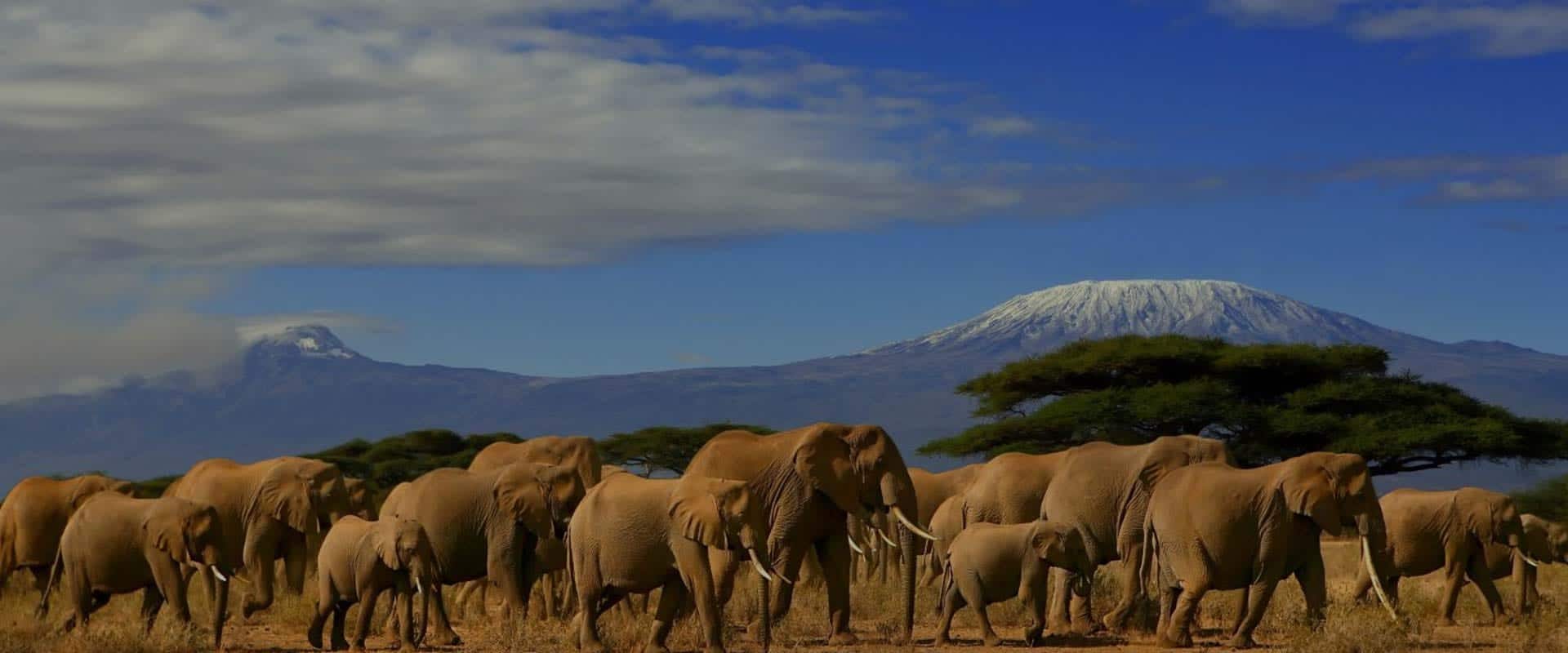
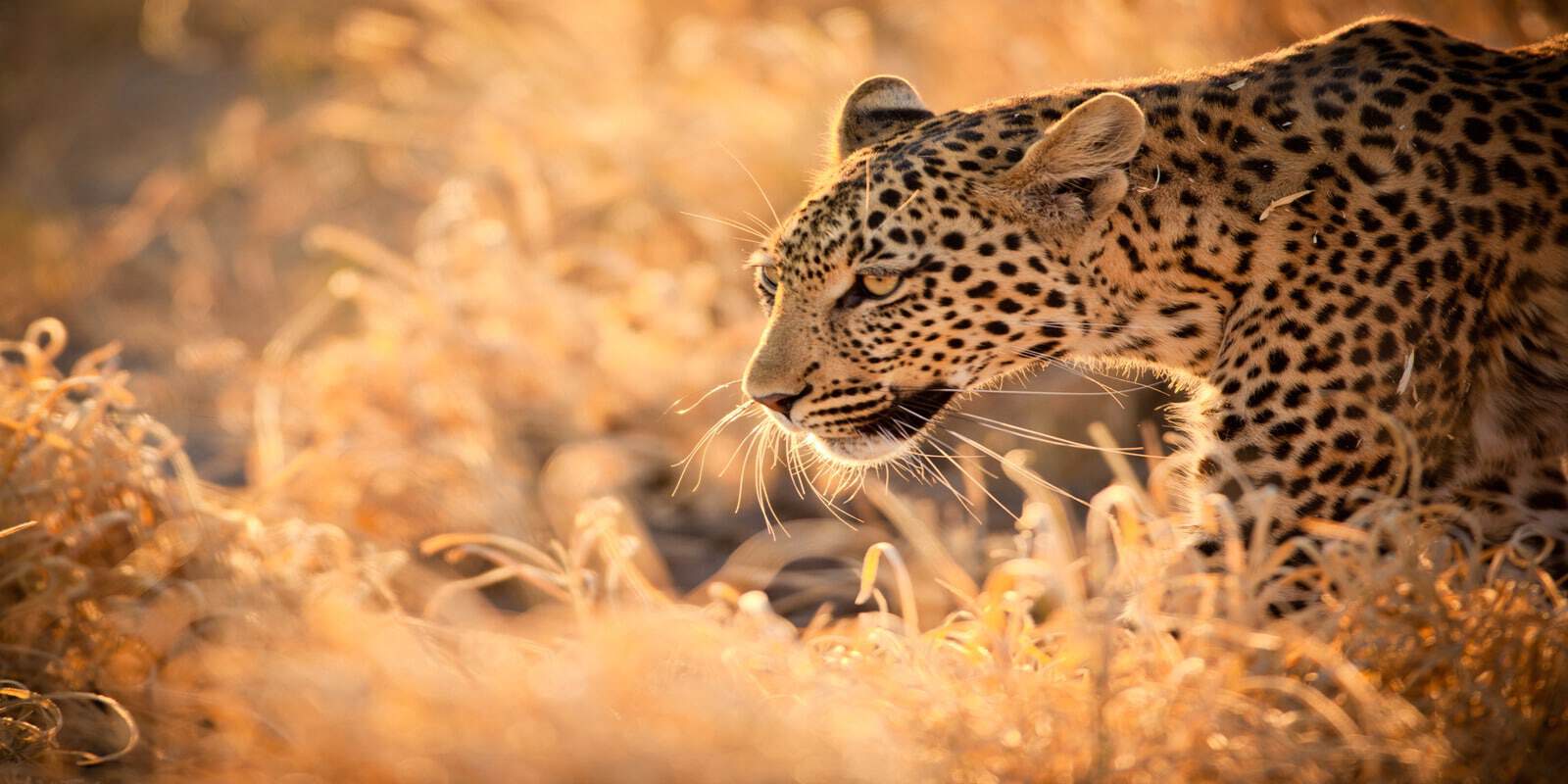
The Blyde-Olifants Conservancy is home to a plethora of plains game, including hyena, kudu, giraffe, leopard, squirrel, and zebra, as well as hippo and crocodiles in the rivers. The plains are frequented by lions and elephants, but it is the natural beauty of the area that draws visitors.
Kruger National Park
As one of the largest and most diverse wildlife reserves in Africa and a world-renowned safari destination, the park covers an area of over 19,000 square kilometres and hosts more than 500 species of birds, 150 species of mammals, and 100 species of reptiles.
You can see the iconic Big Five (lion, leopard, elephant, rhino, and buffalo), as well as other animals, such as giraffes, zebras, hippos, crocodiles, and more. You can experience the park in different ways, such as guided game drives, self-drive tours, bush walks, or overnight stays in camps or lodges.
Hoedspruit Endangered Species Centre (HESC)
HESC is a conservation and research facility that focuses on the breeding and rehabilitation of endangered and vulnerable species, such as cheetahs, rhinos, wild dogs, and vultures.
You can take a guided tour of the centre, interact with some of the animals, and learn about their conservation efforts. You can also adopt an animal, volunteer, or donate to support the centre’s work.
Moholoholo Wildlife Rehabilitation Centre
Moholoholo is a sanctuary for injured, poisoned, and orphaned animals, such as lions, leopards, eagles, and honey badgers. You can join a two-hour tour of the centre, where you can see the animals up close, feed some of them, and hear their stories from the guides. You can also sponsor an animal, volunteer, or donate to help the centre’s mission.
Tshukudu Private Game Reserve
Tshukudu Private Game Reserve is a family-owned game reserve in the Central Lowveld near Hoedspruit and bordering the Greater Kruger National Park. The reserve is easily accessible and close to the area’s attractions and activities.
The abundance of Acacia and Marula trees creates a true sense of the African Bushveld, and the sunsets over the Drakensberg Mountains are truly spectacular, especially during the dry winter months.
Guests can not only see all of the big and small animals in their natural habitat, but they can also interact with our orphaned animals and go for walks with some of them.
Mariepskop Nature Reserve
The highest point in the northern Drakensberg is Mariepskop. Ascend the mountain and you will be 1, 945 metres above sea level, with views of the Indian Ocean and even Maputo visible on a clear day. There is a steep pass between Klaserie and the Drakensberg ridge that leads to the summit. Because of its height, the mountain has a long history of military service. An SAAF radar station, a microwave tower, and forestry fire lookout posts are located on its summit. As a result, development in the area has been kept to a minimum, and the mountain and surrounding nature reserve have remained untouched.
The mountain’s summit is a mix of tropical mist forest and fynbos, with over 2 000 plant species and 1 400 floral species. These botanical wonders have resulted in an unusual collection of animals in the reserve, including the endemic Mariepskop dwarf chameleon and the three rondavels flat gecko.
Because Mariepskop and the pass are relatively unknown, it is not uncommon to have much of the indigenous forest to yourself. The nature reserve is managed by the Department of Water Affairs and Forestry, which provides basic overnight camping or chalets and requires a permit to hike or bird here.
Hiking trails such as the Bushpig, Loerie, and Magi Day are best done with a guide (the forestry office will provide booklets and recommendations).
Jessica the Hippo
Jessica is a well-known and amiable hippo who lives near the Blyde River. Jessica can be met, fed, petted, and even kissed. You can also find out about her life storey and her relationship with her human family. Jessica has her own celebrity, having appeared in documentaries, magazines, and books. She is also a wildlife conservationist and a goodwill ambassador for hippos.
Eastgate Airport
The charming little airport known as Eastgate Airport is located nea Hoedspruit (also known as Hoedspruit Airport). This is a fantastic amenity for visitors who have booked Kruger National Park experiences and accommodation and need to fly in from Cape Town or Johannesburg.
Significantly, Hoedspruit Airport has one of the country’s longest runways, measuring 3.7 kilometres.
The Eastgate / Hoedspruit Airport is not only close to the Kruger National Park, but it is also ideal for visitors who have booked vacation accommodation in Tzaneen or Phalaborwa.