South Africa is a relatively easy country to travel around once you understand the distances, seasons and a few practical realities.
The mistake many first-time visitors make is trying to fit too much into one trip. Cape Town, Johannesburg, Kruger National Park and the Garden Route may look manageable when you are planning from home, but South Africa is a large country. A good itinerary gives each place enough time rather than turning the holiday into a race between airports and hotels.
There are also a few things worth sorting out before you leave home. Passport requirements, travel insurance, malaria advice, transport, money, weather and safari packing are much easier to deal with before you arrive.
Here is what we normally suggest travellers know before coming to South Africa.
What Should You Know Before Travelling to South Africa?
South Africa suits first-time visitors well, but good planning makes a noticeable difference.
Allow enough time for the distances between destinations, check current passport and visa requirements before flying, take normal precautions in larger cities, and speak to a travel-health professional if your itinerary includes a malaria-risk area.
Cards are widely used, English is commonly spoken throughout the tourism industry, and domestic flights make it relatively easy to combine regions such as Cape Town and Kruger.
If you are planning a safari during a popular travel period, book early. Good lodges and safari departures can fill up long before the rest of the trip does.
Local Advice From MoAfrika Tours
MoAfrika Tours has been introducing travellers to Southern Africa’s most iconic wildlife destinations for over two decades. Our local safari specialists and professional guides help thousands of guests experience authentic African safaris every year.
That experience is useful beyond the game drive.
We regularly help international guests work out realistic travelling times, safari logistics, airport transfers and which destinations actually fit into the number of days they have available.
South Africa rewards travellers who leave themselves a little breathing room.

South Africa Travel Tips at a Glance
Travel question | What travellers should know |
Currency | South African rand (ZAR) |
Driving | Vehicles drive on the left |
Main international gateways | Johannesburg, Cape Town and Durban |
Language | English is widely used in tourism |
Safari planning | Popular lodges and peak dates should be booked well ahead |
Malaria | Risk depends on the region and season; get current medical advice |
Electricity | South Africa uses 230V electricity, and you may need a plug adaptor |
Payments | Cards are widely accepted, although some cash is useful |
Safety | Use sensible precautions, particularly in unfamiliar urban areas |
Getting around | Domestic flights, private transfers and car hire are commonly used |
Ideal trip length | Around 10–14 days works well for combining several major regions |

When Is the Best Time to Visit South Africa?
There isn’t one obvious best month for the whole country.
South Africa has several different climates, so Cape Town and Kruger National Park can offer quite different conditions at the same time of year.
Cape Town
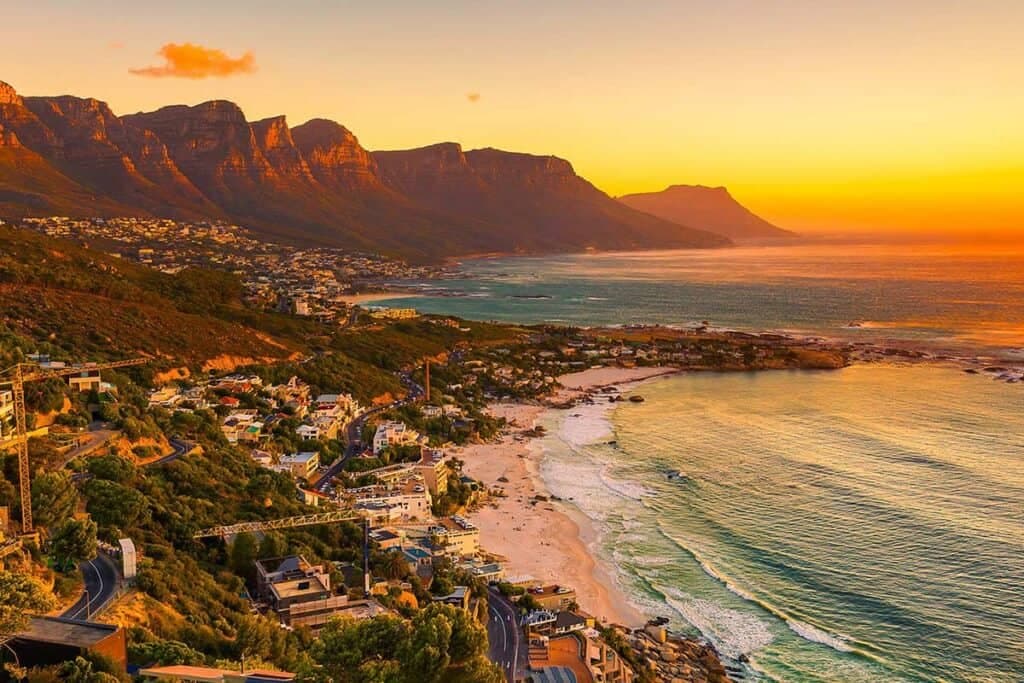
Cape Town generally has warmer, drier conditions during the summer months from roughly December to February. This is a popular period for beaches, outdoor sightseeing, and the Cape Peninsula.
Winter brings cooler temperatures and more rain, although clear days still occur.
Kruger National Park
Kruger’s drier winter period is popular with safari travellers because vegetation becomes thinner and animals often concentrate around remaining water sources. Cooler mornings can be surprisingly cold on an open safari vehicle.
The greener summer months bring warmer weather, rain, lush vegetation and excellent birdlife. Wildlife viewing can still be very good, although thicker vegetation sometimes requires more patience.
When should first-time visitors go?
That depends on the trip.
If safari is the main reason you are travelling, the dry months are often easier for first-time wildlife viewing.
If Cape Town is the main focus, summer has obvious appeal.
Many travellers combining Cape Town and Kruger therefore have to compromise somewhere. That is completely normal.

Passport and Visa Requirements for South Africa
Check the latest entry requirements before travelling.
Requirements can depend on your nationality, passport, length of stay and reason for travelling. Rules can also change, so information you found when initially planning the holiday may not necessarily be the information you should rely on when you fly.
Check current requirements with the South African Department of Home Affairs, your nearest South African embassy or consulate, and your airline.
Make sure your passport meets South Africa’s current entry requirements before you travel.
Travelling to South Africa With Children
Families should check the current documentation requirements for minors before departure, particularly when a child is travelling with only one parent or with an adult who is not their parent.
Requirements have changed over the years and can depend on individual circumstances.
Don’t rely on an old travel forum or a checklist from a previous trip. Confirm the documentation needed for your family with the relevant South African authorities and your airline.

Is South Africa Safe for Tourists?
Millions of trips around South Africa take place without incident, but visitors should use sensible precautions.
The most useful way to think about safety is not to treat the whole country as equally risky or equally safe.
Conditions vary considerably between neighbourhoods, cities, roads and destinations.
In larger cities:
- avoid walking alone in unfamiliar areas at night
- ask your hotel or guide about places you plan to visit
- don’t display large amounts of cash
- keep phones, cameras and valuables secure
- use reputable transport
- avoid leaving luggage or valuables visible inside a parked vehicle
- pay attention when using ATMs
- keep copies of important travel documents
Safari lodges, reserves, established tourism areas and guided attractions operate in a very different environment from busy city centres.
Local advice matters. If hotel staff or your guide suggests avoiding a particular road or area, listen to them.
Health, Vaccinations and Malaria
Health recommendations depend on where you are going, when you are travelling, and your personal medical circumstances.
Speak to your doctor or a travel-health clinic before departure, particularly if your itinerary includes safari areas where malaria can occur.
Malaria
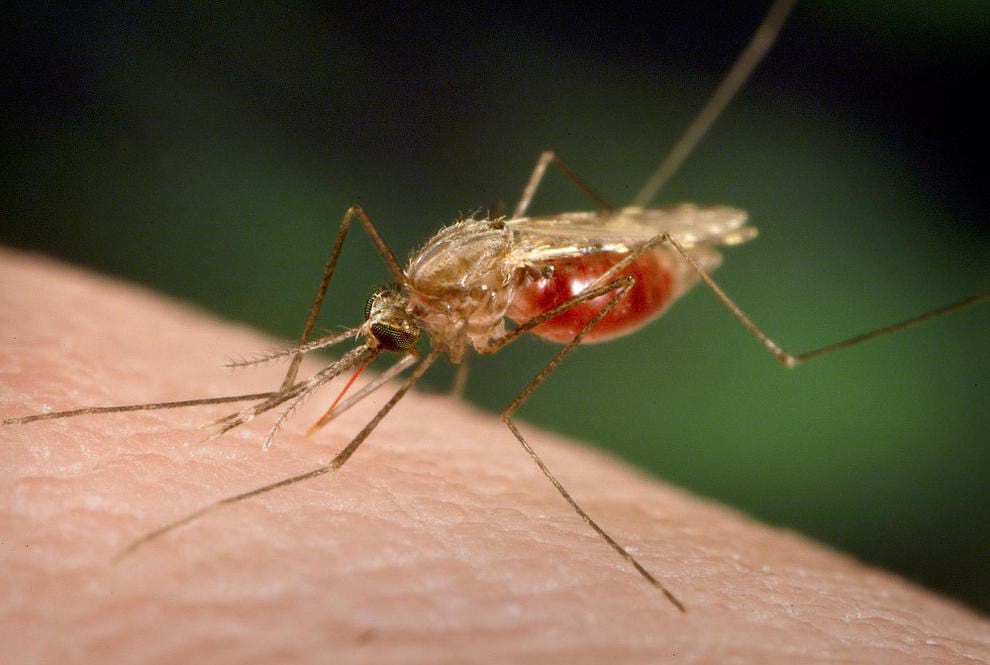
Some parts of north-eastern South Africa fall within malaria-risk regions, including areas associated with Kruger National Park.
Risk can vary geographically and seasonally.
A medical professional can advise whether preventative medication is appropriate for you. Travellers should also reduce mosquito bites by using insect repellent and following practical advice provided by their accommodation or medical professional.
Don’t choose prescription medication based purely on a travel article. Get advice that applies to you.
Travel Insurance
Comprehensive travel insurance is worth arranging before visiting South Africa.
Consider cover for:
- emergency medical treatment
- medical evacuation
- cancelled or delayed flights
- lost or delayed luggage
- trip cancellation
- activities included in your itinerary
- valuables such as cameras and electronics
Safari holidays can involve domestic flights, road transfers and remote destinations. Insurance becomes particularly important when several moving parts are involved.
Read the policy rather than assuming everything is covered.
Money in South Africa
South Africa uses the South African rand (ZAR).
Credit and debit cards are widely accepted at hotels, restaurants, shopping centres and established tourism businesses. Contactless payment is also common.
Having some cash available is still useful for smaller purchases, tips and places where card facilities may be unavailable.
Using ATMs
ATMs are widely available in cities and towns.
Use machines in secure, well-used locations such as shopping centres, banks or airports. Don’t accept unsolicited help from strangers while making a withdrawal.
Should you carry lots of cash?
Usually not.
A combination of cards and a modest amount of local currency is more practical for most visitors.
Tipping in South Africa
Tipping is common in the South African tourism and hospitality industry.
At restaurants, travellers commonly leave a tip when service is not already included. Safari guides, trackers, transfer drivers and lodge staff may also be tipped at the guest’s discretion.
Safari lodges sometimes provide their own tipping guidelines.
Ask if you are unsure. It is easier than trying to work out an unwritten rule on the last morning of your safari.
Getting Around South Africa
How you travel depends heavily on your itinerary.
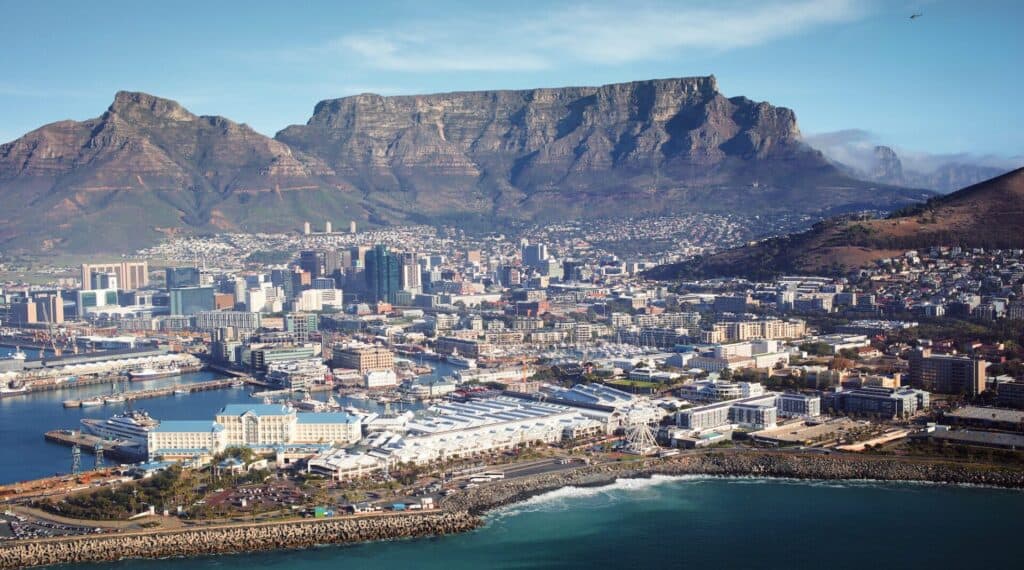
The country is large enough that flying often makes more sense than driving between distant destinations.
Common options include:
- domestic flights
- rental cars
- private transfers
- guided tours
- safari transfers
- hotel-arranged transport
For example, flying between Johannesburg and Cape Town makes far more sense for most short holidays than driving purely to get from one city to the other.
Driving in South Africa
South Africans drive on the left-hand side of the road.
Self-driving can work very well in places such as Cape Town, the Cape Winelands and the Garden Route. It gives you freedom and can be good value.
Longer journeys need more thought.
A distance that looks manageable on a map can become tiring once you add fuel stops, traffic, road conditions and sightseeing.
Driving around safari areas
Be especially careful with driving times around Kruger.
Road travel inside a national park is slow by design. You may also stop repeatedly for wildlife.
A route that looks short on a map can take much longer than expected.

Guided Travel vs Independent Travel in South Africa
Neither approach is right for everyone.
Factor | Guided or organised travel | Independent travel |
Planning | Easier | More research required |
Transport | Usually arranged | Self-managed |
Local knowledge | Strong | Depends on your research |
Flexibility | Good | Excellent |
First-time ease | Excellent | Good |
Safari logistics | Easier | More planning required |
Cost control | More predictable | Can sometimes cost less |
Best suited to | First visits and complex itineraries | Confident independent travellers |
Independent travel works particularly well for people who enjoy researching, driving and managing their own schedule.
Organised travel becomes useful when an itinerary includes airport transfers, safari departures, remote lodges or several destinations.
You can also combine the two.
Many travellers explore Cape Town independently and use guided arrangements for the safari part of the holiday.
Domestic Flights and Airports
The two main international gateways for many overseas travellers are OR Tambo International Airport in Johannesburg and Cape Town International Airport.
Durban is another important gateway, particularly for KwaZulu-Natal.
Domestic flights can save a great deal of travelling time.
If you’re connecting an international arrival with a separate domestic booking, leave enough time between flights. Immigration, baggage collection and delays can quickly eat into a tight connection.

What to Pack for South Africa
Packing depends on where you are going.
A Cape Town city break, Kruger safari, and Drakensberg walking holiday don’t require the same suitcase.
For a typical multi-destination trip, consider:
- comfortable walking shoes
- lightweight everyday clothing
- warmer layers
- sun hat
- sunscreen
- sunglasses
- reusable water bottle
- travel adaptor
- prescribed medication
- small day bag
- copies of important travel documents
Layering is more useful than packing only for the temperature you expect at midday.
What to Pack for a Safari
Safari mornings can catch first-time visitors out.
An open vehicle can feel cold shortly after sunrise, particularly during winter. A few hours later, you may be taking layers off.
Useful safari items include:
- neutral-coloured clothing
- comfortable shoes
- warm jacket or fleece
- sun hat
- sunscreen
- binoculars
- camera
- spare camera batteries
- insect repellent
- small day bag
- reusable water bottle
You don’t need to dress like an explorer from an old film.
Comfort matters more.

Mobile Data, Wi-Fi and SIM Cards
Wi-Fi is available at many hotels, lodges and restaurants, although connection quality can vary in remote safari areas.
International travellers who need regular mobile data can look at local SIM or eSIM options before or after arrival.
Coverage is generally stronger in major cities and towns than in remote reserves.
If you are going on safari, don’t be surprised if your phone loses signal.
For many guests, that turns out to be one of the nicer parts of the trip.
Electricity and Plug Adaptors
South Africa uses 230V electricity.
Plug types may be different from those used in your home country, so international travellers should check whether they need an adaptor.
Some hotels and safari lodges provide international or USB sockets, but don’t assume they will.
If you have several devices, a suitable travel adaptor can save a lot of negotiation over the only convenient socket in the room.
Food and Drinking Water
South Africa has a broad food culture, from traditional dishes and braais to excellent restaurants, seafood, Cape cuisine and lodge dining.
In many established urban and tourism areas, tap water is treated. Conditions and local advice can vary, however, particularly in more remote destinations.
Ask your accommodation if you are uncertain.
Bottled or filtered water is readily available in tourism areas.

Weather Can Change More Than You Expect
One of the harder things about packing for South Africa is that travellers often visit several climates on one holiday.
Cape Town can be cool and windy while the Lowveld around Kruger is warm.
Winter safari mornings can be cold enough for a jacket, followed by a warm afternoon.
Don’t pack according to a single South Africa weather forecast. Check the forecast for each destination on your itinerary shortly before travelling.
South African Customs and Local Etiquette
South Africans are generally informal and friendly.
English is widely spoken, but the country has 12 official languages and enormous cultural diversity. A greeting and a little patience go a long way.
A few simple habits help:
- greet people before launching into a request
- treat guides and hospitality staff respectfully
- ask before photographing people
- respect local communities and cultural sites
- follow wildlife and conservation rules
- don’t litter
- don’t feed wild animals
On safari, your guide’s instructions are there for a reason.
Wild animals don’t become tame because there is a vehicle nearby.
How Long Should You Spend in South Africa?
For a first trip combining safari with another major destination, 10 to 14 days is a comfortable starting point.
A week can work, but you need to be selective.
Trying to combine Johannesburg, Kruger, Cape Town, the Winelands, Garden Route and Durban in seven days is technically possible only if you enjoy seeing South Africa mainly through airport windows.
With less time, choose fewer places.
With two weeks, the trip starts to breathe.
Sample 14-Day South Africa Itinerary
Day | Destination | Suggested plan |
1 | Johannesburg | Arrive and recover from the flight |
2 | Johannesburg/Soweto | Guided sightseeing |
3 | Kruger region | Transfer or fly to safari area |
4 | Kruger | Morning and afternoon safari activities |
5 | Kruger | Full safari day |
6 | Kruger | Final game drive and relaxed afternoon |
7 | Cape Town | Fly south |
8 | Cape Town | City and Table Mountain area |
9 | Cape Peninsula | Full-day exploration |
10 | Cape Town | Flexible sightseeing day |
11 | Cape Winelands | Day trip or overnight |
12 | Cape Town | Coast, culture or free day |
13 | Cape Town | Flexible final sightseeing |
14 | Departure | Airport transfer |
Treat this as a framework rather than a checklist.
If wildlife is your priority, spend another night in the bush. If food, scenery and city life matter more, give Cape Town the extra day.
The right itinerary depends on why you’re coming.
Common Mistakes First-Time Visitors Make
Trying to see the whole country
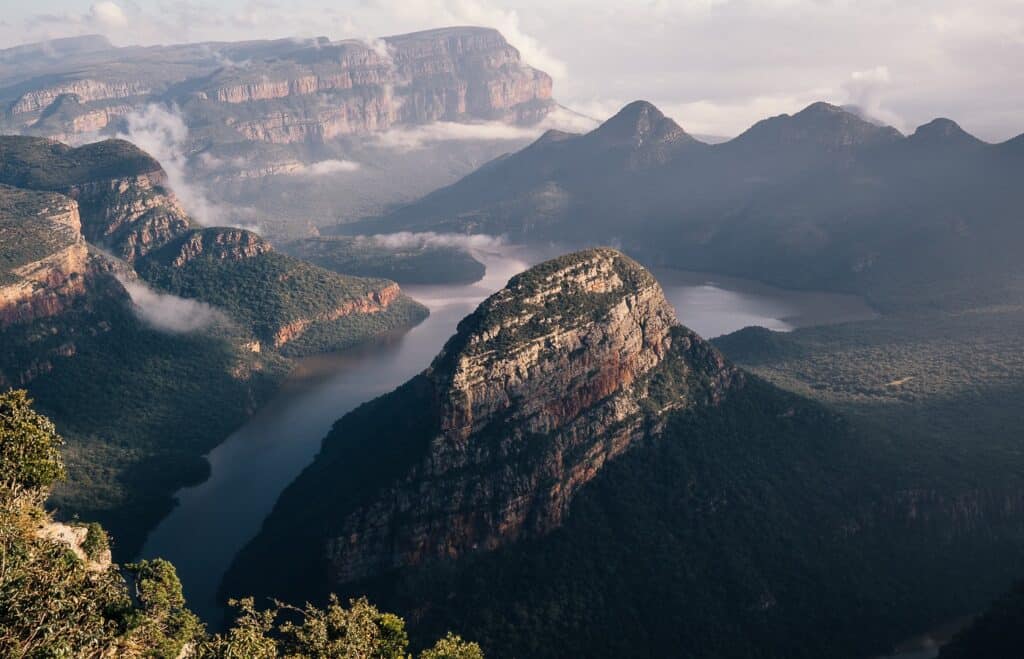
South Africa is bigger than many visitors expect.
Choose a few regions and experience them properly.
Underestimating driving times
Distance isn’t the only factor. Traffic, road conditions, wildlife stops, and slower safari roads all matter.
Packing for one climate
Cape Town and Kruger can feel like different holidays.
Bring layers.
Leaving safari bookings too late
Popular safari areas can book up well ahead during busy periods.
If the safari is the main reason for your trip, organise that part first.
Spending only one night on safari
One night gives you very little time in the bush.
Wildlife sightings are unpredictable. A longer stay gives you more game drives and allows the pace to settle.
Treating South Africa’s safety advice as all-or-nothing
South Africa is neither a place where travellers should ignore sensible precautions nor somewhere visitors need to spend the entire holiday worrying.
Ask locals. Use reputable transport. Pay attention to where you are.
Planning every minute
Some of the best travel days are the ones with room to change your mind.
Leave a little space in the itinerary.
Why Travel South Africa With a Local Operator?
Not every South Africa holiday needs to be fully guided.
Confident independent travellers can organise much of the country themselves, particularly established routes around Cape Town and the Garden Route.
Local support becomes more useful when the itinerary gets complicated.
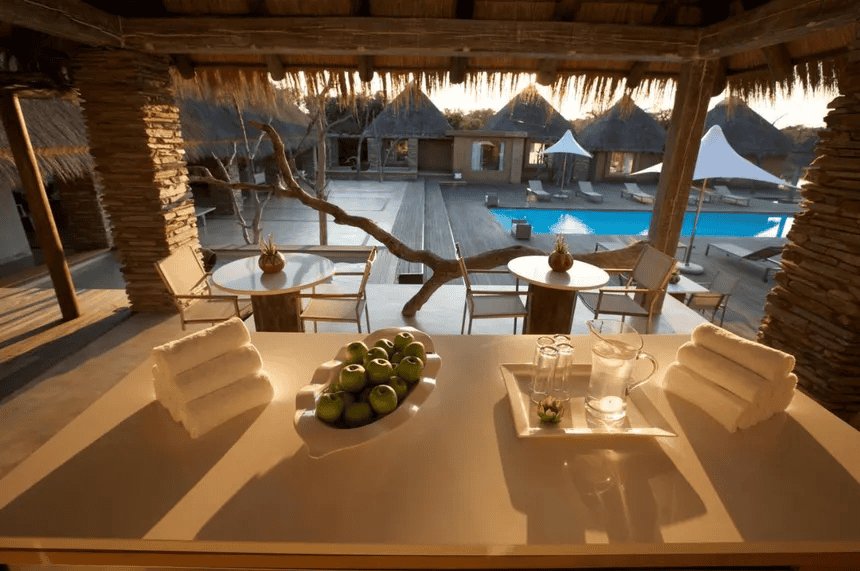
Safari transfers, lodge connections, domestic flights, early game drives and long road journeys all have to fit together. Someone who works with these routes regularly can often spot an unrealistic connection before it becomes your problem.
There is another advantage.
You have someone local to call when plans change.
That may not sound particularly exciting when you’re booking the holiday. It can feel considerably more valuable when a flight is delayed, and there is a safari transfer waiting at the other end.
Planning Your First South Africa Trip
South Africa works best when you stop trying to fit the entire country into one holiday.
Decide what matters most.
For some travellers, that means spending several days watching wildlife in Kruger. Others want Cape Town, the coast and good food. Many want a little of both.
There will always be somewhere you don’t get to.
That is not a planning failure. It is usually a good reason to come back.
Speak to MoAfrika’s local team if you want help choosing destinations, safari options and a realistic route for the time you have available.
Frequently Asked Questions
Is South Africa safe for tourists?
South Africa receives international visitors throughout the year, but sensible precautions are important. Use reputable transport, avoid walking around unfamiliar urban areas at night, secure valuables, and ask local guides or accommodation staff for area-specific advice.
What should I know before travelling to South Africa?
The biggest practical points are the country’s size, regional weather differences, entry requirements, transport planning and normal safety precautions. If you’re including a safari, also check current malaria advice and book popular safari accommodation early.
How many days do you need in South Africa?
Around 10 to 14 days works well for a first trip combining a safari with Cape Town or another major region. Seven days can work if you focus on fewer places rather than trying to cover the whole country.
What is the best month to visit South Africa?
There isn’t one best month for every itinerary. Cape Town and Kruger have different seasonal patterns. Safari-focused visitors often like the dry winter period, while Cape Town’s warmer summer months are popular for outdoor travel.
Do I need a visa for South Africa?
That depends on your nationality and travel circumstances. Check current requirements with the South African Department of Home Affairs or your nearest South African diplomatic mission before travelling.
Do I need malaria tablets for South Africa?
Not for every destination. Malaria risk is concentrated in particular regions, including parts of north-eastern South Africa. Speak to a doctor or travel-health professional about the places and dates on your itinerary.
Can I use credit cards in South Africa?
Cards are widely accepted at hotels, restaurants, shops and established tourism businesses. It is still useful to carry a modest amount of South African rand for smaller purchases and tips.
Can tourists drive in South Africa?
Many international visitors hire cars and self-drive. South Africans drive on the left. Check licence and rental requirements before travelling, and plan long-distance journeys realistically.
What should I pack for a South African safari?
Bring comfortable neutral clothing, layers, a warm jacket for cold mornings, a hat, sunscreen, binoculars and insect repellent. A camera is useful, but binoculars often make a bigger difference to everyday wildlife viewing.
How far in advance should I book a South Africa safari?
Popular safari lodges and peak travel dates can fill months in advance. If safari is the main purpose of your holiday, secure those dates before building the less time-sensitive parts of the itinerary around them.