Even if it is not the primary reason for going, birdwatching may be one of the joys of a visit to Kruger National Park. The park has over 500 documented bird species, and amazing encounters occur all through the year.
Just a Lilac-breasted Roller sitting next to a road or a Southern terrain Hornbill strutting over open terrain is enough to make even casual birdwatchers halt in their tracks to gawk.
Most people visit with the hope of seeing lions and elephants. Birding may offer a few surprises, and the river regions are worth it. Around the correct river channels and floodplains, particularly near camps with decent habitat nearby, birders may see Pel’s Fishing Owl, Southern Carmine Bee-eaters, or Saddle-billed Storks.
Is Kruger National Park Suitable for Birding?
Kruger is a fantastic birding location throughout the year, although the experience is different from one season to the next.
From October to April, diversity increases with migrating species and breeding activity. Comparing Kruger’s dry and green seasons can help birders balance peak variety against cooler weather and clearer visibility.
Why Kruger is One of Africa’s Top Birding Parks
The Kruger National Park is not one single type of landscape. Its size gives birders access to several habitats in one park, including:
- Riverine forests
- Open savannah
- Mopane woodland
- Wetlands
- Granite outcrops
- Fever tree forests
Each habitat supports different bird species. This habitat diversity allows birders to potentially see:
- Raptors
- Waterbirds
- Migratory species
- Endemic southern African birds
- Woodland specialists
- Grassland species
Some places are mainly about birds. Kruger gives you birds, but also the larger animals that make the park such a popular safari destination.

Kruger Birding Overview
Feature | Kruger Birding Experience |
Bird Species | 500+ |
Best Season | October to April |
Year-Round Birding | Excellent |
Endemic Species | Several regional specials |
Photography Opportunities | Excellent |
Self-Drive Birding | Very Good |
Guided Birding Safaris | Outstanding |
MoAfrika Safari Expertise
For many people, a South African safari is a first-time experience, and MoAfrika Tours has more than 20 years of expertise in helping make such trips a reality.
Local safari professionals and skilled guides help thousands of travellers every year experience the region’s wildlife.
In Kruger, decent bird sightings are not only about luck. Knowing which areas suit certain species, when seasonal birds arrive, and which camps offer the best access can make the search more worthwhile.

Best Camps for Birding in Kruger National Park
Not all camps offer the same birding opportunities. Some provide access to exceptional river systems, while others are surrounded by habitats that attract rarer species.
Lower Sabie Camp
Many experienced birders consider Lower Sabie one of the strongest all-round birding bases in Kruger.
The nearby Sabie River attracts:
- African Fish Eagles
- Saddle-billed Storks
- Giant Kingfishers
- African Jacanas
- White-crowned Lapwings
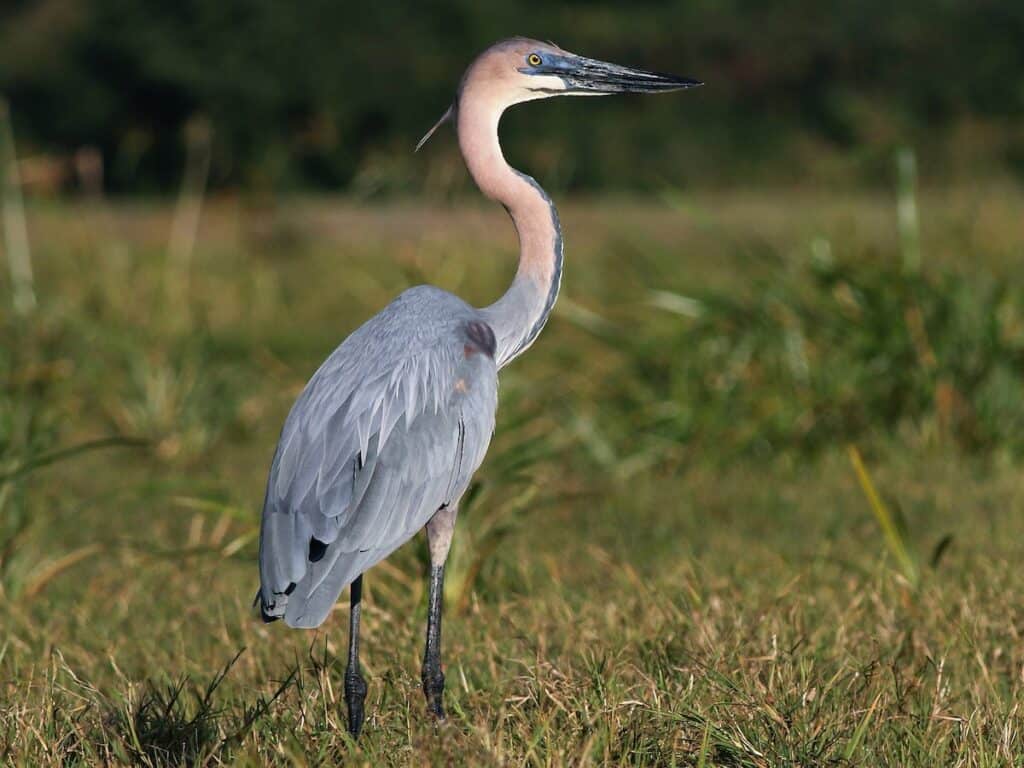
- Goliath Herons
The mix of riverine woodland and open grassland creates excellent species diversity. It is best for:
- First-time birders
- Bird photography
- Waterbirds
- General bird diversity
Skukuza Camp
Skukuza is along the Sabie River and provides access to several productive birding roads.
Notable species include:
- Pel’s Fishing Owl (occasionally)
- African Harrier-Hawk
- Narina Trogon
- Green Pigeon
- Purple-crested Turaco
- Woodland Kingfishers
The area is especially active during the summer.

Punda Maria Camp
Punda Maria offers a completely different birding experience. Northern Kruger attracts species that are uncommon or absent further south.
Birders often target:
- Pennant-winged Nightjar
- Arnot’s Chat
- African Hawk-Eagle
- Böhm’s Spinetail
- Crested Guineafowl
Many dedicated birders consider northern Kruger essential.
What Guides Usually Recommend
For birdwatching, the north is worth considering. A night or two in the north of Kruger adds a lengthy list of species that are easily missed further south.
Letaba Camp
Letaba is along one of Kruger’s most productive river systems.
The surrounding area supports:
- African Openbills
- African Fish Eagles
- Trumpeter Hornbills
- White-fronted Bee-eaters
- Giant Kingfishers
The quieter atmosphere often appeals to many birders.
Olifants Camp
Few camps offer views quite like Olifants.
Its elevated position overlooking the Olifants River creates opportunities to spot:
- Verreaux’s Eagle
- Martial Eagle
- Lappet-faced Vulture
- White-headed Vulture
- Various kingfisher species
The combination of scenery and birdlife makes this one of Kruger’s most rewarding camps.

Best Time for Birdwatching in Kruger
It depends on the birds you are looking for.
Green Season (October to April)
For sheer bird variety, this is usually the time worth planning around.
Many migratory birds arrive from:
- Europe
- Central Africa
- East Africa
The park becomes noticeably more active during this period.
Green Season Advantages
Advantage | Why It Matters |
Migratory Birds | Peak species diversity |
Breeding Plumage | Brighter colours |
Nesting Activity | Interesting behaviour |
Bird Photography | Dynamic subjects |
Young Birds | Increased activity |
Many bird photographers plan private Kruger safaris specifically during this period so the guide, route and time at sightings can be adapted to their interests.
Dry Season (May to September)
Bird diversity is excellent. However:
- Fewer migratory species are present
- Vegetation becomes thinner
- Visibility improves
- Temperatures are often more comfortable
Dry season birding can be enjoyable for travellers who combine birdwatching with traditional wildlife safaris.
Seasonal Bird Highlights
Summer Birding Specialties
Species | Best Period |
Woodland Kingfisher | Oct–Apr |
European Bee-eater | Oct–Apr |
Southern Carmine Bee-eater | Nov–Mar |
Paradise Flycatcher | Oct–Apr |
Yellow-billed Kite | Oct–Apr |
Winter Birding Highlights
Species | Best Period |
Martial Eagle | May–Sep |
Bateleur | Year-round |
Secretarybird | May–Sep |
Kori Bustard | Year-round |
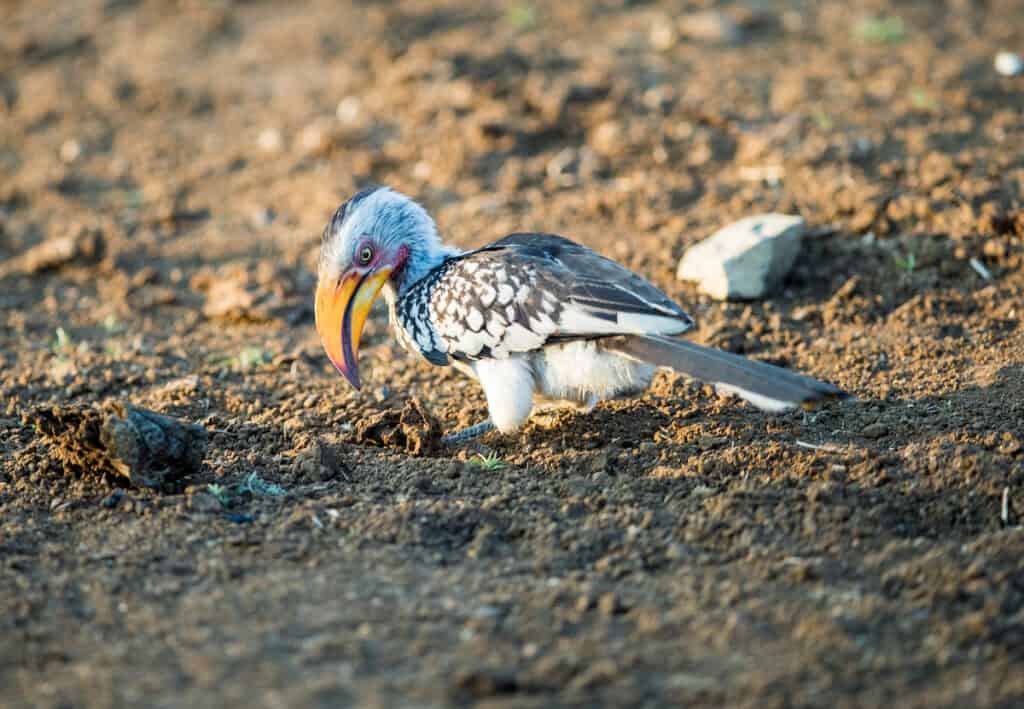
Ground Hornbill | Year-round |
Best Areas in Kruger for Birding
Southern Kruger
Southern Kruger offers:
- High species diversity
- Excellent river systems
- Easy access
- Strong infrastructure
Best birding areas include:
- Lower Sabie
- Skukuza
- Crocodile Bridge
- Berg-en-Dal
Central Kruger
Central Kruger is known for:
- Raptors
- Grassland birds
- Bustards
- Ground Hornbills
Top areas include:
- Satara
- Olifants
- Nwanetsi region
Northern Kruger
Northern Kruger attracts birders seeking:
- Rare species
- Regional specials
- Lower visitor numbers
- Different habitats
Many dedicated birdwatchers consider this the most rewarding birding region in the park.

Birding Safari vs Standard Safari
Feature | Birding Safari | Traditional Safari |
Main Focus | Birds | Mammals |
Drive Pace | Slower | Faster |
Guide Expertise | Bird specialists | General wildlife |
Species Count | Priority | Secondary |
Photography Focus | Often high | Mixed |
A birding safari draws attention to parts of the bush that are easy to pass by.
Birding Essentials for the Field
What to Pack
- 8×42 or 10×42 binoculars
- Bird field guide
- Zoom lens camera
- Clothing in muted colours
- Sun hat
- Sunscreen
- Lightweight rain jacket
- Notebook or birding app
- Extra camera batteries
- Reusable water bottle
In birdwatching, binoculars are the most important item in your luggage.
What a 4-day Kruger Birding Trip Could Look Like
Day | Activity |
Day 1 | Arrive Skukuza, afternoon birding drive |
Day 2 | Full-day birding around Lower Sabie and Sabie River |
Day 3 | Transfer north towards Letaba and birding stops en route |
Day 4 | Early morning birding session and departure |
Three to four nights change the pace of the trip and allow time to explore different habitats.
Guest Reviews
⭐⭐⭐⭐⭐
Michael – United Kingdom
” My objective was just to visit the Big Five. Four days later, I had a notebook full of 180+ kinds of birds, and our guide had introduced me to birds I didn’t even know existed. It changed the way I look at safaris.”
Plan Your Kruger Birding Safari
A vacation to Kruger does not always turn out the way people imagine. The Big Five may be the starting point of the visit, but a Fish Eagle over the Sabie River or a Lilac-breasted Roller in the dawn light might become the sighting that everyone talks about on the way home.
If you’re going on a birding safari, MoAfrika can help you select the right camp, the best season, and a guided option based on what you want to see and your experience level.
Frequently Asked Questions
What is the best month for birding in Kruger National Park?
The best months to bird in Kruger are usually November, December, January, and February. This is when migrating species arrive, and breeding activity makes birds more visible.
Is Kruger good for beginner birdwatchers?
Yes. Kruger is perfect for beginning birders since birding can be done from the car, at rest camps, and along the major roads. A few of the common species are simple enough to pick up early.
How many bird species can I realistically see on a trip?
Many birders can expect to see more than 150 species in four or five days out, especially during summer.
Is northern Kruger better than southern Kruger for birding?
For rarer species, generally, the more difficult to reach northern Kruger is the best option, although southern Kruger is more accessible and could provide a broader diversity of sightings in a shorter period.
Can I do a self-drive birding safari?
Yes. A self-drive birding safari in Kruger can be a great option. The idea is to travel slowly, to stop frequently, and to spend adequate time near rivers, dams, and waterholes where bird activity is easier to observe.
Do I need a specialist birding guide?
Not everyone needs a trained birding guide. However, if you are travelling primarily for birdwatching and want assistance seeing species that are often overlooked, this is a fantastic option.
Which camp is best for first-time birders?
Lower Sabie is usually the best choice for first-time birders. The river setting brings in a wide mix of birds, and the surrounding habitat offers beginners more chances to spot different species.
Are migratory birds only present in summer?
Not only in summer, but that is when many migrant birds are easiest to find. The green season, from about October to April, usually offers the highest number of seasonal visitors.