People rarely ruin a Kruger safari because they packed one wrong item or took the wrong road. The bigger issue is approaching the park with the wrong mindset. New visitors commonly rush, expect instant results, and rely on other people to lead them towards wildlife.
Many visitors arrive expecting one big sight after another. Nature rarely works on a schedule like that. There is more to notice when you slow your pace and pay attention, especially if you understand animal habits.
The right guide can spot patterns and recognise when a location is about to become worth your time.
Most Common Kruger Safari Mistakes
❌Tourist Mistake | 🤕Why It Hurts Your Safari |
Driving too fast | Missed wildlife sightings |
Overplanning routes | Safari fatigue |
Only searching for Big Five | Missed incredible wildlife |
Ignoring gravel roads | Reduced sightings |
Sleeping in late | Missed predator activity |
Packing bright clothing | Poor safari practicality |
Staying only one night | Limited wildlife opportunities |
Following crowds constantly | Stress and disappointment |
Underestimating distances | Late arrivals at camps |
Visiting only in peak season | Reduced wilderness atmosphere |
Safari trips are often more enjoyable when people stop trying to catch every conceivable sighting and allow themselves time to enjoy the minor details and moments that happen in between.

Mistake #1: Rushing Through The Park
Why Tourists Miss Wildlife
One of the biggest beginner mistakes is treating a Kruger safari like a normal road trip.
Wildlife often appears:
- Briefly
- Partially hidden
- Far from roads
- Camouflaged in vegetation
Fast driving dramatically reduces your chances of spotting animals.
Ideal Safari Driving Speeds
🚗Road Type | ✅Recommended Safari Speed |
Tar roads | Around 25–35 km/h |
Gravel roads | Around 15–25 km/h |
Places with predator activity | Ease off even more |
Slower driving improves:
- Animal spotting
- Birdwatching
- Photography
- Reaction time

Mistake #2: Believing You Can See Everything In One Day or Trip
Why Overplanning Ruins Safaris
Many tourists attempt unrealistic itineraries.
They try to:
- Cover huge distances
- Visit too many camps
- Chase every sighting
- Maximise checklists
This usually creates:
- Fatigue
- Stress
- Rushed game drives
- Reduced wildlife quality
Better Safari Strategy
😔Poor Approach | 😊Better Approach |
Covering huge distances | Focusing on productive areas |
Constant movement | Slow exploration |
Changing camps daily | Staying multiple nights |
Quantity of sightings | Quality of sightings |
Experienced safari travellers often repeat the same productive roads multiple times.

Mistake #3: Obsessing Only Over the Big Five
Why This Limits Your Safari
Many tourists ignore extraordinary wildlife because they focus only on:
- Lions
- Leopards
- Rhinos
- Elephants
- Buffalo
This creates disappointment when sightings become difficult.
Wildlife Often More Interesting Than the Big Five
🦁Overlooked Wildlife | 🤩Why It’s Incredible |
Wild dogs | Rare predator behaviour |
Hyenas | Fascinating social structure |
Birds | Extraordinary diversity |
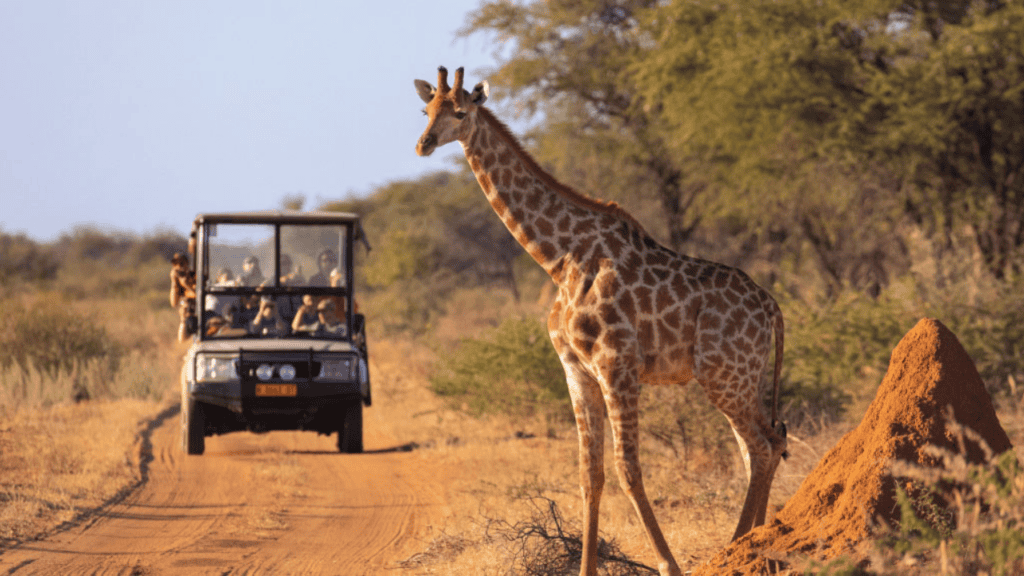
Giraffes | Exceptional photography |
Smaller mammals | Unique sightings |
Mistake #4: Not Going On The “Beaten Path”
Why Tar Roads Limit Wildlife Experiences
Many first-time visitors stay only on tar roads because they feel easier and faster.
However, gravel roads often produce:
- Better predator sightings
- Fewer vehicles
- Better photography angles
- More immersive safari experiences
How Different Road Types Influence a Safari Drive
🚗Road Type | 🦁Wildlife Experience |
Tar roads | Convenient |
Gravel roads | More immersive |
People often come into Kruger thinking the most exciting wildlife moments will be the most memorable. Hours spent slowly travelling down gravel roads can be what sticks, just because the experience is more immersive and less rushed.

Mistake #5: Leaving Camp Too Late
The Importance of Setting Out Early
Tourists who leave camp late often miss:
- Lion movement
- Leopard activity
- Hunting behaviour
- Golden photography light
Best Safari Timing
⌚Time | 💯 Wildlife Quality |
Sunrise | Outstanding |
Early morning | Excellent |
Midday | Moderate |
Late afternoon | Excellent |
Sunset | Outstanding |
Arriving at the gates before anyone else doesn’t give you a badge of honour or a free cup of honorary coffee, but it can offer the best views as you drive into the park ahead of everyone else.
Mistake #6: Expecting Non-Stop Activity
Why Safari Requires Patience
Social media creates unrealistic safari expectations.
Many visitors assume every drive includes:
- Lion hunts
- Leopards in trees
- Constant predator sightings
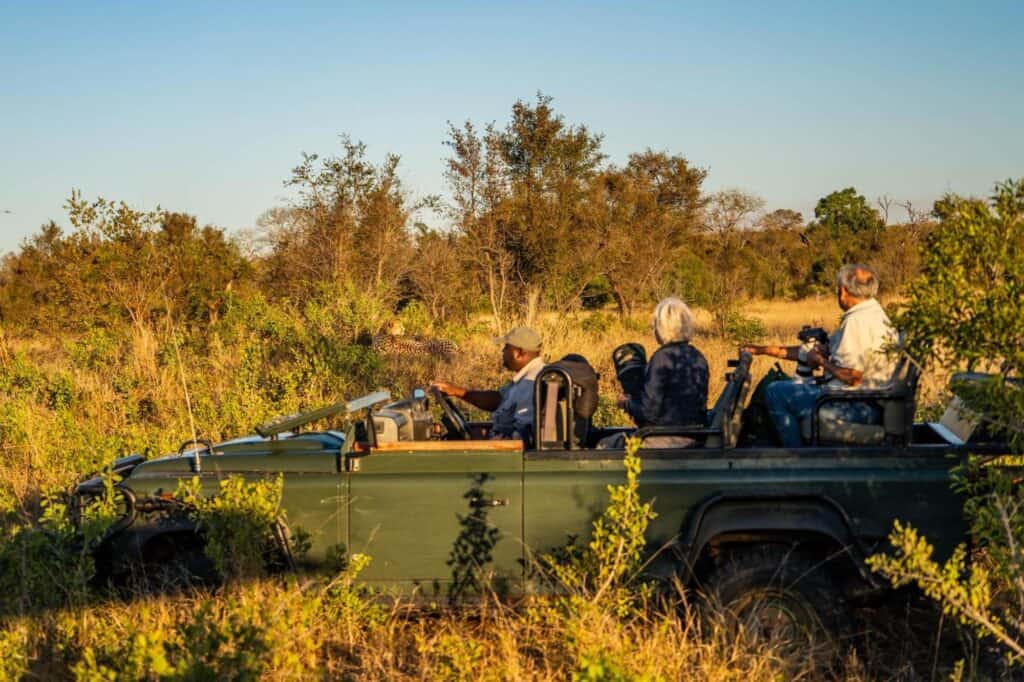
Real safaris involve patience. Sometimes the best sightings happen after hours of slow observation.
What Experienced Safari Guides Understand
⭐Reality | ✅Why It Matters |
Wildlife is unpredictable | Patience improves success |
Quiet observation works | Animals behave naturally |
Slower drives improve sightings | More detail noticed |

Mistake #7: Wearing the Wrong Clothing
Why Clothing Matters on Safari
Bright colours, uncomfortable shoes, and poor layering reduce safari comfort significantly.
Best Safari Clothing Choices
✅Recommended | ❌Avoid |
Khaki | Neon colours |
Olive | Bright red |
Beige | Pure white |
Layered clothing | Heavy fashion clothing |
Morning drives can be surprisingly cold, especially during winter.

Mistake #8: Underestimating Kruger Distances
Distances Inside Kruger Can Be Misleading
Covering ground in the park is different from driving on normal roads. A route can take far longer than expected because:
- Wildlife stops interrupt travel
- Speed limits are low
- Gravel roads slow progress
- Traffic forms around sightings
Common Distance Mistakes
❌Mistake | ➡️Result |
Planning long daily routes | Fatigue |
Arriving late at camps | Stress |
Ignoring gate times | Safety risks |
Shorter routes usually create better safari experiences.

Mistake #9: Following Crowds Constantly
Why Crowds Can Reduce Safari Quality
Many tourists automatically stop wherever vehicles gather.
This sometimes works, but it also creates:
- Traffic stress
- Noise
- Rushed viewing
- Reduced wilderness feeling
More Ideal Wildlife Strategy
🙂Tourist Behaviour | 👉Better Alternative |
Chasing every crowd | Exploring quieter roads |
Constant movement | Staying patient |
Following traffic | Reading habitat and tracks |
Some of Kruger’s best sightings happen away from crowds.
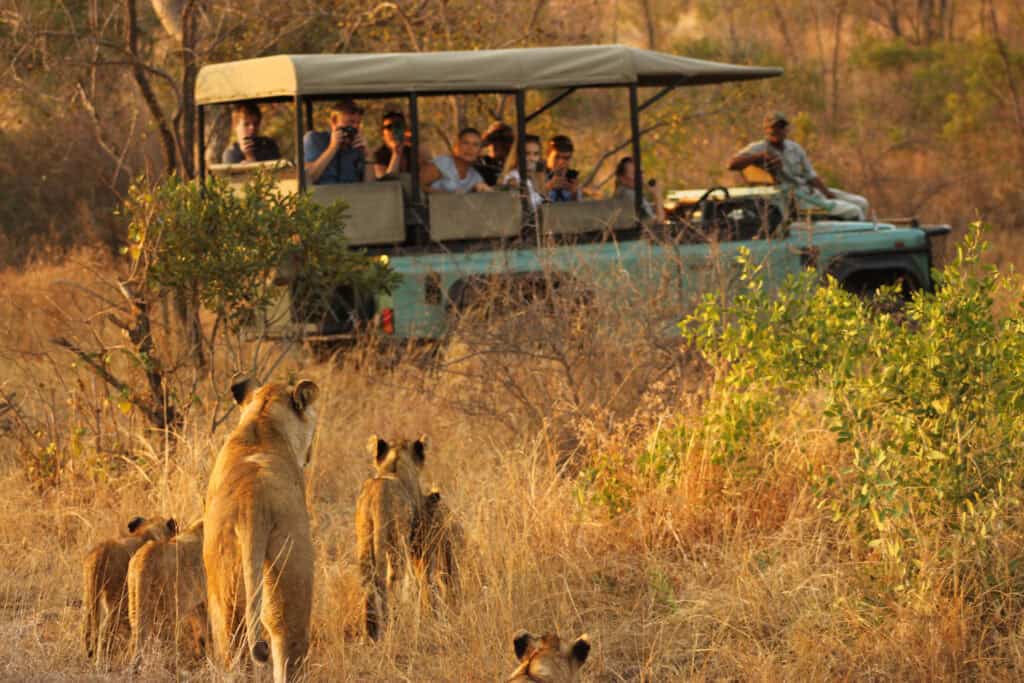
Mistake #10: Visiting Kruger for Only One Night
Why Short Safaris Often Disappoint
Wildlife sightings vary daily.
A single overnight safari limits:
- Animal diversity
- Predator opportunities
- Photography conditions
- Seasonal flexibility
Recommended Safari Length
📆 Safari Duration | 💯 Experience Quality |
1 night | Limited |
2 nights | Good |
3–4 nights | Excellent |
5+ nights | Outstanding |
Three nights is usually the minimum ideal safari duration.

Mistake #11: Ignoring Birdlife
Why Birding Makes Safaris Better
Kruger is ideal for bird watchers. The park has around 500 bird species, creating an astonishing amount of variation in one destination. You can have very different sightings in a short length of time by driving across the area.
Many tourists overlook:
- Eagles
- Hornbills
- Rollers
- Kingfishers
- Owls
Mistake #12: Packing Like You’re Moving In
Extra Luggage Makes Everything Less Convenient
Extra luggage gets in the way with:
- Transfers
- Vehicle space
- Safari organisation
Most Important Safari Items
💯 Essential Item | ✅Importance |
Binoculars | Essential |
Neutral clothing | Essential |
Sunscreen | Essential |
Camera | Recommended |
Layered clothing | Important |
Practical packing always beats excessive packing.

Pros and Cons of Self-Drive Safaris
✅Pros | ❌Cons |
Flexible schedules | Wildlife harder to locate |
Affordable | Navigation responsibility |
Longer sightings | Driving fatigue |
Independent experience | Lower viewing height |
Pros and Cons of Guided Safaris
✅Pros | ❌Cons |
Better wildlife spotting | More expensive |
Expert knowledge | Less flexibility |
Easier logistics | Shared vehicles possible |
Better predator tracking | Fixed schedules |
Expert Safari Advice Most Tourists Never Hear
After decades of safaris throughout Kruger National Park, the best safari travellers are usually the slowest travellers.
They:
- Drive slowly
- Stay patient
- Repeat productive roads
- Focus on atmosphere
- Appreciate smaller sightings
- Avoid checklist mentality
The tourists who enjoy Kruger the most are rarely the ones chasing the most sightings.
They are usually the travellers fully immersed in the wilderness experience itself.
Final Verdict: How to Have a Better Kruger Safari
The best Kruger safaris are not about rushing between sightings or chasing perfect social-media moments.
They are about:
- Patience
- Observation
- Slower travel
- Understanding wildlife behaviour
- Spending time in productive habitats
Travellers who avoid common tourist mistakes usually experience:
- Better wildlife sightings
- Less stress
- Better photography
- More immersive safaris
- Greater appreciation for Kruger’s ecosystem
People go on a safari searching for major moments, and then they remember the unexpected things that happened while they were not looking for anything at all.
Frequently Asked Questions
What is the biggest mistake tourists make in Kruger?
Trying to fit too much into one day. You can spend the whole drive chasing the next stop and miss the best sighting of the day sitting a few metres away.
How many days should you spend in Kruger National Park?
Three nights is a good length of time to stay in Kruger National Park, especially if this is your first visit. Trying to cram Kruger into a relatively short stay can leave you with a sensation that you’ve missed out.
However, three days minimum gives you more opportunities on the road, and it’s a greater chance to explore the park without continuously monitoring the clock.
Is it better to self-drive or book guided safaris?
Many prefer guided safaris since guides know how to follow animals, and they have a solid idea where wildlife might be found. Self-driving allows you more freedom and can cut costs, but a guide takes much of the strain off you, especially if you are new to safaris.
Why do experienced safari travellers drive slowly?
Those who’ve been on safari a few times know that driving too fast can mean you’ll miss the wildlife altogether.
It’s not always simple to see animals; many are partly hidden or well camouflaged. Driving slower provides you more time to react, take photos, and notice things that can quickly slip by.
Are gravel roads better for wildlife sightings in Kruger?
Kruger’s gravel roads can be great for wildlife observations, as there are normally few vehicles and the traffic goes at a slower pace.
The quieter ambiance can add to the enjoyment of the safari, with many people seeing predators and other creatures away from the larger tarred roads.
What time should you start a Kruger safari drive?
If you want the best out of a Kruger safari drive, get going around sunrise. Animals are still active before the heat settles in, especially predators. You also avoid heavier traffic in the park, and the early light makes photos look better without much effort.
Is Kruger National Park crowded during safari season?
The peak safari season sees more visitors entering southern Kruger, and sites like Skukuza, Lower Sabie, and Satara are usually the most crowded. This portion of the park is less frequented, and tourists get a chance to enjoy a more serene game viewing experience.
Should safari travellers focus only on the Big Five?
Some people spend their entire safari waiting for five particular animals to appear, and that can narrow the whole experience. Kruger has a huge amount happening at any given moment, far beyond the names most people know.
Experienced safari visitors are usually more interested in seeing different species and interesting animal activity than counting how many targets they have found.
What do people usually get wrong when choosing safari clothes?
People usually pack with photos in mind and forget they are going to be outside for most of the day. Shoes can seem fine when you first put them on, but become a terrible decision a few hours later. Morning weather can also look very different by the afternoon.
Why do people rush around so much on a Kruger safari?
Many feel overwhelmed with exactly how much there is to see, and trying to fit that into either a day or however long their trip is. Instead of making the most out of the time they have, they are exhausted by trying to do too much at once instead of pacing themselves.