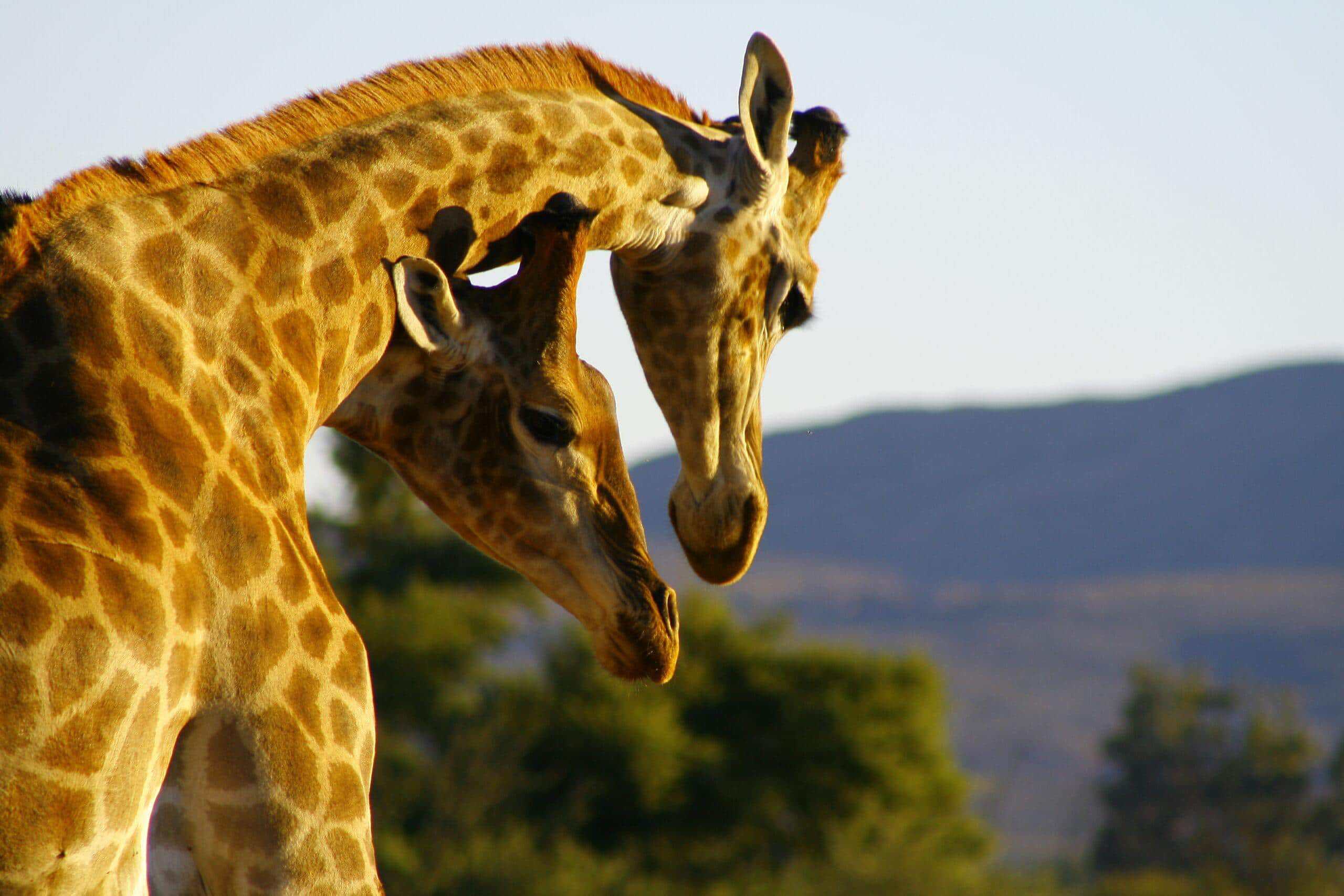

Ask regular Kruger visitors for the best time to go, and you will probably get several different answers.
Some will choose the dry winter months, when the bush is thinner, and animals are often easier to spot. Others prefer summer, when Kruger turns green, migratory birds arrive, and afternoon storms change the landscape almost overnight.
There isn’t one obvious best month for everyone.
The right time to visit Kruger National Park depends on what matters most to you: easier wildlife viewing, comfortable weather, birding, photography, quieter roads, or the green summer landscape.
When Is the Best Time to Visit Kruger National Park?
For most first-time safari travellers, May to September is the best time to visit Kruger National Park. These are the drier winter months, when vegetation becomes thinner, and animals often spend more time around rivers, dams and other permanent water sources.
October to April is Kruger’s greener and wetter season. Wildlife can take more patience to find, but this is a rewarding time for birdwatching, summer landscapes, young animals and photography.
Best for easier wildlife viewing: May to September
Best for first-time visitors: May to September
Best for birdwatching: November to March
Best for green scenery: December to March
Best for cooler game drives: June to August
Best balance of wildlife and weather: May and September
Wildlife sightings never come with certainty. Season affects visibility and animal movement, but patience, time in the park, and a good guide still matter.
Local Kruger Safari Experience
MoAfrika Tours has been introducing travellers to Southern Africa’s most iconic wildlife destinations for over two decades. Our local safari specialists and professional guides help thousands of guests experience authentic African safaris every year.
After years of operating safaris in Kruger, one thing becomes clear: there isn’t really a bad month to visit.
What changes is the type of safari you have.
Winter tends to make wildlife easier to find. Summer brings a greener, noisier, and more colourful bush.
Understanding that difference makes choosing your dates much easier.

Best Time to Visit Kruger at a Glance
Safari Priority | Best Time to Consider |
Easier wildlife spotting | May–September |
Big Five safari | May–September |
Cooler temperatures | May–August |
Birdwatching | November–March |
Green landscapes | December–March |
Young animals | Green season |
Wildlife photography | May–September |
Landscape photography | November–March |
First Kruger safari | May–September |
Repeat safari | Any season |
Seasonal balance | April–May or September |
These are useful guidelines rather than fixed rules.
You can have an outstanding wildlife drive in January and a quiet one in August. Kruger is a natural ecosystem, not a wildlife park where animals appear according to a timetable.

Kruger National Park Month-by-Month
Kruger changes gradually rather than suddenly moving from one season to another. Conditions also vary between northern, central, and southern Kruger.
Still, this month-by-month guide gives you a practical idea of what to expect.
Month | General Conditions | Wildlife Viewing | Good For |
January | Hot, green, and humid with summer rain | Good, but thicker vegetation | Birding, scenery, young animals |
February | Hot and lush with possible storms | Good | Birding, photography |
March | Green, warm and gradually becoming drier | Good | Landscapes, quieter travel |
April | Mild transition towards the dry season | Very good | Balanced safari conditions |
May | Drier, cooler and increasingly open | Excellent | Wildlife and comfortable weather |
June | Dry with cold mornings | Excellent | Big Five viewing |
July | Cool, dry and popular | Excellent | First-time safaris |
August | Very dry with sparse vegetation | Excellent | Wildlife photography |
September | Dry, warmer and often dusty | Excellent | Wildlife around water |
October | Hot with the first rains possible | Very good | Seasonal transition |
November | Greener with migrant birds arriving | Very good | Birding and photography |
December | Hot, green and wet | Good | Summer scenery and birdlife |
Rather than choosing a month because somebody told you it is simply “the best”, think about what you actually want to see and how you prefer to travel.

Visiting Kruger During the Dry Season: May to September
The dry season is the most popular recommendation for a first Kruger safari, and there are good reasons for that.
Rain becomes less frequent. Grass dries out, and vegetation gradually becomes thinner.
As seasonal water sources disappear, animals often spend more time around permanent rivers, dams, and waterholes.
That can make wildlife easier to locate.
Why Wildlife Can Be Easier to See
The main dry-season advantage is visibility.
With less foliage between you and the animals, it becomes easier to notice movement through the bush. This can be particularly useful when looking for animals such as leopard, which can disappear remarkably well even when they are fairly close.
Water also becomes increasingly important as the dry season progresses.
Elephants, buffalo, antelope and other animals regularly visit permanent water sources. Predators may follow prey movements, although there is never a guarantee of finding them.
Dry-Season Advantages
Many travellers choose winter because of:
- thinner vegetation
- easier wildlife visibility
- lower rainfall
- cooler daytime conditions
- less humidity
- good predator-viewing opportunities
- comfortable conditions for longer game drives
Early mornings can be surprisingly cold, particularly in an open safari vehicle.
Pack for that.
A winter game drive may begin with jackets, blankets and cold fingers around a camera, then become pleasantly warm later in the morning.
The Trade-Off
The dry season is popular.
Southern Kruger, around areas such as Skukuza, Lower Sabie and Crocodile Bridge, can become busy, particularly during school holidays and popular travel periods.
Well-known sightings may attract several vehicles.
The landscape is also much drier by late winter. Travellers expecting the green African bush they have seen in photographs can be surprised by how brown and dusty parts of Kruger become.
That isn’t necessarily a disadvantage. It is simply a different Kruger.
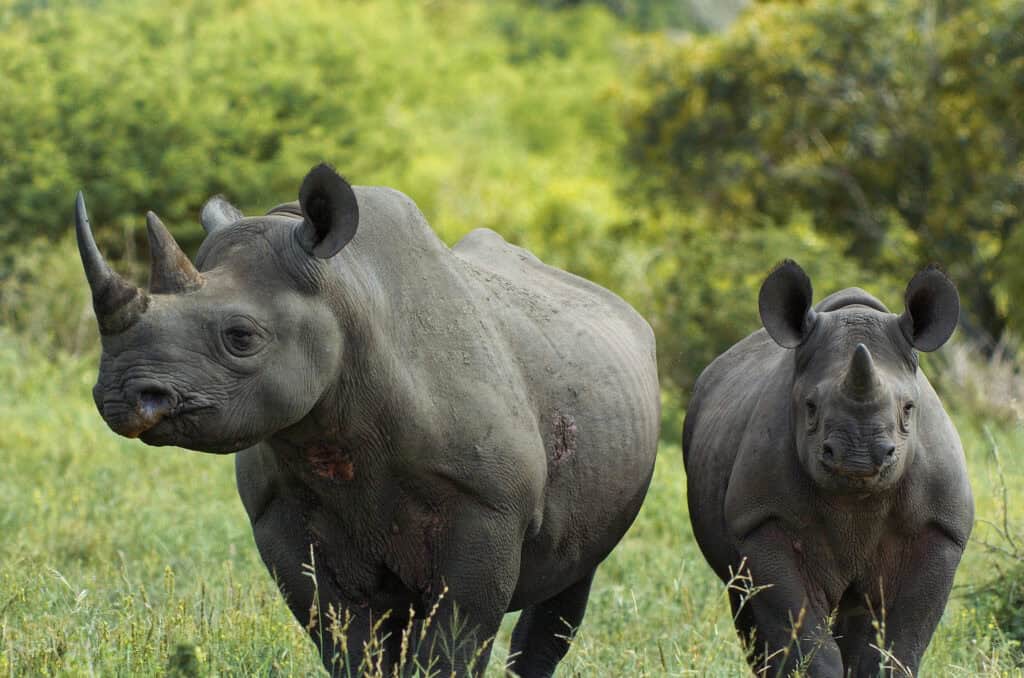
Visiting Kruger During Green Season: October to April
Summer rain changes the park quickly.
Grass grows, trees fill out, and areas that looked dry a few weeks earlier can become intensely green. Migratory birds arrive, and bird activity increases considerably throughout the bush.
For some travellers, this is Kruger at its most beautiful.
Wildlife During Green Season
A common misconception is that the animals disappear when the rains arrive.
They don’t.
They become more difficult to spot quickly.
Water becomes more widely available, and animals no longer need to concentrate as heavily around permanent sources.
Thick vegetation also provides more cover.
A lion lying ten metres from the road is considerably harder to notice when summer grass surrounds it.
This is where patience and an experienced guide can make a difference.
Why Some Travellers Prefer Summer
The green season can bring:
- lush landscapes
- dramatic summer skies
- migratory birds
- breeding plumage
- young animals
- rich photographic colour
- fewer visitors during some periods
- a very different atmosphere in the bush
Summer is also hotter and more humid.
Rain often arrives as showers or thunderstorms rather than constant day-long rainfall, although weather patterns vary and no particular day can be predicted with certainty.
Dry Season vs Green Season in Kruger
Factor | Dry Season: May–September | Green Season: October–April |
Wildlife visibility | Usually easier | More patience required |
Vegetation | Sparse and dry | Thick and green |
Temperatures | Cooler | Hotter and more humid |
Rain | Low | Summer rainfall |
Birdwatching | Good | Excellent |
Migratory birds | Fewer | Many more |
Young animals | Less prominent | More common |
Wildlife photography | Easier visibility | Richer landscapes |
Visitor numbers | Often higher | Can be lower outside holidays |
Safari atmosphere | Dry, open bush | Lush, active summer bush |
Most first-time visitors tend to favour the dry season.
Repeat safari travellers are often more divided. Once you have experienced a dry-season safari, green season offers something completely different.

What Is the Best Time for Wildlife Sightings in Kruger?
If seeing as much wildlife as possible is your main priority, May to September is usually the safer choice.
Sparse vegetation helps with visibility, and animals often become more dependent on permanent water as winter progresses.
August and September can be particularly dry.
This can make water sources productive places to spend time, but it does not mean every waterhole will be busy or that predators will automatically appear.
Sometimes nothing happens.
Then, five minutes after you leave, everything does. That is safari.
What Is the Best Time to See the Big Five?
The Big Five – lion, leopard, elephant, rhino and buffalo – live in Kruger throughout the year.
You do not need to visit in a particular month for them to be present.
The dry season generally makes some animals easier to find because visibility improves and wildlife can become more concentrated around water.
Southern Kruger is particularly popular with first-time visitors because of its extensive road network and productive wildlife areas.
Even here, sightings remain unpredictable.
When Is the Best Time for Birdwatching in Kruger?
For birdwatchers, the green season is difficult to beat.
From roughly November onwards, migratory species add to Kruger’s already impressive resident birdlife. Many species are also more colourful during breeding season.
Summer game drives can be busy before you have seen a single large mammal.
Rollers, kingfishers, bee-eaters, raptors and numerous smaller species turn the spaces between major wildlife sightings into part of the safari rather than simply waiting time.
Travellers who enjoy birds often see green-season Kruger very differently from visitors concentrating only on the Big Five.
When Is the Best Time for Photography?
It depends on what you like photographing.
Dry Season Photography
Winter usually gives wildlife photographers:
- clearer lines of sight
- less vegetation blocking animals
- easier opportunities around water
- softer early-morning light
- less humidity
If your priority is clean wildlife portraits, the dry season is often easier.
Green Season Photography
Summer brings a different palette.
Expect:
- green landscapes
- dramatic clouds
- colourful birdlife
- young animals
- richer backgrounds
- summer thunderstorms
- striking skies around sunrise and sunset
A leopard may be harder to see in summer vegetation, but the photograph can be beautiful once you find it.
Neither season is automatically better. They produce different images.
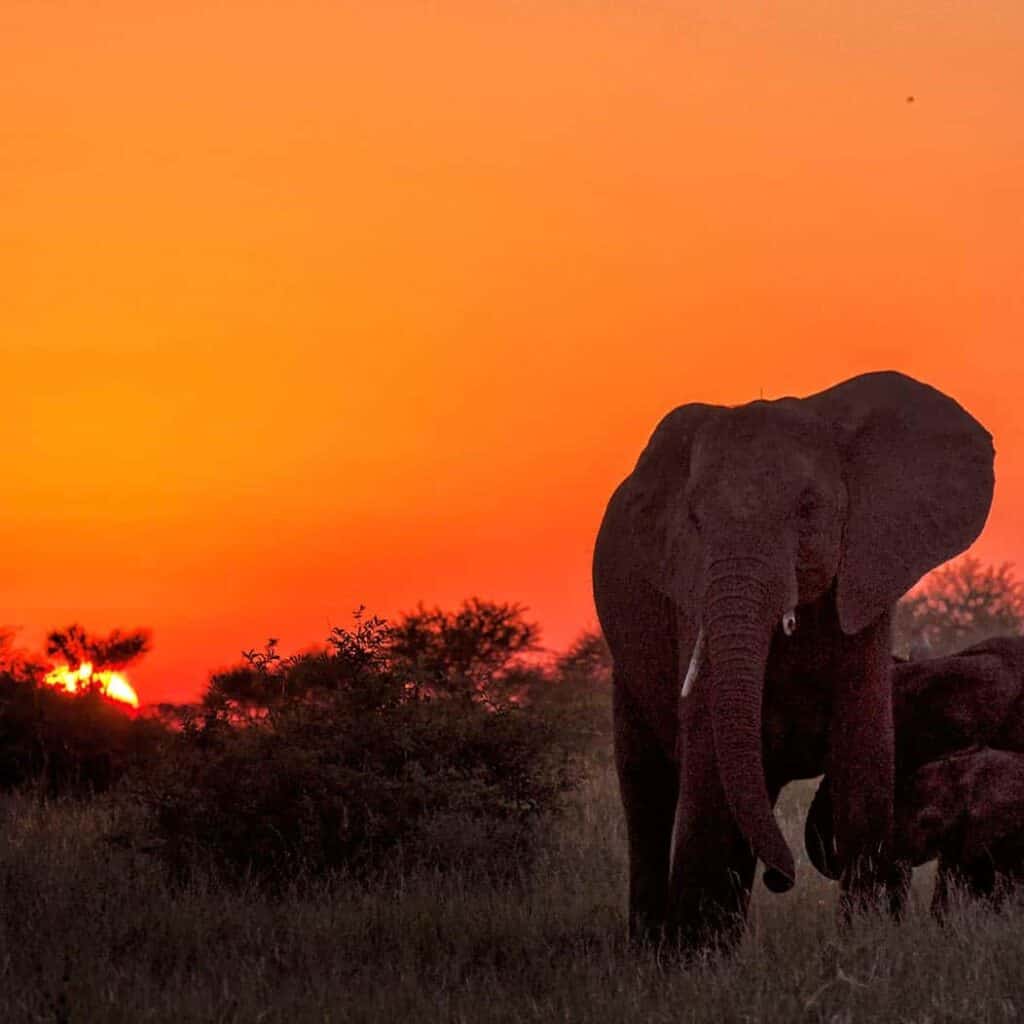

When Is Kruger Less Crowded?
Visitor levels vary with school holidays, public holidays, international travel patterns, and particular parts of the park.
The dry winter safari season is popular because of its wildlife-viewing conditions.
Green-season periods outside major holidays can feel quieter.
Location matters too.
Southern Kruger usually receives more traffic than remote parts of northern Kruger because it is easier to reach and has a dense network of camps, roads, and wildlife areas.
If avoiding traffic matters to you, the section of Kruger you choose can be just as important as the month.
What Is the Best Time for a First Kruger Safari?
For most first-time visitors, May to September is the easiest recommendation.
There is less vegetation, wildlife can be easier to see, and daytime temperatures are generally comfortable.
That helps when you are still learning how to look for animals.
Experienced safari travellers notice things that first-time guests drive straight past: an ear moving in long grass, alarm calls from impala, fresh tracks on the road or a sudden change in the behaviour of nearby animals.
Better visibility gives first-time visitors a little help.
That said, someone who loves birds, photography and green landscapes may enjoy summer more.
The right safari is about what matters to you.
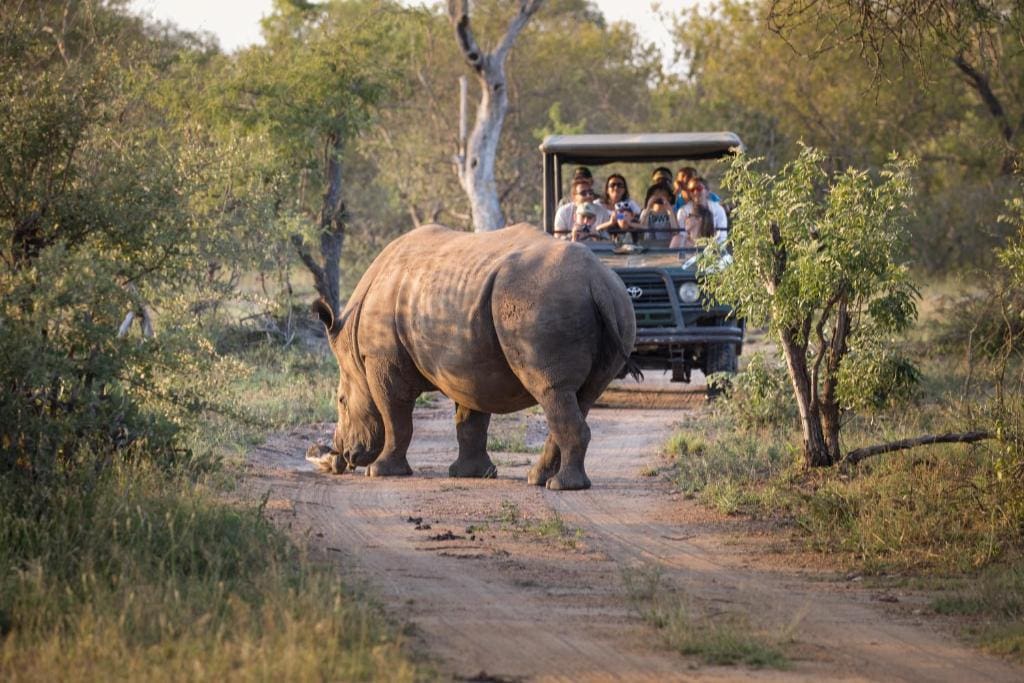
Is May a Good Time to Visit Kruger?
May is one of Kruger’s useful transition months.
Summer rainfall is usually coming to an end, humidity drops, and the vegetation gradually begins thinning.
Temperatures are also generally comfortable.
For travellers who want to avoid the coldest winter mornings while still benefiting from increasingly dry conditions, May is worth considering.
Is June or July a Good Time for Kruger?
June and July sit firmly in the dry winter period.
These months generally offer very good wildlife-viewing conditions, with cooler weather and relatively little rainfall.
Early mornings can be cold, especially in an open safari vehicle.
July is also a popular travel month, so booking accommodation and safari arrangements well ahead can be sensible.
Is August or September Better for Wildlife?
Both can be productive wildlife months.
By August, the landscape is usually very dry, and visibility can be excellent. September remains dry, but temperatures begin climbing as Kruger moves towards summer.
Water becomes particularly important late in the dry season.
If you dislike very hot conditions, August may suit you better. If warmer weather does not bother you, September can offer very good game-viewing conditions.
Is December a Good Time to Visit Kruger?
Yes, particularly if you understand that December offers a very different safari from July.
Kruger is greener, hotter, and more humid. Birdlife is excellent, and summer rainfall can create dramatic changes in the landscape.
Wildlife may take more work to find because of the vegetation and wider availability of water.
December can also be busy around the South African holiday period, so do not assume that green season automatically means quiet roads.
Best Time to Visit Kruger by Traveller Type
Traveller | Time Worth Considering | Why |
First-time safari guest | May–September | Easier wildlife visibility |
Big Five-focused traveller | May–September | Dry conditions can help with spotting |
Birdwatcher | November–March | Migratory birds and breeding activity |
Wildlife photographer | May–September | Cleaner visibility |
Landscape photographer | November–March | Green bush and dramatic skies |
Family | May–September | Cooler daytime conditions |
Repeat Kruger visitor | Green season | Different scenery and wildlife behaviour |
Traveller avoiding heat | June–August | Coolest safari period |
Traveller wanting green scenery | December–March | Summer landscape |
Flexible traveller | April–May / September | Useful seasonal transitions |
What Guides Usually Recommend
If it is your first safari and wildlife is the main reason you are coming, start by looking at May through September.
It is the simpler choice.
The bush is more open, temperatures are comfortable for much of the day, and you have fewer layers of vegetation to look through when trying to find animals.
But don’t dismiss green season.
People who return to Kruger often start appreciating things they barely noticed on their first trip: migrant birds, changes in vegetation, young animals, insects, storms and the sounds of the bush after rain.
Kruger doesn’t become better or worse between seasons.
It changes.

How the Season Changes a Typical Safari Day
Time of Day | Dry Season | Green Season |
Early morning | Often cold; good wildlife activity | Mild to warm; productive wildlife and birding |
Mid-morning | Comfortable and gradually warming | Temperatures rise quickly |
Midday | Mild to warm | Often hot |
Afternoon | Pleasant, particularly later | Hot with possible storms |
Evening | Temperatures drop quickly | Usually warm and humid |
Early morning and late afternoon game drives are rewarding throughout the year because temperatures are lower and many animals are more active.
Do not ignore the middle of the day, though.
Leopards may be resting in trees, elephants visit water, and wildlife does not check the clock before crossing a road.

What to Pack for Kruger by Season
Dry-Season Safari: May to September
Pack:
- warm jacket or fleece
- layered clothing
- neutral shirts and trousers
- comfortable shoes
- hat
- sunscreen
- sunglasses
- binoculars
- camera
- lip balm
The biggest packing mistake in winter is assuming that South Africa is always warm.
An open vehicle before sunrise in June can feel properly cold.
Green-Season Safari: October to April
Pack:
- lightweight breathable clothing
- light rain jacket
- comfortable shoes
- hat
- sunscreen
- sunglasses
- insect repellent
- binoculars
- camera protection
- a light extra layer
Summer temperatures can be high, so breathable clothing and sun protection matter.
Does the Best Time to Visit Kruger Affect Safari Prices?
It can.
Accommodation demand tends to rise around popular travel periods, South African school holidays, and dates when international safari demand is strong.
Some green-season and shoulder-season dates may offer better availability or value, depending on the lodge and safari package.
Do not choose purely on price, though.
Saving money on dates that do not suit the experience you want is rarely much of a saving.
If wildlife visibility is your priority, winter may justify the higher demand. If you love birds and photography, a quieter green-season trip could suit you better.
How Far in Advance Should You Book?
For popular dry-season dates, it is sensible to plan early, particularly if you want specific accommodation or have limited travel dates.
The same applies to South African holiday periods.
Travellers with flexible dates usually have more options.
If you are deciding between two months, check accommodation and safari availability before booking flights. It is much easier to adjust your dates at that stage.
A Guest’s View of Kruger
⭐⭐⭐⭐⭐
Adat K. – Turkey
“Best wildlife experience with MoAfrika Tours! The opportunity to spot some of Africa ‘s most beautiful animals in the wild in this vast park in October is always challenging, but it is so rewarding! Here we saw the Big Five – elephant, buffalo, rhinoceros, lion and leopard within a couple of hours, but be willing to drive around and have good binoculars and eager eyes. A reminder this is not a zoo and the animals are truly in their natural habitat. You will never be disappointed.”
So, When Should You Visit Kruger?
For a first safari centred on wildlife, May to September is usually the strongest choice.
For birding, lush landscapes and a greener safari, look at November to March.
April, May and September can be particularly useful for travellers looking for a balance between seasons.
There is no month when Kruger suddenly stops being worth visiting.
The park simply asks different things of you at different times of year. Winter rewards visibility. Summer often rewards patience.
Either can produce the sighting you talk about for years.
Plan Your Kruger Safari Around What Matters to You
Choosing the right month is really about deciding what you want from Kruger.
Winter usually makes wildlife easier to spot. Summer brings birdlife, green landscapes and a different rhythm in the bush. Neither season can promise a particular sighting.
Speak to MoAfrika’s safari team if you want help choosing the right dates, safari area or type of Kruger experience for your trip.
Frequently Asked Questions
What is the best month to visit Kruger National Park?
There isn’t one best month for everyone. July and August are popular for dry-season wildlife viewing, while May and September can offer a useful balance of good visibility and changing seasonal conditions. Your ideal month depends on wildlife, weather, birding, and crowd preferences.
What months are best for wildlife viewing in Kruger?
May to September generally provides the easiest wildlife-viewing conditions. Vegetation becomes thinner, and animals often rely more heavily on permanent water. Sightings are still unpredictable, so the season improves conditions rather than guaranteeing what you will see.
When is the rainy season in Kruger National Park?
Kruger’s wetter season generally falls between October and April, with most rain associated with the warmer summer months. Rain often arrives in showers or thunderstorms, although conditions vary from year to year.
What is the best time to see the Big Five in Kruger?
The Big Five live in Kruger throughout the year. Many travellers choose the dry season from May to September because thinner vegetation can make wildlife easier to spot. A longer stay and several game drives can matter just as much as the month you choose.
When is Kruger National Park least crowded?
Some green-season periods outside school and public holidays can be quieter. Northern Kruger also generally feels less busy than the popular southern regions. Visitor numbers depend on both season and location.
Is green season worth visiting Kruger?
Yes. Green season is particularly rewarding for birdwatchers, photographers and travellers who enjoy lush scenery. Wildlife can be harder to spot through thicker vegetation, so it tends to suit people comfortable with a little more patience.
What is the best time for birdwatching in Kruger?
November to March is generally the strongest period for birding because summer migrants join Kruger’s resident species. Breeding activity and summer plumage also make this a colourful time to be in the park.
Is May or September better for a Kruger safari?
Both are good options. May is cooler and sits near the beginning of the dry season, while September is hotter and comes at the end of a long dry winter when water can become particularly important to wildlife. Choose May for milder weather and September for very dry safari conditions.
Is winter too cold for a Kruger safari?
Usually not, but early mornings can be much colder than first-time visitors expect. Open safari vehicles add wind chill. Bring warm layers for sunrise drives and remove them as the day warms.
Can I visit Kruger during summer?
Yes. Summer offers green scenery, excellent birding, young animals, and dramatic skies. Temperatures are hotter and vegetation is thicker, so wildlife spotting may require more patience.