There is no single “right” way to experience the Kruger National Park. A self-drive safari is often less expensive and lets you manage the day.
A guided safari provides you with a guide, a predetermined path, and a higher chance of comprehending what you are seeing. Both could be worth it. The question is what kind of traveller you are.
Self-Drive or Guided: The Kruger Choice Most Visitors Debate
The best decision depends on the sort of day you desire in Kruger. If you want to drive yourself, stop whenever you want to, and pay less, a self-drive safari typically makes the most sense.
If you’re on your first visit or wildlife viewing is your primary aim, a guided safari has the benefit of having someone who spends every day reading the bush and tracking animals.
Self-drive or Guided Safari: Which is Better?
Feature | Self-Drive Safari | Guided Safari |
Cost | Lower | Higher |
Wildlife Spotting | Good | Excellent |
Flexibility | Outstanding | Moderate |
Safety | Good | Excellent |
Learning Experience | Limited | Outstanding |
Photography Support | Moderate | Excellent |
Planning Required | High | Low |
Family Friendly | Good | Excellent |
First-Time Visitor Friendly | Moderate | Excellent |
Stress Level | Moderate | Low |
MoAfrika Safari Expertise
MoAfrika Tours has spent more than two decades helping guests visit South Africa’s main wildlife destinations. Local guides and safari specialists plan the experience, guide the routes, and help travellers get more from each safari.
The Kruger National Park suits all sorts of travellers. If you want to plan your own course and take your time, a self-drive safari may just be ideal for you.
If you want someone knowledgeable to interpret the signs, explain the sightings, and boost your chances in certain regions, a guided safari would be more suitable.

Self-Drive Kruger Safari – What is it?
For a self-drive safari, you use your own car or rent one, then follow Kruger’s public roads yourself.
You choose:
- Your routes
- Your departure times
- Your stopping points
- Your accommodation
- Your pace
Many visitors enjoy the independence of a self-drive Kruger safari, with no group decisions or fixed itineraries controlling the day.
What Makes Self-Drive Safari So Popular?
- Lower overall costs
- Complete flexibility
- Freedom to explore
- Longer stays at preferred sightings
- Excellent for repeat visitors
Many experienced Kruger visitors return every year specifically because they enjoy self-driving.
What Is a Guided Kruger Safari?
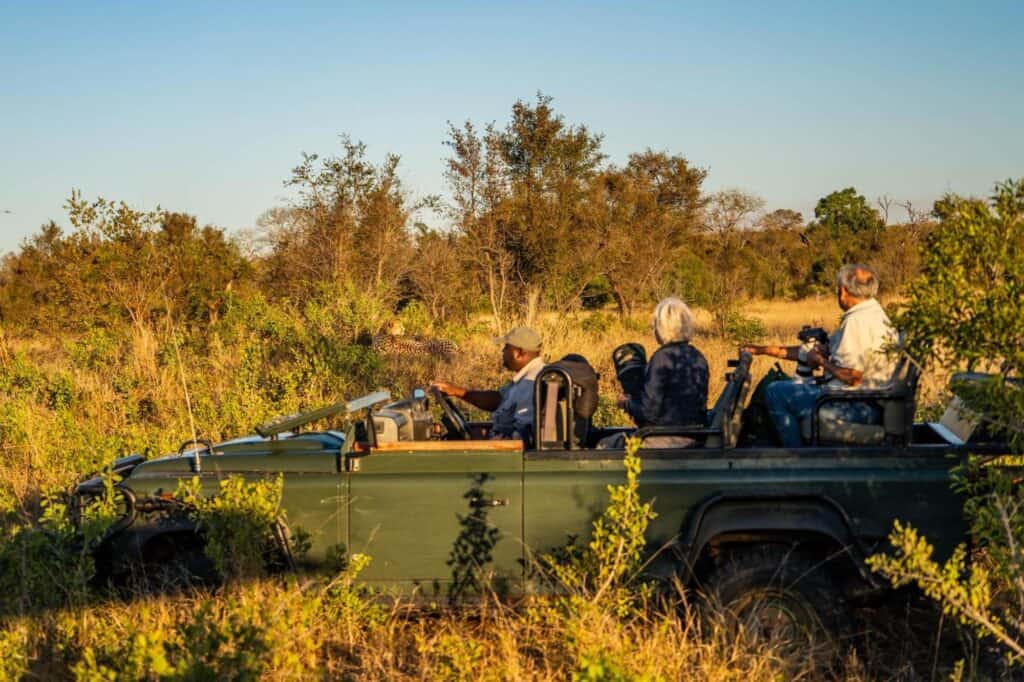
Guided safaris place wildlife tracking and navigation in the hands of professional guides.
Depending on the safari type, guides handle:
- Driving
- Wildlife tracking
- Route planning
- Road Safety
- Wildlife interpretation
Overall, you only have to focus on the experience.
Benefits of Guided Safaris
- Expert wildlife knowledge
- Help spotting wildlife sooner
- Less planning
- Reduced driving fatigue
- Educational experience
Many first-time visitors are surprised by how much wildlife guides notice that they would have driven past themselves.

Cost Comparison
For many travellers, cost is where the decision begins.
Working Out the Cost of a Self-Drive Safari
Typical expenses include:
- Vehicle rental
- Fuel
- Conservation fees
- Accommodation
- Meals
Typical Cost Breakdown
Expense | Self-Drive |
Vehicle Rental | Required |
Fuel | Required |
Accommodation | Flexible |
Meals | Usually separate |
Guide Fees | None |
If affordability is one of the major decision criteria, a self-drive safari is typically the winner. You are self-driving and paying for park admission costs but not paying for a guide or planned tour.
Guided Safari Costs
Guided safaris often include:
- Transport
- Professional guide
- Park entry fees
- Game drives
- Accommodation (depending on package)
- Some meals
Typical Cost Breakdown
Expense | Guided Safari |
Transport | Often included |
Professional Guide | Included |
Wildlife Tracking Expertise | Included |
Planning | Included |
Logistics | Included |
The upfront cost is higher, but much of the organisation is handled for you.
Wildlife Sightings: Which Option Performs Better?
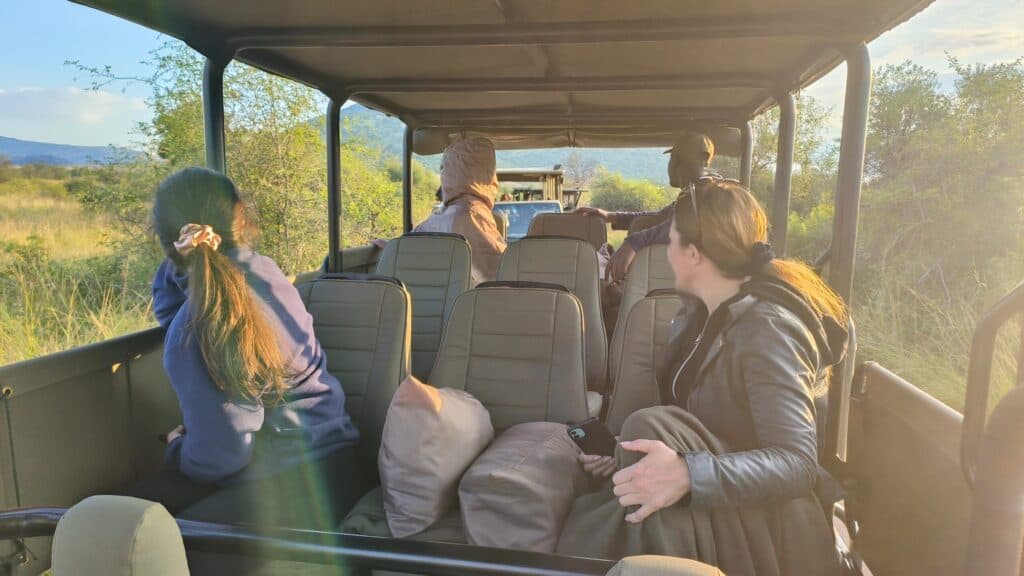
This is usually one of the most important questions that visitors to the park may ask.
Why Safari Guides Often Spot Animals Before Visitors Do
A guide does not learn Kruger from one good drive. Most of that knowledge comes from being out in the bush almost every day.
They understand:
- Animal behaviour
- Seasonal patterns
- Predator territories
- Bird calls
- Tracking signs
Guides can often spot wildlife long before guests do.
Guided Safari Wildlife Advantages
Advantage | Benefit |
Animal Tracking | Better sighting opportunities |
Experience | Faster wildlife detection |
Radio Networks | Shared wildlife information |
Behaviour Knowledge | Improved positioning |
This can make a noticeable difference, especially during shorter safaris.
Self-Drive Wildlife Advantages
Self-drive visitors benefit from:
- Unlimited time at sightings
- Freedom to revisit productive roads
- Flexible schedules
- Personal discovery
Some travellers find spotting wildlife themselves especially rewarding.
Wildlife Comparison
Wildlife Factor | Self-Drive | Guided Safari |
Big Five Opportunities | Very Good | Excellent |
Predator Tracking | Moderate | Excellent |
Bird Identification | Limited | Excellent |
Wildlife Learning | Moderate | Outstanding |
Flexibility at Sightings | Excellent | Good |

Safety Comparison
Kruger is generally safe when visitors follow park rules. However, guided safaris provide an additional layer of expertise.
Safe Self-Driving Starts Before You Even Enter the Gate
Visitors are responsible for:
- Navigation
- Timing
- Road awareness
- Wildlife distances
- Camp arrival times
If you organise your day well, most self-drive safaris are straightforward enough. Trouble begins when people attempt to do too much or take park restrictions as recommendations.
Guided Safari Safety Advantages
Guides understand:
- Animal behaviour
- Safe viewing distances
- Road conditions
- Weather impacts
- Emergency procedures
Safety Comparison
Safety Factor | Self-Drive | Guided Safari |
Navigation | Self-managed | Guide-managed |
Wildlife Knowledge | Variable | Expert |
Emergency Preparedness | Visitor responsibility | Professional support |
Overall Confidence | Moderate | High |
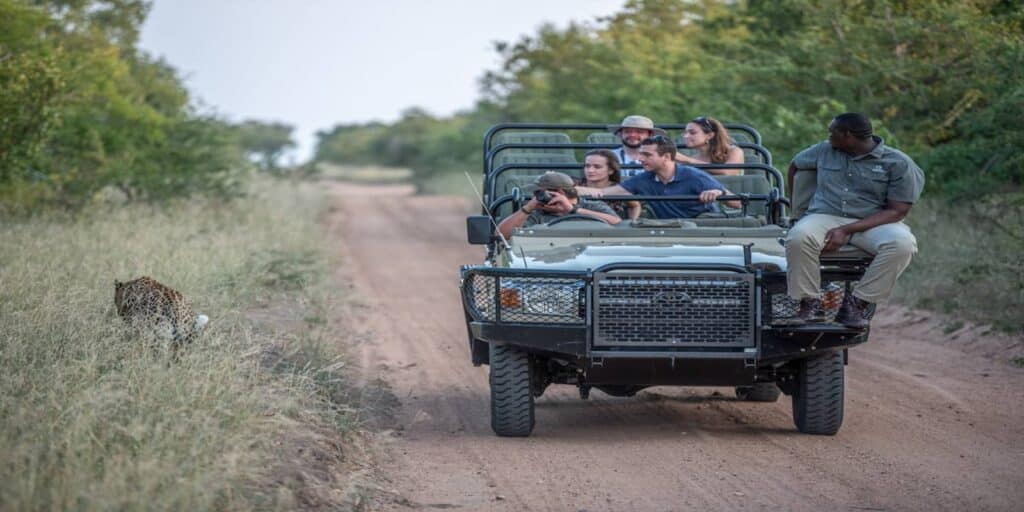
For a first Kruger trip, a guided Kruger Park day tour can take much of the driving, navigation and route-planning pressure out of the day.
Choosing the Right Safari for Photography
Photography can influence the decision significantly.
Self-Drive Photography
Advantages include:
- Freedom to stop
- Flexible timing
- Repeat visits to productive locations
Challenges include:
- Driving and photographing
- Limited wildlife interpretation
- Missed opportunities
Guided Safari Photography
Advantages include:
- Guide focused on finding wildlife
- Better vehicle positioning
- Photography advice
- More time focused on subjects
Self-Drive or Guided: Which Works Better for Photography?
Photography Factor | Self-Drive | Guided Safari |
Flexibility | Excellent | Good |
Wildlife Detection | Moderate | Excellent |
Learning | Limited | Outstanding |
Photography Support | Moderate | Excellent |

What Works Best on a First Kruger Safari?
On a first Kruger safari, a guide can take a lot of the guesswork out of the day. A guide can help with:
- Understand animal behaviour
- Learn the park layout
- Identify species
- Improve wildlife sightings
With guidance, the learning curve becomes much easier.
What Guides Usually Recommend
A guided safari is often the softer landing for a first Kruger visit. You learn how the park works, and then a later self-drive trip feels less like guessing your way around.
Which Option Is Better for Families?
Self-Drive Advantages
- Flexible schedules
- Child-friendly pacing
- Lower costs
- Private space
Guided Safari Advantages
- Less stress
- Educational experience
- No navigation responsibilities
- Better wildlife interpretation
A guided safari might ease some of the burden for families with small children. Parents will have more time to help children spot animals and enjoy the trip rather than focusing on the road.

Pros and Cons of Self-Drive Safaris
Pros
- Affordable
- Complete flexibility
- Independent experience
- Unlimited route choices
- Excellent for repeat visitors
Cons
- More planning required
- Harder to spot wildlife
- Driving fatigue
- Less wildlife interpretation
Pros and Cons of Guided Safaris
Pros
- Better wildlife sightings
- Professional guides
- Less stress
- Educational experience
- Easier logistics
Cons
- Higher cost
- Less route flexibility
- Shared schedules
- Less independence
Safari Scenarios
Traveller Type | Best Option |
First-Time Visitor | Guided Safari |
Those with a Budget | Self-Drive |
Those who Photograph Wildlife | Guided Safari |
Repeat Visitor | Self-Drive |
Family with Young Children | Guided Safari |
Independent Traveller | Self-Drive |
Birdwatcher | Guided Safari |
Short Safari Visitor | Guided Safari |
Guest Reviews
⭐⭐⭐⭐⭐
Daniel – Germany
” My very first trip to Kruger was with a guide, and I saw a lot more than I expected I would. The guide saw tracks and bird calls and pointed out little things I would have missed. The following time, I drove myself and liked going at my own pace. Both trips were amazing, but memorable in different ways.”
Final Verdict: Self-Drive or Guided Safari?
There’s no incorrect decision between a solo drive and a guided safari. It really depends on what you want from your visit to the Kruger National Park. Some like to plan the day, choose the routes, and see what comes around the next bend.
Others like to hand over the reins of driving and spend their day monitoring the bush while someone else imparts information that is possible to overlook without years of expertise.
Frequently Asked Questions
Is a self-drive safari safe in Kruger National Park?
Yes. Thousands of people drive through Kruger every year without any incident. A safe self-drive experience is about obeying the park laws, staying inside the vehicle in specified locations, and respecting animals.
Do guided safaris see more animals?
Frequently, yes. A skilled guide understands where they should slow down, what indicators to look for, and when it’s worth pursuing animal activity.
Is self-driving cheaper than a guided safari?
Yes. Self-driving usually costs less because you’re paying for your own vehicle, fuel, park fees, and timing, instead of a guided safari vehicle, guide, and hosted experience.
Can first-time visitors self-drive in Kruger?
Yes. Kruger is straightforward enough for self-drivers on the major tourist routes for a first-timer. If you want to feel more confident about routes, time, and wildlife sightings, a guided safari could be worth considering.
Do you need a 4x4 for a self-drive safari?
No. You can do a Kruger self-drive safari in a regular passenger car. The main public roads are ideal for normal visitor traffic.
Are guided safaris worth the extra money?
Yes, if you want more than a drive through the park. A professional guide can spot details most visitors miss and make the safari easier.
Which option is better for photography?
For photography, a guided safari can help if you want someone spotting ahead and placing the vehicle well. A self-drive gives you more freedom to spend more time at a sighting.
Can I combine both options?
Yes. You can self-drive when the gates are open, then join a guided drive for early morning or sunset when you want a guide.