
Timbavati Private Nature Reserve

Timbavati Private Nature Reserve offers travellers a quieter Greater Kruger safari experience, with Big Five wildlife, guided game drives and a strong conservation heritage.

Timbavati Private Nature Reserve is an iconic conservation area situated in South Africa’s Lowveld region.

This reserve forms part of the Greater Kruger National Park and contributes to the vast Kruger 2 Canyons UNESCO Man and Biosphere system.

With over 53,000 hectares of wilderness, Timbavati is home to diverse wildlife, including the Big Five, and is renowned for its rare white lions. The reserve is a key player in the Great Limpopo Transfrontier Conservation Area (GLTFCA), a cooperative project linking South Africa, Mozambique, and Zimbabwe in efforts to protect biodiversity and promote sustainable use of natural resources.

Explore the Timbavati Private Nature Reserve with MoAfrika Tours and spend your time in the bush rather than worrying about the logistics. Timbavati is known for its strong wildlife viewing, open bushveld and excellent safari opportunities. With an experienced guide leading the way, you can focus on tracking animals and taking in the reserve while MoAfrika handles the practical side of the trip.

Timbavati Private Nature Reserve – are they worth visiting?

Yes, Timbavati is a great option if you want a proper Greater Kruger safari. The reserve has unfenced borders with Kruger National Park, so animals can move freely between the two areas. That gives you a huge stretch of bush to explore, with good chances of seeing the Big Five on guided game drives and walks.

MoAfrika Tours offers Timbavati safari packages for different budgets, including multi-day trips, luxury stays and transfers. It’s a good fit if you want the safari itself to be the focus without having to arrange every part of the trip yourself.

If you want strong wildlife viewing, experienced guides and a quieter safari setting than some of the busier parts of the Greater Kruger, Timbavati is worth considering.

A Rich History

Timbavati’s history is deeply intertwined with the broader conservation efforts in South Africa. One of the most significant moments in the reserve’s history came in 1993 when the fences separating Timbavati from the Kruger National Park were removed.

This decision opened the area up to wildlife migration, effectively integrating it into the Greater Kruger National Park and increasing the overall conservation area by 184,000 hectares.

The removal of fences between Timbavati and the neighbouring Thornybush Reserve added another 14,500 hectares to the landscape. This bold initiative encouraged the free movement of animals, including elephants, lions, and other species, allowing for a more natural ecosystem.

This cross-boundary cooperation has been essential in creating a unified conservation zone in which the animals can roam freely across reserves, promoting genetic diversity and healthier wildlife populations.
 

The Reserve’s Size and Importance

Timbavati Private Nature Reserve - MoAfrika Tours

Timbavati Private Nature Reserve is part of the Associated Private Nature Reserves (APNR), which includes several neighbouring reserves such as Klaserie, Umbabat, Balule, and Thornybush.

Together, these reserves form part of the 184,000-hectare Greater Kruger National Park, which is connected to the world-famous Kruger National Park. Timbavati alone covers more than 53,000 hectares of land, with its varied landscape offering habitats for a wide range of animal and plant species.

The importance of Timbavati lies not just in its contribution to wildlife conservation but also in its role within the GLTFCA, a conservation area that spans three countries. This transboundary project enhances biodiversity protection while fostering collaboration among South Africa, Mozambique, and Zimbabwe, making Timbavati an integral part of a larger conservation effort.


The Fauna and Flora of Timbavati

The Timbavati Private Game Reserve is home to an impressive array of wildlife. It is best known for its populations of the Big Five—lion, leopard, rhinoceros, elephant, and buffalo—making it a top destination for safari enthusiasts. The rare white lions of Timbavati are particularly famous and have become a symbol of the reserve’s commitment to protecting endangered species.

In addition to the Big Five, Timbavati hosts various other species, including cheetahs, hyenas, zebras, giraffes, and a rich variety of bird species. Endangered species such as the black and white rhinoceros, pangolins, and southern ground hornbills also thrive within the reserve.

Conservation programmes within Timbavati, such as anti-poaching units and wildlife monitoring, play a crucial role in ensuring the long-term survival of these species.

The flora of Timbavati is equally diverse, with typical Lowveld vegetation including bushveld, grasslands, and riverine forests. The natural landscape supports a variety of tree species, including marula trees, knobthorns, and acacias, which provide essential food and shelter for the reserve’s wildlife.
 

Conservation and Sustainable Tourism

timbavati bateleur camp

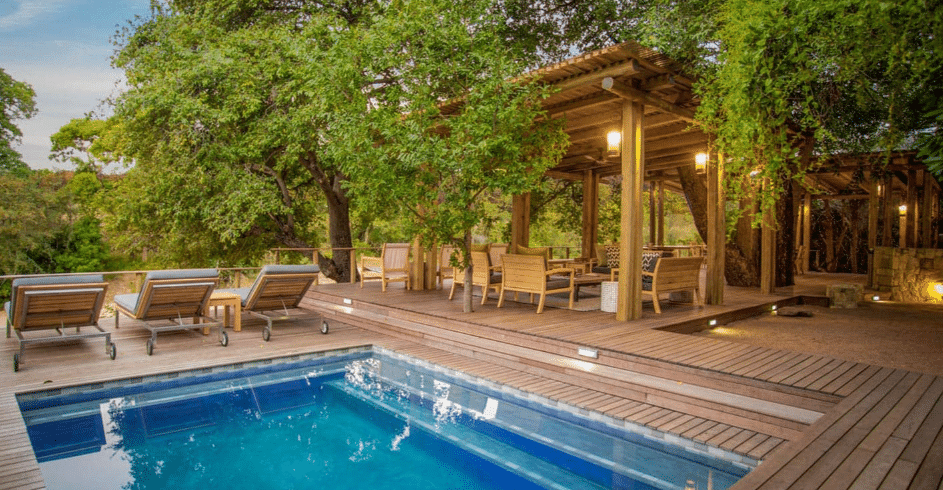
One of the core missions of Timbavati is to balance conservation with sustainable tourism. The reserve is home to several luxury lodges that offer high-end safari experiences, attracting both local and international tourists.

Safari lodges, such as Simbavati River Lodge and Simbavati Hilltop Lodge, are set within the reserve, offering guests the opportunity to experience close encounters with wildlife while contributing to the local economy.

This responsible tourism model provides significant employment opportunities for neighbouring communities and generates the revenue necessary to fund conservation efforts. Additionally, the Timbavati Foundation, an outreach initiative, runs educational programmes for schoolchildren in the surrounding areas and promotes sustainable farming practices and environmental awareness.


Management and Research

The Timbavati Private Nature Reserve is professionally managed to maintain its status as a leading conservation area. The management authority is responsible for protecting wildlife, enforcing anti-poaching measures, and overseeing tourism activities.

Research is a key part of the reserve’s operations, with Timbavati supporting various projects aimed at understanding and improving conservation practices.

Researchers study everything from predator-prey dynamics to the movements of endangered species, contributing valuable data that informs both local and global conservation strategies. Through these efforts, Timbavati continues to play a crucial role in preserving South Africa’s natural heritage.


The Timbavati Foundation

The Timbavati Foundation is a critical extension of the reserve’s conservation mission. It focuses on supporting local communities by providing essential services such as boreholes for clean water and sustainable farming techniques.

The foundation also educates youth about the importance of conservation and wildlife, fostering a sense of stewardship for future generations. By involving local communities, the foundation helps to create a culture of conservation that benefits both people and wildlife.

Timbavati Private Nature Reserve stands as a testament to the power of collective action in conservation. From its origins in the 1950s to its integration into the Greater Kruger National Park, Timbavati has grown into a model of sustainable wildlife protection and community engagement.

Its vast landscapes, thriving wildlife populations, and dedication to preserving endangered species make it one of South Africa’s most significant conservation areas. As part of the broader Great Limpopo Transfrontier Conservation Area, Timbavati continues to be a vital player in global biodiversity efforts, offering a unique and rewarding experience for those who visit its pristine wilderness.


 

Origins and Ownership

Timbavati Private Nature Reserve has a rich history dating back to the 1950s when it was established by a group of visionary landowners.

Concerned about the negative impact of poor land use on wildlife, these individuals formed the Timbavati Association in 1956 with the aim of preserving the natural environment. Initially modest in size, the reserve has grown significantly over the decades and now spans 53,396 hectares.

The land is owned by 47 private landowners who, through the association, manage the area in accordance with a shared constitution. This non-profit organisation is fully dedicated to maintaining the ecological integrity of the region and ensuring the conservation of its flora and fauna for future generations.

The ownership of the reserve remains with these private individuals, but management responsibilities are handled by a dedicated authority within the Timbavati Private Nature Reserve (TPNR).

This body oversees all aspects of security, land care, wildlife management, and tourism, ensuring the sustainability of the reserve’s ecosystem.

timbavati 5 day Luxury kruger park safari

Timbavati Private Nature Reserve comparisson with other Game reserves

FeatureTimbavati Private Nature ReserveSabi Sand Nature ReserveManyeleti Game Reserve
LocationLimpopo Lowveld, next to Kruger National ParkBetween the Sabie and Sand Rivers, next to KrugerMpumalanga, between Timbavati and Sabi Sand
Size556 km² / 55,600 haAlmost 50,000 ha23,000 ha
Connection to KrugerUnfenced border with Kruger, so wildlife can move freely between the reservesUnfenced with Kruger since 1993Unfenced border with Kruger
Big FiveYes, with strong opportunities for Big Five sightingsYes, and one of the best-known Big Five safari areasYes, with good Big Five viewing
Leopard sightingsGood chance of seeing leopardParticularly well known for leopard sightingsGood leopard-viewing opportunities
Safari experienceA good fit for travellers looking for a more natural, wilderness-focused safariMore established, with a strong focus on high-end safari experiencesQuieter and less commercial than some of the better-known reserves
CrowdsUsually has a more private feelPopular sightings can attract several vehiclesA good choice if avoiding busy safari areas is a priority
AccommodationSafari lodges and camps at different price pointsWide range of well-known luxury safari lodgesSmaller selection of lodges, giving the reserve a more intimate feel
BirdlifeExcellent birdlife and overall biodiversityRich birdlife alongside its wildlifeMore than 300 bird species have been recorded
ConservationStrong focus on protecting the wilderness, wildlife security and anti-poachingMajor conservation work, including rhino protection and community initiativesFocused on protecting its wilderness and wildlife
Best forTravellers who want an authentic Greater Kruger safariLuxury travellers and serious wildlife enthusiastsTravellers looking for a quieter safari away from the main tourist routes
Overall characterWild, spacious and authenticEstablished, luxurious and well knownQuiet, intimate and off the beaten track

Customer Reviews

1. Tresa Sherin, (USA)

⭐⭐⭐⭐⭐

“Fantastic experience with MoAfrika and our guide Petrus was so good. We had so many great sightings thanks to him.”

2. Dárika R, (Brazil)

⭐⭐⭐⭐⭐

“It was perfect. Our guides Moloko and Petrus were fantastic, always looking after everyone’s comfort and making sure we had the best possible experience.”

3. Enrico M, (Italy)

⭐⭐⭐⭐⭐

“Excellent choice! Our guide Petrus was excellent and made our experience unique with his knowledge and relaxed explanations.”

Frequently Asked Questions

What is the best time of year to visit Timbavati Private Nature Reserve?

May to September is usually a good time to visit Timbavati. These are the dry winter months, so the vegetation is thinner and wildlife tends to spend more time around water. That can make animals easier to spot on game drives.

Timbavati is home to the Big Five: lion, leopard, elephant, rhino and buffalo. You’ll also see plenty of other animals and birdlife. Sightings are never guaranteed, of course, but the reserve offers some very good opportunities to see wildlife in its natural habitat.

You can drive from Johannesburg or Pretoria, although it’s a long road trip and can take several hours. If you’d rather leave the driving to someone else, MoAfrika Tours offers transfers and safari packages that take care of the transport and other trip logistics.

Most Timbavati safari packages include guided game drives, with some lodges also offering bush walks and other activities. A good guide does more than point out animals. They’ll help you understand tracks, plants, animal behaviour and what’s happening around you in the bush.

There isn’t one fixed price. The cost depends on how many nights you stay, where you stay and what’s included in the package. MoAfrika Tours has different Timbavati options, including shorter trips and more upmarket stays, so the right choice will depend on your budget and how much time you have.