
Many travellers know Kruger National Park, but fewer realise that some of Southern Africa’s most exclusive wildlife experiences take place just beyond its public roads.
Timbavati Private Nature Reserve shares an open boundary with Kruger National Park. Animals can move through the wider Greater Kruger ecosystem, while visitors experience the bush through professionally guided game drives from private safari lodges and carefully managed low-impact tourism.
The reserve is known for excellent Big Five wildlife viewing with experienced guides and trackers, low visitor density and its internationally recognised white-lion heritage. Accommodation ranges from understated bush camps to some of Greater Kruger’s most exclusive luxury lodges.
MoAfrika Tours offers three-, four- and five-day Timbavati safari packages, including affordable Kruger-and-Timbavati combinations and premium stays at RockFig Safari Lodge and Tanda Tula Safari Camp.
Need more Info?
No results available Reset filters?
Yes. Timbavati is one of Greater Kruger’s leading private safari destinations.
The reserve offers Big Five wildlife viewing with highly experienced guides, luxury lodges and fewer vehicles than the public areas of Kruger National Park. The reserve is also famous for its naturally occurring white lions, although seeing one is never guaranteed.
Timbavati is particularly well suited to couples, photographers, honeymooners, wildlife enthusiasts and travellers who want a professionally guided alternative to a public self-drive safari.
MoAfrika Tours has more than 20 years of experience arranging South African safaris. Our Johannesburg-based team coordinates accommodation and safari activities with transfers and travel.
We help travellers compare their options so they can choose the experience that best matches their priorities.
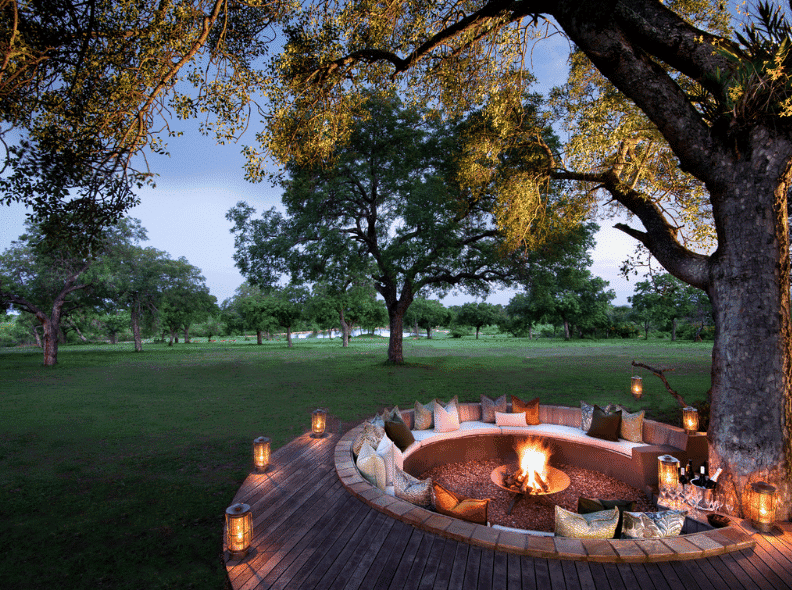
Timbavati offers the wildlife of Greater Kruger with the structure and intimacy of a private-reserve safari.
Travellers choose Timbavati for:
Timbavati’s value lies in the complete experience: the reserve, the guiding, the lodge and the time available to observe wildlife without rushing.
Feature | What to expect |
Location | Greater Kruger, north-eastern South Africa |
Reserve size | Approximately 556 km² |
Wider ecosystem | Open wilderness connected to Kruger National Park |
Reserve type | Privately managed nature reserve |
Lodges | 18 fully inclusive lodges and four self-catering camps |
Wildlife | Big Five and approximately 147 mammal species |
Birdlife | Approximately 360 recorded species |
Famous for | White-lion heritage and low-impact private safaris |
Safari format | Guided open-vehicle game drives |
Self-driving | Not available in the same way as public Kruger |
Nearest airport | Hoedspruit Eastgate Airport |
Access | Road transfer or regional flight and lodge transfer |
Recommended stay | Three to four days for most visitors |
Dry season | Generally May to September |
Green season | Generally October to April |
Malaria | Timbavati lies within a malaria-risk region |
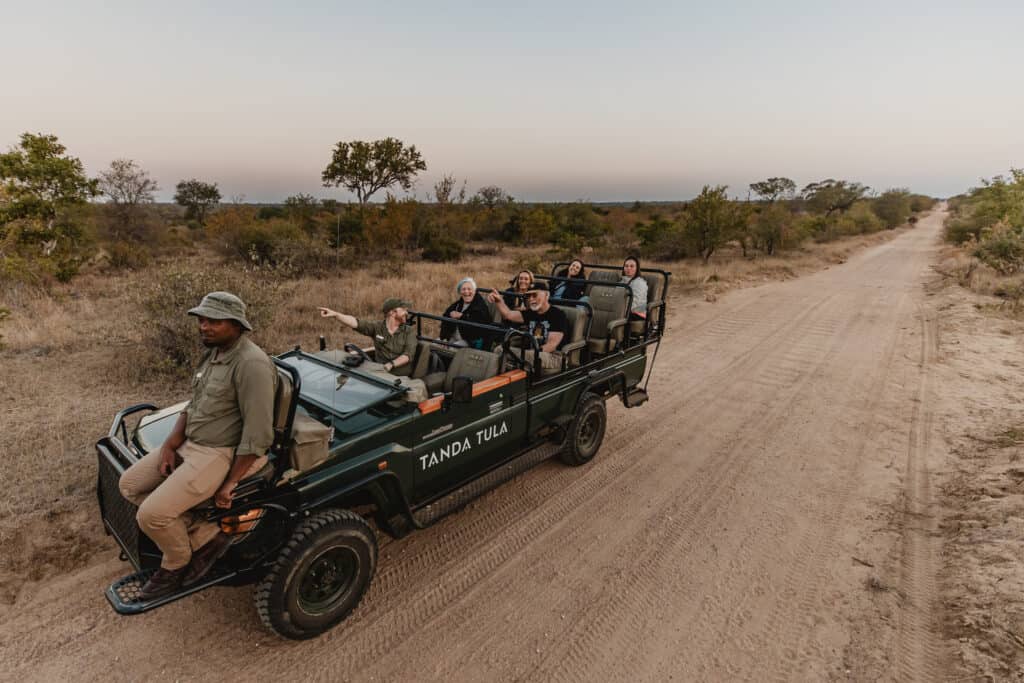
Timbavati forms part of a much larger unfenced wilderness that includes Kruger National Park and neighbouring private reserves.
The reserve states that this connected region extends across approximately 38,823 km². Wildlife can move in response to water, food, territory and seasonal conditions rather than being confined to a small, fenced property.
This means that Timbavati guests encounter free-ranging wildlife. It also means that animals seen one week may move elsewhere the next.
Timbavati currently has 18 fully inclusive lodges and four self-catering camps spread across approximately 556 km², making it one of South Africa’s lowest densities of lodges and visitors per square kilometre.
Lodges must follow the reserve’s ethical operating requirements, intended to reduce tourism’s effect on wildlife and the environment.
Guided drives are central to the Timbavati experience. Guides interpret animal behaviour, habitats, tracks, plants and the ecological relationships that are easy to miss on an unguided drive.
Trackers add another element of practical field knowledge, helping to identify signs left by animals and determine how recently they passed through an area.
Guides may leave established roads for selected sightings where reserve rules and conditions allow. This can improve viewing and photography, particularly when following a predator. Off-road access is not unrestricted. Guides must consider vegetation and the welfare of wildlife.
Timbavati contains several highly regarded luxury lodges, but the reserve’s strongest asset remains its low-density natural setting. Premium accommodation adds comfort and service without replacing the safari itself.
Timbavati’s work includes wildlife monitoring, habitat restoration, erosion repair, alien-plant control and anti-poaching operations.
The reserve forms part of a wider conservation region, so cooperation with neighbouring reserves, Kruger National Park and surrounding communities is essential.
Timbavati became internationally known for naturally occurring white lions. These animals are part of the reserve’s history, but are not a guaranteed sighting.
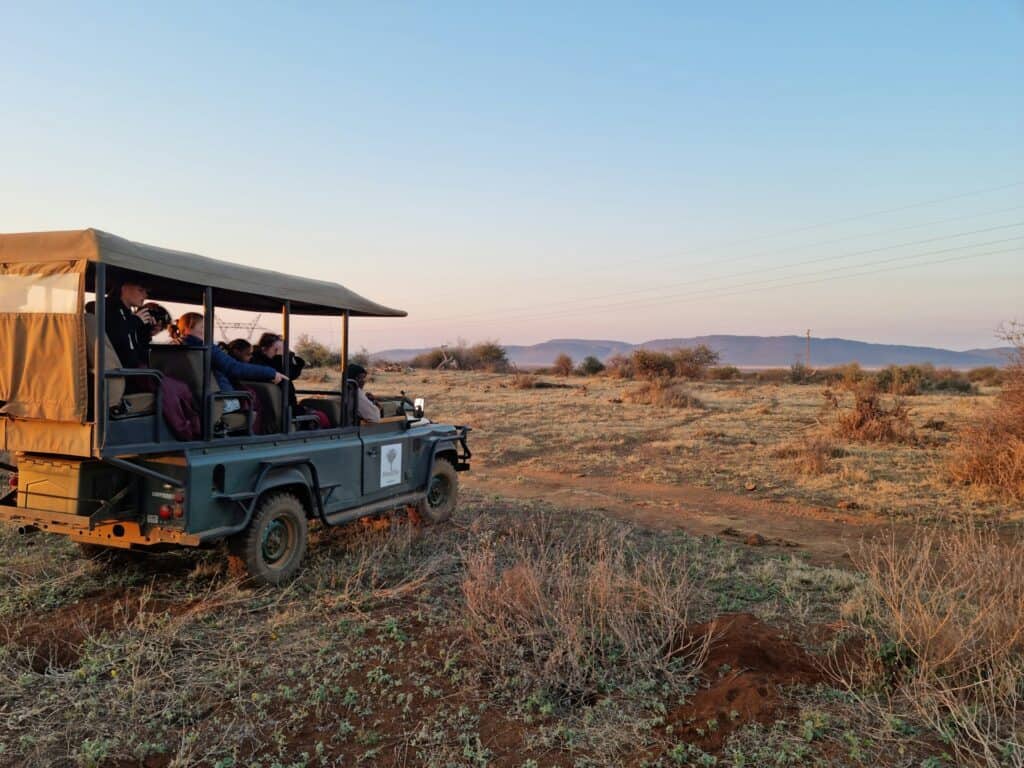
Timbavati supports approximately 147 mammal species and 360 bird species, along with reptiles, plants and smaller organisms that form the wider ecosystem.
Wildlife | What travellers should know |
Lion | Regularly recorded, including tawny lions and the reserve’s white-lion genetic heritage |
Leopard | Present throughout the reserve but naturally elusive |
Elephant | Herds and individual bulls move across the Greater Kruger landscape |
Buffalo | Seen in herds and smaller groups, often near water |
Rhino | Present, although location details may be restricted for security |
African wild dog | Packs use large territories and may move between reserves |
Cheetah | Possible in suitable habitat, but less predictable |
Hyena | Frequently encountered during early and late activities |
Giraffe, zebra and antelope | Widely distributed across the reserve |
Hippo | Associated with suitable rivers and waterholes |
Smaller mammals | Honey badgers, mongooses and other less conspicuous species occur |
Birdlife | Approximately 360 species, including raptors and water-associated birds |
Yes. Lion, leopard, elephant, buffalo and rhino all occur in Timbavati.
However, sightings are never guaranteed. The reserve is open to the wider ecosystem, and animals move naturally. Staying longer and joining several game drives creates more opportunities, but it does not create certainty.
A good guide also helps guests look beyond the Big Five. Wild dogs, hyenas, elephants interacting at water, birds of prey and smaller nocturnal animals can become equally memorable parts of a safari.
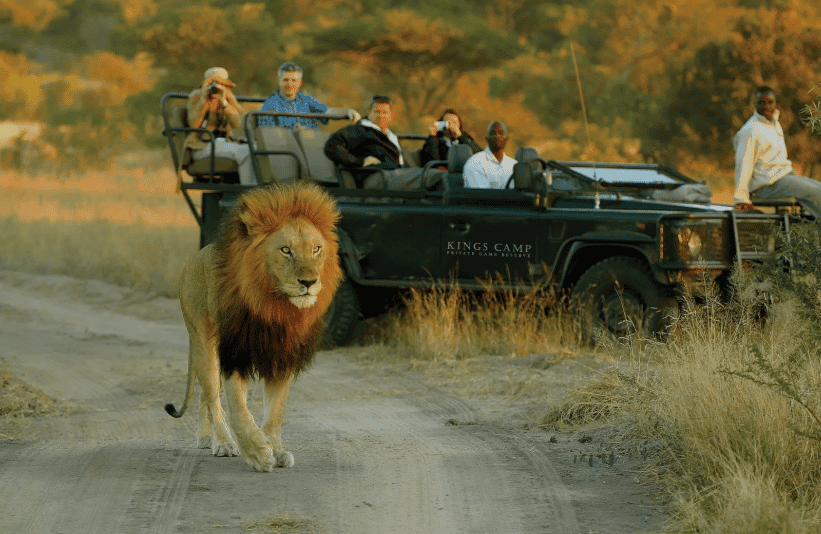
Timbavati became internationally known after white lions were documented in the region during the twentieth century. Their unusual appearance generated widespread interest and helped establish the reserve’s white-lion reputation.
White lions are not a separate lion species. They are African lions with a rare inherited colour expression.
No. Timbavati’s white lions are not albino. Their colouring results from the expression of a naturally occurring recessive genetic trait. They have pigment in their eyes, noses and other features, unlike animals with albinism.
The colour can range from pale blonde to a much lighter cream.
Yes. The genetic trait occurs naturally in the Timbavati and Greater Kruger lion population. Because the reserve is unfenced, lions carrying the trait can move through the wider ecosystem. A white cub is possible when the necessary genetic combination occurs, but such births are rare.
No. White lions are rare, free-ranging animals. There may be periods when no visibly white lions are present in the areas accessible to a particular lodge.
Travellers should choose Timbavati for its complete wildlife and conservation experience. A white-lion sighting, if it occurs, should be treated as an exceptional natural encounter.
Ethical wildlife tourism observes lions in their natural habitat without breeding them for visitor interaction or manipulating their movements.
Responsible lodges and guides:

The reserve’s accommodation is distributed across a large area. This reduces the number of guests and vehicles relative to many high-volume tourism destinations.
Private reserves generally use communication and sighting protocols to prevent too many vehicles from gathering around an animal. The exact rules vary by traversing area and lodge.
Smaller safari groups give guides more opportunity to understand what guests want from the experience.
A first-time visitor might want a broad introduction to the Big Five, while an experienced photographer may prefer to spend longer observing one animal’s behaviour.
The ability to use controlled off-road routes, continue selected drives after dark and explore lodge traversing areas with professional guides creates a different experience from ordinary public-road viewing.
Many Timbavati properties are small, with limited rooms or tents. This produces an intimate atmosphere and more personal service than a large hotel.
The middle of the day is left open for rest and wildlife watching from camp. A private-reserve safari is not meant to feel like a continuous race between attractions.
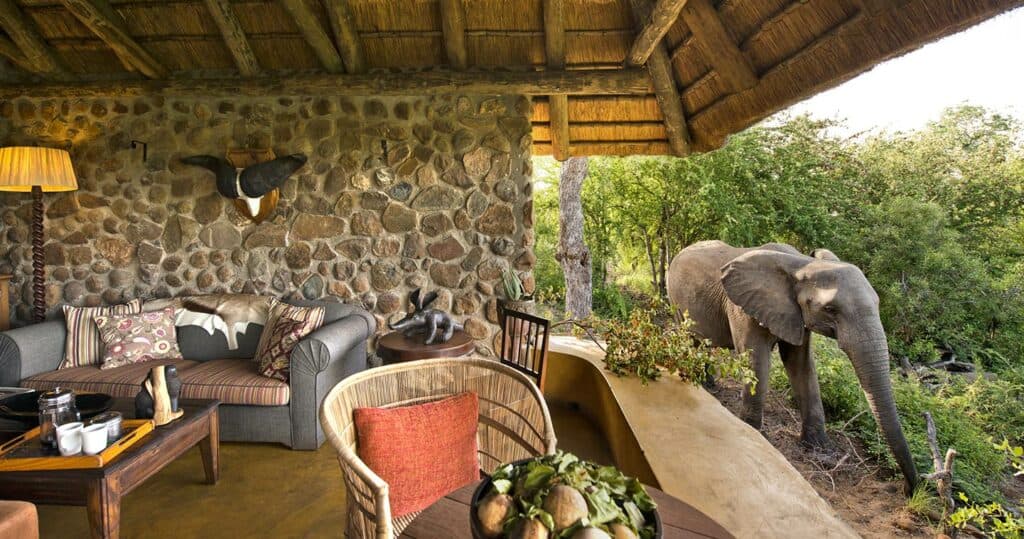
Factor | Timbavati | Kruger National Park |
Management | Private nature reserve | Managed by SANParks |
Ecosystem | Open to Greater Kruger | Core national-park wilderness |
Self-driving | Generally not available to ordinary lodge guests | A major part of the Kruger experience |
Guided safaris | Central to the stay | Available alongside self-driving |
Wildlife | Big Five and broad Greater Kruger biodiversity | Big Five across a much larger range of habitats |
Vehicle density | Low overall | Varies by season, camp and route |
Off-road viewing | Controlled access may be permitted | Not permitted for public self-drivers |
Accommodation | Safari lodges and camps | Rest camps, bush camps and concession lodges |
Luxury | Strong luxury-lodge selection | Available, but not across every camp |
Photography | Guided positioning and fewer vehicles | Flexible routes for self-drivers |
Cost | Generally higher | Much wider price range |
Best for | Guided, low-density private safaris | Independent travellers and broad exploration |
Choose Timbavati if you want a structured private-reserve safari with professional guiding and premium accommodation. Choose Kruger if you want to self-drive or travel at a lower cost.
Combining the two can provide an especially useful first safari: independent or guided exploration in Kruger followed by a private-reserve stay.

Factor | Timbavati | Sabi Sands |
Wildlife | Big Five and broad Greater Kruger movement | Big Five with a particularly strong leopard reputation |
White-lion heritage | Internationally associated with Timbavati | White lions may move through the wider ecosystem but are not the primary identity |
Luxury | Strong luxury and premium-luxury selection | Extensive luxury and ultra-luxury selection |
Lodge density | Low | Larger lodge selection and greater development |
Exclusivity | Low visitor density | Varies according to lodge and traversing area |
Leopard viewing | Excellent potential | Often considered particularly consistent |
Photography | Quiet drives and skilled guiding | Strong predator viewing and specialist options |
Pricing | Premium, with some comparatively affordable camps | Frequently commands high flagship-lodge rates |
Atmosphere | Conservation-led and spacious | Highly polished and internationally recognised |
Best for | Wildlife enthusiasts seeking space and variety | Luxury travellers prioritising leopard viewing and lodge choice |
Neither is universally better.
Timbavati may suit travellers wanting white-lion heritage and a more conservation-focused atmosphere. Sabi Sands may suit those wanting the largest selection of famous luxury lodges and its established leopard-viewing reputation.
The individual lodge and length of stay can matter as much as the reserve name.
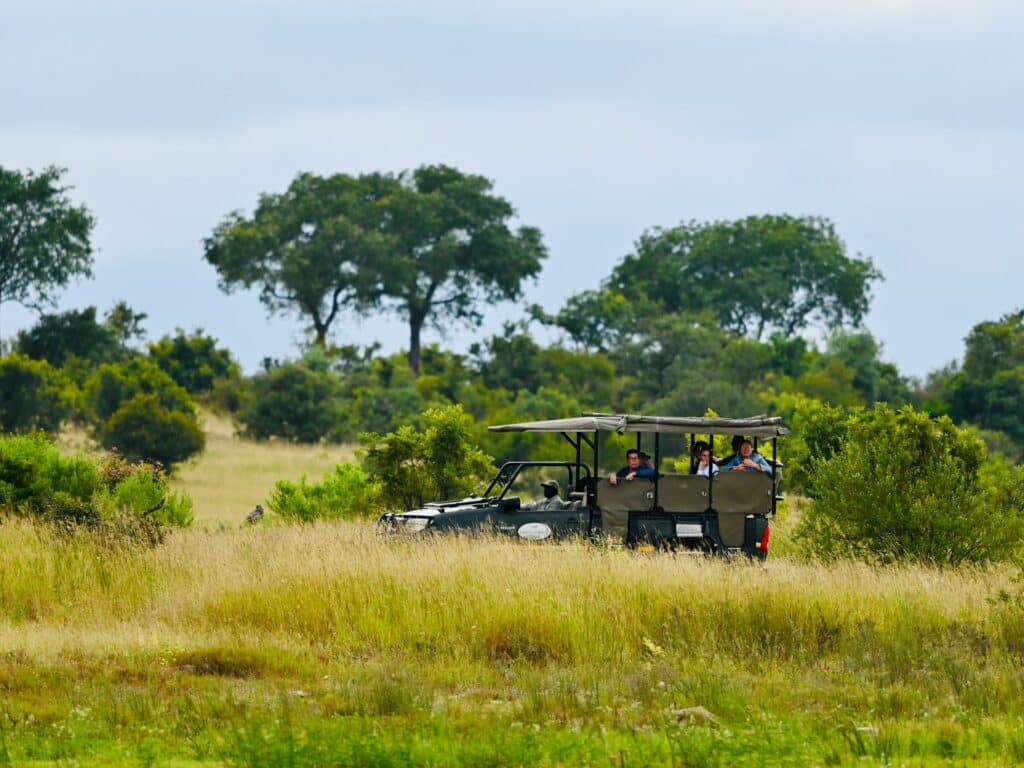
Factor | Timbavati | Manyeleti |
Wildlife | Big Five and extensive Greater Kruger biodiversity | Big Five and open Greater Kruger movement |
Size | Approximately 556 km² | Approximately 230 km² |
Accommodation | Wider range of fully inclusive lodges | Smaller, more limited lodge footprint |
Luxury | Strong luxury and premium-luxury choice | Intimate tented camps and selected luxury lodges |
Exclusivity | Low density for its size | Particularly quiet and undeveloped |
Pricing | Budget combinations through to premium luxury | Often offers lower-cost private-reserve options |
Atmosphere | Established and conservation-led | Understated, community-owned wilderness |
White-lion identity | Internationally recognised | Not a defining reserve feature |
Best for | Travellers wanting lodge choice and premium guiding | Travellers prioritising solitude and authenticity |
Choose Timbavati if you want a wider lodge selection and a more established premium safari offering. Choose Manyeleti if you prefer a community-owned reserve with a particularly quiet atmosphere.
Both share the Greater Kruger ecosystem, and neither can guarantee individual species.
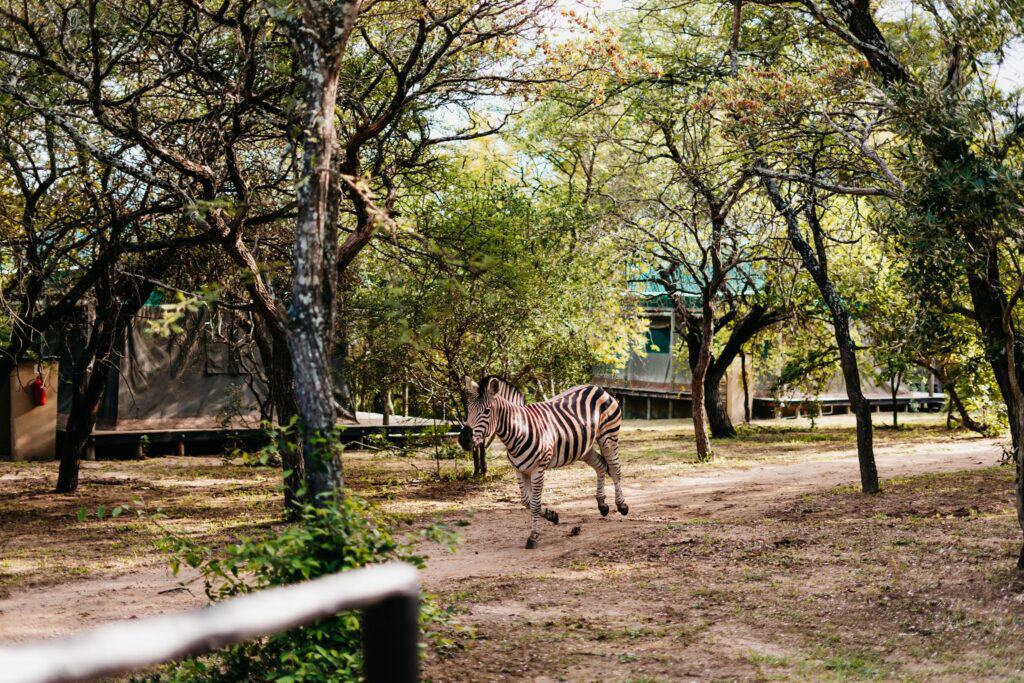
Timbavati is open throughout the year. Seasonal conditions influence visibility, temperature, birdlife, photography and pricing.
Winter generally brings little rain and lower humidity. Wildlife tends to gather near remaining water, making some animals easier to locate.
Advantages:
Considerations:
Summer rain turns the reserve green and supports abundant insect and bird activity. Many herbivores give birth during the warmer months.
Advantages:
Considerations:
The green season is particularly rewarding because resident species are joined by summer migrants. Rain also stimulates insect activity and changes the reserve’s water systems.
Choose the dry season for visibility and concentrations around water along with subdued winter tones. Choose the green season for saturated colour and bird photography.
Seasonal offers are more likely outside peak dry-season and festive travel periods. Rates depend on the individual lodge, so compare inclusions as well as the room price.
No season guarantees a white-lion sighting. Their presence depends on births and pride territories rather than a predictable annual tourism season.
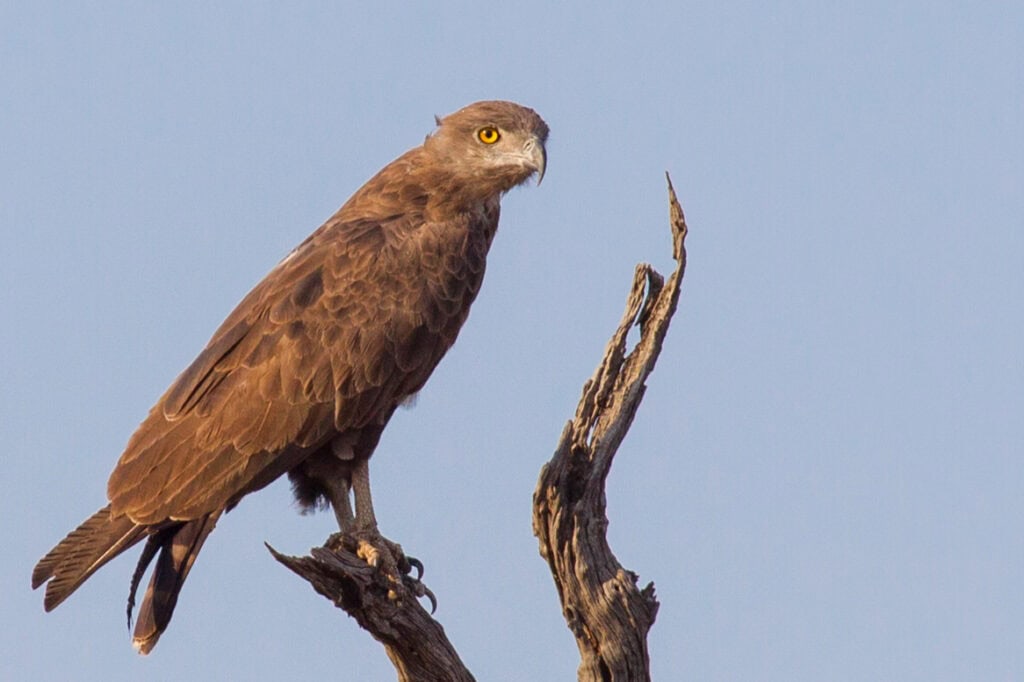
Luxury packages combine premium accommodation, meals, guided game drives and attentive lodge service. Many lodges also provide pools, private decks, spa treatments or wildlife-viewing areas.
Always check which drinks, transfers, conservation levies and additional activities are included.
Travellers can fly from Johannesburg or Cape Town to Hoedspruit Eastgate Airport and continue by road transfer to their lodge. Selected lodges may also use nearby private airstrips.
Flying reduces travel time and is useful for short holidays or itineraries combining Timbavati with Cape Town.
Timbavati’s small lodges with private suites and low visitor density make it a strong honeymoon choice.
Experienced guides with controlled off-road access and low vehicle density create good photographic conditions. A private vehicle offers greater control over positioning and time spent at sightings.
Several Timbavati lodges accept families and provide family suites or age-appropriate programmes. Minimum ages may apply to shared game drives and walking safaris.
Confirm the lodge’s current child policy rather than assuming every property is family-friendly.
Private packages can include exclusive road transfers, a private game-drive vehicle or an entirely customised itinerary. Confirm which parts of the safari are private.
Selected Timbavati camps offer guided walks led by appropriately qualified guides. These activities focus on tracks, plants, smaller wildlife and reading the terrain.
Walking safaris are subject to age, fitness, weather and safety requirements. They may be included, optional or central to the camp’s itinerary.

Duration: Three days and two nights
Accommodation: Affordable lodge or camp, as specified
Typical inclusions: Johannesburg transfers, accommodation, selected meals and listed guided activities
Best for: Travellers wanting a short and affordable Greater Kruger introduction
Highlight: Combines different wildlife-viewing environments without premium-lodge pricing
Because arrival and departure days include travel, compare the actual number and location of game drives before booking.
Duration: Four days and three nights
Accommodation: Budget or comfort-level safari property
Typical inclusions: Road transfers, accommodation, selected meals and guided game drives
Best for: First-time visitors wanting more time than a short weekend safari
Highlight: Better balance between transfer time and wildlife viewing
Duration: Five days and four nights
Accommodation: Affordable safari lodge or camp
Typical inclusions: Transfers, accommodation, meals and activities specified in the itinerary
Best for: Value-conscious wildlife enthusiasts
Highlight: More opportunities to experience changing conditions and different habitats
Duration: Three, four or five days
Accommodation: Exclusive luxury suites
Typical inclusions: Accommodation, meals, scheduled game drives and transfers as listed
Best for: Couples, honeymooners and travellers wanting a small luxury lodge
Highlight: Intimate accommodation and premium private-reserve guiding
Duration: Three, four or five days
Accommodation: Premium tented suites
Typical inclusions: Accommodation, meals, scheduled safari activities and specified transfers
Best for: Premium-luxury travellers and special occasions
Highlight: High-end tented accommodation with a strong wilderness focus
Package inclusions, conservation levies, flight arrangements and private-vehicle charges should be confirmed on the individual product page.
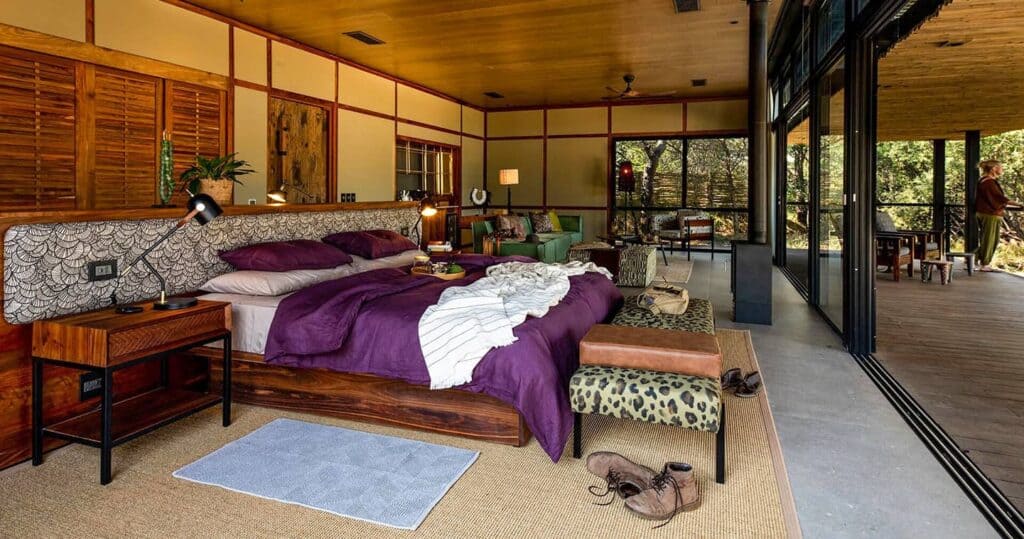
Style: Small, exclusive luxury lodge
Atmosphere: Private, contemporary and personal
Wildlife experience: Morning and afternoon guided drives in Timbavati
Best for: Couples, honeymooners and small groups seeking privacy
Style: Premium tented safari suites
Atmosphere: Refined but closely connected to the surrounding wilderness
Wildlife experience: Professionally guided drives and other activities according to the current programme
Best for: Premium-luxury travellers and special occasions
Style: Rustic, lower-impact bush accommodation
Atmosphere: Informal and traditional
Wildlife experience: Guided Timbavati activities with an emphasis on the surrounding environment
Best for: Travellers prioritising wilderness over luxury facilities
Style: Established safari lodge with family accommodation
Atmosphere: Comfortable and accessible
Wildlife experience: Guided drives and lodge-based wildlife viewing
Best for: Families and first-time private-reserve visitors
Style: Walking-focused camp
Atmosphere: Small, active and immersive
Wildlife experience: Guided walking forms an important part of the stay
Best for: Fit, experienced and walking-safari travellers
Age, medical, mobility and seasonal restrictions must be confirmed directly.
Style: Exclusive-use safari accommodation
Atmosphere: Private and highly personalised
Wildlife experience: Tailored activities according to the current lodge programme
Best for: Families or groups booking together
Style: Traditional tented bush camp
Atmosphere: Rustic and environmentally conscious
Wildlife experience: Guided game drives and close connection to the bush
Best for: Travellers seeking a less formal safari
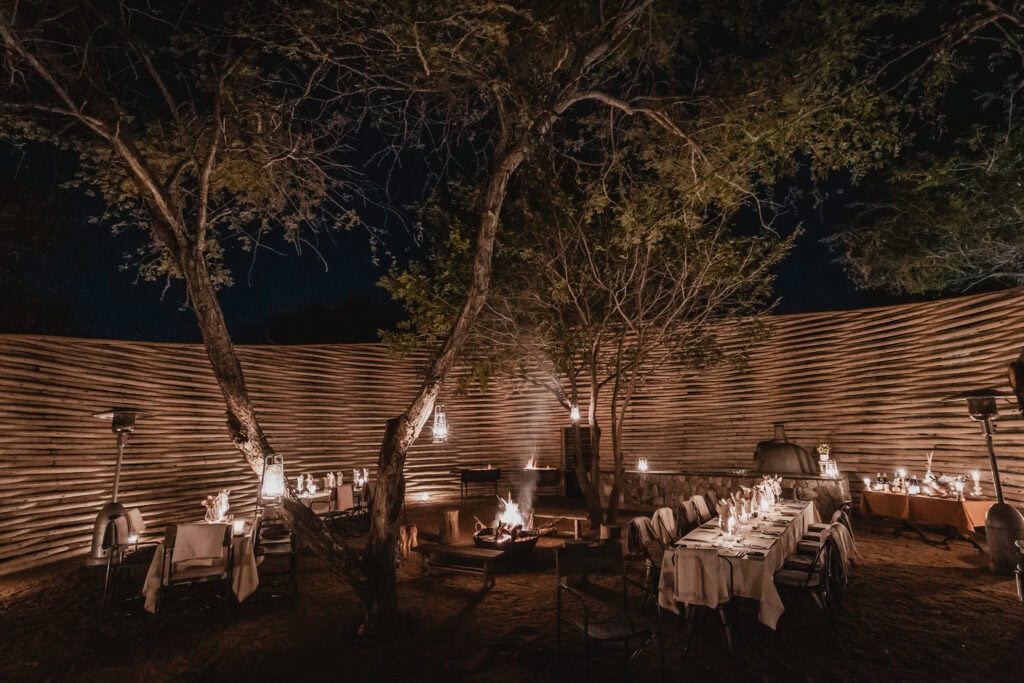
The schedule follows seasonal daylight and wildlife activity.
Daily arrangements vary. Weather, wildlife activity and guest safety can change the schedule.
This sample provides a general guide. The chosen package’s confirmed itinerary determines what is included.
Depart Johannesburg by scheduled road transfer or fly to Hoedspruit and continue to the lodge.
After arrival, complete check-in and the safari briefing. If timing permits, join an afternoon game drive before returning for dinner.
Wake before sunrise and depart with the guide and tracker. Explore the lodge’s traversing area, looking at tracks, habitats and recent wildlife activity.
Return for breakfast and spend the middle of the day relaxing. Join a guided walk if available and suitable or enjoy the lodge’s wildlife-viewing areas.
Depart again in the afternoon. The drive may continue after sunset before returning for dinner.
Join a final morning game drive if included. Return for breakfast, check out and transfer to Hoedspruit or begin the road journey to Johannesburg.
If connecting with another flight, allow sufficient time for weather, road and wildlife-related delays.
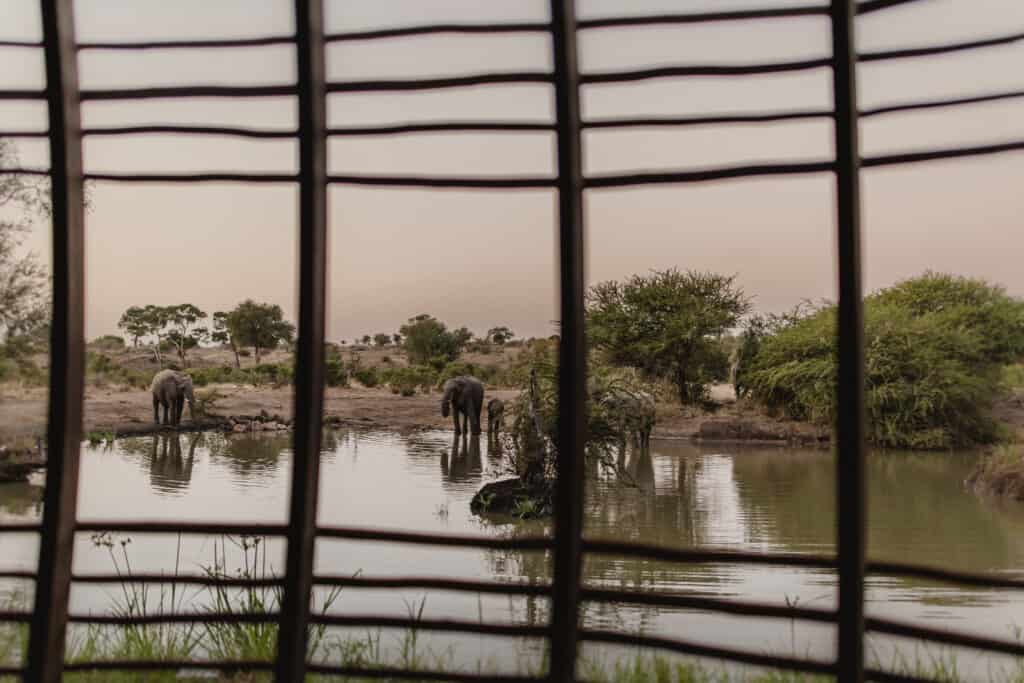
Timbavati includes affordable combination tours, luxury lodges and premium exclusive properties. Prices vary widely.
Safari category | What usually affects the price |
Budget combination | Shared road transfer, simpler accommodation and mixed Kruger/Timbavati itinerary |
Luxury | Premium suite, meals and twice-daily activities |
Premium luxury | Highly exclusive lodge, larger suite and higher service level |
Private safari | Dedicated vehicle, guide or road transfer |
Fly-in safari | Regional airfare and lodge transfer |
Walking safari | Specialist guide, limited group and camp format |
Exclusive-use lodge | Entire property or villa reserved for one group |
Peak season | Higher room and flight demand |
Single traveller | Single-room supplement |
Before comparing packages, establish:
Traveller | Why Timbavati may suit them | What to prioritise |
Luxury traveller | Strong premium-lodge selection | Suite, dining and exact inclusions |
Honeymooner | Small lodges and quiet atmosphere | Privacy and special arrangements |
Couple | Shared wildlife experience with relaxation time | Lodge style and transfer method |
Photographer | Guided positioning and low vehicle density | Private vehicle and equipment requirements |
First-time safari visitor | Professionally guided introduction | Three to four days |
Repeat safari visitor | Detailed guiding and quieter wildlife viewing | Smaller lodge and longer stay |
Wildlife enthusiast | Big Five and broader biodiversity | Guide quality and traversing area |
Family | Selected lodges offer family accommodation | Child policies and private drives |
International visitor | Coordinated lodge, transfer and safari arrangements | Flight connections |
Walking-safari traveller | Specialist camps offer guided walks | Fitness and age requirements |
Advantages | Possible limitations |
Open Greater Kruger ecosystem | Wildlife sightings are never guaranteed |
Big Five and strong biodiversity | White-lion sightings are rare and unpredictable |
Low lodge density | Generally costs more than a Kruger self-drive |
Professional guides and trackers | Ordinary self-driving is not available |
Controlled off-road viewing | Access depends on reserve and environmental rules |
Strong luxury accommodation | Premium lodges can be expensive |
Walking safaris at selected camps | Age and fitness restrictions apply |
Road and fly-in access | Road journey from Johannesburg is lengthy |
Conservation-led reserve management | Conservation levies may be charged separately |
Good for photographers | Shared vehicles limit individual control |
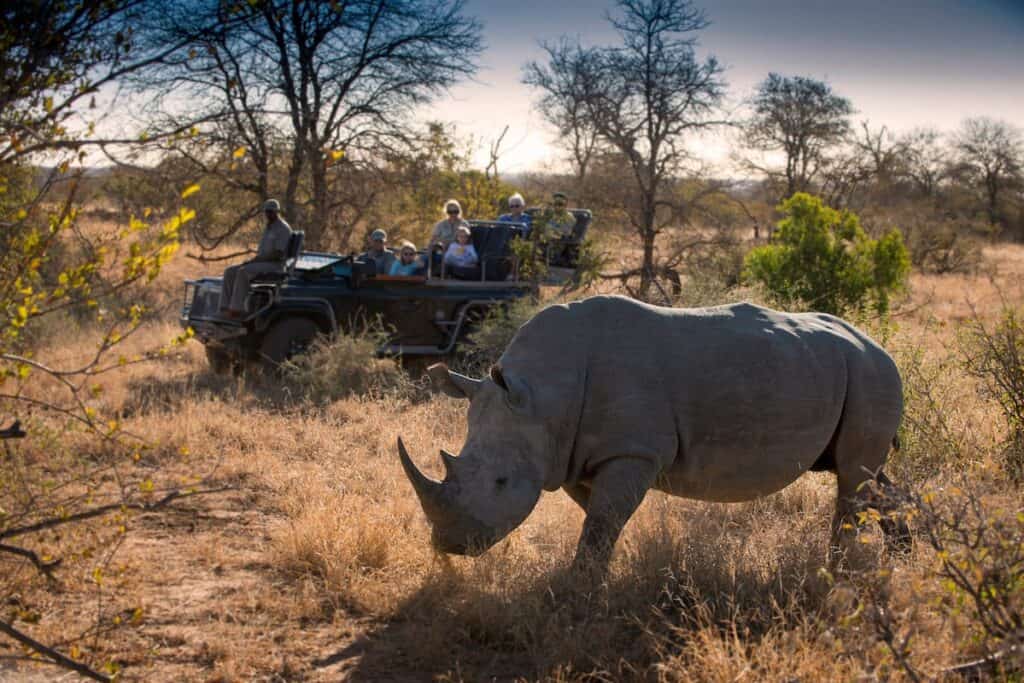
Pack comfortable layers suited to open safari vehicles:
Winter mornings can be cold even when afternoons are warm. Summer is hot and humid, with a greater likelihood of rain.
⭐⭐⭐⭐⭐
Asifa G. – Qatar
“We had an incredible experience with MoAfrica Tours during our recent holiday! Our guide was knowledgeable, friendly, and went above and beyond to ensure we had a memorable trip. The tour was well-organized, and we appreciated the attention to detail. We saw breathtaking sights, learned about the local culture, and enjoyed the warm hospitality. MoAfrica Tours truly made our holiday special. Highly recommended!”
The real value of Timbavati is found in the open wilderness and carefully selected accommodation.
Speak with a MoAfrika safari specialist for practical advice. We will help you compare lodge styles, package durations, transfers and inclusions to find a Timbavati safari that matches your travel style and wildlife interests as well as your budget.
No. Timbavati is a privately managed nature reserve within the open Greater Kruger ecosystem. It shares an unfenced boundary with Kruger, but it is not managed by SANParks.
Timbavati is known for Big Five wildlife, low-impact private safaris, luxury lodges, professional guiding and its naturally occurring white-lion heritage.
No. White lions are rare, free-ranging animals. There may be no visibly white lions within the accessible traversing area during your visit.
No. Their colouring results from a naturally occurring recessive genetic trait. They retain pigment and are not a separate lion species.
Not in the same way as Kruger National Park. Visitors normally explore Timbavati on professionally guided lodge game drives.
Timbavati offers lower lodge density and a spacious conservation-focused atmosphere. Sabi Sands offers a wider selection of famous luxury lodges and has an especially strong leopard-viewing reputation. Neither is universally better.
Timbavati supports lion, leopard, elephant, buffalo, rhino, wild dogs, cheetah, hyena, giraffe, zebra, antelope and approximately 360 bird species.
May to September generally offers cooler, drier conditions and clearer wildlife visibility. October to April provides green landscapes, young animals and excellent birding.
Three days offers an introduction, while four or five days provides more game drives and a better balance between wildlife viewing and relaxation.
Yes, at selected lodges. Confirm minimum ages, family-room options, game-drive policies and whether a private vehicle is required.
Travellers can drive from Johannesburg or fly to Hoedspruit Eastgate Airport and continue by road transfer. Some premium itineraries may use private airstrips.
Transfer time depends on the lodge, reserve gate and road conditions. Ask for the estimated lodge-specific journey rather than relying on a general reserve distance.
No. Timbavati lies within a malaria-risk region. Travellers should obtain current medical advice before departure.
They are included in some packages and charged separately in others. The amount and payment method should appear in the written quotation.
Yes, at selected lodges and specialist camps. They are subject to guide availability, weather, age, fitness and safety requirements.
Many lodges can arrange a private vehicle, subject to availability and additional cost. Some premium accommodation may include one.
Yes. Professional guiding, controlled off-road access and low vehicle density can create strong photographic opportunities. A private vehicle provides the most flexibility.
Timbavati can offer strong value when professional guiding, fewer vehicles, private-reserve access and premium accommodation are important to you. A Kruger self-drive remains more suitable for travellers prioritising independence or a lower budget.


WhatsApp Now