Kruger National Park vs Pilanesberg Game Reserve: Which Safari Is Better?
Choosing between Kruger National Park and Pilanesberg Game Reserve is not really about deciding which reserve is “better”. They suit different trips.
Kruger makes sense when safari is one of the main reasons you are coming to South Africa. It is vast, varied and better suited to travellers who have several days to settle into the rhythm of game drives.
Pilanesberg works differently. It is much closer to Johannesburg, malaria-free and compact enough to enjoy on a short safari. For travellers with limited time, families with young children or anyone adding wildlife to a wider South African holiday, that convenience matters.
Both reserves offer Big Five game viewing. The right choice depends on how much time you have, how far you want to travel and what you want your safari to feel like.
Is Kruger or Pilanesberg Better?
Kruger National Park is usually the better choice for travellers planning a dedicated multi-day safari, while Pilanesberg Game Reserve is often better for a short safari from Johannesburg.
Choose Kruger if wildlife variety, a larger wilderness area, longer game drives and several days on safari matter most.
Choose Pilanesberg if you want a malaria-free reserve close to Johannesburg that works particularly well for one- or two-day safaris.
Neither reserve can guarantee particular wildlife sightings. Animals move freely, and every game drive is different.
Why Trust MoAfrika’s Safari Advice?
MoAfrika Tours has been introducing travellers to Southern Africa’s most iconic wildlife destinations for over two decades. Our local safari specialists and professional guides help thousands of guests experience authentic African safaris every year.
Because we operate safaris in both Kruger and Pilanesberg, we regularly speak to travellers trying to make exactly this decision.
One of the first things we normally ask is simple: how much time do you actually have?
That answer often makes the choice much easier.

Kruger vs Pilanesberg at a Glance
Safari factor | Kruger National Park | Pilanesberg Game Reserve |
Best suited to | Multi-day safari holidays | Short safaris and Johannesburg add-ons |
Big Five | Yes | Yes |
Safari style | Vast wilderness with many regions | Compact reserve |
Distance from Johannesburg | Longer journey | Much closer |
Malaria | Located in a malaria-risk region | Malaria-free |
Wildlife diversity | Exceptional | Very good |
Road network | Extensive | More compact |
Accommodation choice | Very extensive | Good range |
Family appeal | Very good | Excellent for shorter family trips |
Photography | Excellent | Very good |
First safari | Excellent with enough time | Excellent when time is limited |
Ideal stay | Usually 3+ nights | Often 1–2 nights |
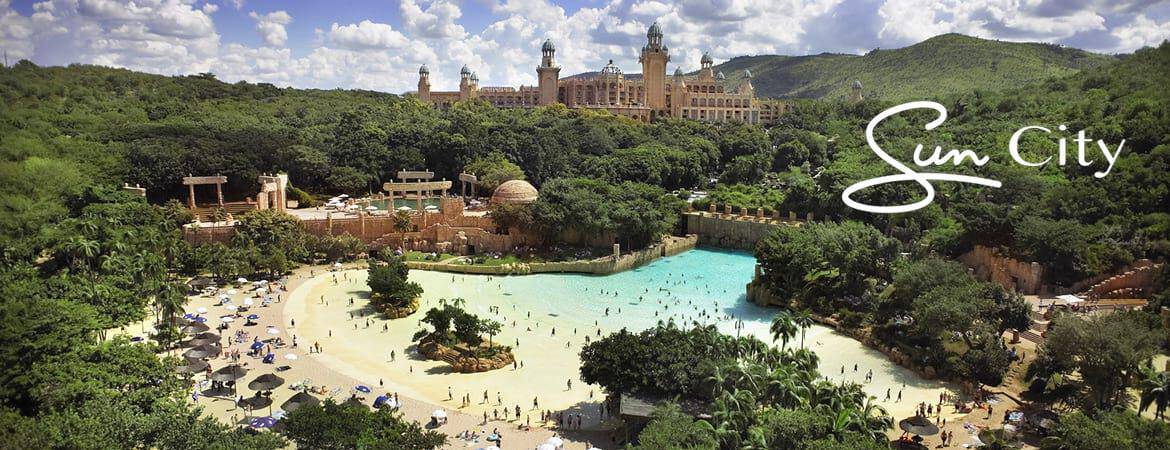
Combining with Sun City | Less practical | Very easy |
Sense of scale | One of Africa’s great wilderness areas | Smaller and easier to explore |
The biggest difference is not simply wildlife. It is scale.
Kruger rewards time. Pilanesberg rewards convenience.

The Main Difference Between Kruger and Pilanesberg
Kruger National Park covers an enormous part of north-eastern South Africa. Different sections of the park have different landscapes, wildlife patterns and safari personalities.
A few days in southern Kruger can feel completely different from time spent around Satara or farther north.
Pilanesberg is considerably smaller. Its compact layout means you can spend less time getting there and start looking for wildlife sooner if you are travelling from Johannesburg or Pretoria.
That is an advantage, not necessarily a limitation.
A traveller with one free day in Johannesburg has very different needs from someone planning five nights around Kruger.
Which Has Better Wildlife Viewing?
For overall wildlife diversity and the range of habitats you can explore, Kruger has the advantage.
The park supports an extraordinary variety of mammals, birds, reptiles and smaller species. Its size also means travellers can experience river systems, woodland, open plains and other habitats during the same trip.
Southern Kruger is particularly popular with first-time visitors because wildlife densities are often good and there is an extensive network of roads around areas such as Skukuza and Lower Sabie.
Pilanesberg can still produce rewarding game drives.
Its smaller size sometimes makes the experience feel more manageable, particularly if you only have a day or two. You are not trying to understand an enormous park while working with a very limited schedule.
Wildlife comparison
Wildlife experience | Kruger | Pilanesberg |
Big Five | Excellent potential | Excellent potential |
Overall mammal diversity | Higher | Very good |
Birdlife | Exceptional | Very good |
Predator viewing | Excellent potential | Very good potential |
Elephant viewing | Often very good | Often very good |
Multi-day exploration | Excellent | Good |
Short safari | Possible, but travel time matters | Excellent |
Habitat variety | Exceptional | Good |
Wildlife remains unpredictable in both reserves. A famous wildlife area can have a quiet morning, while an ordinary stretch of road can suddenly produce the sighting everyone remembers.
That is safari.
Which Is Better for Seeing the Big Five?
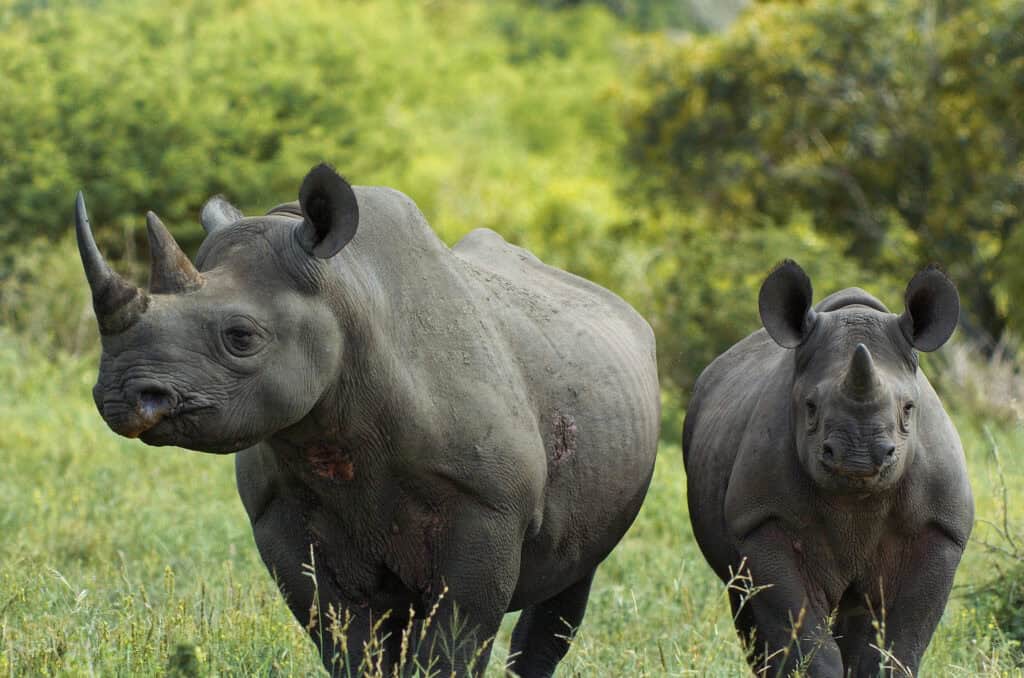
Both Kruger and Pilanesberg are home to the Big Five:
- lion
- leopard
- elephant
- rhino
- buffalo
You should not choose between the two reserves on the assumption that one will guarantee all five.
No ethical safari operator can promise that.
Kruger’s size, habitat diversity and extensive road network give guides a huge area to work with over several game drives. If you have three or four nights, you have repeated opportunities to explore different areas and respond to wildlife activity.
Pilanesberg gives you Big Five potential in a much more compact setting.
For travellers with limited time, that can be very appealing.

Kruger vs Pilanesberg for First-Time Safari Travellers
If you have enough time, we would usually lean towards Kruger for a first dedicated safari.
There is simply more room for the experience to unfold.
Three or four nights change the pace of a safari. You stop worrying quite so much about whether you have seen everything on the first drive. Guides can revisit productive areas, try different routes and allow quieter periods to be part of the trip.
Pilanesberg is an excellent first safari when your itinerary does not allow that much time.
Perhaps you are in Johannesburg for business. Maybe you are travelling with children and do not want a long transfer. Or you are spending several nights at Sun City and want to add a proper wildlife experience.
In those situations, Pilanesberg often makes more sense.
Travel Time From Johannesburg
This is one of the most important practical differences.
Pilanesberg is within relatively easy reach of Johannesburg and Pretoria, which is why it works so well for short safaris.
Kruger requires a bigger time commitment.
Depending on where you are staying and how you travel, reaching the Kruger region can involve a road transfer or domestic flight followed by another transfer to your accommodation.
That extra travel is worthwhile when you have several days available. It makes less sense if you are trying to squeeze a safari into a very short itinerary.
Choose based on available time
Time available | Usually the more practical choice |
1 day | Pilanesberg |
1 night | Pilanesberg |
2 nights | Pilanesberg or Kruger, depending on transport |
3 nights | Kruger becomes more worthwhile |
4+ nights | Kruger |
Johannesburg stopover | Pilanesberg |
Dedicated safari holiday | Kruger |
These are practical guidelines rather than rules. Your flights, accommodation and wider itinerary can change the equation.
Kruger vs Pilanesberg: Which Costs More?
Cost factor | Kruger | Pilanesberg |
Johannesburg transfer | Usually higher | Usually lower |
Best value for a day safari | Less practical | Strong |
Accommodation choice | Very broad | Good |
Multi-day options | Extensive | More limited |
Overall trip commitment | Higher | Lower |
Pilanesberg often works out better value when you only have a day or two because you spend less time and money reaching the reserve. Kruger generally involves a bigger travel commitment, but that starts making more sense when you stay several nights.

Pilanesberg’s Malaria-Free Advantage
Pilanesberg’s malaria-free location is one of its biggest practical advantages.
This is particularly relevant for some families, older travellers and guests who simply prefer a safari outside a malaria-risk area.
Kruger lies within a malaria-risk region, with risk varying seasonally. Travellers should get current medical advice before departure rather than relying on general online information.
For some guests, this factor decides the comparison immediately.
For others, it makes very little difference.
Which Safari Is Better for Families?
Both reserves can work very well for families, but Pilanesberg has several practical advantages when travelling with younger children.
The shorter journey from Johannesburg means less time in transit. Its malaria-free location also matters to many parents.
A shorter safari can be easier for children who have never experienced a game drive before.
Sitting quietly in an open safari vehicle for several hours sounds easy until you try it with a tired six-year-old.
Kruger becomes particularly rewarding for families with older children or families who want safari to be a major part of their holiday.
Private game drives can also make a difference because the family has more control over pace and stops.
Which Is Better for Couples?
Couples looking for a longer, immersive safari will usually find more variety around Kruger.
There is a wide choice of accommodation, from practical safari camps to private lodges, and enough wildlife country to build an entire holiday around the safari.
Pilanesberg works well for couples who want safari without making it their whole trip.
It can be paired naturally with Johannesburg, Pretoria and Sun City, which makes it useful on a broader South African itinerary.
Which Is Better for Wildlife Photography?
Kruger gets our vote for a dedicated wildlife photography trip.
The reason is not that Pilanesberg lacks photographic opportunities. It certainly doesn’t.
Kruger simply gives photographers more habitats, more roads and more time to work different areas if they stay for several nights.
A longer stay matters.
Wildlife photography often comes down to patience rather than rushing from one sighting to another. Good light, animal behaviour and positioning do not always arrive at the same time.
Pilanesberg is still a strong option for photographers with limited time, especially when Johannesburg is the starting point.

Kruger vs Pilanesberg for a One-Day Safari
Pilanesberg is usually the more sensible choice.
A large part of its appeal is that you can leave Johannesburg, enjoy a genuine game drive and return without committing several days to the trip.
Kruger is simply too important a destination to judge from a rushed visit.
If you are going to make the journey to Kruger, giving yourself at least a few nights usually makes the experience much more worthwhile.
Kruger vs Pilanesberg for a Multi-Day Safari
This is where Kruger starts pulling ahead.
With three, four or five days available, its scale becomes an advantage rather than a logistical challenge.
You can:
- explore different habitats
- take several morning and afternoon game drives
- revisit productive wildlife areas
- spend longer at sightings
- experience different weather and light
- enjoy quiet periods without feeling that time is running out
Wildlife changes from one drive to the next.
Having more drives gives the bush time to surprise you.

Safari Accommodation
Kruger offers the broader accommodation ecosystem.
Travellers can choose between accommodation inside the national park, properties around the park and private safari lodges in the Greater Kruger region.
This creates a wide range of safari styles and budgets.
Pilanesberg also offers several accommodation options around the reserve and works particularly well alongside Sun City.
The right choice depends less on which destination has the “better” lodge and more on what kind of trip you are trying to build.
Which Safari Feels More Remote?
Kruger.
There are busy areas, particularly in southern Kruger during popular travel periods, but the park’s sheer size allows for a much stronger sense of journey.
Some roads can be busy. Others can be surprisingly quiet.
Pilanesberg is more compact and accessible. That makes it convenient, but travellers wanting a deeper wilderness feeling will generally prefer Kruger.
Which Is Better for a Self-Drive Safari?
Kruger is one of South Africa’s classic self-drive safari destinations.
Its extensive road network, rest camps and established visitor infrastructure make independent exploration possible for travellers comfortable navigating the park themselves.
The challenge is scale.
Distances inside Kruger can be deceptive because you are travelling slowly and stopping for wildlife, so understanding Kruger National Park road conditions can help you plan realistic routes. Trying to cover too much ground is one of the easiest ways to turn a relaxing safari into a race against gate-closing time.
Pilanesberg’s smaller scale makes self-driving easier to understand over a short visit.
For first-time safari travellers, a guided game drive in either reserve can remove much of the pressure of finding wildlife while driving.
Guided Safari vs Self-Drive
Factor | Guided safari | Self-drive |
Wildlife spotting | Guide helps find and interpret wildlife | You find wildlife yourself |
Navigation | Handled for you | Your responsibility |
Driving | Relax and watch the bush | Driver must watch road and wildlife |
Flexibility | Depends on safari format | High |
Local knowledge | Strong advantage | Depends on your experience |
First safari | Usually easier | More independent |
Photography | Guide can assist with positioning where possible | Full control over stopping |
For a first safari, guides can make a meaningful difference.
They notice tracks, alarm calls, changes in animal behaviour and small details that are very easy to miss when you are also concentrating on the road.
Kruger vs Pilanesberg During Peak Season
Both destinations can become busy.
Southern Kruger sees substantial visitor traffic during popular holiday periods, particularly around major camps and productive wildlife roads.
Pilanesberg’s smaller road network means busy sightings can also attract several vehicles.
Crowds do not automatically ruin a safari, but they can change the atmosphere.
Travelling outside major holiday periods, starting early and spending more than one day on safari can help.
When Is the Best Time to Visit?
Both reserves can be visited throughout the year.
The dry winter months generally offer easier wildlife visibility because vegetation becomes thinner and animals may spend more time around reliable water sources.
Summer brings greener landscapes, warmer conditions, seasonal rainfall and stronger birding.
There is no single season that suits everyone.
Seasonal comparison
Traveller priority | Season often worth considering |
Easier wildlife visibility | Dry season |
Cooler game drives | Dry season |
Green landscapes | Summer / green season |
Birding | Summer / green season |
Photography with lush scenery | Green season |
First safari | Often dry season |
Quieter periods | Depends on school holidays and travel dates |
Weather and wildlife behaviour vary. Seasonality can improve certain conditions, but it never guarantees sightings.
Pros and Cons of Kruger National Park
Kruger advantages
- enormous wilderness area
- Big Five
- exceptional wildlife diversity
- extensive safari road network
- excellent birdlife
- wide accommodation choice
- strong multi-day safari experience
- excellent destination for repeat safari travellers
Kruger limitations
- much farther from Johannesburg than Pilanesberg
- malaria-risk area
- needs more time to appreciate properly
- popular southern areas can become busy
- distances inside the park are easy to underestimate
Pros and Cons of Pilanesberg Game Reserve
Pilanesberg advantages
- Big Five
- malaria-free
- close to Johannesburg and Pretoria
- works well for short safaris
- easy to combine with Sun City
- practical for families
- compact enough for limited itineraries
- suitable for first-time safari travellers
Pilanesberg limitations
- considerably smaller than Kruger
- less habitat and wildlife diversity
- fewer options for extended exploration
- busy sightings can attract several vehicles
- does not offer the same sense of scale as Kruger
Who Should Choose Kruger?
Kruger is usually the better fit if:
- safari is a major reason for your South African holiday
- you have at least three nights available
- wildlife diversity matters to you
- you enjoy photography
- you want several game drives
- you prefer a larger wilderness experience
- you want more accommodation and itinerary choices
- you are comfortable travelling farther from Johannesburg
For these travellers, the extra journey is normally worthwhile.
Who Should Choose Pilanesberg?
Pilanesberg is often the smarter choice if:
- you only have one or two days
- you are starting in Johannesburg or Pretoria
- you want a malaria-free safari
- you are travelling with young children
- you are staying at Sun City
- you want safari to form part of a wider holiday
- convenience matters more than wilderness scale
There is no reason to treat Pilanesberg as a lesser safari simply because it is smaller.
It solves a different travel problem.

Sample Safari Itineraries
Pilanesberg: Short Safari
Day | Experience |
Day 1 | Transfer from Johannesburg and afternoon game drive |
Day 2 | Morning game drive and return to Johannesburg |
This works well for travellers who want wildlife without restructuring their whole South African itinerary.
Kruger: Multi-Day Safari
Day | Experience |
Day 1 | Travel to the Kruger region and afternoon safari |
Day 2 | Morning and afternoon game drives |
Day 3 | Extended wildlife viewing and exploration |
Day 4 | Morning game drive and departure |
The extra time gives you more chances to experience different areas, weather conditions and wildlife activity.

Real Guest Experiences
Here are three real guest testimonials. Please feel free to read more of our reviews from our guests about their experiences.
⭐⭐⭐⭐⭐
Melodie S. – South Africa
“Had a lovely one day Joburg to Pilanesburg safari. Driver Alex arrived on time, is knowledgeable about the park and animals and used humor to build comradery in our mixed group of ten.
Once in the park, driver Alex did a great job, highly knowledgeable and even catered to my interest in bird watching!
The lunch provided was tasty and generous, all in all a very well run outfit with excellent staff. I would definitely use MoAfrika again to book a safari!”
⭐⭐⭐⭐⭐
Jaime T. – USA
“We did the 2 day tour with Bakbung hotel with Pilanesburg park. From pick up to drop off, everything was so smooth. Our drives and guides were all incredible! We had private drive for sunset with Martin and that was our favorite! For 2 day tour, you will get 4 safari drives all at different times of day. We saw the Big 4 (buffalo hard to find)…and go many close views. It was one of the most epic things I’ve done!”
⭐⭐⭐⭐⭐
Johnathan T. – United Kingdom
“Gustaf made todays visit to Kruger National Park special with sightings by all of the big 5 animals including a special guest appearance of a Leopard. Although these are not guaranteed everytime he made sure he increased our chances being in the right place at the right time.”
What to Pack for Kruger or Pilanesberg
You do not need a wardrobe full of safari clothing.
Pack for comfort and changing temperatures.
Useful items include:
- neutral, comfortable clothing
- warm layer for early morning drives
- hat
- sunscreen
- sunglasses
- comfortable closed shoes
- binoculars
- camera or phone
- reusable water bottle
- insect repellent
- small day bag
Winter mornings in an open safari vehicle can feel surprisingly cold. Layers are more useful than one heavy item because afternoons may become warm.
What Our Safari Team Usually Recommends
If a guest tells us they have four nights and wildlife is the main reason for the trip, we would usually recommend Kruger.
If the same guest tells us they have one free day before flying home from Johannesburg, we would usually recommend Pilanesberg.
That is why comparing these reserves purely on wildlife numbers misses the point.
The right safari needs to fit the rest of your trip.
A rushed Kruger safari is not automatically better than a relaxed day in Pilanesberg. Equally, someone who has dreamed about spending several days exploring the South African bush may find Pilanesberg too compact for what they have in mind.
Kruger vs Pilanesberg: Final Verdict
For a dedicated South African safari, our Kruger National Park safaris are the preferred choice.
Its size, wildlife diversity, range of habitats and ability to support several days of game drives give travellers a deeper safari experience.
For a short safari from Johannesburg, Pilanesberg safari options are often the better decision.
It is close, malaria-free, home to the Big Five and practical when you simply do not have enough time to travel to Kruger.
Neither choice needs to be complicated.
Choose Kruger when you have time to give safari a few days. Choose Pilanesberg when safari needs to fit comfortably into the time you already have.
Plan the Safari That Fits Your Trip
There is no need to force Kruger into an itinerary that does not have enough time for it, and there is no reason to overlook Pilanesberg simply because it is smaller.
Speak to MoAfrika’s safari team about your travel dates, available time, budget and the type of wildlife experience you want.
We can help you compare Kruger National Park safaris and Pilanesberg safari options and choose the trip that makes sense for the way you are travelling.
Frequently Asked Questions
Is Kruger better than Pilanesberg?
Kruger is usually better for a longer, wildlife-focused safari because it is much larger and offers greater habitat and wildlife diversity. Pilanesberg is often more practical for one- or two-day safaris from Johannesburg.
Can you see the Big Five in both Kruger and Pilanesberg?
Yes. Both reserves are home to lion, leopard, elephant, rhino and buffalo. Sightings are never guaranteed in either reserve because the animals move freely.
Which is closer to Johannesburg, Kruger or Pilanesberg?
Pilanesberg is considerably closer to Johannesburg, which is one of the main reasons it is popular for day trips and short overnight safaris.
Is Pilanesberg malaria-free?
Yes, Pilanesberg is generally regarded as a malaria-free safari destination. Kruger is situated in a malaria-risk region, so travellers should seek current professional health advice before travelling.
Is Kruger worth the extra travel time?
Usually, yes, if you have several days available and safari is a major part of your trip. If you only have one day, the additional travel can make Pilanesberg the more practical option.
Which reserve is better for families?
Pilanesberg is particularly convenient for families because it is closer to Johannesburg and malaria-free. Kruger can be excellent for families too, especially when children are comfortable with longer travel and several game drives.
Which is better for wildlife photography?
Kruger usually has the advantage for a dedicated photography safari because of its scale, habitat variety and extensive road network. Pilanesberg can still offer very good photographic opportunities on a shorter trip.
How many days do you need in Kruger?
Three to four nights is a good starting point for many first-time visitors. It gives you several game drives without making every sighting feel like a race against time.
How many days do you need in Pilanesberg?
One or two days can work well because the reserve is relatively compact and easy to reach from Johannesburg. Staying overnight gives you access to both afternoon and early morning wildlife activity.
Should first-time safari travellers choose Kruger or Pilanesberg?
Choose Kruger if you have several days and want safari to be one of the main experiences of your holiday. Choose Pilanesberg if you have limited time, want a malaria-free destination or need easy access from Johannesburg.