
Planning a safari with children is different from planning a trip for adults. You want exciting wildlife sightings, but you also need comfortable accommodation, sensible travel times, flexible schedules, and guides who understand that younger travellers experience the bush differently.
The good news is that Kruger National Park is one of Africa’s best destinations for family safaris. With the right itinerary, children can enjoy unforgettable wildlife encounters while parents relax knowing that logistics, accommodation, and experienced guides are taken care of.
Whether you’re travelling with young children, teenagers, grandparents, or multiple generations together, a family safari offers a chance to disconnect from everyday routines and experience one of the world’s greatest wildlife destinations together.
Yes. Family safari packages make travelling in Kruger much easier by combining accommodation, guided game drives, transport, meals, and park entry into one itinerary. They remove much of the planning while giving families the best chance of enjoying a safe, comfortable, and memorable safari experience.
MoAfrika Tours has been introducing travellers to Southern Africa’s most iconic wildlife destinations for over two decades. Our local safari specialists and professional guides help thousands of guests experience authentic African safaris every year.
Because we operate safaris throughout Kruger National Park year-round, we understand what works best for families, from choosing suitable accommodation to recommending the right safari duration and travel season.

A family safari is about much more than spotting the Big Five.
Children experience the excitement of seeing wild animals in their natural habitat, while parents enjoy spending quality time together away from busy schedules and screens.
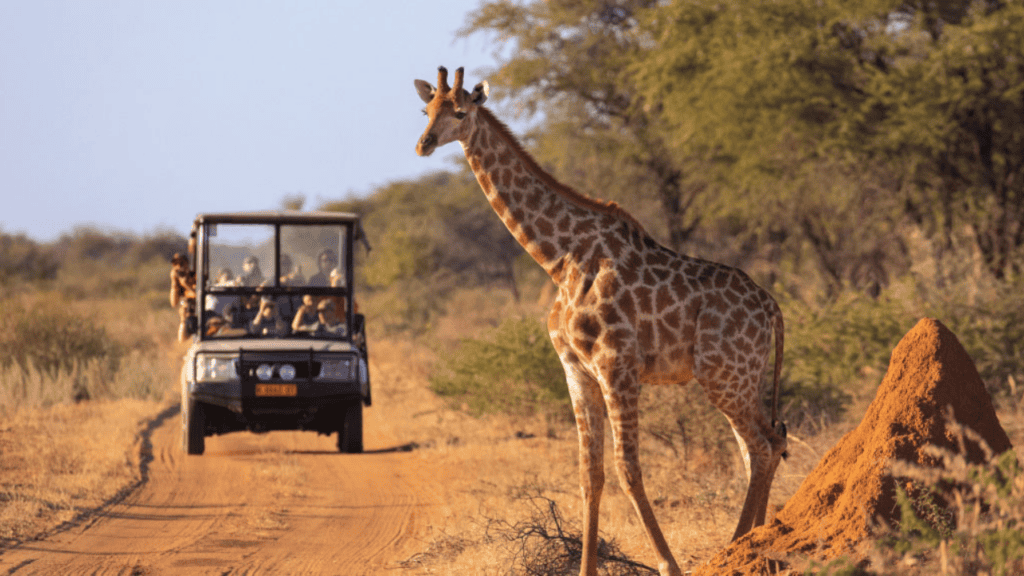
Kruger also offers something different every day. One morning may begin with elephants crossing the road, while the afternoon could bring giraffes browsing nearby or a herd of zebra grazing close to camp. Wildlife is always unpredictable, which is part of what makes every safari unique.
Many families tell us that it’s these unexpected moments they remember most.
Rather than worrying about directions, gate times, or where wildlife might be found, families can simply enjoy the experience while professional guides take care of everything.
Benefits include:
For first-time visitors especially, guided safaris allow everyone to relax and focus on enjoying the trip.
Safari Type | Best For | Comfort | Flexibility | Children |
Budget | Value-conscious families | Good | Moderate | Good |
Comfort | Most families | Very Good | Very Good | Excellent |
Luxury | Premium holidays | Excellent | Excellent | Excellent |
Private | Multi-generational groups | Outstanding | Outstanding | Outstanding |
Package | Best For | Typical Duration | Wildlife Opportunities | Comfort Level |
2 Day Family Safari | Short school holidays | 2 Days | Very Good | Comfortable |
3 Day Family Safari | First-time families | 3 Days | Excellent | Comfortable |
4 Day Family Safari | Families wanting a slower pace | 4 Days | Excellent | High |
5 Day Family Safari | Wildlife enthusiasts | 5 Days | Outstanding | High |
Private Family Safari | Maximum flexibility | Custom | Excellent | Premium |
Feature | Guided Safari | Self-Drive |
Wildlife spotting | Excellent | Depends on experience |
Stress level | Low | Higher |
Guide knowledge | Professional | Self-guided |
Driving responsibility | None | Parent |
Photography assistance | Yes | No |
Suitable for first-time visitors | Excellent | Moderate |
Convenience | Excellent | Moderate |
Families visiting Kruger for the first time often appreciate having an experienced guide who understands animal behaviour, road networks, and the best times to visit different areas of the park.
Every safari is different, but children often enjoy seeing:
Many younger guests become fascinated by animal tracks, dung beetles, birds, insects, and the smaller details of the bush that adults sometimes overlook.
Every family is different, but these general guidelines help.
Age | Safari Suitability |
Under 5 | Better suited to private safaris or family-friendly lodges |
5–8 Years | Excellent with shorter game drives |
9–12 | Outstanding age for learning and wildlife spotting |
Teenagers | Excellent for photography and longer safaris |
Some lodges and activities have minimum age requirements, so it’s always worth discussing your family’s needs before booking.

There isn’t one perfect season.
It depends on what your family wants from the safari.
Dry Season (May–September)
Usually offers:
Green Season (October–April)
Often provides:
Families travelling during school holidays may find the green season offers excellent value while still providing rewarding wildlife experiences.
Kruger National Park is well managed, but it remains a true wilderness area.
Professional guides help families enjoy the experience safely by explaining appropriate behaviour around wildlife and following park regulations.
Parents should always encourage children to:
These simple rules help protect both guests and wildlife.
Packing for Kruger doesn’t need to be complicated.
We recommend bringing:
If travelling with younger children, bring snacks, entertainment for transfers, and any favourite comfort items.
Day | Activities |
Day 1 | Collection from Johannesburg, transfer to Kruger, afternoon game drive, overnight stay |
Day 2 | Early morning game drive, breakfast, leisure time, afternoon safari, dinner |
Day 3 | Sunrise game drive, breakfast, return journey to Johannesburg |
This itinerary offers enough time to settle into the rhythm of safari while giving families multiple opportunities to enjoy wildlife sightings.
Many parents initially consider a one or two-day safari.
After visiting, they often say they wished they had stayed longer.
Three days gives families time to:
Wildlife sightings are never guaranteed, so additional game drives naturally create more opportunities.

⭐⭐⭐⭐⭐
Emma R. – United Kingdom
“Our children were talking about the elephants before we even reached the lodge. The guides made the safari fun without rushing us, and they were incredibly patient with every question our kids asked. It turned into one of the best family holidays we’ve ever had.”
⭐⭐⭐⭐⭐
Mark and Lisa P. – Denmark
“We weren’t sure how our two boys would handle early morning game drives, but they absolutely loved them. Spotting lions just after sunrise became the highlight of our trip. Everything was well organised, which made travelling as a family much easier.”
⭐⭐⭐⭐⭐
Sophie M. – France
“Travelling with two children under ten, we wanted a safari that was exciting but also easy to manage. MoAfrika Tours exceeded our expectations. Our guide was fantastic with the kids, taking time to explain animal behaviour in a way they could understand. We saw elephants, giraffes, lions, zebras, and even a leopard on our final morning drive. The accommodation was comfortable, the meals suited the whole family, and every transfer ran smoothly. Our children are already asking when we can come back to South Africa.”
Many guests return because every safari feels different.
The animals move with the seasons, weather changes the landscape, and every game drive brings new surprises.
Children who first visited looking for lions often return years later excited about birds, photography, or learning more about the bush.
That’s one of the things that makes Kruger such a rewarding destination for families.
A family safari creates memories that stay with you long after you’ve returned home. Whether it’s your children’s first elephant sighting, watching giraffes feed at sunset, or simply sharing stories around dinner after a day in the bush, Kruger offers experiences that are difficult to replicate anywhere else.
If you’re unsure which itinerary is right for your family, speak to the MoAfrika Tours safari specialists. We’ll help you choose a family safari package that matches your travel style, budget, and the ages of everyone travelling.
Yes. Many safari lodges and guided tours are designed with families in mind. Choosing accommodation and activities appropriate for your children’s ages helps ensure everyone enjoys the experience.
Many children from around five years old enjoy guided safaris, although younger children can also have wonderful experiences on private family safaris with more flexible schedules.
Many packages include accommodation, guided game drives, transport, park entry, and selected meals. Inclusions vary, so it’s worth checking exactly what each package offers before booking.
Three to four days usually provides a good balance between wildlife viewing and relaxation. Longer stays offer more opportunities for memorable sightings without feeling rushed.
Many families do see some or all of the Big Five during their safari, but wildlife sightings are never guaranteed. Every game drive is different, which is part of the excitement.
Private safaris offer greater flexibility, especially for families with young children. Guides can adjust the pace of the day to suit your interests and schedule.
Comfortable neutral-coloured clothing, closed shoes, a hat, and layered clothing are ideal. Winter mornings can be cool before temperatures warm up later in the day.
Yes. Guided game drives are led by experienced professional guides who follow strict safety procedures and provide clear instructions throughout the safari.
The dry season generally offers easier wildlife viewing, while the green season provides lush scenery, baby animals, and fewer crowds. Both seasons can be excellent for families.
Absolutely. Many family safari packages are popular with multi-generational groups, offering comfortable accommodation, manageable travel times, and activities suitable for a range of ages.




WhatsApp Now