The idea of the “best safari” in Kruger National Park depends on what you hope to experience — grand wildlife sightings, comfort, flexibility, or value.
A truly great safari balances expert guiding, good lodge or camp standards, smart routing, and value for money.
Which safari style will give me the most wildlife for my money?
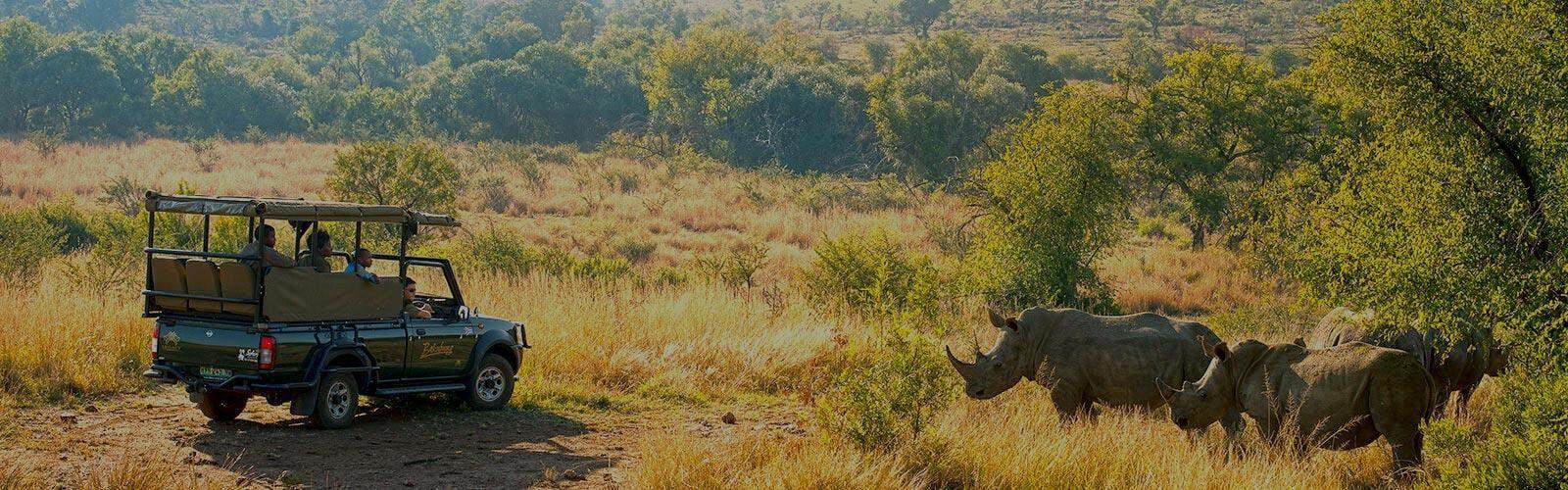
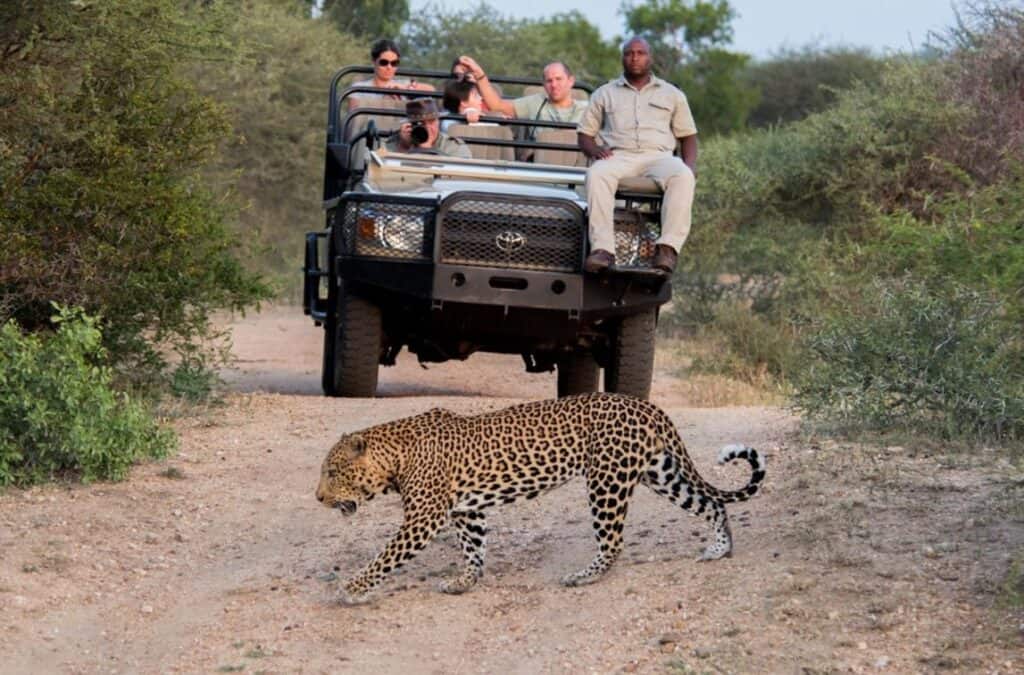
The safari that gives maximum sightings and the richest wildlife experience is a guided open-vehicle safari inside the park or in private concessions. These safaris run morning and afternoon drives, use expert guides, and often allow more flexibility in route choice within permitted zones.
On the other hand, self-drive safaris offer budget freedom: you steer your own vehicle and decide your stops. But without a guide’s insight, you may miss opportunities. Some travellers use a hybrid: guided days plus self-drive stretches.
How do cost, lodge class and inclusions affect the concept of a “best safari”?
The “best safari” often arises from the ratio of cost to inclusions. For example, a full-service guided safari inside Kruger may cost much more per night, but includes meals, drives, park fees and transfers.
In contrast, a cheaper option might cut corners on meals, exclude certain drives or use lower-standard lodging.
To choose a “best safari,” you’ll want to compare what’s included (meals, drives, park fees, transfers) versus what you pay extra for.
Which safari duration is ideal – short or extended?
Short safaris (2–3 days) are tempting when schedules are tight. They give you a taste of Kruger’s wildlife, especially in zones easily accessible from Johannesburg. Many operators run 3-day classic safaris.
But longer safaris (4–6 days or more) deepen the experience: you can reach remote regions, shift between sectors so you don’t see the same terrain every day, and increase your odds of rare sightings (like leopard or wild dog).
If you have flexibility, a 5- or 6-day safari often offers a better balance between variety and comfort. Many top operators promote 5-day or 6-day “classic” safaris as their signature offers.
How does lodge location and concession type influence your safari?
Where your lodge or base lies within or adjacent to Kruger dramatically affects your safari experience. Staying inside the park ensures proximity to game drives’ start points and less daily transit, but lodges inside often have stricter rules on movement.
Staying in private concessions adjacent to Kruger can provide extra privileges such as off-road access, fewer vehicles, and night drives in areas where permitted. Luxury lodges in adjoining reserves often push safari experiences higher.
Then there are hybrid safari lodges that straddle park boundaries, offering access to both park roads and reserve privileges and can offer a “best of both worlds” option.

A Month-by-Month Guide to Kruger Safari Seasons
Month | Season | Weather & Experience | Safari Highlights |
January – March | Wet (Summer) | Hot, humid, and lush vegetation | Birdwatching and baby animals |
April | Transition | Fewer rains, cooler evenings | Good wildlife viewing and greenery |
May – June | Dry (Winter) | Clear skies, cool mornings | Ideal for game drives |
July – September | Peak Dry | Crisp air, best visibility | Prime Big Five sightings |
October | Transition | Early rains, mild heat | Mix of dry and green landscapes |
November – December | Wet | Lush scenery, active wildlife | Perfect for photographers |
Planning Tips for the Perfect Safari Timing
When planning your trip, think about your travel goals. If you want to see predators in action, go between July and September. For lush landscapes and birdlife, aim for December to February.
Remember that Kruger covers multiple regions with varying climates. The southern section (near Skukuza) receives more rainfall and offers dense vegetation, while the north (near Pafuri) is drier and more remote. Combining both regions can provide a complete safari experience.
Booking early during peak months is essential, especially for lodges inside the park.
Choosing the Right Month for You
Every month in Kruger tells a different story. The dry season (May to September) remains unbeatable for game viewing and comfort, while the green season (October to April) reveals the park’s softer, more colourful side.
Ultimately, the best month depends on what you value most — dramatic predator sightings, fewer tourists, budget savings, or flourishing landscapes.
Frequently Asked Questions
When is the best month to visit Kruger National Park for game viewing?
The best months for wildlife viewing are from June to September, when the bush is dry and animals are easier to spot.
Is Kruger National Park open all year?
Yes, Kruger is open 12 months a year, offering unique experiences in every season.
What is the hottest month in Kruger National Park?
The hottest months are December and January, with daytime temperatures reaching around 35°C.
Is Kruger good to visit during the rainy season?
Yes, although wildlife may be more scattered, the scenery is lush, and birdwatching is at its peak.