
The Okavango Delta isn’t just a destination, it’s a sensory journey into Africa’s most enchanting safari paradise. With MoAfrika Tours, you’ll glide silently in a mokoro past hippos and elephants, track big cats on game drives, and fall asleep to the sounds of the wild under a blanket of stars.
Whether you’re seeking luxury, adventure, or a soulful escape into nature, this is the safari experience you’ve been dreaming of.
Tucked away in the northwest corner of Botswana, the Okavango Delta is one of Africa’s most extraordinary natural landscapes. It is the world’s largest inland delta and a designated UNESCO World Heritage Site, where water from the highlands of Angola spreads across the Kalahari Desert in a fan-shaped oasis.
Unlike other deltas that empty into oceans, the Okavango simply disappears into the sand, creating a rare and delicate ecosystem that supports a vast range of wildlife and plant life.
What makes the Okavango Delta truly special is its rhythm. Each year, the floodwaters arrive during Botswana’s dry season, transforming arid plains into a shimmering network of lagoons, channels and islands.
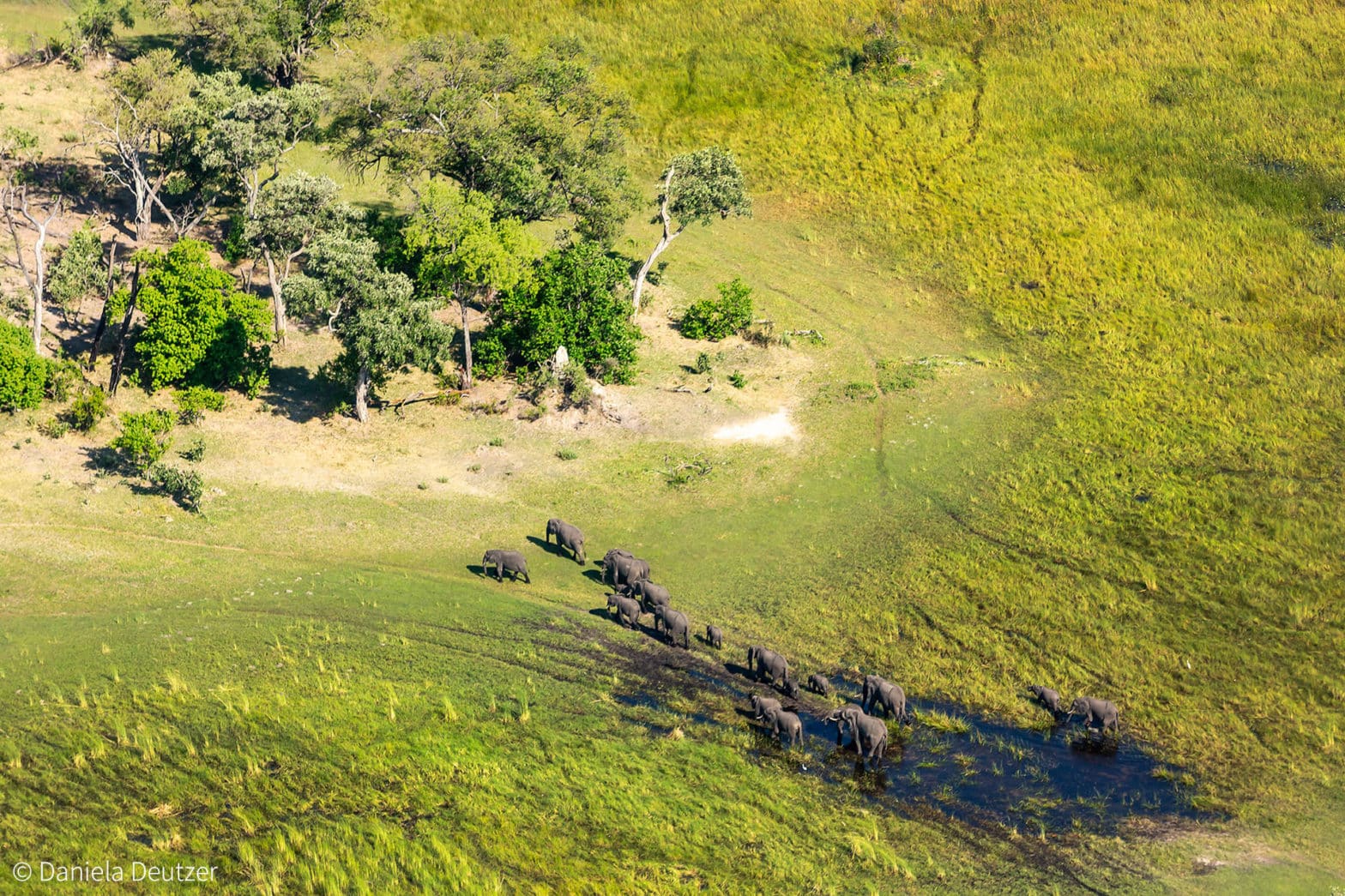
This seasonal pulse creates one of the richest and most dynamic habitats on the continent. Elephants, buffalo, and antelope are drawn to the abundant water, closely followed by predators such as lions, leopards and wild dogs.
More than 400 species of birds further make the region a haven for birdwatchers, while crocodiles and hippos thrive in the reed-lined channels.
The Delta’s appeal is not limited to one time of year. Whether you visit in the green season when the bush is lush and alive with new-born animals, or in the cooler dry months when wildlife congregates around the remaining water, Okavango Delta Safaris offer exceptional game viewing and a deep connection to nature that is hard to find elsewhere.
It is this timeless, untamed quality that continues to draw travellers seeking an unforgettable safari experience.
Choosing the best time to visit the Okavango Delta depends on what experience you’re after. Each season brings something distinct, shaped by the rhythm of rainfall and the floodwaters that define this region. In fact, whether you prefer dramatic wildlife encounters or the quiet richness of the green season, there is no wrong time to explore this extraordinary part of Botswana.
From May to October, the Delta enters its dry season. Rainfall is minimal, the skies are clear, and the bush thins out, making it easier to spot wildlife. This is the prime time for game viewing, as animals gather around permanent water sources, offering excellent sightings of elephants, big cats and antelope.
Cooler temperatures between June and August also make it more comfortable for game drives, especially in the early mornings and late afternoons.
Interestingly, the peak of the dry season coincides with the arrival of floodwaters from Angola. Between July and August, channels and lagoons start to fill up, creating perfect conditions for water-based activities such as mokoro trips and boat safaris.
The landscape is especially photogenic during this time, with shimmering reflections and vibrant greens contrasting against the dry surrounding savannah.
The wet season, which stretches from November to April, brings a different kind of beauty. The rains turn the Delta into a lush paradise, attracting migratory birds and creating ideal conditions for birdwatching.
Okavango Delta safaris during this time feel more remote and exclusive, as fewer travellers visit, and the landscapes are alive with new life, from blooming plants to baby animals.
Okavango Delta safaris offer a range of activities that allow you to experience the landscape in ways that are both intimate and varied. Every activity is designed to connect you to the pulse of this wild and watery world, offering something special for every kind of traveller.
Whether you are gliding through lily-filled waterways or tracking wildlife on foot, the Delta invites you to slow down and tune in to its unique rhythm.
One of the most iconic experiences in the Okavango Delta is a mokoro excursion. These traditional dugout canoes, now often made from fibreglass to preserve the environment, are gently poled through narrow channels by skilled local guides.
The ride is quiet and steady, allowing you to get close to frogs clinging to reeds, colourful kingfishers darting overhead and, occasionally, larger animals such as elephants cooling off at the water’s edge. It’s a peaceful way to explore areas inaccessible to vehicles, and perfect for photography or simply appreciating the sounds and sights of the Delta.
Game drives are a central part of most Okavango Delta tours and are offered in both the morning and late afternoon. These drives take you deep into the bush in open 4×4 vehicles, with knowledgeable guides who understand animal behaviour and can often predict where the action will be.
You might encounter lions lounging in the shade, herds of buffalo crossing open plains or leopards resting in trees. Many camps also offer night drives, where spotlights reveal a completely different cast of creatures, including aardvarks, bush babies and nocturnal cats.
For those who want to experience the wild up close, walking safaris are led by armed guides who help you notice the finer details often missed from a vehicle. Tracks, bird calls, insect life and plant uses are all part of the story, creating a deeper appreciation for the ecosystem.
Boat safaris are offered in areas where permanent water channels exist year-round. These are particularly rewarding during the flood season when you can navigate the Delta’s broader waterways and lagoons. You’ll likely see pods of hippos, crocodiles basking on banks and a wide range of birdlife.
Some lodges also offer cultural visits to nearby communities, where you can learn about local traditions, crafts and everyday life in the Delta region. These encounters add meaningful context to the safari experience and support sustainable tourism.
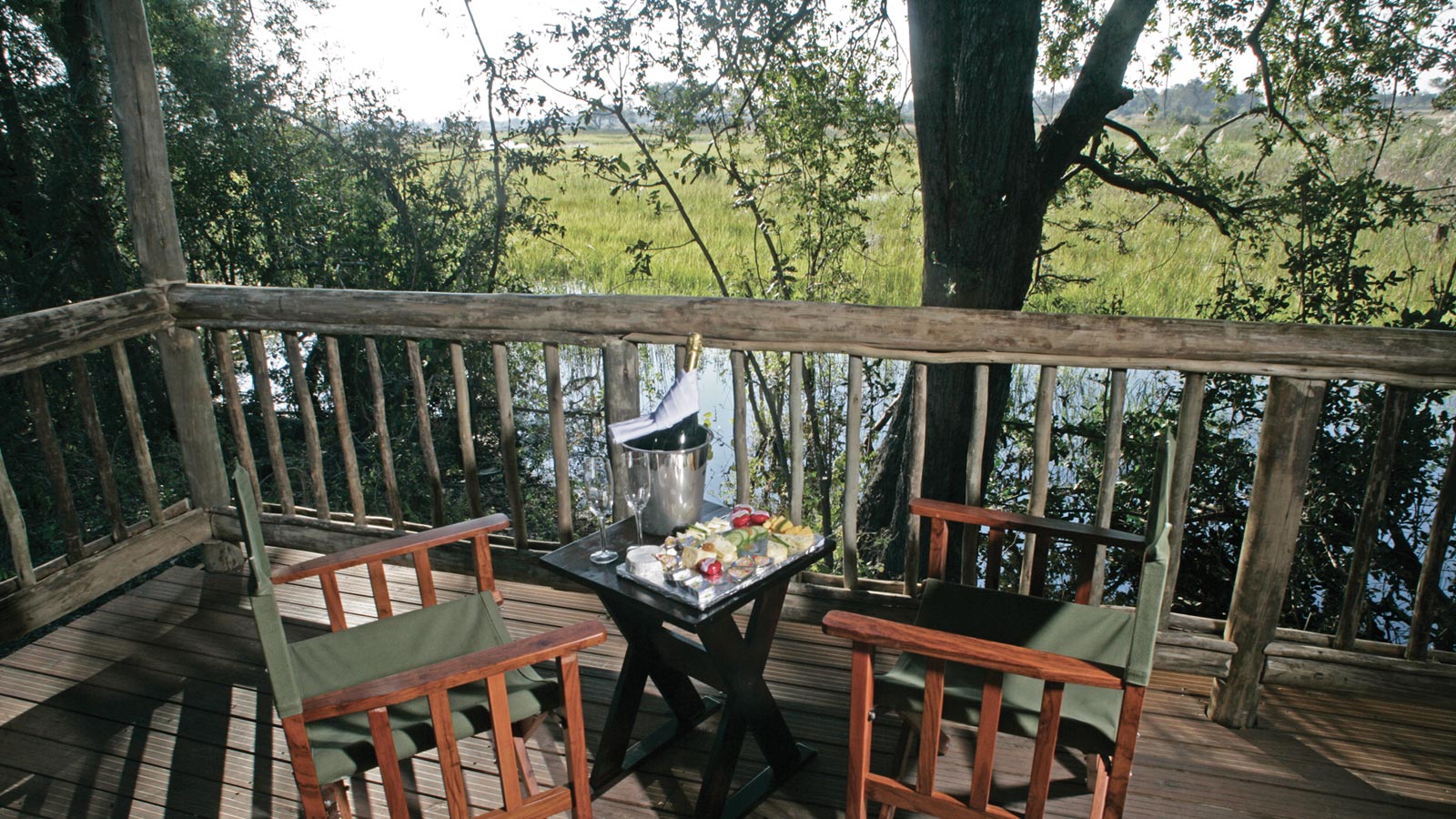
Accommodation in the Okavango Delta caters to a wide range of travel styles, from ultra-luxury lodges to more rustic camps that offer a close-to-nature experience.
Okavango Delta accommodation places you at the heart of one of the world’s most extraordinary ecosystems. Whether you’re unwinding on a private deck or sipping coffee around a morning fire, the feeling of solitude and connection to nature is something truly special on all Okavango Delta tours.
No matter the option, one thing remains constant – the exclusivity and intimacy of your stay. Most camps accommodate only a small number of guests, ensuring a peaceful atmosphere and highly personalised service.
Luxury lodges in the Delta are among the finest safari accommodations in Africa. Often located on private concessions, these properties blend comfort with a strong connection to the natural surroundings.
Expect spacious suites with private plunge pools, elevated decks with sweeping views, and elegant interiors inspired by the landscape. Gourmet meals, fine wines and exceptional service are standard, and many lodges also include spa treatments and private dining options.
Despite the high level of luxury, many camps are designed with sustainability in mind, using solar power, natural materials and water-saving systems to minimise their impact.
Mid-range tented camps offer excellent value without compromising on comfort. These camps typically feature canvas tents with real beds, en suite bathrooms and hot showers. Common areas often include a dining tent, lounge and campfire space, creating a sociable environment where guests can share stories at the end of the day.
Meals are well-prepared and hearty, and guiding standards remain high, ensuring that Okavango Delta safaris from these camps are just as rewarding as those offered by their more luxurious counterparts.
For adventurous travellers, mobile camping provides a way to experience the wild in its purest form. These camps are set up in remote locations and moved every few days, following the best game-viewing routes.
Facilities are simple but comfortable, with bucket showers, campfire-cooked meals and cosy tents. The focus here is on the sights and sounds of the Delta, offering a raw and authentic safari experience that appeals to those who love nature at its most unfiltered.
Reaching the Okavango Delta is part of the adventure, and while the region feels wonderfully remote, access is surprisingly straightforward.
The main gateway to the Delta is Maun Airport, a small but busy hub located in northern Botswana. Maun is well connected to Johannesburg in South Africa, with several daily flights operated by regional airlines.
International travellers often fly into Johannesburg’s OR Tambo International Airport and then take a short connecting flight to Maun, which typically takes around two hours.
Once in Maun, most travellers transfer to their chosen safari camp via light aircraft. These scenic charter flights offer stunning views over the Delta’s waterways and wildlife, and they dramatically reduce travel time compared to overland options. Flight schedules are coordinated with lodge arrivals, and aircraft typically land on private airstrips close to each camp.
For those planning more budget-conscious Okavango Delta tours, some camps in the southern reaches of the Delta can be accessed by 4×4 vehicle from Maun, though the journey may be longer and more challenging, particularly in the rainy season.
Whether by air or road, the journey into the Delta sets the tone for the safari to come, offering a sense of scale and anticipation that makes the arrival at your camp feel all the more rewarding.
The cost of Okavango Delta safaris can range significantly, depending on the style of travel, level of comfort, and what is included in the package.
While the Delta is one of Africa’s pricier safari destinations, the quality of the experience, limited visitor numbers and pristine environment offer exceptional value. Still, you’re not just paying for accommodation, but for front-row access to one of the world’s most remarkable wildlife areas.
On the lower end, budget-friendly options such as mobile camping safaris start from around $350 to $500 per person per night, often including meals, game activities and park fees. These safaris offer a more stripped-back, adventurous experience, ideal for those seeking closer contact with nature and fewer frills.
Mid-range lodges and tented camps typically cost between $600 and $900 per person per night. These usually feature comfortable en suite tents, quality guiding, and shared game drives, with most packages also including all meals and transfers from Maun.
At the luxury end, exclusive lodges with private plunge pools, gourmet dining, and personalised service can cost anywhere from $1 200 to $2 500 per person per night, particularly during the peak dry season from June to October. These high-end Okavango Delta tours often include premium extras such as scenic flights, spa treatments and private guides.
The Okavango Delta is one of Africa’s most rewarding wildlife destinations, home to an astonishing variety of species across its islands, floodplains and waterways. Its unique ecosystem supports large populations of both land and aquatic animals, making it a prime location for wildlife viewing year-round.
One of the major draws for visitors is the chance to see the Big Five. Lions are commonly sighted, often seen lounging under trees or trailing herds of buffalo across the savannah. Leopards are more elusive but frequently spotted in the Delta, especially in the drier months when they rest in the branches of leadwood or jackalberry trees.
Elephants are plentiful, moving in large herds or as solitary bulls, and can often be seen drinking or bathing along the channels. Buffalo also thrive here, particularly during the dry season when they congregate around remaining water sources.
While rhinos are not as widespread, reintroduction efforts in certain areas of the Delta have brought small populations of both black and white rhino back to this wild landscape.
In addition to the Big Five, Okavango Delta safaris offer sightings of many other iconic African animals. Hippos are a constant presence in the deeper channels, often heard before they are seen. Nile crocodiles, some impressively large, bask on the banks or slip silently beneath the surface. Giraffes move gracefully across the open plains, while zebras and wildebeest are often seen in mixed herds alongside various species of antelope, such as red lechwe, tsessebe and kudu.
Birdlife in the Okavango Delta is just as remarkable, with over 400 recorded species. Keen birdwatchers come in search of the rare Pel’s fishing owl, while others enjoy more familiar sightings such as the African fish eagle, saddle-billed stork and malachite kingfisher. Seasonal changes bring migratory birds and breeding plumage, making each visit feel different.
In short, the Delta offers a wildlife experience that is rich, diverse and unforgettable and an Okavango Delta tour provides a front-row seat to one of the most vibrant natural theatres on the continent.
Choosing the right operator can make all the difference when planning a safari, and MoAfrika Tours stands out for its deep understanding of Southern Africa’s landscapes, wildlife and travel logistics. With years of experience in curating exceptional journeys, our team offers expertly planned Okavango Delta safaris that balance adventure, comfort and value.
One of the key reasons travellers choose MoAfrika Tours is our personalised approach. Every itinerary is crafted with attention to detail, whether you’re after a luxury lodge experience, a mid-range stay or a more adventurous mobile camping option.
The team takes the time to understand your preferences, travel dates and budget, and then matches you with the most suitable accommodation and safari activities in the Delta. This means you’re not simply joining a standard package, but rather enjoying a tailor-made safari that suits your travel style.
MoAfrika Tours also offers a wide selection of Okavango Delta tours, from short fly-in escapes to multi-day packages that combine the Delta with other highlights like Chobe National Park or Victoria Falls. Each trip is designed to maximise game viewing while keeping transfers smooth and efficient, thanks to strong relationships with local operators and camps.
Our friendly and responsive support team ensures that your questions are answered promptly, and that any concerns are addressed before and during your trip. It’s this combination of local knowledge, reliable service and flexibility that continues to earn MoAfrika Tours the trust of travellers from around the world.
Packing wisely for an Okavango Delta safari ensures you stay comfortable and prepared for every part of the journey. Given the region’s warm days, cool nights and varied terrain, it’s important to bring the right clothing and essentials without overpacking.
Start with lightweight, breathable clothing in neutral tones such as khaki, beige, or olive. These colours help you blend into the natural surroundings during game drives and walking safaris. Avoid bright colours and white, as they can stand out to wildlife or attract insects.
Long-sleeved shirts and trousers are recommended for added protection from the sun and mosquitoes, especially during early morning and evening outings. A light fleece or jacket is also useful, particularly in the cooler months between May and August.
Comfortable walking shoes are a must, particularly if you plan to take part in walking safaris. For mokoro excursions, sandals or water-friendly shoes are ideal, as your feet may get wet when stepping in or out of the canoe.
A wide-brimmed hat, UV-protection sunglasses and a high-SPF sunscreen are essential for daytime protection. Insect repellent is highly recommended, especially in the wetter months when mosquitoes are more active.
Binoculars can greatly enhance your wildlife viewing experience, allowing you to spot birds and animals at a distance with ease. A good pair is especially valuable in a region like the Delta, where birdlife is diverse and often found along the water’s edge or in treetops.
Don’t forget your camera, spare batteries and memory cards if you plan to capture your safari moments.
Finally, pack all personal medications, a small torch or headlamp, and a waterproof bag or dry sack to protect electronics and documents from unexpected splashes or rain. With the right gear, you’ll be able to fully enjoy your Okavango Delta safari in comfort and confidence.
A minimum of three nights is recommended to fully experience the Delta’s offerings.
Costs vary, but a 4 to 6-day safari can range between approximately $540 and $760 per person per day, depending on the package.
The dry winter season from May to September is ideal for game viewing.
While malaria risk is low, it’s advisable to consult a healthcare provider for prophylactic measures.
A mokoro is a traditional dugout canoe used to navigate the Delta’s waterways, offering a unique and tranquil safari experience.
Yes, popular combinations include Chobe National Park and Victoria Falls.