
Need more Info?
Namibia is raw, bold, and wildly beautiful – a place where rust-red dunes swallow the horizon, ghost towns sit half-buried in sand, and elephants wander through desert landscapes.
This isn’t just another safari. Namibia safaris are journeys through silence, stars, and space like you’ve never known. If you’re craving something real, this is where your adventure begins.
Whether you’re a road tripper, a photographer, or simply seeking something extraordinary, Namibia should be your next big escape.
Namibia stands apart as a destination that delivers both drama and silence in equal measure. It’s a country of stark contrasts where ancient deserts meet the wild Atlantic, and where wildlife roams freely across vast plains.
Stretching across more than 800,000 square kilometres, Namibia is sparsely populated, giving travellers a rare sense of space and solitude. For those who seek the kind of peace you can only find in big open skies and star-studded nights, Namibia is a natural choice.
The country’s appeal lies in its diverse landscapes and one-of-a-kind experiences. You can wander between towering sand dunes in the Namib Desert, spot elephants and rhinos adapted to desert life in Damaraland, or witness a lion stalking a springbok at a waterhole in Etosha National Park.
You’re not boxed into resort tourism here. Instead, Namibia invites you to travel deeper, whether on a road trip or a guided exploration that brings you into close contact with both nature and culture.
Namibia’s landscapes are like no other. From golden dunes and fossilised trees to salt pans shimmering under the desert sun, the country’s attractions are as varied as they are visually striking. These are the top destinations travellers consistently seek out:
Etosha is Namibia’s flagship safari destination. It is centred around the Etosha Pan, a massive salt flat visible from space, and is home to a wide variety of animals.
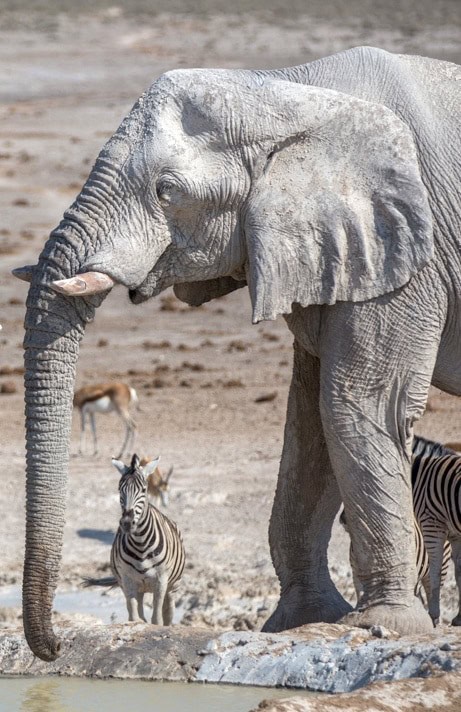
Self-drives are popular here, as roads are well-maintained, and wildlife often congregates at marked waterholes. Expect to see large herds of elephants, lions, giraffes, oryx, zebras, rhinos, and, if you’re lucky, leopards.
Accommodation options range from basic rest camps to luxury private reserves bordering the park.
Etosha is best visited between June and October, when sightings are most concentrated.
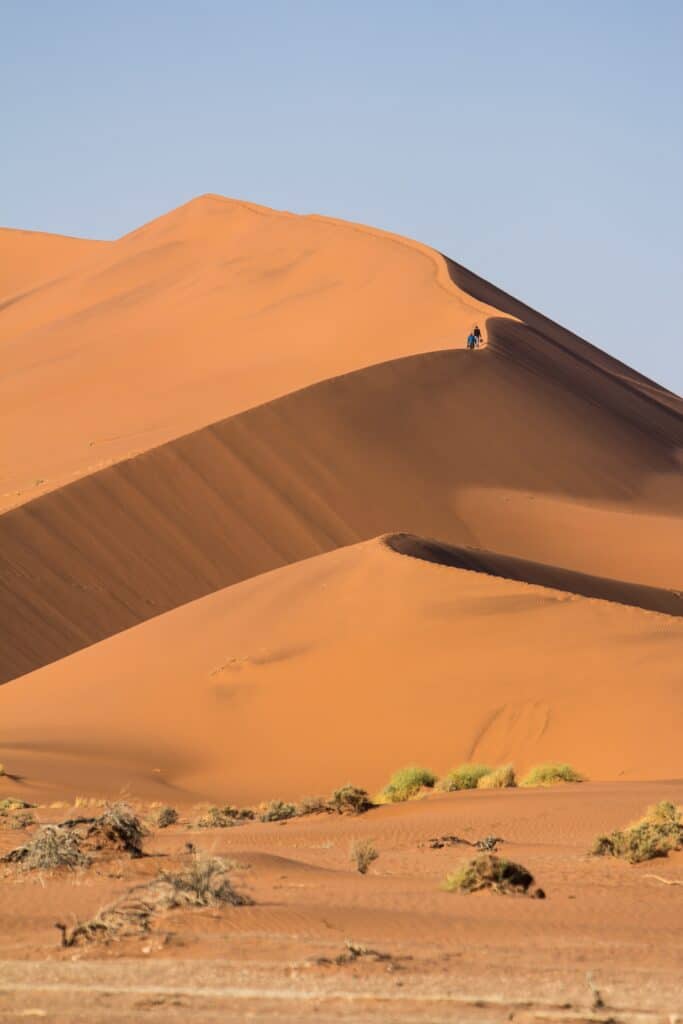
Located in the Namib-Naukluft National Park, Sossusvlei is home to some of the tallest sand dunes in the world. The red-orange dunes are particularly spectacular at sunrise and sunset, with soft light creating deep shadows and surreal contrasts.
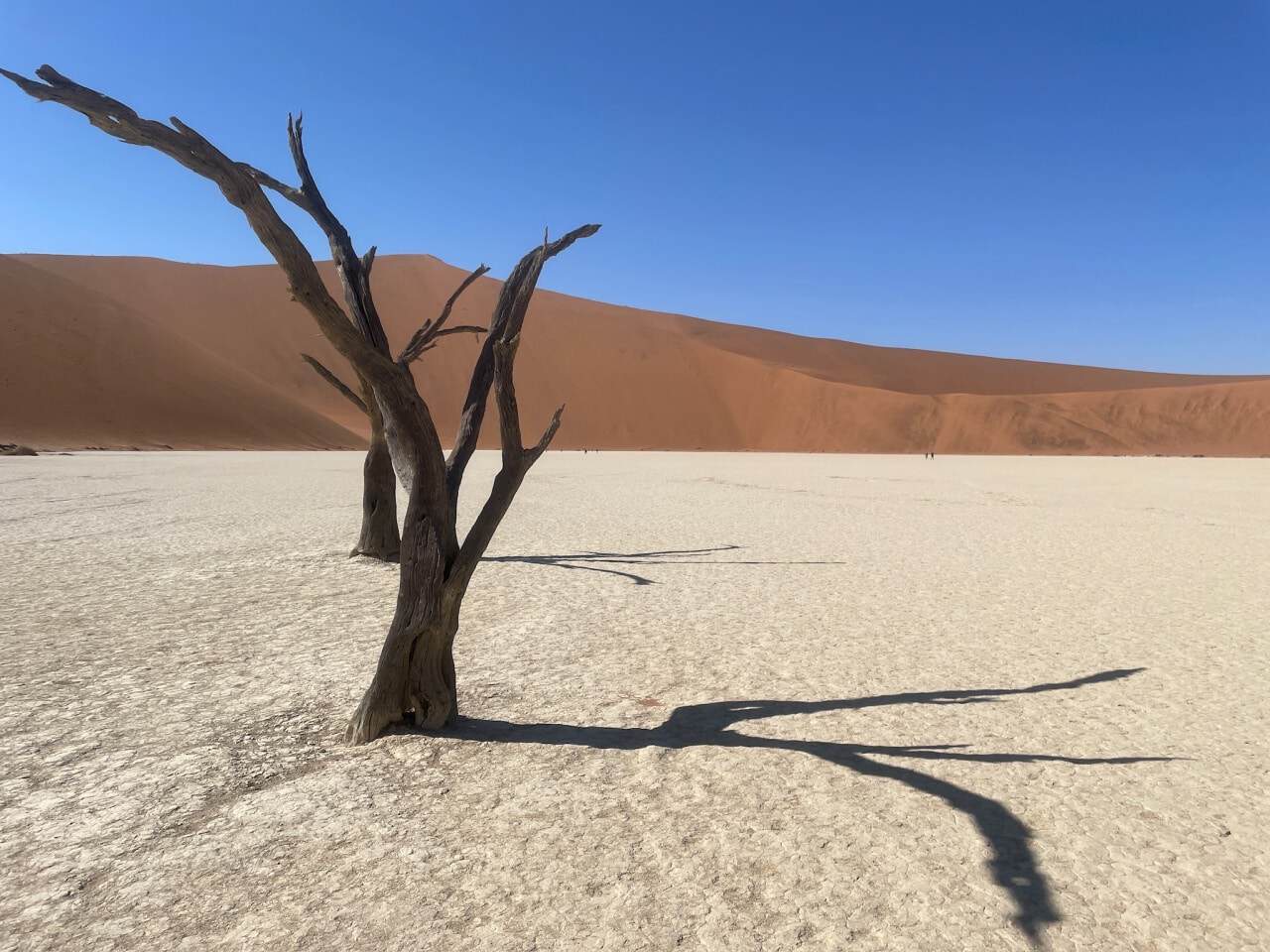
Climbing Dune 45 or Big Daddy is a popular activity, followed by a walk across the dunes to the cracked white clay pan of Deadvlei, where ancient dead camelthorn trees stand in stark contrast to the sky. This is a photographer’s paradise and a place that captures Namibia’s haunting beauty.
The area is also rich in desert-adapted wildlife like oryx, jackals, and reptiles, and the stargazing is excellent due to minimal light pollution.
Swakopmund provides a complete change of pace. This German-influenced coastal town is known for its cooler air, colonial architecture, and wide variety of adventure sports.
Travellers can go sandboarding down dunes, quad biking, skydiving, or take scenic flights over the Skeleton Coast and desert. The nearby town of Walvis Bay is the gateway to marine life tours, where you can see dolphins, seals, pelicans, and sometimes whales.
Swakopmund is also a good place to relax and enjoy seafood, local beer, or explore craft markets. The moderate, mostly cool, climate makes it a pleasant stop any time of year.
Damaraland is a region of striking geological formations and cultural significance. It is home to the UNESCO World Heritage Site of Twyfelfontein, where visitors can view over 2 500 rock engravings created by San hunter-gatherers thousands of years ago.
The area is also known for Brandberg Mountain, the highest peak in Namibia, and the famous White Lady rock painting. Desert-adapted elephants roam the dry riverbeds, and black rhinos can be tracked on foot with local guides.
Accommodation here tends to blend into the environment, offering dramatic views and quiet isolation.
Named for the shipwrecks that line its foggy shores, the Skeleton Coast offers a mysterious and remote experience. It stretches from Swakopmund to the Angola border, but most tours focus on the southern part, where access is easier.
Here you’ll see wind-whipped beaches, dunes running straight into the sea, abandoned mining camps, and colonies of Cape fur seals at places like Cape Cross. The cold Benguela Current keeps the coastline misty and wild, contrasting sharply with the inland desert heat.
Fly-in safaris provide access to the more remote northern reaches, where only a few lodges operate, and visitors can experience complete solitude.
The Caprivi Strip, now officially called the Zambezi Region, is unlike any other part of Namibia. Located in the far northeast, it is a lush, river-rich area bordered by Botswana, Angola, and Zambia.
This is the best region in Namibia for water-based safaris. Rivers like the Zambezi, Kwando, and Chobe support hippos, crocodiles, and dense birdlife.
Several small parks (Bwabwata, Mudumu, Nkasa Rupara) offer excellent game viewing, often with very few tourists.
It’s also a cultural bridge, home to varied communities and traditional fishing villages. Lodges are often built along the water, providing sunset cruises and peaceful views.
The Fish River Canyon is the second-largest canyon in the world and a highlight of southern Namibia. It stretches for 160 kilometres and plunges to depths of 550 metres, offering staggering views from the rim.
Adventurous travellers can take on the Fish River Hiking Trail, a multi-day trek through the canyon floor available only in the winter months and by permit. For others, day visits and short walks from viewpoints like Hobas provide stunning vistas.
Nearby lodges often offer canyon views, natural hot springs (Ais-Ais), and wide desert panoramas.
Most travellers arrive or depart from the Hosea Kutako International Airport near Windhoek, Namibia’s capital, which serves as a convenient launch point. While not a primary attraction, it’s worth a day or two to explore local markets, historic buildings, and museums.
Notable spots include the Christuskirche, the Independence Memorial Museum, and Penduka Village, which supports local women artisans. Windhoek has excellent restaurants and modern accommodation and is the best place to shop for Namibian crafts before heading home.
Lüderitz is a sleepy Atlantic coastal town with German colonial buildings and a windswept harbour. The contrast between the empty desert and historical structures makes this one of Namibia’s most atmospheric stops.
Nearby Kolmanskop is a desert ghost town partially swallowed by sand. Once a diamond mining boomtown, it was abandoned in the 1950s. Today, guided tours take you through sand-filled houses, a bowling alley, and a hospital, all slowly being reclaimed by the desert.
Namibia caters to a wide range of budgets and preferences. Luxury travellers can find unique properties like Serra Cafema on the Kunene River or the Wolwedans Dune Camp in the NamibRand Nature Reserve. These lodges blend environmental sensitivity with style and comfort.
Mid-range travellers are equally well catered for, with numerous lodges, guesthouses, and farm stays offering warm hospitality and local flavour. For those on a tighter budget, campsites are plentiful and often situated in scenic locations, particularly within national parks and conservancies.
Community-run lodges provide an especially rewarding experience. Not only do you get to stay close to nature, but your visit also contributes to the local economy and conservation efforts.
Here are more popular accommodation options in Namibia typically chosen for their self-drive and guided itineraries, classified into budget, mid-range, and exclusive categories:
These are comfortable, cost-conscious options ideal for travellers who prefer essentials without many frills:
These sites typically include breakfast (and often dinner/lunch), clean rooms or chalets, and are strategically placed near major destinations.
Comfortable and well-located, these properties offer good value with added amenities:
These options balance convenience, location, and value, presenting welcoming stays with on-site amenities.
For travellers seeking indulgence, privacy, and top-class service, these estates deliver lofty standards:
These high-end stays include luxury fittings, gourmet meals, and curated wildlife experiences.
|
Tier |
Examples |
Highlights |
|
Budget |
Cornerstone Guesthouse, Etosha Village |
Clean, central, shared meals, near major attractions |
|
Mid-Range |
Sossusvlei Lodge, Frans Indongo, Droombos |
En-suite comfort, pool/GH facilities, all meals included |
|
Exclusive |
Onguma Bush Camp, Onguma The Fort, Droombos |
Luxury, unfenced wildlife, exclusive service, gourmet menus |
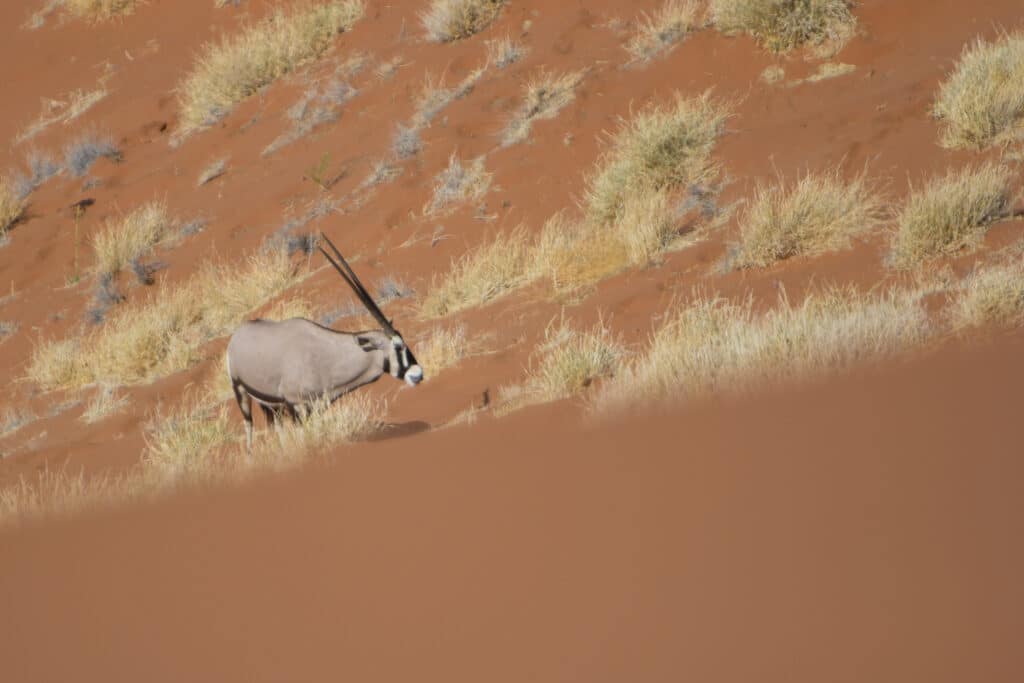
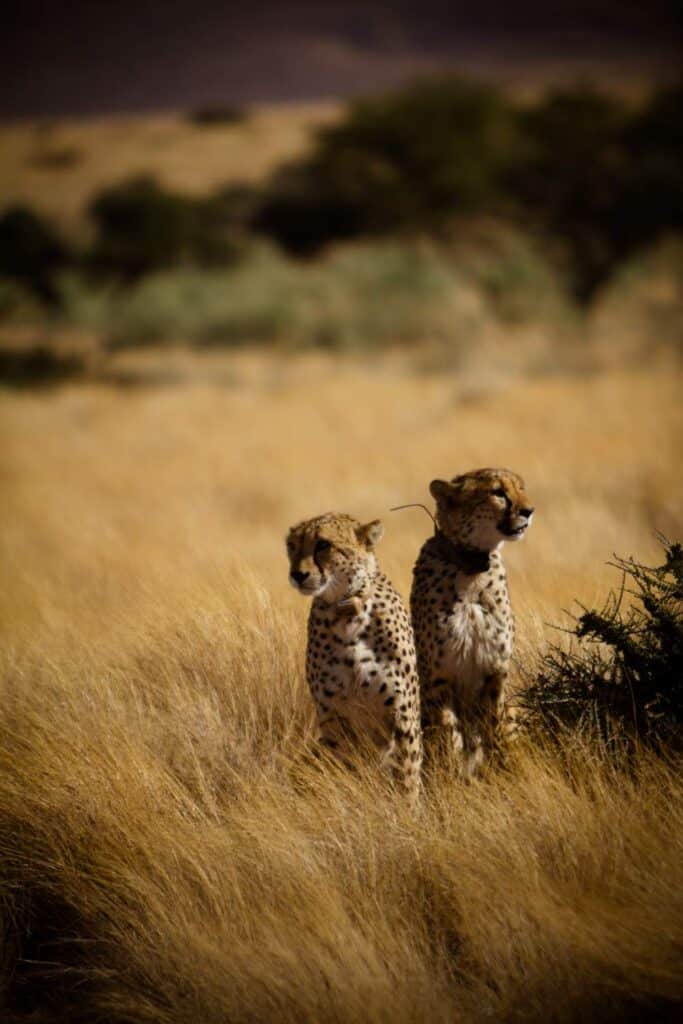
Namibia’s wildlife offering is surprisingly rich, particularly for a country that is largely arid. Etosha is the premier safari destination, where vast salt pans and waterholes draw in a variety of species. Expect sightings of elephants, lions, zebras, giraffes, and more. The park is also one of the best places in Africa to spot black rhino.
In Damaraland and the Kaokoveld, desert-adapted elephants and lions roam freely in the rugged terrain. These animals have evolved unique behaviours to survive in such harsh environments. The Caprivi Strip, in contrast, features lush river ecosystems and offers a completely different safari experience, with hippos, crocodiles, and birdlife aplenty.
Birdwatchers are in for a treat too. Namibia is home to over 600 bird species, from flamingos in Walvis Bay to raptors soaring over the escarpments.
Namibia is an outdoor-lover’s paradise. Climb the highest dunes at Sossusvlei, then ride a quad bike or sandboard down similar slopes near Swakopmund. The coastal town is also a hotspot for skydiving, offering views over the desert and ocean that few places can rival.
Take a scenic flight over the Skeleton Coast or venture by boat into Walvis Bay to see dolphins and seals. Hiking opportunities abound, whether along the Fish River Canyon or on trails in the Erongo Mountains.
Photographers and stargazers will also find Namibia particularly rewarding, thanks to minimal light pollution and clear skies.
For a slower pace, join a cultural tour, visit a local market, or spend time tracking wildlife with a conservation guide. Many lodges offer nature walks, allowing you to appreciate the finer details of Namibia’s ecosystems.
Namibia’s dry season, from June to mid-September, is the most popular time for visitors.
During these cooler winter months, skies remain clear and wildlife gathers around shrinking water sources, making game viewing particularly rewarding. The desert heat softens, and the lack of rainfall keeps roads accessible, especially for those on self-drive adventures.
April and May offer a quieter experience, with some greenery still lingering from the rainy season. If you’re not solely focused on safaris, this can be a beautiful time to travel.
Rainfall tends to peak between January and March, especially in the north. While the summer months bring occasional thunderstorms and higher temperatures, they also offer unique photo opportunities with dramatic skies and short-lived blooms.
Namibia Seasons and Travel Highlights at a Glance:
Season | Months | Weather & Climate | Best For | Wildlife Sightings | Activities |
Dry Winter | June – September | Cool mornings and evenings, dry air, clear skies | Game viewing, self-drive safaris, photography | Excellent wildlife around waterholes in Etosha | Safari drives, photography, stargazing |
Shoulder (Autumn) | April – May | Mild days, little to no rain, greening landscapes | Fewer tourists, scenic drives | Good, especially at end of rainy season | Road trips, cultural visits, landscape shoots |
Wet Summer | January – March | Hot, humid, afternoon storms in north | Birdwatching, dramatic skies, lush scenery | Young animals, migrant birds | Birding, scenic flights, visiting Caprivi |
Hot Spring | October – December | Very hot days, dry with rising temps | Skeleton Coast visits, fewer crowds | Game concentrated around last water sources | Coastal escapes, desert hikes early morning |
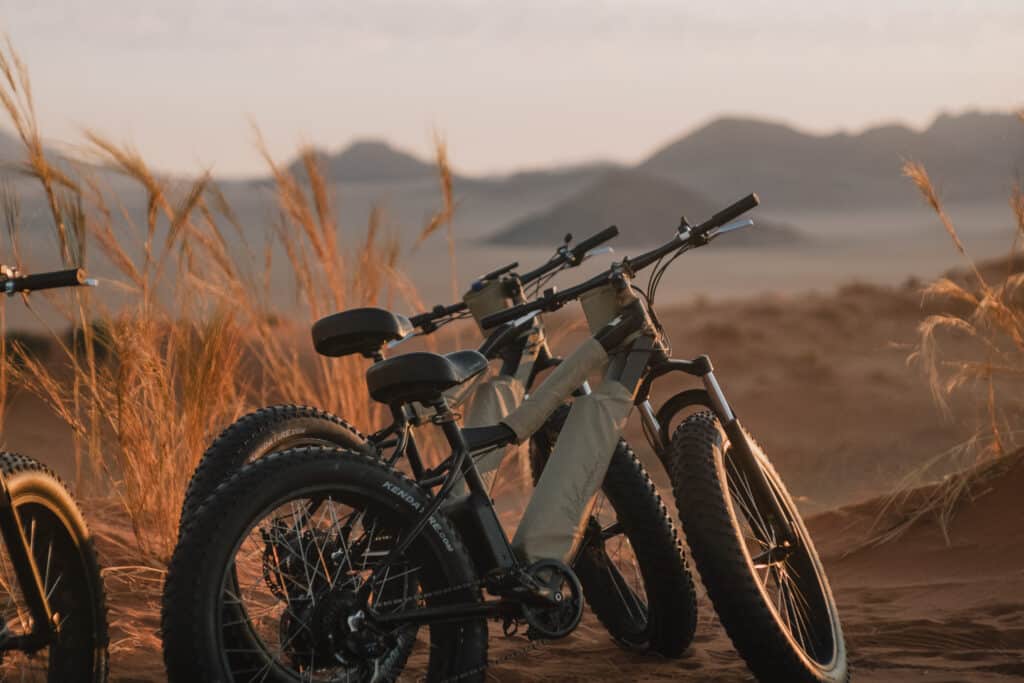
Driving yourself is one of the best ways to explore Namibia. The roads, though largely gravel, are well maintained and the signage is generally reliable. A 4×4 is recommended if you plan to tackle routes through remote parks or venture into deep sand.
With few vehicles on the road and vast distances between towns, travelling through Namibia requires good planning and a reliable vehicle.
Alternatively, guided tours offer peace of mind and insider knowledge, especially for those unfamiliar with self-driving in Africa. There are also domestic flights and air charters for travellers who prefer to skip the long road distances, though these options are more expensive.
Namibia is one of the safest countries to travel in Africa. Crime levels are relatively low, especially in rural areas, and the infrastructure is among the best on the continent. That said, usual travel precautions apply. Avoid walking alone at night in urban areas and secure valuables when leaving your accommodation.
Health-wise, the biggest concerns are the sun and, in some areas, malaria. The risk of malaria is limited mostly to the northern parts of the country and is highest during the rainy season. Consult with a travel clinic before departure.
For many nationalities, visas are either not required or can be obtained on arrival for stays up to 90 days. Always check entry requirements well in advance and ensure your passport is valid for at least six months.
Namibia uses the Namibian dollar (NAD), which is pegged 1:1 with the South African rand. Both currencies are accepted countrywide.
Budget travellers who opt for camping and self-catering can spend around NAD 1,000 to NAD 1,500 per day (approximately USD 55–80 or GBP 45–65). This includes fuel, food, park entry, and basic accommodation.
For mid-range travellers, daily expenses usually range from NAD 2,000 to NAD 3,000 (about USD 110–165 or GBP 90–130), covering car hire, comfortable lodges, meals, and entrance fees.
Luxury travellers opting for fly-in safaris and premium lodges can expect to spend upwards of NAD 6,000 daily (roughly USD 330 or GBP 260), with tailor-made itineraries and guided activities included.
Car rental is often the largest single cost, especially for 4×4 vehicles. Fuel also adds up quickly due to long travel distances. Entry fees for parks are modest, usually around NAD 80 (USD 4.50 or GBP 3.50) per person per day, plus a vehicle fee.
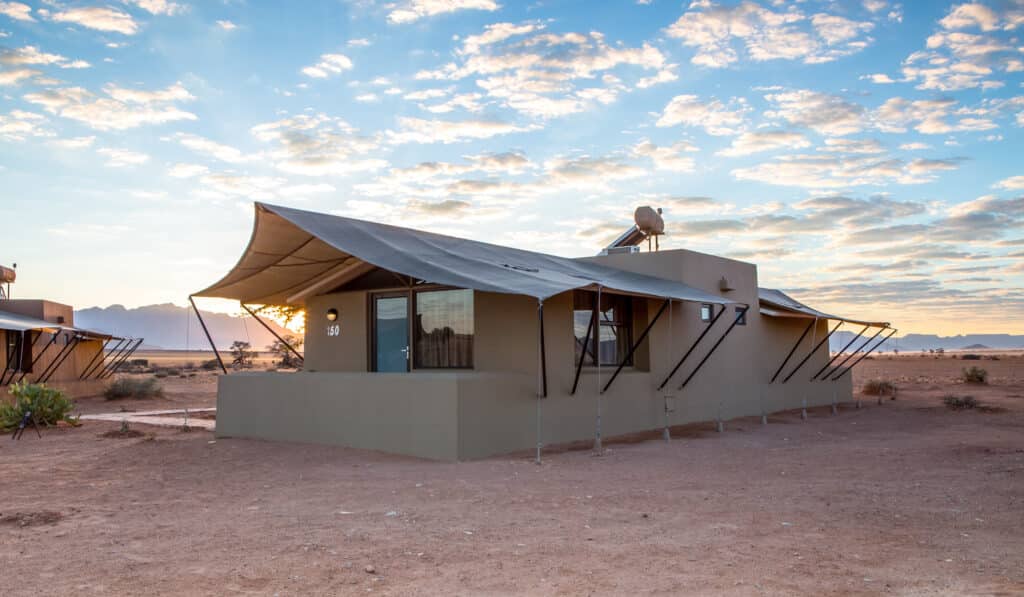
Packing depends on the season and your itinerary, but a few basics apply year-round. Light layers work best for temperature shifts between day and night. A wide-brimmed hat, sunglasses, and high-factor sunscreen are essential. Good walking shoes or boots are a must if you plan to explore on foot.
Bring insect repellent and malaria medication if travelling to affected areas. A headlamp, extra batteries, and a reusable water bottle are practical for remote areas. Don’t forget a camera and binoculars, especially for wildlife and stargazing. Most accommodations provide charging stations but bring a power bank just in case.
To experience Namibia fully, aim for at least ten to fourteen days. This allows time to loop through the country’s highlights, including Sossusvlei, Swakopmund, Damaraland, and Etosha.
If you only have a week, it’s still possible to visit key sites but expect longer drive days.
With more time, consider adding the Caprivi Strip, which feels like a different country altogether with its rivers, wetlands, and traditional villages.
It is generally very safe for tourists, though normal precautions for health and heat are recommended.
Many nationalities can obtain a 90-day visa on arrival; passports must be valid for at least six months.
The best travel season is June to mid-September for dry, cooler weather and prime safari conditions.
Yes, many visitors opt for self-drive in 4×4s, though guided tours offer convenience and expertise.
Namibian dollars are pegged to the South African rand, both of which are widely accepted.
Expect to see elephants, lions, black rhino, giraffes, and many antelope species at the waterholes.
Malaria is present in some northern areas; check current health advice and pack repellents and meds if needed.
You can visit Himba villages, explore rock-art sites like Twyfelfontein and learn from Damara living museums.
Definitely, Namibia offers some of the world’s darkest skies (dark sky reserves) and excellent astronomy tours.



WhatsApp Now