
The Garden Route is South Africa’s ultimate coastal escape, packed with golden beaches, indigenous forests, dramatic cliffs, and charming small towns. Whether you’re cruising in a rental car or joining a guided tour, this road trip delivers a sensory overload in the best way possible.
From the surf-perfect shores of Mossel Bay to the lush Tsitsikamma forests near Storms River, every stop along the Garden Route offers something unique. Taste oysters in Knysna, hike past waterfalls in Wilderness, or bungee jump off the world’s highest bridge at Bloukrans – it’s a region where you can start your day spotting dolphins and end it with a forest picnic under the stars.
If you’re dreaming of a trip that’s equal parts relaxing and exhilarating, the Garden Route tour is calling.
Need more Info?
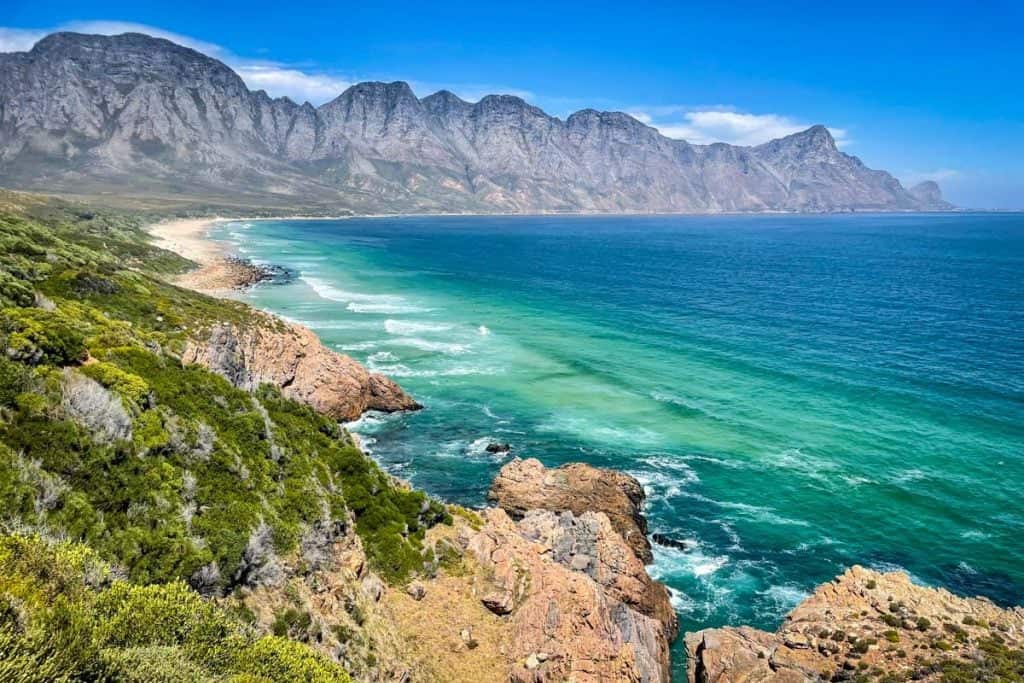
The Garden Route looks easy enough on a map. Follow the coast, stop in a few towns and keep moving east. In practice, most travellers soon realise there is far more to do than they have time for.
That is where planning matters.
The Garden Route combines beaches, indigenous forest, lagoons, mountain passes, hiking trails, small coastal towns and protected natural areas across South Africa’s southern coast. Places such as Wilderness, Knysna, Plettenberg Bay and Tsitsikamma are close enough to combine, but different enough that rushing through them misses much of the point.
For most first-time visitors, the bigger decision isn’t whether to visit. It’s how much time to allow and where to spend it.
Yes. The Garden Route is worth visiting if you enjoy coastal scenery, nature, hiking, small towns, and outdoor activities.
Four to seven days gives most travellers a good amount of time to explore without spending the entire trip in the car. Shorter trips are possible, particularly on a guided tour, while a week or longer allows for slower stays and detours into places such as Oudtshoorn and the Little Karoo.
The Garden Route works particularly well alongside Cape Town and can also be combined with a safari for travellers wanting a broader South African holiday.
The Garden Route is a scenic stretch of South Africa’s southern coast that runs from Mossel Bay to Storms River. You travel between beaches, lagoons, forests, and small towns, stopping for meals and outdoor activities along the way. The Garden Route is popular for a self-drive holiday or an organised tour. Give yourself several days if you want to spend time outside the car, and choose a few places to stay.

Question | Quick Answer |
Where is the Garden Route? | Along South Africa’s southern coast |
Main route | Mostly along the N2 |
Popular stops | Mossel Bay, Wilderness, Knysna, Plettenberg Bay and Tsitsikamma |
Useful airport | George Airport |
Good trip length | 4–7 days |
Best for | Scenery, nature, hiking, beaches, families and road trips |
Self-drive friendly? | Yes |
Guided tours available? | Yes |
Can you add a safari? | Yes |
Good for families? | Yes, with sensible driving distances and age-appropriate activities |
MoAfrika Tours has been helping travellers explore South Africa for more than two decades. Our team works with guests travelling between Cape Town, the Garden Route and South Africa’s wildlife regions, so we see the same planning issue regularly: people underestimate how much there is to do along this stretch of coast.
You can cover a surprising amount of ground in a few days. That doesn’t necessarily mean you should.
A Garden Route trip usually feels better when you choose a handful of places properly rather than trying to tick off every town between Cape Town and the Eastern Cape.

The Garden Route follows the southern coast along the N2 between Mossel Bay and Storms River. Wilderness, Sedgefield, Knysna and Plettenberg Bay are among the places travellers commonly include.
Cape Town and Gqeberha are useful gateways, but they aren’t generally considered the start and end of the Garden Route itself. A trip from either city can include worthwhile places beyond the central route, so check exactly what an itinerary covers when someone calls it a “Garden Route trip”.
There’s no requirement to drive every section or stop in every town. You could spend several nights around Knysna and Plettenberg Bay, take a slower journey across the full route or add an inland detour if it interests you. The best route will depend on whether you’re drawn to beaches, walking, small towns or leisurely time on the road.
The main Garden Route towns offer different kinds of stops. Picking two or three that suit you usually works better than changing accommodation every night.
Mossel Bay is a useful western starting point if you’re arriving from the Cape Town direction. It has a harbour-town setting and coastal activities, and gives you a place to pause before continuing east.
Wilderness suits travellers who want easy access to beaches, waterways and nature walks. It can make a relaxed overnight base if you’d rather spend a day outdoors than move on immediately.
Sedgefield is a smaller stop between Wilderness and Knysna. Consider Sedgefield if a quieter base appeals to you or if you’d like time around the lakes and coastline without staying in a larger town.
Knysna works well as a central base. The lagoon setting with restaurants and surrounding nature areas gives you options for both active days and slower hours. If you prefer unpacking once and exploring nearby places, it’s worth considering for more than a single night.
Plettenberg Bay brings beaches and coastal scenery into sharper focus. It’s also a practical base for nearby walks, including Robberg Nature Reserve, if you’d like to combine time by the sea with outdoor activities.
Storms River and Tsitsikamma suit travellers whose priority is forest, rocky coastline and walking. This eastern stretch is different from the lagoon towns farther west. Give yourself time for the nature areas in this region, as they are well worth the time.
These are starting points, not a prescribed sequence of overnight stops. Choose bases according to what you want to do, then use shorter visits for the towns you’re curious about along the way.

The appeal is variety.
You can walk through indigenous forest in the morning, stop beside a lagoon for lunch, and reach a wide beach or rugged coastline later the same day.
The region is particularly good for travellers who want more than a beach holiday but don’t want every day built around long transfers.
Depending on your route, you can combine:
It is this mix that makes the Garden Route easy to include in a first trip to South Africa.

A Garden Route holiday can be as active or relaxed as you like. You can walk coastal or forest trails, spend time on beaches, explore viewpoints and nature reserves, or take to the water where suitable activities are operating.
Garden Route National Park includes areas around Wilderness, Knysna and Tsitsikamma, making nature-based stops relatively easy to build into a journey. Activities in and around the wider route range from short walks to more demanding hikes, as well as kayaking and other outdoor experiences where available.
The towns are part of the trip too. A meal or an afternoon with no fixed plan can be more enjoyable than squeezing another attraction into the day.
If wildlife is one of your interests, keep your expectations specific. Coastal or forest encounters are different from a dedicated Big Five safari, and sightings are never assured. You can combine the Garden Route with a separate safari area if wildlife viewing is a major purpose of your South Africa holiday.
Mossel Bay is often treated as the western gateway to the Garden Route.
It works well for travellers interested in beaches, coastal views and history, and it is conveniently positioned for trips continuing east or connecting with nearby private game reserves.
Mossel Bay can also make sense if you are coming from Cape Town and don’t want your first driving day to stretch too far.
Good for: beaches, families, coastal scenery and shorter Garden Route trips.
George is the region’s main commercial centre and one of its most useful transport hubs.
George Airport makes it possible to fly into or out of the region rather than driving the entire distance back to Cape Town. Car hire is also available here.
Many travellers use George as a gateway rather than the main focus of their holiday.
Good for: flight connections, golf, road-trip logistics and access to the Outeniqua Mountains.
Wilderness is one of the places where slowing down makes sense.
The area has beaches, lakes, rivers, and forests, while the Wilderness section of Garden Route National Park gives travellers access to walking trails and water-based activities.
It is particularly appealing if you prefer nature to busy sightseeing.
Good for: canoeing, hiking, birding, beaches and quieter stays.
Knysna is one of the Garden Route’s best-known towns.
The lagoon, Knysna Heads and surrounding forests give the town a very different feel from the open beaches farther along the coast. There is also a good choice of restaurants and accommodation, making it an easy place to spend more than one night.
Knysna is a practical base if you don’t want to change hotels every day.
Good for: couples, families, restaurants, lagoon scenery and relaxed multi-night stays.
Plettenberg Bay, usually called Plett, is one of the stronger choices if beaches and coastal activities are high on your list.
The town also puts you close to Robberg Nature Reserve and within easy reach of attractions between Knysna and Tsitsikamma.
Marine wildlife trips operate from this part of the coast, although sightings depend on season and conditions.
Good for: beaches, coastal walks, marine activities, families and longer stays.
Tsitsikamma is where the Garden Route starts to feel wilder.
The landscape combines dense indigenous forest with a rugged coastline, river mouths, and walking trails. Storms River Mouth is one of the best-known stops, particularly for the suspension bridges and coastal scenery.
Don’t try to squeeze Tsitsikamma into an hour between two long driving days. It deserves time on foot.
Good for: hiking, forest, adventure activities and dramatic coastal scenery.
Oudtshoorn is inland, but it fits naturally into many Garden Route itineraries.
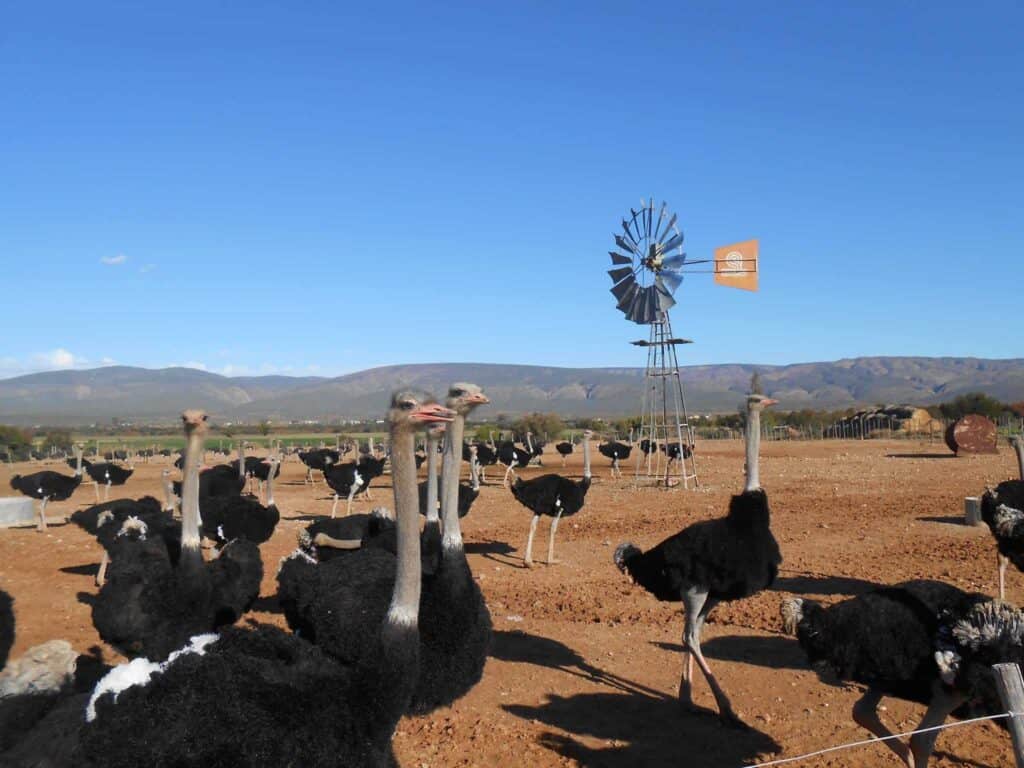
Crossing the mountains also shows you how quickly South Africa’s landscape can change. The lush coast gives way to the drier Little Karoo, where the Cango Caves and ostrich farms are among the best-known attractions.
Good for: families, geology, road trips, and travellers wanting more landscape variety.

If time is limited, don’t choose stops simply because they are famous.
Choose according to what you actually enjoy.
Traveller interest | Places worth prioritising |
Beaches | Plettenberg Bay, Wilderness, Mossel Bay |
Hiking | Tsitsikamma, Robberg, Wilderness |
Food and relaxed town stays | Knysna, Plettenberg Bay |
Forest and nature | Tsitsikamma, Wilderness, Knysna |
Adventure activities | Tsitsikamma, Bloukrans area |
Families | Mossel Bay, Wilderness, Knysna, Plettenberg Bay |
Little Karoo scenery | Oudtshoorn |
Short trip | Wilderness, Knysna and Plettenberg Bay |
Slower trip | Add Mossel Bay, Tsitsikamma and Oudtshoorn |
Garden Route National Park protects some of the region’s most important forests, lakes, rivers, and coastline.
Rather than occupying one continuous block, the park includes three main areas:
That matters when planning because you won’t simply “visit the national park” once and move on. Different sections can form part of different days of your Garden Route journey.
Wilderness suits travellers interested in lakes, rivers and forest walks. Knysna protects important forest and estuarine environments, while Tsitsikamma is known for its rugged coast, forest and hiking.
For current conservation fees, opening information, trail conditions and park notices, check SANParks before travelling.

For most travellers, four to seven days is a sensible range.
Two or three days can work if your time in South Africa is limited, but the trip becomes much more selective. You will spend a larger share of it travelling.
Time available | What it feels like |
2 days | Very short; choose a focused itinerary |
3 days | Enough for selected highlights |
4–5 days | Good for most first-time visitors |
6–7 days | More relaxed with time for activities |
8+ days | Better for slow travel, hiking, and inland detours |
Five days is a particularly useful middle ground. You can see several different landscapes without changing pace every few hours.
Travellers wanting transport, accommodation and daily planning handled for them can compare MoAfrika’s Garden Route tours, which currently range from short two-day trips to longer Garden Route itineraries.
There are many ways to travel the route. This is a planning example rather than a fixed tour itinerary.
Day | Suggested Area | What to Do |
Day 1 | Cape Town to Mossel Bay / Wilderness | Travel east, stop along the way, and settle into the coast |
Day 2 | Wilderness and Knysna | Forest, canoeing or walking, followed by Knysna |
Day 3 | Knysna and Plettenberg Bay | Knysna Heads, beaches or Robberg |
Day 4 | Tsitsikamma | Storms River Mouth, forest and coastal walks |
Day 5 | Continue east or begin return journey | Add activities, safari or onward travel depending on itinerary |
If Oudtshoorn is important to you, allow another day or replace one of the coastal nights rather than simply adding several hours of driving.
Travellers who prefer an organised itinerary can also compare MoAfrika’s 5-day Garden Route tours.
The Garden Route can be visited throughout the year.
There isn’t one obvious best month because weather and traveller priorities vary.
Summer is popular for beaches and outdoor holidays.
Expect warmer conditions and more South African holiday traffic, particularly around Christmas and New Year.
If travelling during peak summer, book accommodation well ahead.
Autumn can be a good compromise.
Temperatures tend to be comfortable for walking and sightseeing, while some areas feel less busy once the main summer holiday period has passed.
Winter brings cooler weather and changing conditions along the coast.
This can still be a good time for hiking, road trips, and seasonal whale watching, but pack layers and rain protection.
Spring is a good period for outdoor travel as the landscape changes and temperatures start warming.
It can suit travellers who want to avoid the busiest summer holiday period.
Season | Good For | Keep in Mind |
Summer | Beaches, family holidays, long days | Busy peak periods |
Autumn | Hiking, road trips, milder weather | Conditions can vary |
Winter | Whale season, quieter travel, hiking | Cooler and wetter spells possible |
Spring | Nature, walking, road trips | Weather can still change quickly |
Coastal weather is never completely predictable. Pack for changes rather than planning around a perfect forecast.

Both work well.
The right choice depends less on which is “better” and more on how you like to travel.
Self-Drive Garden Route | Guided Garden Route Tour |
More freedom over daily stops | Less planning |
Easy to change your route | Transport is handled |
Good for independent travellers | Local guide included |
Can suit longer, slower trips | Useful when time is limited |
You handle navigation and driving | You can focus on the journey |
Accommodation must be organised separately | Accommodation may be included depending on the tour |
Some travellers also prefer a private Garden Route tour, particularly families, couples, and small groups who want the convenience of a guide without having to follow a larger group’s pace.
The right option comes down to how much independence you want versus how much planning you would rather hand over.

Yes, but the Garden Route shouldn’t be confused with Kruger National Park.
Wildlife experiences here can include marine animals, birds, smaller wildlife, protected natural areas, and visits to nearby game reserves.
Some Garden Route itineraries also include safari experiences at private reserves or extend east towards Addo Elephant National Park.
If a traditional Big Five safari is one of the main reasons you are travelling to South Africa, consider combining the Garden Route with a dedicated safari rather than expecting the coastal route to replace Kruger.
Wildlife sightings remain unpredictable wherever you travel.
Usually, yes.
The Garden Route works well for families because activities can be mixed according to age and energy levels.
A family itinerary might combine:
The biggest mistake with younger children is planning too much driving.
Two nights in one place can be far easier than packing the car every morning.
The Garden Route is one of South Africa’s established tourism regions, and thousands of local and international travellers explore it by road.
Normal travel precautions still matter.
Keep valuables out of sight, lock your vehicle, avoid leaving luggage visible when parked, and ask your accommodation or guide for local advice before heading into unfamiliar areas.
For self-drive trips, allow enough time to reach your accommodation before dark where practical. It makes navigation easier and removes unnecessary stress.
Don’t pack for one type of weather.
Conditions can change as you move between the coast, forest, mountains, and Little Karoo.
Useful items include:
If you plan on serious hiking, pack for the trail rather than relying on everyday trainers and casual clothing.
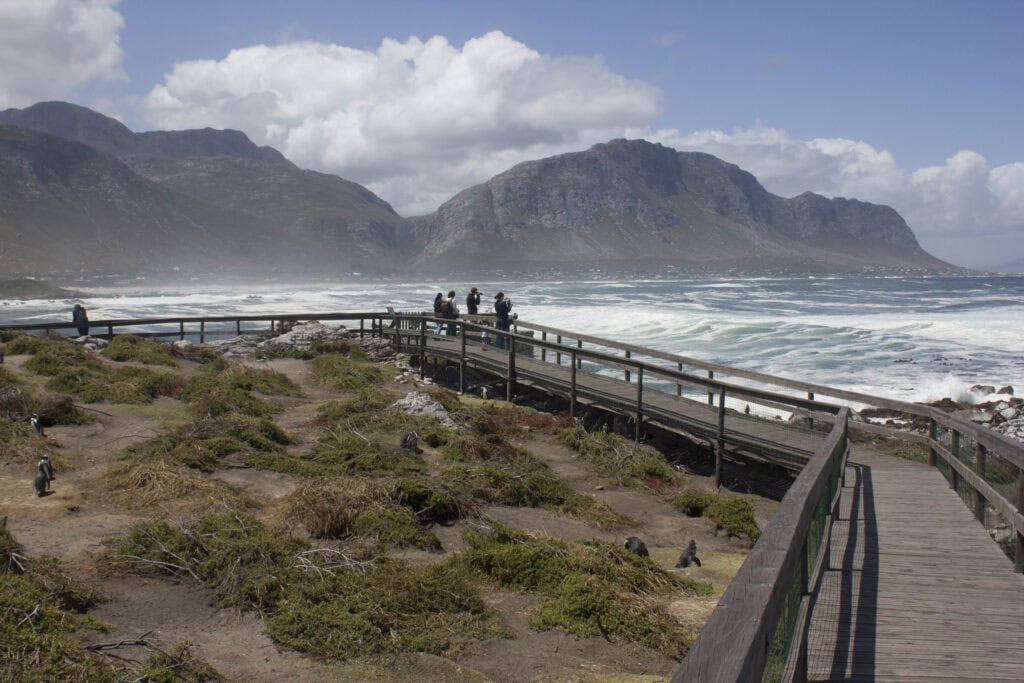
This is the big one.
A list of 15 stops might look efficient on paper. Once you add meals, viewpoints, walks, check-ins, and unexpected stops, it stops feeling like a holiday.
Pick fewer places.
Moving every day works on short guided itineraries, but independent travellers often enjoy the route more when they stay two nights in one or two key places.
Knysna, Wilderness and Plettenberg Bay all work well as bases.
Distance isn’t the only factor.
The whole point of the Garden Route is stopping along the way. A journey that looks short on Google Maps can fill much of the day once you actually start exploring.
Popular activities and accommodation can fill up during peak periods.
If something is important to the trip, book it rather than hoping there will be space.
The region has wildlife, but it is primarily a coastal and nature journey.
If seeing lions, elephants, rhinos and other large African wildlife is a priority, build a proper safari into the wider holiday.
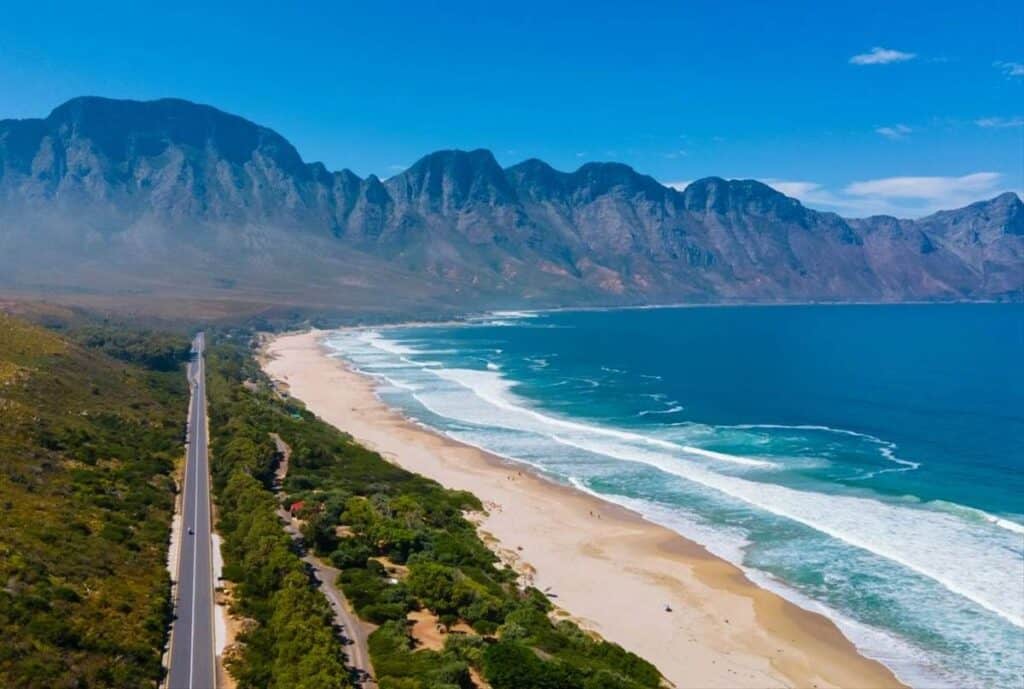
For a first Garden Route trip, four or five days is a good starting point
Three days work when time is tight. Six or seven gives you more freedom to walk, stop for lunch, spend time on beaches, and stay somewhere for more than a night.
If you are self-driving, resist the temptation to add every town.
If you are joining a guided tour, a shorter itinerary can cover more because the route, accommodation and daily logistics have already been organised.
The right Garden Route trip isn’t the one with the longest list of stops. It’s the one where you still have time to enjoy them.
⭐⭐⭐⭐⭐
Danielle K. – United Kingdom
Before you book, settle the essentials:
If you’d prefer someone else to connect the stops and manage the logistics, browse the available Garden Route tours. Otherwise, use your chosen bases to build a journey that gives you time to get out of the car.
There is no need to see the whole Garden Route in one visit.
Give yourself enough time to get out of the vehicle, walk through the forest, spend an afternoon beside the coast, and stay somewhere long enough to see more than the hotel room.
If you would rather have the route, transport and accommodation organised for you, compare MoAfrika’s Garden Route tours or speak to our team about an itinerary that fits the amount of time you have.
The Garden Route rewards a slower pace. Most travellers remember the places where they stopped far more clearly than the kilometres they covered.
There is some debate about its exact boundaries, but travellers commonly treat the Garden Route as the coastal region running from around Mossel Bay through George, Wilderness, Knysna and Plettenberg Bay towards Tsitsikamma and Storms River. Many itineraries also include nearby Oudtshoorn and the Little Karoo.
Four to seven days suits most first-time travellers. Three days is possible if you focus on selected highlights, while a week gives you more time for hiking, beaches, activities and slower stays.
Yes, particularly if you enjoy road trips, coastal scenery, hiking, forests and small towns. It also combines well with Cape Town and a safari, making it useful for travellers who want to see several different sides of South Africa.
The Garden Route is popular with self-drive travellers, and the N2 connects the main towns. Self-driving gives you more freedom, but remember that stops and activities add considerably to journey times. Avoid planning each day around driving distance alone.
Not necessarily. Self-driving gives you more independence, while a guided tour removes much of the planning and driving. Guided trips can be particularly useful for first-time visitors or travellers trying to see the region within a shorter holiday.
There isn’t one best month for everyone. Summer suits beach holidays; autumn and spring are good for general touring and hiking, while winter can appeal to travellers interested in quieter travel and seasonal whale watching.
Some private reserves in and around the broader Garden Route region offer safari experiences, and some organised itineraries include Big Five game drives. If wildlife is the main purpose of your holiday, though, a dedicated safari destination such as Kruger provides a very different experience.
Yes. Beaches, caves, short walks, wildlife experiences and outdoor activities make the region family-friendly. Families with younger children usually find the trip easier when they limit long driving days and spend more than one night in selected towns.
Yes. It is one of the most common ways to structure a South African coastal holiday. You can drive from Cape Town, join an organised tour or use George Airport for part of the journey if you don’t want to retrace the entire route.
Yes. This is often a good option for international visitors. The Garden Route gives you coast, forest, towns, and outdoor activities, while a dedicated safari adds the wildlife experience many travellers associate with South Africa.




WhatsApp Now