
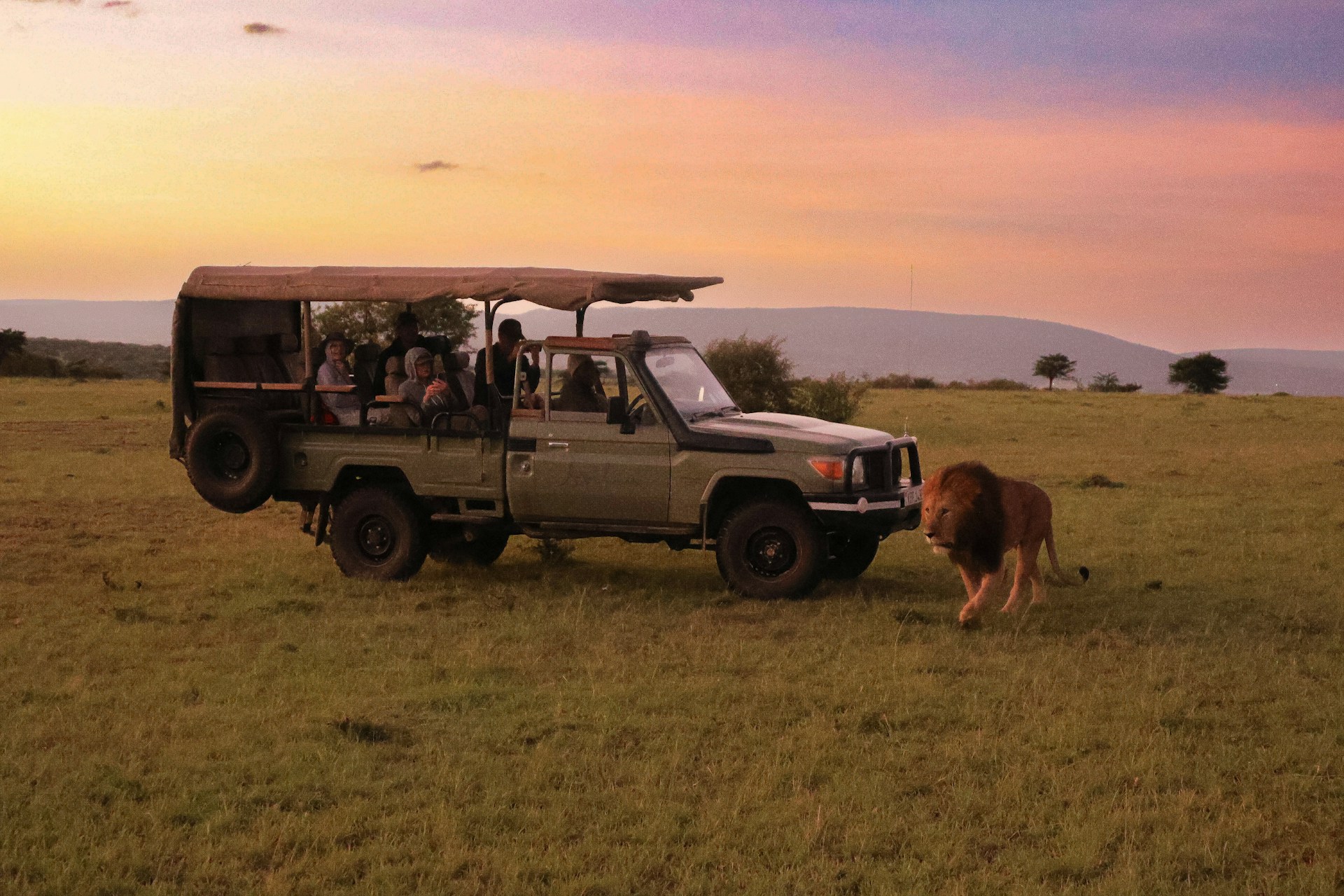
Timbavati Private Nature Reserve is an iconic conservation area situated in South Africa’s Lowveld region.
This reserve forms part of the Greater Kruger National Park and contributes to the vast Kruger 2 Canyons UNESCO Man and Biosphere system.
With over 53,000 hectares of wilderness, Timbavati is home to diverse wildlife, including the Big Five, and is renowned for its rare white lions. The reserve is a key player in the Great Limpopo Transfrontier Conservation Area (GLTFCA), a cooperative project linking South Africa, Mozambique, and Zimbabwe in efforts to protect biodiversity and promote sustainable use of natural resources
Timbavati’s history is deeply intertwined with the broader conservation efforts in South Africa. One of the most significant moments in the reserve’s history came in 1993 when the fences separating Timbavati from the Kruger National Park were removed.
This decision opened the area up to wildlife migration, effectively integrating it into the Greater Kruger National Park and increasing the overall conservation area by 184,000 hectares.
The removal of fences between Timbavati and the neighbouring Thornybush Reserve added another 14,500 hectares to the landscape. This bold initiative encouraged the free movement of animals, including elephants, lions, and other species, allowing for a more natural ecosystem.
This cross-boundary cooperation has been essential in creating a unified conservation zone in which the animals can roam freely across reserves, promoting genetic diversity and healthier wildlife populations.
Timbavati Private Nature Reserve is part of the Associated Private Nature Reserves (APNR), which includes several neighbouring reserves such as Klaserie, Umbabat, Balule, and Thornybush.
Together, these reserves form part of the 184,000-hectare Greater Kruger National Park, which is connected to the world-famous Kruger National Park. Timbavati alone covers more than 53,000 hectares of land, with its varied landscape offering habitats for a wide range of animal and plant species.
The importance of Timbavati lies not just in its contribution to wildlife conservation but also in its role within the GLTFCA, a conservation area that spans three countries. This transboundary project enhances biodiversity protection while fostering collaboration among South Africa, Mozambique, and Zimbabwe, making Timbavati an integral part of a larger conservation effort.
The Timbavati Private Game Reserve is home to an impressive array of wildlife. It is best known for its populations of the Big Five—lion, leopard, rhinoceros, elephant, and buffalo—making it a top destination for safari enthusiasts. The rare white lions of Timbavati are particularly famous and have become a symbol of the reserve’s commitment to protecting endangered species.
In addition to the Big Five, Timbavati hosts various other species, including cheetahs, hyenas, zebras, giraffes, and a rich variety of bird species. Endangered species such as the black and white rhinoceros, pangolins, and southern ground hornbills also thrive within the reserve.
Conservation programmes within Timbavati, such as anti-poaching units and wildlife monitoring, play a crucial role in ensuring the long-term survival of these species.
The flora of Timbavati is equally diverse, with typical Lowveld vegetation including bushveld, grasslands, and riverine forests. The natural landscape supports a variety of tree species, including marula trees, knobthorns, and acacias, which provide essential food and shelter for the reserve’s wildlife.
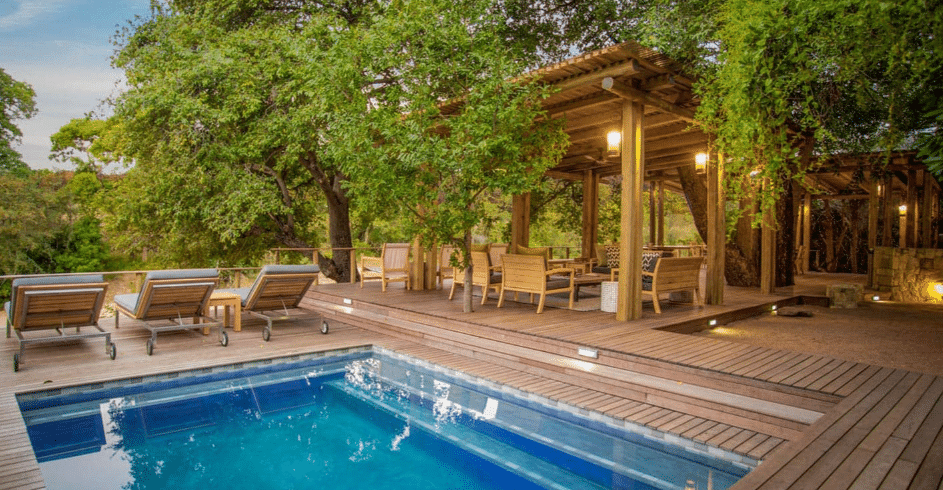
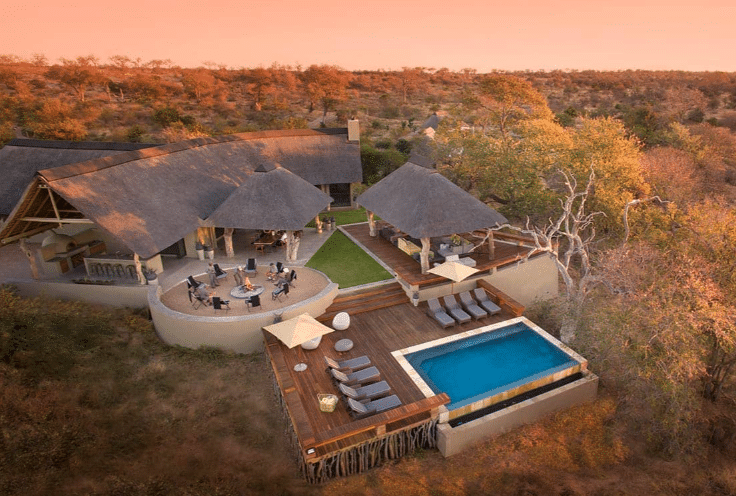
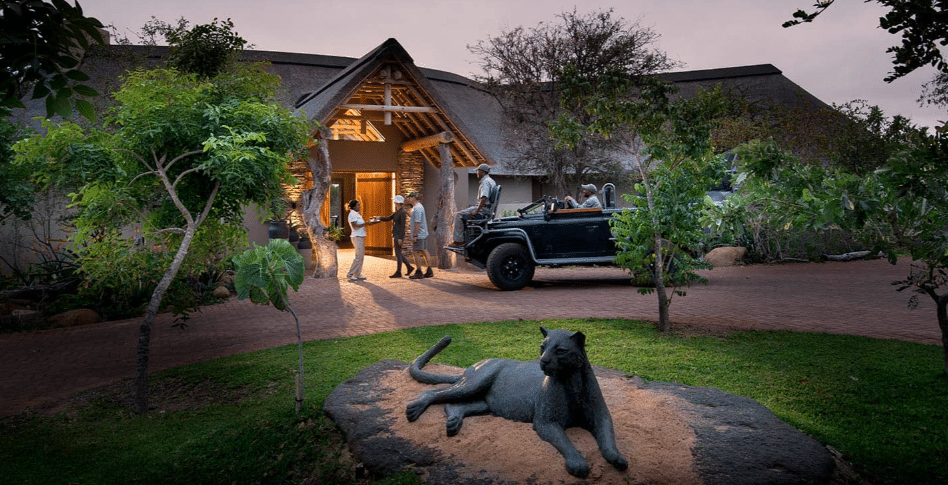
One of the core missions of Timbavati is to balance conservation with sustainable tourism. The reserve is home to several luxury lodges that offer high-end safari experiences, attracting both local and international tourists.
Safari lodges, such as Simbavati River Lodge and Simbavati Hilltop Lodge, are set within the reserve, offering guests the opportunity to experience close encounters with wildlife while contributing to the local economy.
This responsible tourism model provides significant employment opportunities for neighbouring communities and generates the revenue necessary to fund conservation efforts. Additionally, the Timbavati Foundation, an outreach initiative, runs educational programmes for schoolchildren in the surrounding areas and promotes sustainable farming practices and environmental awareness.
The Timbavati Private Nature Reserve is professionally managed to maintain its status as a leading conservation area. The management authority is responsible for protecting wildlife, enforcing anti-poaching measures, and overseeing tourism activities.
Research is a key part of the reserve’s operations, with Timbavati supporting various projects aimed at understanding and improving conservation practices.
Researchers study everything from predator-prey dynamics to the movements of endangered species, contributing valuable data that informs both local and global conservation strategies. Through these efforts, Timbavati continues to play a crucial role in preserving South Africa’s natural heritage.
The Timbavati Foundation is a critical extension of the reserve’s conservation mission. It focuses on supporting local communities by providing essential services such as boreholes for clean water and sustainable farming techniques.
The foundation also educates youth about the importance of conservation and wildlife, fostering a sense of stewardship for future generations. By involving local communities, the foundation helps to create a culture of conservation that benefits both people and wildlife.
Timbavati Private Nature Reserve stands as a testament to the power of collective action in conservation. From its origins in the 1950s to its integration into the Greater Kruger National Park, Timbavati has grown into a model of sustainable wildlife protection and community engagement.
Its vast landscapes, thriving wildlife populations, and dedication to preserving endangered species make it one of South Africa’s most significant conservation areas. As part of the broader Great Limpopo Transfrontier Conservation Area, Timbavati continues to be a vital player in global biodiversity efforts, offering a unique and rewarding experience for those who visit its pristine wilderness.