Need more Info?

Umbabat Private Nature Reserve (UPNR), also known as the Umbabat Game Reserve, is a cardinal part of South Africa’s conservation landscape, covering approximately 18,000 hectares within the heart of the Mpumalanga province.
Located adjacent to some renowned reserves, including Timbavati, Klaserie, and the Kruger National Park, Umbabat plays a significant role in the collective conservation efforts of the Associated Private Nature Reserves (APNR), a network of private reserves collaborating to ensure the preservation of wildlife in this ecologically rich region.
The Umbabat Nature Reserve was founded in 1969 with a land area of 7,500 hectares.
During its early years, the reserve operated as an independent conservation area; however, as the APNR required a minimum land area of 15,000 hectares for membership, Umbabat expanded to meet these criteria. In 1991, the reserve grew to its current size by incorporating share-block reserves, and this expansion allowed it to formally join the APNR.
The original 7,500 hectares, known as Group 13, transitioned into the Umbabat Wilderness Conservation Association (UWCA), an entity that governed the reserve through the newly created UPNR constitution. This governance structure persisted until 2014, evolving further to support collaborative management under a federal approach.
In this setup, each of Umbabat’s constituent areas manages its own conservation, security, and resource activities while cooperating under the greater UPNR framework. This structure provides the flexibility needed for each entity to address localised challenges and specific conservation needs.
Managed tourism activities, including game drives and guided walks, allow visitors to experience wildlife up-close while generating revenue that directly supports conservation projects. Furthermore, Umbabat’s outreach initiatives focus on environmental education and local community involvement, creating opportunities for local residents to engage with and benefit from conservation activities.
Through partnerships with neighbouring reserves, Umbabat provides employment and training for local people in various roles, from field guides and conservation officers to administrative and hospitality positions within lodges. This engagement not only bolsters the reserve’s operational capacity but also fosters a sense of stewardship among community members, empowering them to participate actively in protecting the region’s natural heritage.
Ownership of the Umbabat Private Game Reserve is diverse, as various landowners collectively manage its different sections. These landowners share a unified vision of wildlife conservation but maintain autonomy over day-to-day operations, such as anti-poaching efforts, hunting regulations, and fundraising.
The reserve’s federal management structure is overseen by a chairperson whose role alternates biennially between representatives of the UWCA and the Nkorho Reserves. The current structure ensures collaborative decision-making while allowing for independent management practices in response to the distinct needs of each entity within the reserve.
In terms of day-to-day operations, the reserve relies on a blend of resident and external teams, including highly trained anti-poaching units.
Umbabat’s counter-poaching initiatives are particularly noteworthy, as these teams work with advanced surveillance, tracking technologies, and trained personnel to prevent illegal hunting activities and secure vulnerable species like the rhino
Umbabat is characterised by diverse terrain, including riverine forests, acacia woodlands, and open savannahs, which support a rich array of plant and animal life.
Its flora includes indigenous trees such as marula, knobthorn, and leadwood, which are integral to the ecosystem. These trees not only sustain herbivores but also provide habitat for numerous bird species and smaller mammals. This biodiversity contributes significantly to the resilience and ecological balance within the reserve, offering shelter and sustenance to a wide range of species.
The Umbabat Private Game Reserve supports several biodiversity management projects aimed at improving the health and stability of its ecosystems. Research is a key component, with studies focusing on predator-prey dynamics, elephant population control, and habitat restoration. These projects offer insights into how the reserve can better manage resources, protect endangered species, and maintain ecological equilibrium amid challenges like climate change and human-wildlife conflict.
Each year, the reserve conducts aerial surveys to track population dynamics of key species, enabling managers to monitor trends and make informed decisions on interventions, if needed. For example, predator studies help maintain a balanced number of apex predators, which in turn regulates herbivore populations, thereby preserving vegetation health.
Other research efforts include monitoring breeding patterns, migration routes, and seasonal behaviours of migratory birds, all of which contribute to a holistic understanding of the reserve’s biodiversity
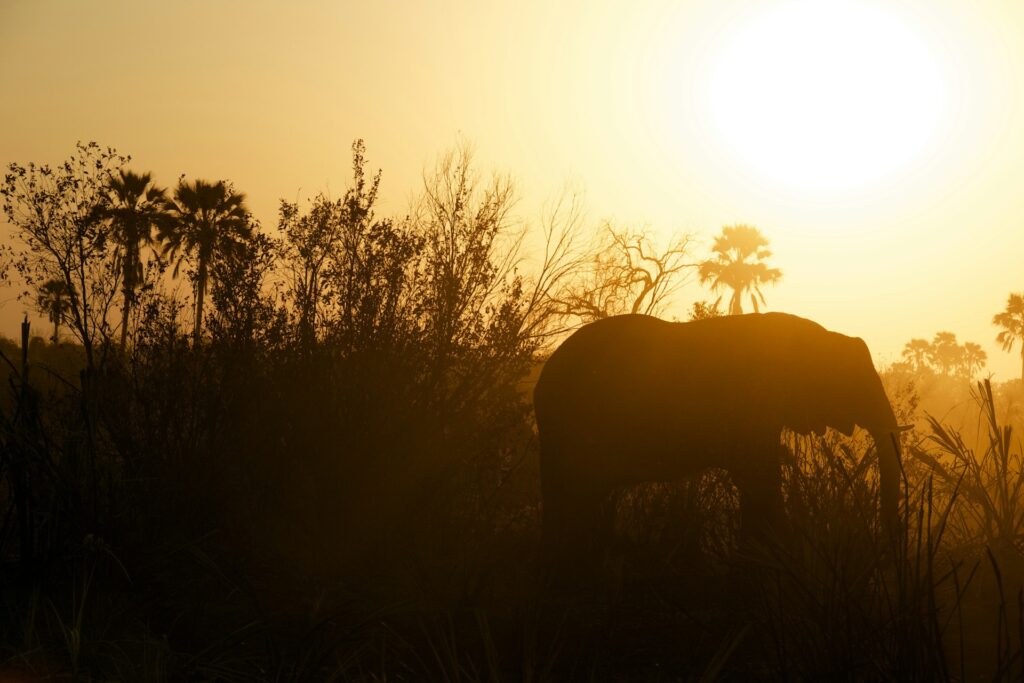
One of the most compelling aspects of the Umbabat Game Reserve is its diverse wildlife, particularly its population of the “Big Five” — lions, leopards, elephants, buffalo, and rhinos.
The presence of these iconic species attracts global visitors and underscores the ecological importance of the APNR’s open-border policy, allowing animals to roam freely across reserves, fostering genetic diversity and natural population control.
Umbabat’s open boundary with Kruger National Park is especially advantageous, as it enhances migration patterns and offers animals an expansive territory that mitigates the risks associated with habitat fragmentation.
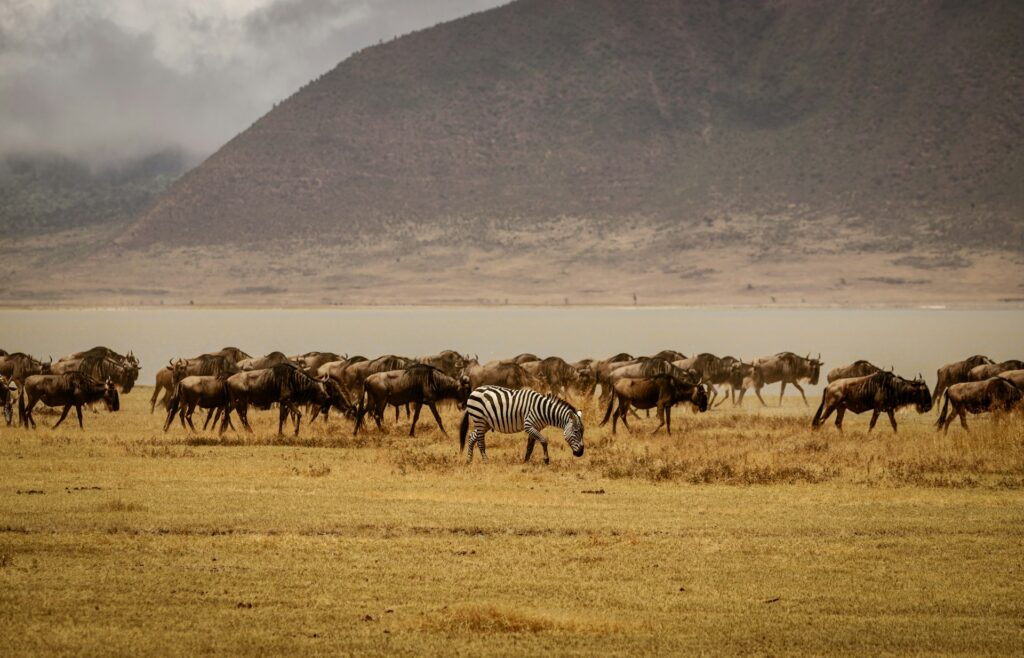
Beyond the Big Five, Umbabat is home to other notable species, including hyenas, cheetahs, and an extensive variety of antelope. Its bird population is equally impressive, with over 360 species recorded, making it a prime destination for birdwatchers. Key species include eagles, storks, and various migratory birds that appear seasonally, particularly during the wet season when water sources are plentiful.
Conservation efforts at Umbabat extend beyond anti-poaching, encompassing a range of biodiversity management initiatives such as regular aerial counts, camera trap monitoring, and focused research on particular species, including leopards, elephants, and endangered birds like the southern ground-hornbill. These measures provide critical data to guide management decisions and conservation strategies.

As with many protected areas in South Africa, Umbabat faces challenges related to poaching, climate change, and the need for sustainable resource management. The reserve’s management recognises the need to adapt and enhance conservation strategies continually.
Advanced anti-poaching measures, including partnerships with security firms and community-based intelligence networks, help counter illegal hunting. Additionally, ongoing efforts in habitat restoration and water management aim to make the reserve resilient against the pressures of climate change, which has led to changing rainfall patterns and resource availability.
Future plans for Umbabat include expanding ecotourism facilities and upgrading visitor infrastructure, which will allow the reserve to accommodate more guests while enhancing their experience. However, all developments are planned with an emphasis on sustainability, ensuring that the natural environment remains undisturbed.
WhatsApp Now