
Need more Info?
Pilanesberg National Park stands out for its rare blend of geological history, ecological variety and easy accessibility.
At its core lies the Pilanesberg Alkaline Ring Complex, a massive volcanic structure formed around 1.2 billion years ago. This extinct volcano, now eroded into concentric rings of hills and valleys, is one of the most clearly defined of its kind in the world. The landscape is striking, with dramatic rock formations and undulating terrain that hint at the park’s ancient origins.
The park’s ecology is just as fascinating. Pilanesberg sits in a transitional zone between the dry Kalahari and the lush Bushveld, allowing species from both biomes to thrive together. This overlap creates a unique habitat where desert animals and bushveld wildlife coexist, offering an unusually rich safari experience.
Visitors can spot everything from giraffe and zebra to brown hyena, cheetah and over 300 bird species, all within a relatively compact area.
Pilanesberg is also malaria-free, making it a safer and more convenient choice for families and travellers who prefer to avoid preventative medication. You can explore the bush without the need for special health precautions, which adds to the appeal for both local and international visitors.
Just under three hours’ drive from Johannesburg or Pretoria, ideal for a weekend escape or a short Pilanesberg safari without the need for lengthy travel.

Pilanesberg National Park is home to more than 10 000 large mammals, offering one of the most rewarding safari experiences in South Africa.
Visitors can look forward to spotting the Big Five, which includes lion, leopard, elephant, rhino and buffalo. These animals are well established in the park and are frequently seen thanks to the compact layout and variety of habitats.
The park also supports a number of rare and fascinating species. Cheetahs can sometimes be seen hunting in the open grasslands, while African wild dogs, though endangered and highly mobile, do pass through the area.
Brown hyenas are resident and may be spotted near rocky slopes or waterholes, particularly around dusk. Mankwe Dam provides reliable sightings of hippos and crocodiles, while giraffes are often seen browsing treetops nearby.
Antelope species are plentiful, with kudu, impala, sable, eland and waterbuck all regularly encountered.
Pilanesberg is also a prime birding destination, with over 360 recorded species. The striking Purple Roller is often seen perched on exposed branches, and the African Finfoot may be spotted on calm waters. The Greater Honeyguide, known for its unusual behaviour of leading humans to bees’ nests, is another local highlight.
The park’s mix of woodland, wetland and savannah supports an exceptional range of birdlife throughout the year.
For the best sightings, take advantage of hides and lookout points. Mankwe Dam remains one of the most reliable spots, attracting wildlife throughout the day. Well-placed hides offer close encounters with animals in a calm and undisturbed setting.
Planning a game viewing itinerary in Pilanesberg National Park is all about timing, route choice and understanding the rhythms of the bush.
Early morning and late afternoon are the best times for wildlife sightings. Animals are most active during these cooler hours, especially predators such as lion and leopard. Morning drives often reveal fresh tracks and the chance to catch wildlife near water sources before the day heats up. Afternoon drives are perfect for watching elephants, hippos and antelope as they gather around dams and graze in the golden light.
Dithabaneng Road is a scenic route that passes through open savannah and is well known for lion and rhino sightings. The Mankwe Dam loop should not be missed, as it circles one of the park’s busiest waterholes and often delivers excellent views of hippo, crocodile and birds.
Moloto Drive winds through rocky hills and is a good bet for spotting leopard and brown hyena. For a relaxing break, the Fish Eagle Picnic Spot offers a peaceful stop with views over the bush and a chance to stretch your legs.
With well-maintained roads and clear signage, Pilanesberg is ideal for independent travellers and self-driving. However, guided drives provide local insight, access to radio sightings and a higher chance of finding elusive animals. Full‑day safaris combine both approaches, allowing time to explore quieter corners of the park while benefiting from a guide’s knowledge.


Pilanesberg National Park offers a wide range of accommodation to suit all budgets and travel styles, from luxury lodges to family-friendly camps. Staying inside the park gives you immediate access to early morning game drives and quieter evenings in nature.
For budget-conscious travellers, Manyane and Bakgatla Resorts offer camping, safari tents and self-catering chalets. Prices start from around R400 for campsites and go up to R1 200 for basic chalets. These options are ideal for families and self-drivers, with swimming pools and braai areas included.
Mankwe Tented Retreat and Kololo Tented Camp provide a mid-range glamping experience with comfortable beds and bush views. Rates typically range from R2 000 to R3 500 per night, including breakfast or light catering options. Both are well located for easy access to central game viewing areas.
For a more exclusive escape, Ivory Tree Game Lodge and Shepherd’s Tree Game Lodge offer five-star comfort with spacious suites, gourmet dining and private game drives. Guests can unwind with spa treatments, sunset decks and exceptional service. Rates range between R5 000 and R9 000 per person per night, depending on the season and room type.
Just outside the park, Sun City and The Palace of the Lost City cater to visitors looking for extra amenities like golf courses, casinos and water parks. These resorts offer quick access to the park’s gates and a lively atmosphere, with room rates from R2 500 upwards.
A comparative table of budget, mid-range and exclusive accommodation options in Pilanesberg National Park, based on real offerings and current pricing (2025 estimates):
Category | Type of Lodging | Typical Inclusions | Price Range (ZAR, per night) | Example Establishments |
Budget | Campsites, Basic Chalets | Shared ablutions, self-catering kitchens, park access | 200–1 200 | Manyane Resort (camp/chalet), Bakgatla Resort |
Mid-Range | Standard Lodges, Family Chalets | En-suite rooms, restaurant access, optional game drives | 1 500–3 000 | Kwa Maritane Bush Lodge, Pilanesberg Tented Camp |
Exclusive | Luxury Safari Lodges, Private Suites | All meals, guided drives, spa treatments, premium dining, private decks | 5 000–9 000+ | Ivory Tree Game Lodge, Shepherd’s Tree Game Lodge |
Take note that:
Reaching Pilanesberg National Park is straightforward, whether you prefer driving or flying. Its location in the North West Province, close to Johannesburg and Pretoria, makes it one of the most accessible safari destinations in South Africa.
By car, the drive from Johannesburg takes around two to three hours, depending on traffic. The most direct route is via the N1 north, connecting to the N4 west towards Rustenburg. From there, follow the R565 to the park’s gates.
Roads are tarred and well signposted, making self-drive also possible. The park has several entry gates, including Bakubung, Manyane and Kwa Maritane, each close to nearby lodges and camps.
Shuttles usually depart early in the morning, especially since it gives enough time for exploring during gate opening hours, which usually range from 06:00 to 18:30 depending on the season. Travelling during daylight ensures better visibility on rural roads and avoids delays caused by peak-hour traffic out of the city.
Most GPS apps include the park’s roads and gates, but a printed route map is still useful in low-signal areas.
For those looking to save time or add comfort, daily charter flights operate from Johannesburg’s Lanseria Airport to Pilanesberg International Airport, just minutes from the park. Many lodges offer transfer services directly from the airstrip, often included in their stay packages.
Flights take less than 45 minutes and provide scenic views over the bushveld on arrival.
The best time to visit Pilanesberg depends on what you hope to see. The dry winter months from May to September offer ideal conditions for spotting wildlife. Vegetation is sparse, and animals gather at waterholes, making sightings easier and more frequent.
Mornings can be chilly, with temperatures as low as 5 °C, but the afternoons are mild and pleasant, usually around 22 °C. It’s also the quietest time in the park, with fewer tourists and crisp, clear skies.
From October to March, the landscape transforms into a lush, green environment following summer rains. Although wildlife can be harder to spot in dense vegetation, this is the best time for birding.
Migratory species arrive, and local birds are active with nesting displays and calls. Temperatures rise to around 30 °C during the day, with occasional thunderstorms in the afternoon.
Game viewing is good year-round, but the seasons offer different rewards. For predator sightings and cooler game drives, winter is ideal.
At a glance: a seasonal comparison table outlining what each season offers in Pilanesberg National Park in terms of wildlife sightings, accessibility and general experience:
Season | Months | Wildlife Sightings | Birding Highlights | Road & Access Conditions | Visitor Volume |
Dry Season (Winter) | May – September | Excellent for Big Five and predators near waterholes, sparse bush | Fewer species but easier viewing | Good – mostly dry roads, easier driving | Moderate to high (especially July/August) |
Early Summer | October – November | Good predator sightings, young antelope appear | Return of migrants, raptors active | Occasional storms begin, mostly passable | Medium, ideal for birders |
Rainy Season (Summer) | December – March | Lush vegetation makes spotting harder but scenic landscapes | Peak birding season (African Finfoot, rollers) | Muddy in parts, especially after heavy rains | Higher during holidays (Dec), low in late Jan–Feb |
Autumn Transition | April | Balanced game viewing, cooler weather begins | Resident and late migrant species overlap | Roads dry out, fewer weather disruptions | Generally quiet, ideal for peaceful safaris |

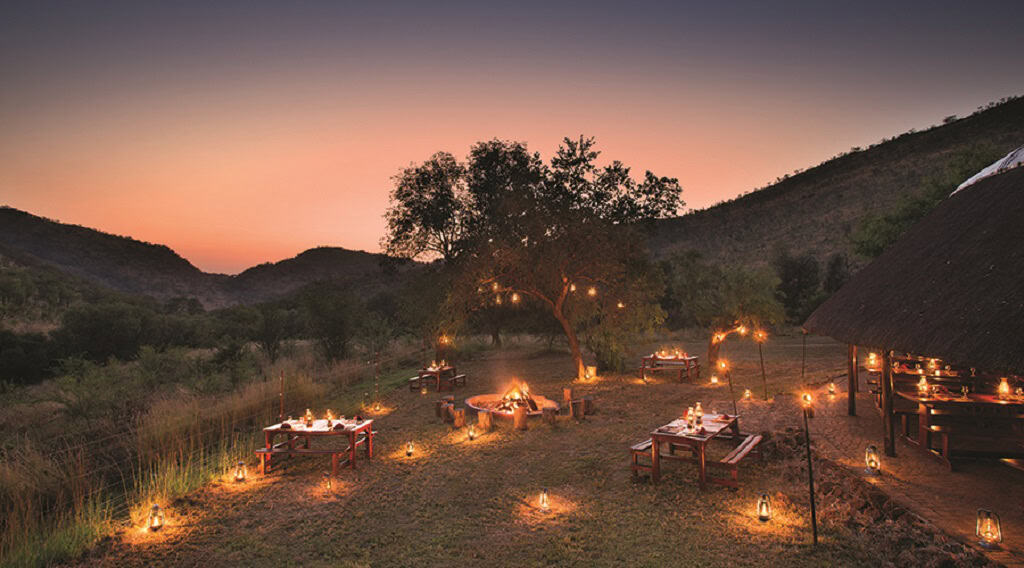
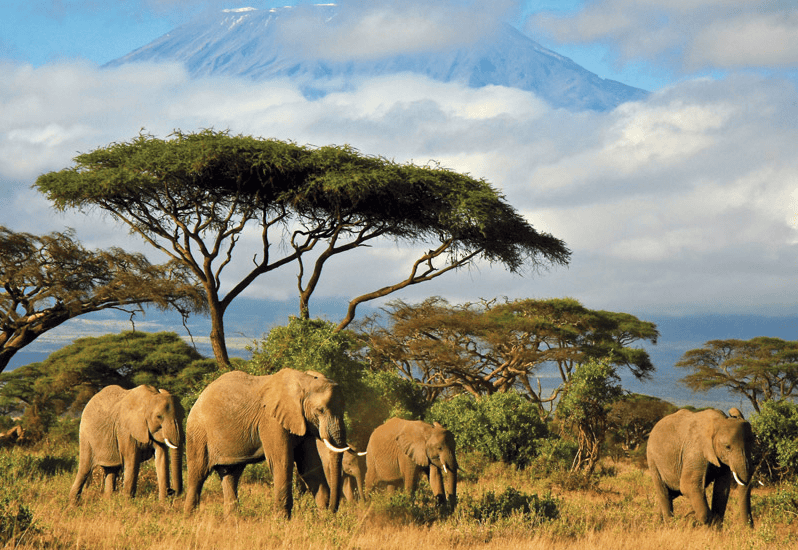
While game drives are a major draw, Pilanesberg National Park offers a variety of other activities that let visitors experience the bush from different perspectives. From the ground, the air or behind a camera lens, each option brings something special.
Hot‑air balloon safaris offer an unforgettable start to the day, with sunrise views over the volcanic crater and wildlife moving below. These flights are usually followed by breakfast in the bush, making them both scenic and memorable.
For those who prefer to stay grounded, guided bush walks provide a closer look at animal tracks, plants and smaller wildlife with the help of trained rangers. Some lodges also offer mountain bike trails in designated areas, ideal for active travellers wanting to explore the terrain at a different pace.
Photographers will enjoy time in the park’s dedicated hides, especially those around Mankwe Dam, where light and wildlife activity come together for excellent photo opportunities.
For something different, cultural tours to nearby communities give insight into the traditions, crafts and history of the region.
Night drives are a thrilling way to spot nocturnal animals like brown hyena, porcupine and civet. These guided outings reveal another side of the bush, full of sounds and movement not seen during the day.
Pilanesberg is a dream location for wildlife photography, offering dramatic backdrops, golden light and a wide variety of species in every direction.
The best times to shoot are between 05:00 and 09:00 or from 16:00 to 19:00, when the light is softer and animal activity is high. Positioning yourself at one of the park’s photographic hides, such as those at Mankwe Dam or Rathlogo, offers a low, eye-level angle that creates striking, intimate compositions.
A telephoto lens between 300 mm and 600 mm is ideal for most wildlife shots. Use a fast shutter speed (1/1000 or higher) to freeze movement, especially when photographing birds in flight or predators on the move.
Keeping your ISO as low as possible while maintaining exposure helps retain detail and avoid grain. Framing your subject with natural elements like grass or tree branches adds depth and keeps the image rooted in the bushveld setting.
Ethical wildlife photography is essential. Always keep a respectful distance and never bait animals for a better shot. Use silent mode where possible and avoid blocking tracks or disturbing sightings for others. Capture moments without altering them, letting the wildlife move naturally through the frame. Remember, patience and quiet observation often result in the most powerful images.
The landscape of Pilanesberg has been shaped not only by volcanic forces but also by the movement of people across thousands of years.
Archaeological traces of Stone and Iron Age settlements remain scattered across the terrain, from pottery shards to ancient tools. Long before it became a conservation area, the region was home to Tswana communities, including those led by Chief Pilane, after whom the park is named.
In the twentieth century, the land underwent dramatic change. Once cleared for farming and human settlement, the area lost much of its natural biodiversity. By the late 1970s, a bold vision to restore wildlife and transform the region into a protected space took root.
This marked the beginning of Operation Genesis in 1979, the largest game translocation project of its time. Over 6 000 animals were reintroduced, including elephant, lion and rhino. Fences were erected, roads were laid and the foundations of the park as we know it today were established.
Pilanesberg National Park was officially proclaimed in 1984. Since then, it has continued to grow, with land expansions in 2004 and ongoing efforts to create ecological corridors linking nearby reserves.
These connections support natural wildlife movement, reinforcing Pilanesberg’s role in regional conservation.
Exploring Pilanesberg is both exciting and rewarding, but safety and respect for the environment should always come first.
The park operates under strict regulations to protect both wildlife and visitors. Speed limits are set at 40 km/h to minimise risk, especially on gravel roads where animals may cross unexpectedly.
Whether you’re on a self-drive or guided tour, patience and space are important. Overcrowding at sightings can be stressful for animals, and ongoing debates around guide etiquette have highlighted the need for greater awareness from all visitors.
Keep a safe distance from wildlife at all times. Do not exit your vehicle unless you’re in a designated area, and always remain inside a closed vehicle during drives.
Feeding animals is strictly forbidden, not only because it’s dangerous but also because it disrupts their natural behaviour and diet.
Environmental responsibility begins with simple choices. Avoid littering and leave the bush exactly as you found it. Choose eco-certified accommodation or tours that actively support conservation.
Where possible, support local businesses or community-run ventures that contribute to long-term sustainability.
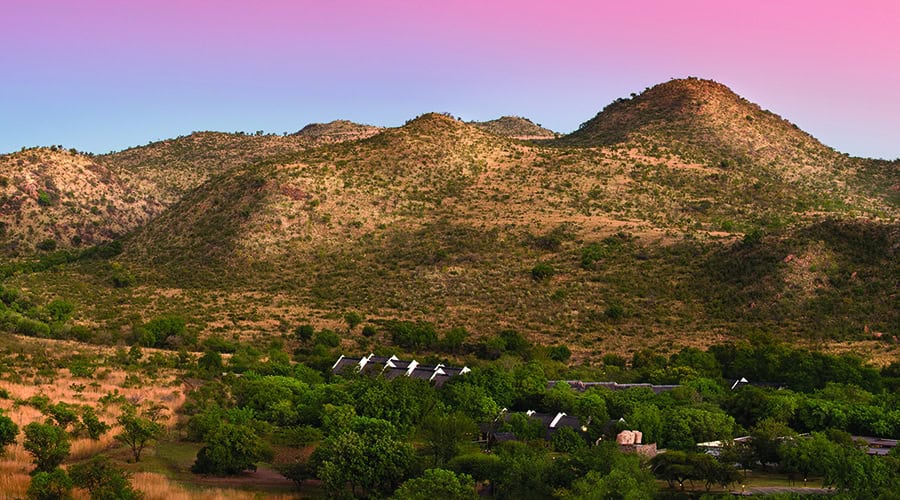
A trip to Pilanesberg can be tailored to suit most budgets, from affordable day visits to all-inclusive luxury escapes.
Park entry fees are currently around ZAR 80 per adult and ZAR 30 per child per day, with an extra ZAR 40 fee per vehicle. These costs cover access to all public roads and hides within the reserve.
Accommodation options vary widely. Campsites such as Manyane or Bakgatla charge from ZAR 200 to ZAR 300 per person, while basic chalets range from ZAR 800 to ZAR 1 200 per night. Mid-range options, including standard lodges and family cottages, generally cost between ZAR 1 500 and ZAR 3 000 per room.
For luxury travellers, private lodges like Ivory Tree or Shepherd’s Tree offer premium suites with full board and guided drives, starting from ZAR 5 500 to over ZAR 8 000 per person per night.
Guided game drives typically cost between ZAR 400 and ZAR 700 per person, while full-day tours from Johannesburg average ZAR 1 500 to ZAR 2 500. For something special, hot-air balloon safaris are priced from around ZAR 5 000 per person.
To save money, consider off-peak visits between May and August when accommodation discounts are more common. Day packages with local operators often bundle entrance, lunch, and guided drives at better value than booking separately.
This table can help visitors match their budget to the kind of experience they want, whether it’s a self-drive getaway or a luxury wilderness escape.
At a glance: A cost breakdown table for visiting Pilanesberg National Park, comparing different levels of spending and common expenses:
Expense Type | Budget Traveller | Mid-Range Traveller | Luxury Traveller |
Park Entry Fees | ZAR 80–110 per adult per day | ZAR 80–110 per adult per day | Usually included in package price |
Accommodation | ZAR 200–1 200 (camping or basic chalet) | ZAR 1 500–3 000 (standard lodge/chalet) | ZAR 5 000–9 000+ (all-inclusive lodge) |
Meals | Self-catering, local shops (ZAR 100/day) | Lodge dining or nearby restaurants (ZAR 250–400/day) | Gourmet dining included or à la carte |
Game Drives | Self-drive (fuel cost only) | Guided drives (ZAR 400–600 per drive) | Included in daily rate (often 2 drives/day) |
Extras (e.g. Balloon Safari) | Rarely included (ZAR 4 500+ if added) | Optional add-on | Often included or arranged privately |
Overall Daily Spend (Est.) | ZAR 400–1 500 | ZAR 2 500–4 000 | ZAR 6 000–10 000+ |
Money-Saving Tips | Day-visit packages, off-season rates | Book combo packages, avoid peak weekends | Look for specials or shoulder-season offers |
Yes, it lies in a malaria‑free zone, safe for families and pregnant travellers.
Yes, over 200 km of tar and gravel roads are navigable in standard vehicles.
No guarantees, but sightings are very likely due to high animal density.
Gates open before dawn and close around sunset – check the official site for exact times.
Yes, daily safari tours from Johannesburg/Pretoria with two game drives are popular.
Yes, many lodges offer family chalets, kids’ programmes, and safe amenities.
Self‑drive is allowed, but guided drives enhance spotting and knowledge.
Dry season (May–Sept) for wildlife; wet summer (Oct–Mar) for birding and lush landscapes.
Many lodges and roads are wheelchair‑friendly—check specific lodge accessibility details.




WhatsApp Now