
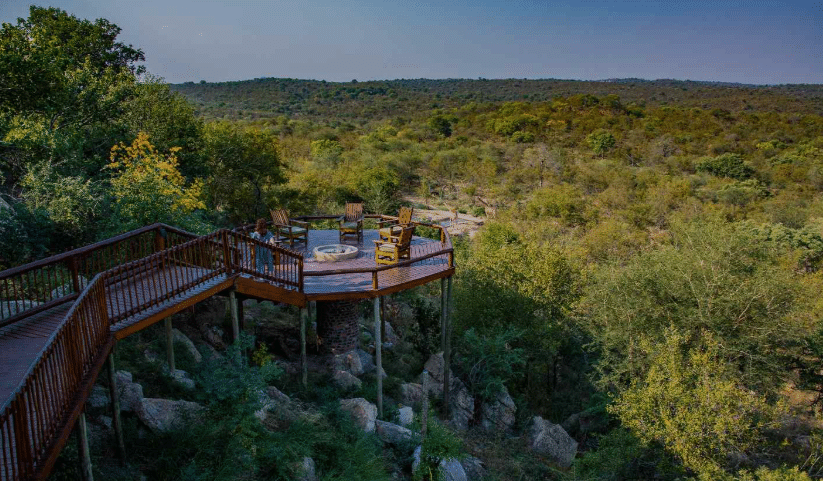
Balule Nature Reserve, also known as Balule Game Reserve or Balule Private Game Reserve, is a thriving conservation area in the Limpopo Province of South Africa, seamlessly connected to the world-renowned Kruger National Park.
Although it now forms part of the Greater Kruger National Park ecosystem, it began as a collection of fenced-off private game farms owned by individual families.
The absence of internal fences between Balule and Kruger allows wildlife to roam freely across these interconnected reserves, fostering a vibrant ecosystem filled with diverse species, from the Big Five to a variety of smaller creatures and rare bird species.
Established as a unified reserve in the early 1990s, Balule Nature Reserve comprises over 40,000 hectares of rich savannah woodland, grasslands, and riverine landscapes.
The scenic beauty of the reserve is further highlighted by the flowing Olifants River and the distant Drakensberg Mountains, both of which contribute to Balule’s popularity among visitors seeking a unique safari experience.
Spanning over 40,000 hectares, Balule Game Reserve’s size offers extensive wildlife habitats while remaining close enough for visitors to access amenities through Hoedspruit Airport, which is roughly an hour’s drive away.
The topography of Balule is marked by the Olifants River, which flows through the reserve, creating a vital water source that attracts various species and enhances biodiversity in the region. The river also offers visitors picturesque views and opportunities for game viewing, as animals frequently congregate near this essential waterway.
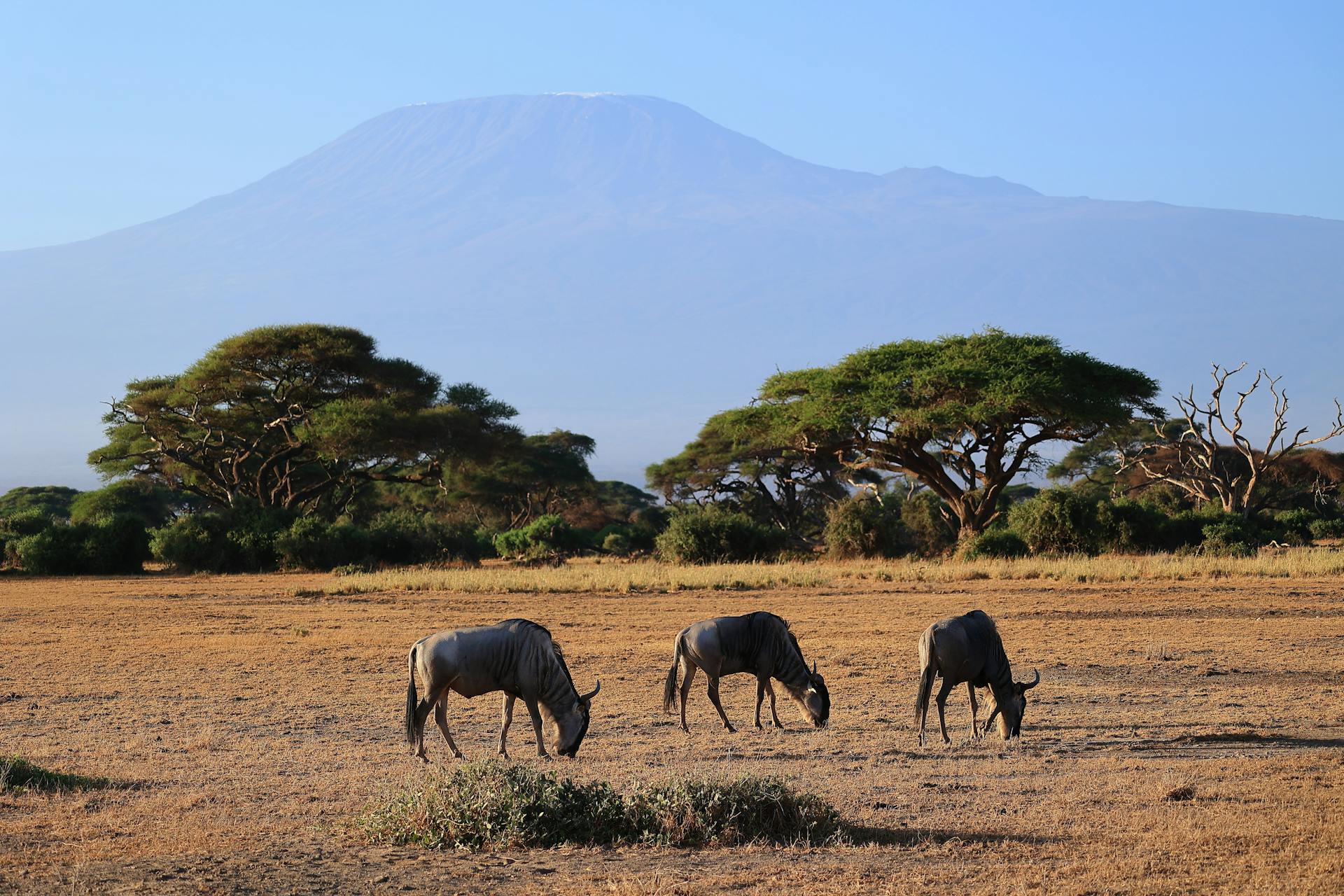
Balule’s flora is dominated by the characteristic savannah woodlands and grasslands of South Africa’s Lowveld region, providing an ideal habitat for the wildlife that populates the reserve.
The terrain is dotted with acacia trees, mopane woodlands, knobthorns, fever trees, and marula trees, which contribute to the lushness and diversity of the vegetation. The plant life, varied and abundant, sustains a range of herbivores, which in turn attract predators, creating a balanced ecosystem.
Seasonal changes bring unique transformations to the landscape: summer rains blanket the reserve in vibrant greenery, while the drier winter months render the bush more open, making wildlife viewing easier and more rewarding.
The Balule Private Game Reserve is particularly renowned for its rich wildlife, and the absence of fences with Kruger allows animals to migrate naturally through the area.
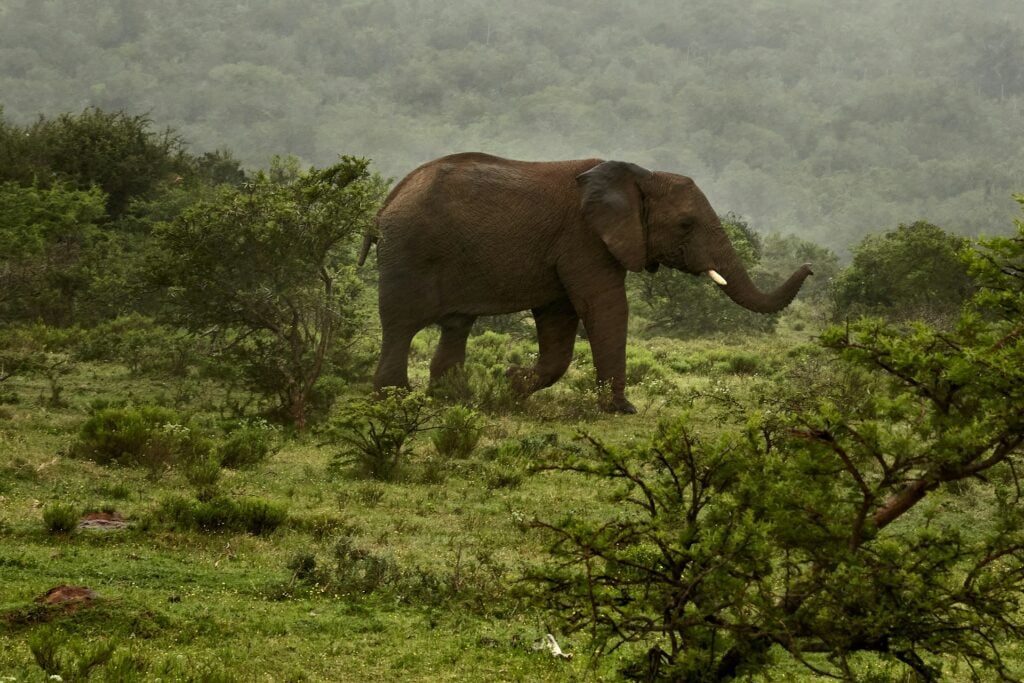
Home to the iconic Big Five—lion, leopard, elephant, rhino, and buffalo—Balule offers outstanding safari opportunities for visitors looking to witness Africa’s most celebrated wildlife. Herds of wildebeests, zebras, and giraffes graze freely across the grasslands, while crocodiles and hippos find sanctuary in the waters of the Olifants River.
Balule also features a remarkable variety of predators, such as hyenas and cheetahs, and is known for its high density of lions, which thrive thanks to the availability of prey in the area.
The free-roaming nature of Balule’s wildlife means sightings vary daily, with unique game viewing experiences each time. Furthermore, the reserve is a haven for birdwatchers, boasting over 200 bird species, including raptors like the martial eagle and rare species such as Pel’s fishing owl.
Guided safari drives allow visitors to explore Balule’s biodiversity up close, with night drives providing opportunities to observe nocturnal species in their natural habitat.
As a private game reserve, Balule takes pride in offering a more intimate safari experience. The reserve’s management strictly limits the number of guests, and self-driving is not permitted, reducing the human impact on wildlife and creating a tranquil environment for visitors.
Safari drives are conducted by experienced guides who are familiar with the local ecosystem, allowing them to share insights about animal behaviour, conservation challenges, and the significance of Balule’s unique ecosystem.
The Black Mamba Anti-Poaching Unit, established in 2013, exemplifies Balule’s commitment to conservation. This unit is composed mostly of local women, who patrol the reserve and protect endangered species from poaching. Their dedication has received international recognition, including the United Nations’ Champions of the Earth award.
Balule’s anti-poaching efforts, combined with its approach to sustainable ecotourism, make it a model for wildlife conservation and community empowerment.
Balule’s subtropical climate means it experiences hot, humid summers (October to April) and cooler, dry winters (May to September). Winter is the preferred season for game viewing, as the lack of rain brings animals to water sources and thins out vegetation, making wildlife easier to spot. Summers, although hotter and more humid, attract birdwatchers eager to see migratory species and capture the lush green landscape on camera. The reserve’s malaria risk also peaks during the summer, so visitors are advised to consult medical professionals about preventive measures.
In conclusion, Balule Nature Reserve stands out for its blend of natural beauty, abundant wildlife, and commitment to conservation. As part of the Greater Kruger National Park, it benefits from unfenced borders that allow for free wildlife movement, creating a safari experience that feels truly authentic.
The reserve’s unique history, from its origins as separate farms to its current status as a premier private reserve, reflects the dedication of landowners and conservationists to preserving South Africa’s wildlife heritage. Through its conservation programs, community initiatives, and sustainable tourism practices, Balule serves as a model for ecotourism and wildlife protection, offering visitors an unforgettable journey into the heart of the African wilderness.