
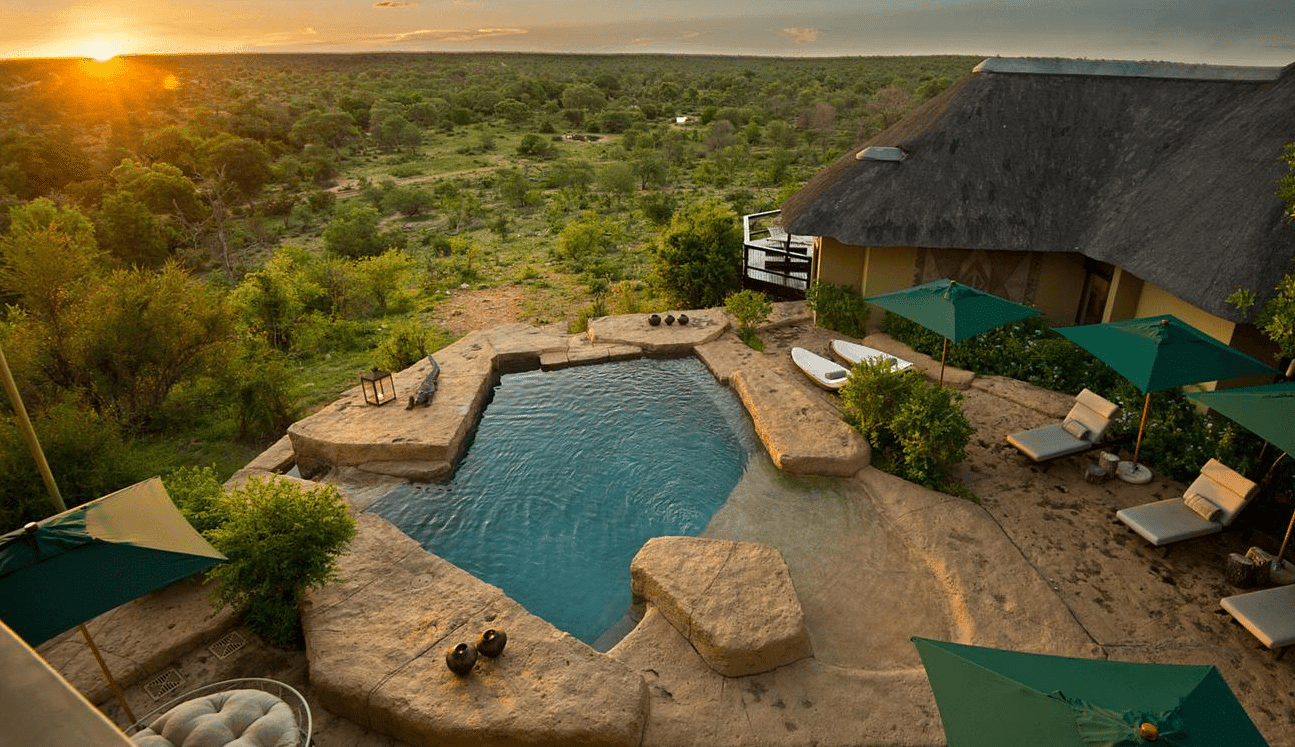
Located in the renowned Greater Kruger National Park, Klaserie Private Nature Reserve is celebrated as one of South Africa’s best-kept secrets.
Spanning over 60,000 hectares, this sprawling wilderness was established in 1969 and is recognised as one of the largest privately owned reserves in the country. Its expansive, unfenced borders with the Kruger National Park create a unique ecosystem that allows wildlife to roam freely over two million hectares.
Klaserie Nature Reserve offers an experience of raw African nature, untouched by artificial boundaries, and it maintains a strong conservation ethos to preserve its delicate ecosystem for future generations.
The Klaserie area embodies a rich tapestry of history, from the vision of its founding families to the diverse flora and fauna that make it a premier wildlife destination.
The reserve is ideal for those looking to delve into the landscapes of Africa’s savannah and experience wildlife viewing in its most natural form. Here, we will explore the origins and ownership of Klaserie Private Game Reserve, the diverse array of species that inhabit its plains, and what visitors can expect when exploring this stunning reserve.
The vast landscapes of Klaserie Private Nature Reserve offer a variety of ecosystems that host a wealth of plant and animal life. From rolling savannahs and acacia-dotted plains to thick riverine forests along the Klaserie River, the reserve’s topography provides the necessary conditions for a wide array of species to thrive.
Klaserie experiences a subtropical climate, with a distinct wet and dry season, each bringing unique characteristics to the reserve:
Temperatures reach 25°C to 35°C during the day, with afternoon thunderstorms refreshing the landscape. Vegetation flourishes, creating a lush, green backdrop where animals are dispersed due to ample water.
Cooler and dryer, with daytime temperatures between 20°C to 30°C, autumn marks the beginning of the drier season. Wildlife begins to congregate around permanent water sources, and the once-green savannah takes on golden hues.
Dry and mild, winter temperatures are around 18°C to 26°C during the day, while nights can drop to a chilly 5°C. Sparse vegetation makes it easier to spot wildlife gathering at water sources.
As temperatures rise, early rains bring a burst of greenery and blooming flowers. It’s a time of renewal, with many animals giving birth, providing plenty of sightings of young wildlife.

As part of the Greater Kruger ecosystem, Klaserie Private Game Reserve is home to an incredible variety of wildlife. Visitors to Klaserie can encounter the “Big Five”—lion, leopard, elephant, buffalo, and rhino—as well as many other species.
Often seen resting in shady areas during the day, lions are active in the cooler early morning and evening hours. Klaserie’s lions are famous for their strength and social pride structures, offering a fascinating glimpse into their lives. Known for their elusive nature, leopards in Klaserie can be spotted in trees or dense thickets, especially at dawn and dusk when they are most active.
Large herds of elephants frequent Klaserie, often congregating near water sources. Observing them in their natural habitat, whether playing in the mud or foraging, is an unforgettable experience.
Both black and white rhinos can be found in the reserve. These species are endangered, so sightings are a privilege and testament to the reserve’s dedicated conservation efforts.
The African buffalo, known for its unpredictable nature, is commonly seen in large herds. These resilient animals often stick close to water sources.
Klaserie’s biodiversity goes well beyond the Big Five. Cheetahs, wild dogs, hyenas, giraffes, zebras, hippos, and countless antelope species also roam the land.
Birdwatchers will find Klaserie Private Game Reserve a paradise with over 300 bird species recorded, including iconic African raptors and vibrant kingfishers. Some notable species are:
The reserve is also home to several reptiles, including crocodiles that bask along riverbanks, and a variety of snakes such as the African Rock Python. Frogs and toads make up the reserve’s amphibian population, becoming especially visible during the rainy season when temporary pools and ponds appear.
The reserve’s management and stakeholders are committed to protecting the delicate balance of nature within its boundaries. Initiatives to protect rhinos from poaching, maintain animal populations, and preserve the integrity of the land are actively pursued.
As a result, Klaserie Private Game Reserve remains an unspoiled sanctuary where wildlife is free to live undisturbed, while visitors are educated about the importance of protecting these ecosystems.
Local communities also play a crucial role in the reserve’s conservation goals. Many lodges within Klaserie work closely with surrounding communities to promote sustainable tourism and create economic opportunities.
Klaserie Private Nature Reserve is conveniently accessible by both road and air. For those travelling by car, the drive from Johannesburg to Klaserie takes about 5-6 hours. The well-maintained roads make for a scenic journey, passing through some of South Africa’s most beautiful landscapes. For air travel, Hoedspruit Eastgate Airport is the nearest hub, located approximately one hour from the reserve.