
Need more Info?
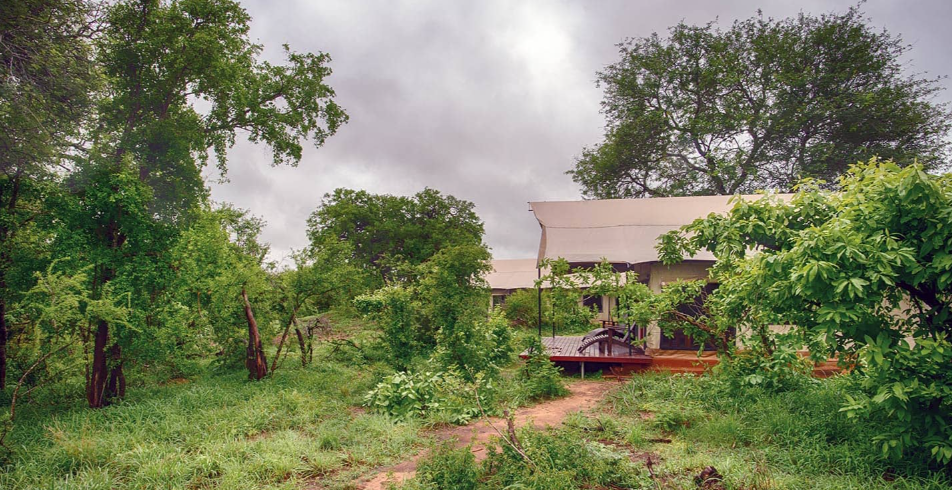
The Manyeleti Game Reserve is a privately managed conservation area on the eastern edge of South Africa’s Lowveld, between Kruger National Park, the Sabi Sand Game Reserve, and the Timbavati Private Nature Reserve. It forms part of the Greater Kruger ecosystem, with no fences separating it from Kruger itself, allowing wildlife to move freely across a vast protected landscape.
Covering roughly 23,000 hectares, Manyeleti is less well known than its famous neighbours, yet it shares the same rivers, bushveld, and wildlife corridors. This location gives visitors the rare combination of big game density and a quieter safari atmosphere.
Manyeleti is owned and managed by the local Mnisi tribe. The Mnisi people have deep historical ties to this land, having lived in the area for generations, and successfully claimed the land, securing its preservation.
All safari lodges operating within the Manyeleti Private Game Reserve do so on a concession basis, meaning the Mnisi retain control over the land and maintain the area’s natural integrity. This model allows the reserve to function not just as a wildlife haven but also as a sustainable source of income and cultural pride for the Mnisi community, emphasising Manyeleti’s ethos of conservation, responsible tourism, and heritage preservation.
Manyeleti Game Reserve was founded as a game reserve in 1963 during apartheid, yet, unlike many game reserves and national parks that barred access to non-whites, Manyeleti accessible for non-white visitors. This, however, came with challenges as limited government investment in infrastructure or promotion due to its status as a reserve open to non-whites, Manyeleti was left relatively underdeveloped compared to its neighbouring reserves.
Paradoxically, this lack of development has today become one of Manyeleti’s greatest assets. Without large crowds or extensive tourist amenities, the reserve remains a “secret place” where visitors can experience an unfiltered version of the African bush.
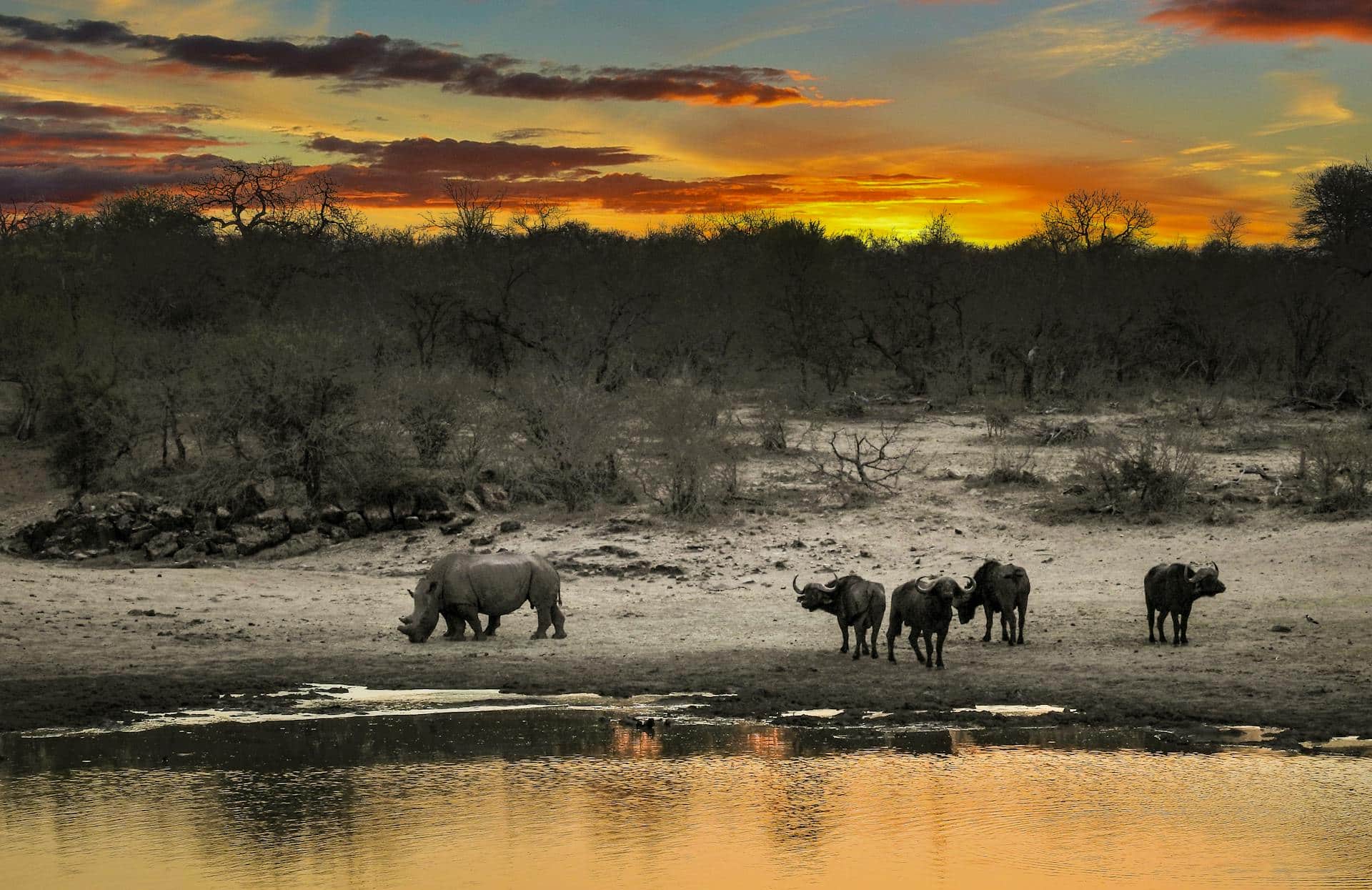
Covering an impressive 23,000 hectares, Manyeleti Nature Reserve spans a terrain that includes savannah, grassland, woodlands, and a series of seasonal rivers. This diverse landscape creates a natural haven for a wide range of wildlife and plants, allowing for various ecosystems within the reserve.
The size of the reserve, coupled with its low-density tourism approach, ensures that the wildlife thrives in a relatively undisturbed environment. Visitors are encouraged to explore over 200 kilometres of gravel roads winding through the reserve, offering near-exclusive access to the expansive wilderness.
With no fences between Manyeleti, the neighbouring Sabi Sands and Timbavati reserves, and Kruger National Park, the animals move freely, creating ideal conditions for spotting diverse species across all four reserves. Manyeleti’s relatively lower water levels compared to nearby reserves result in fewer large predators, but this doesn’t deter the presence of the iconic Big Five.
Manyeleti appeals to travellers who want an authentic safari experience without the heavy vehicle traffic found in some adjoining reserves. Game drives often take place without encountering another vehicle for long stretches, which creates a calm and unhurried rhythm to wildlife viewing.
The reserve is part of the open Greater Kruger system; therefore, sightings are not restricted by artificial boundaries. Lions, elephants, wild dogs, and leopards move naturally across the region, and guides are able to follow them over large areas without crowding or radio congestion.
One of the reserve’s key attractions is the elusive leopard, a species that Manyeleti is particularly known for, along with lions, elephants, rhinos, and buffaloes. In addition to these, visitors can spot giraffes, zebras, wildebeest, hyenas, and various species of antelope, including kudu and impala. The birdlife in Manyeleti is just as impressive, with more than 300 bird species making it a paradise for birdwatchers and photographers. The reserve’s vegetation consists of acacia trees, marula trees, and leadwoods, which create an environment supportive of this diverse array of wildlife.
The reserve is home to the Big Five, namely lion, leopard, elephant, buffalo, and rhinoceros. Leopard sightings are a particular highlight due to the mix of riverine woodland and open savannah that suits their hunting patterns.
Beyond the Big Five, visitors regularly see cheetah, African wild dog, giraffe, zebra, hippo, and a wide range of antelope species. Birdlife is prolific, with over 300 recorded species, making the reserve rewarding for both seasoned birders and casual observers.
Game drives are the primary activity, typically taking place in the early morning and late afternoon when animals are most active. These drives are conducted by experienced guides and trackers who focus on animal behaviour, spoor, and the subtle rhythms of the bush rather than rushing between sightings.
Guided bush walks are offered at select lodges and provide a slower, more intimate way to understand the ecosystem. Night drives are also common, giving guests the chance to see nocturnal species such as civets, genets, and bush babies.
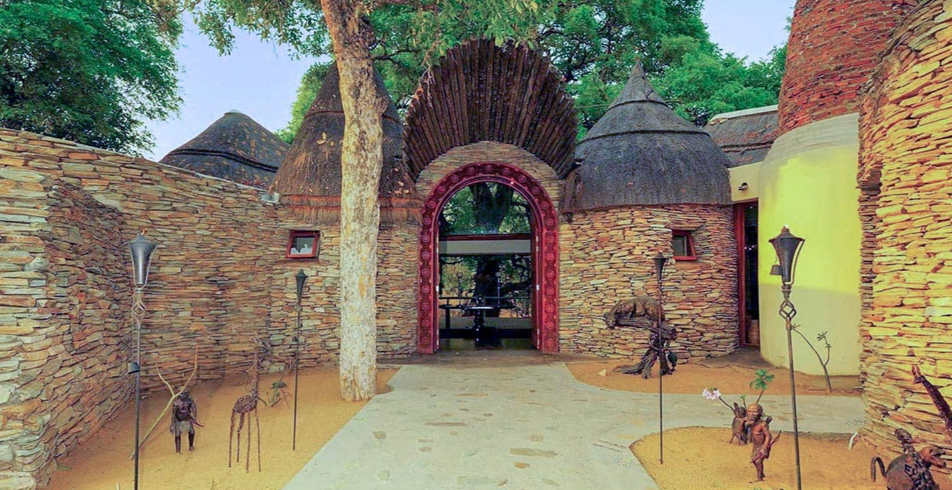
Accommodation in Manyeleti is exclusively lodge-based, with a small collection of high-end safari lodges spread across the reserve. These lodges prioritise privacy, low guest numbers, and close integration with the surrounding environment.
Most lodges offer spacious suites or tents with en suite bathrooms, outdoor decks, and views over dry riverbeds or open plains. Safari packages usually include accommodation, meals, game drives, and selected drinks.
Tintswalo Safari Lodge represents the most luxurious accommodation in Manyeleti, ideal for visitors who want premium space, service, and privacy. This small lodge has individually decorated suites with private plunge pools and leisure decks, all positioned to offer unobstructed views over the surrounding bush.
The décor reflects the spirit of early African explorers and sets a refined tone for your stay. The main lodge area provides cosy lounges, fine dining, a wine cellar with excellent South African wines, and a spa for relaxation after game drives.
The Presidential Suite or family configurations offer extra room and privacy, often chosen by honeymooners or groups travelling together. Accommodation here often includes meals, two game drives per day, and selected drinks as part of the rate.
For those wanting even more exclusivity, Tintswalo Manor House is an entire safari home that you can book for your group. This property includes a dedicated lodge manager, private chef, ranger, and tracker at your disposal. The Manor House provides plenty of space for families or groups, with private areas for dining and relaxation, while still delivering the same game viewing experiences from your doorstep.
Honeyguide Mantobeni Camp is one of the classic tented safari experiences in Manyeleti. The camp sits among tall tamboti trees beside a dry riverbed, with its tents raised on wooden platforms and opening to views of the bush. Each tent is spacious with a king-size bed, comfortable lounge area, and private open-air en suite bathroom.
Outside your tent, you will find a private deck with space to relax as wildlife grazes nearby. Most packages include two game drives per day and full board meals, making Mantobeni a relaxed option that still feels luxurious without being formal.
This camp is especially popular with adults and couples. There is a central lounge and outdoor dining area as well as a swimming pool where you can cool off between drives.
Honeyguide Khoka Moya Camp is Honeyguide’s family-friendly sister camp. Like Mantobeni, it has generously sized canvas tents with en suite bathrooms, private decks, and bush views. The layout makes it easy for families to spend quality time together, with larger tent configurations that can accommodate up to four people.
Guided game drives and junior tracking activities keep younger guests engaged, while adults enjoy the pool, dining areas, and fireside evenings.
Khoka Moya offers the same relaxed safari vibe but with thoughtful touches for families, including lawn spaces and child-friendly guided activities.
For travellers seeking an authentic and slightly more rustic feel, Pungwe Safari Camp offers a smaller, intimate wildlife stay. With fewer tents than the larger camps, Pungwe focuses on bringing guests close to the bush while still providing comfortable en suite facilities. These classic safari tents reflect the original style of African safari accommodation, combining simplicity with direct access to morning walks and game drives.
Manyeleti also has smaller community-run or unfenced bush camps such as Buffelshoek and Ndzhaka, which appeal to travellers who want to feel particularly close to nature. These camps are typically more basic but set in excellent game areas, and they help support local community initiatives.
Most visitors reach Manyeleti via Hoedspruit or Skukuza, both of which have airports with scheduled flights from Johannesburg. From there, lodges typically arrange road transfers or short charter flights directly into the reserve.
Self-drive access is possible via gravel roads from the R40, although a high clearance vehicle is recommended. Travel times vary, but the reserve is generally around six to seven hours by road from Johannesburg.
Manyeleti has a subtropical climate with distinct dry and wet seasons. The dry winter months from May to September bring mild days, cool nights, and sparse vegetation, which makes wildlife easier to spot around water sources.
The summer months from October to March are warmer and coincide with the rainy season. Afternoon thunderstorms refresh the landscape, bring lush greenery, and support excellent birdlife, although animals may be more dispersed due to the availability of water.
The best time to visit depends on what you value most in a safari. For game viewing and comfortable temperatures, the winter months from June to August are popular and reliable. Visibility is high, and animal movements are more predictable.
For travellers who enjoy dramatic skies, newborn animals, and vibrant landscapes, the summer season from November to February offers a different but equally rewarding perspective, with fewer visitors and a strong sense of seasonal change.
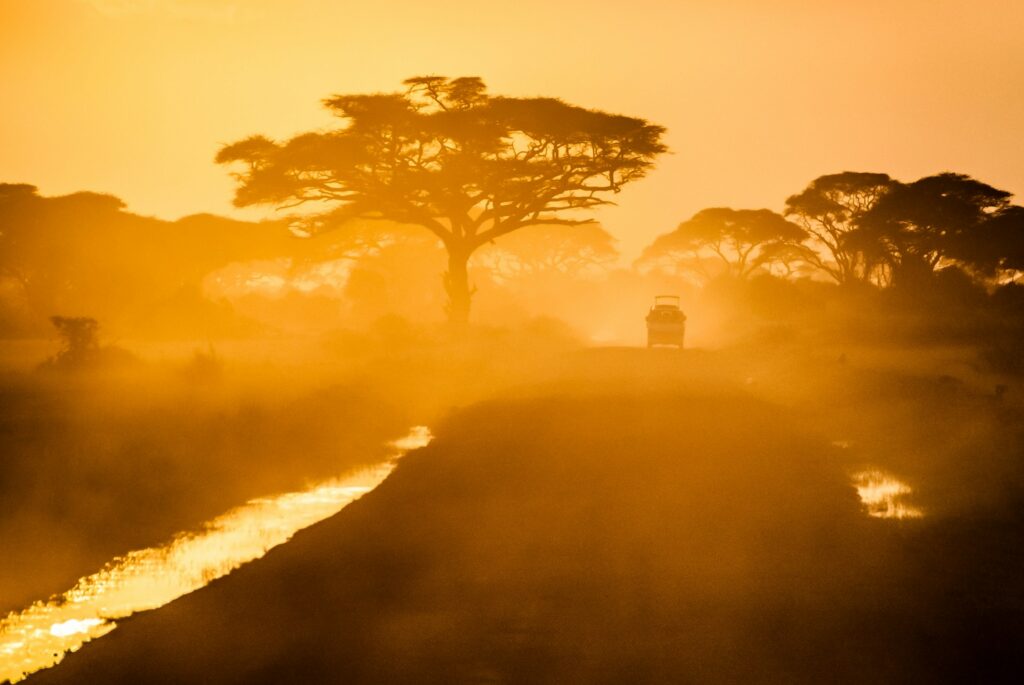
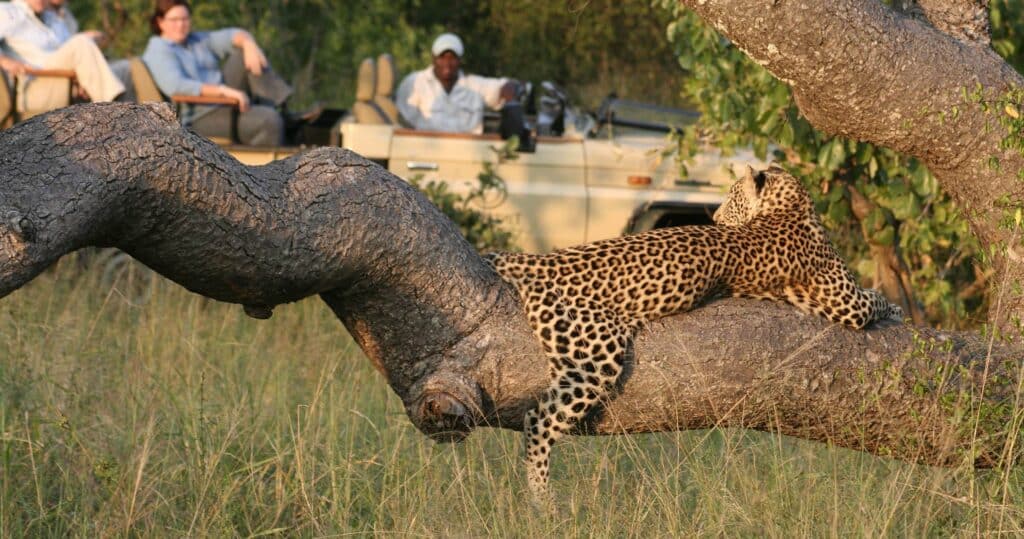
Manyeleti works well for first-time safari guests who want a high-quality experience without overwhelming crowds. The guides are accustomed to explaining animal behaviour and tracking techniques in an accessible way, which helps newcomers feel comfortable and informed.
The all-inclusive lodge format also simplifies logistics, allowing visitors to focus on the experience rather than planning daily activities or meals.
The reserve plays an active role in wildlife protection within the Greater Kruger region, including anti-poaching initiatives and habitat management. Many lodges support community development projects in surrounding villages through employment, skills training, and education programmes.
The few safari lodges that are located within the reserve each offer unique, luxurious experiences that align with Manyeleti’s ethos of low-impact, high-value tourism, further emphasising the reserve’s commitment to exclusivity and authenticity.
Although limited in number, Manyeleti’s safari lodges provide luxury and comfort while remaining deeply connected to the natural surroundings. Each lodge is designed to offer guests an immersive bush experience, with comfortable accommodations, locally inspired cuisine, and expertly guided safari tours.
They operate on a concession basis with the Mnisi community, which means they contribute directly to the local economy. This setup supports sustainable tourism, giving guests an experience that not only immerses them in nature but also contributes to the cultural and economic well-being of the Mnisi tribe.
Manyeleti Game Reserve has long been committed to sustainable tourism and conservation efforts, ensuring that its natural beauty and biodiversity are protected for future generations. The Mnisi tribe, as owners and managers, have worked to maintain the reserve’s ecological balance, making it a model of conservation-driven tourism. Initiatives to protect the endangered species within the reserve, such as rhinos, are ongoing, and the reserve places emphasis on educating guests about the importance of preserving this fragile ecosystem.
Through these efforts, Manyeleti aims to foster a greater understanding and appreciation for South Africa’s wildlife heritage. Conservation is interwoven into every aspect of the Manyeleti experience, from the safari tours to the lodge operations.
As such, Manyeleti Game Reserve remains one of South Africa’s most compelling destinations for a serene and intimate safari experience. With its rich history, deep connection to the Mnisi community, and unspoiled natural environment, it stands as a true testament to responsible tourism and environmental stewardship.
Manyeleti is not formally part of Kruger National Park, but it shares unfenced boundaries with Kruger and forms part of the Greater Kruger ecosystem.
You can see the Big Five in Manyeleti Game Reserve, with strong chances of sightings due to the open borders and diverse habitats.
There are only a handful of lodges in Manyeleti Game Reserve, which keeps visitor numbers low and maintains a quiet safari experience.
Some lodges in Manyeleti accept children, but age restrictions apply at certain properties due to walking safaris and vehicle safety policies.
Safaris in Manyeleti may include guided bush walks at selected lodges, offering a close-up view of tracks, plants, and smaller wildlife.
WhatsApp Now